Wikipedia

Search results

Thursday, 31 July 2025

Grow Up! How to Create a Rooftop Herb and Vegetable Garden on a Flat Roof

If you're short on garden space but blessed with a flat roof, you've got a golden opportunity to create a lush, productive herb and vegetable garden above the hustle and bustle of everyday life. 

Whether you're a seasoned gardener or a complete beginner, turning your rooftop into a green haven can provide fresh produce, reduce your carbon footprint, and give you a calming retreat just a few steps away.

Why Choose a Rooftop Garden?

Rooftop gardens offer several benefits:

Fresh herbs and veg at your fingertips

Improved insulation for your home or business, reducing energy bills

Enhanced biodiversity with pollinator-friendly plants

Reduced rainwater runoff, helping manage drainage

A peaceful, green space to relax in

Is Your Roof Suitable?

Before you start, consider the following:

Check structural integrity: Can your roof support the weight of containers, soil, and water? Consult a professional if in doubt.

Access and safety: Ensure safe access and install railings if needed.

Sun exposure: Most vegetables and herbs need 6–8 hours of sunlight a day. South-facing roofs are ideal.

Drainage and waterproofing: Protect your roof surface from water damage by using trays, liners, or raised beds with proper drainage.

Best Herbs and Vegetables for Rooftop Gardens

Start with easy, compact, and high-yield plants:

Herbs: Basil, thyme, rosemary, mint, chives, coriander, parsley

Leafy greens: Lettuce, spinach, rocket, kale

Fruit and veg: Cherry tomatoes, radishes, chillies, dwarf courgettes, strawberries

Climbers: Beans, peas, cucumbers – train them on trellises or railings

Setting Up Your Rooftop Garden

Plan your layout

Sketch out a plan. Include containers, walkways, seating, and trellises. Use vertical space to maximise growing area.

Use lightweight containers

Opt for fabric grow bags, plastic pots, or raised beds made from recycled materials. Make sure they have drainage holes.

Choose quality soil

Use a lightweight potting mix with added compost. Avoid heavy garden soil which can compact and become waterlogged.

Water wisely

Install a water butt connected to a downpipe or use a long hose from indoors. Consider drip irrigation or self-watering pots to reduce the need for daily watering.

Add wind protection

Rooftops can be breezy. Create shelter using mesh screens, trellises, or windbreak plants like dwarf shrubs.

Grow with the seasons

Rotate crops with the seasons and try hardy winter greens or install a mini cold frame to extend your growing period.

Make it a haven

Add fairy lights, solar lanterns, or a small table and chair set for the ultimate rooftop escape.

Final Tips

Label everything – it’s easy to forget what you planted.

Start small and build up each year.

Join an online gardening group for support and advice.

Celebrate your harvest! Even a handful of fresh basil or home-grown salad leaves can be immensely satisfying.

Creating a rooftop herb and veg garden is a rewarding way to green your space, feed your household, provide your restaurant with fresh produce  and make the most of an underused part of your home or business. So roll up your sleeves and get growing—your rooftop is waiting.

That's Christmas 365: Christmas Dinner to Cost 6% More This Year, Warns ...

That's Christmas 365: Christmas Dinner to Cost 6% More This Year, Warns ...: The British Retail Consortium (BRC) has issued a sobering forecast: Christmas dinners in 2025 are expected to cost around 6% more than last ...

Picnics with a Purpose: Feeding Young Minds Alongside Hungry Tummies

There’s something undeniably magical about a picnic. 

The gentle rustle of trees, the scent of grass, and the open sky make even a humble sandwich feel like a treat. 

But what if your next picnic could offer more than just food and fresh air? What if it became a learning adventure, a moment to share nature, history, and curiosity with your children?

Welcome to the idea of “Picnics with a Purpose” an easy and joyful way to turn mealtimes into meaningful moments by feeding young minds while feeding hungry tummies.

1. Choose a Location with Hidden Stories

Instead of the usual local park, why not head somewhere with something to show and tell? A ruined castle, a heritage railway station, a sculpture trail, a nature reserve, or even a local churchyard (respectfully observed, of course) can provide endless talking points. Children are naturally inquisitive — give them something to wonder about.

Idea: Picnic near a standing stone or ancient tree. Talk about how long it’s been there and what it might have “seen.”

2. Pack Curiosity Alongside the Crisps

Bring along a magnifying glass, binoculars, or even a basic guidebook to birds, wildflowers, or British butterflies. Encourage your child to observe and ask questions. What are those strange markings on the tree bark? Why do ants follow each other in a line? Why do clouds look different on certain days?

Tip: Turn it into a treasure hunt. "Can you spot something purple? Something that flies? Something older than Grandpa?"

3. Make Storytime Part of the Meal

Bring along a book related to where you are or make up a story on the spot. If you’re near a river, invent a tale about a water sprite. If you’re by an old building, imagine who might have lived there long ago. Storytelling connects children emotionally to the world around them.

Bonus: Encourage them to draw or write their own story when you get home.

4. Talk About Sustainability and Stewardship

While enjoying your sandwiches, gently introduce the idea of looking after nature. Why do we take our litter home? What happens if wildlife eats our rubbish? Why are bees important to the flowers around us?

Activity: Bring a biodegradable bag and do a quick litter pick afterwards, even just a few items. Let children feel proud of helping the environment.

5. Link Food to Nature

A picnic is the perfect opportunity to show your children where food comes from. Strawberries once hung on a plant. Bread began as wheat in a field. Cheese started with a cow. Encourage children to make these connections and maybe inspire an interest in growing their own fruit or veg.

Conversation starter: “Imagine we had to grow and make everything in our lunch ourselves — what would be the hardest part?”

6. Capture the Moment Together

Encourage your child to take a few photos or sketches of their surroundings. Not only does it slow them down to notice more, but it also gives them something to look back on later — a tangible memory of a meaningful meal.

Final Thoughts

Picnics with a purpose aren’t about formal lessons or ticking boxes. They’re about sharing wonder, sparking curiosity, and connecting as a family in the fresh air. By simply shifting your perspective and choosing your spot thoughtfully, you can create moments that nourish body, mind, and heart alike.

So next time you pack the blanket and basket, add in a little learning, a lot of laughter, and a sprinkle of storytelling. Your children may remember the jam sandwiches, but they’ll remember the magic even more.

Wednesday, 30 July 2025

Fed Up With High Energy Bills? Here’s How to Cut Costs and Save Smartly

If you’ve opened your latest gas or electricity bill and found yourself wincing, you’re certainly not alone. 

With rising energy costs continuing to pinch household budgets across the UK, many of us are looking for ways to bring those soaring figures down. 

Thankfully, there are simple hacks you can use right now to reduce your energy usage, and it might also be time to rethink who supplies your energy in the first place.

Here’s how to cut your bills without compromising comfort.

1. Be Smart With Heating and Hot Water

Heating typically makes up more than half of the average UK household’s energy use — so it’s a prime target for savings.

Turn your thermostat down by just 1°C – you probably won’t notice the difference in comfort, but you could shave around 10% off your heating bill.

Use a timer so the hating only comes on when you need it, no need to heat an empty house.

Bleed your radiators to ensure they’re working efficiently.

Install thermostatic radiator valves (TRVs) to control room temperatures individually.

2. Cut the Hot Water Waste

Only boil the water you need in the kettle, this one’s simple but often overlooked.

Fit an eco-shower head to cut down hot water use without losing pressure.

Set your water heating to just what’s needed, 60°C is generally hot enough for household use.

3. Plug the Gaps — Literally

Heat escaping through gaps and draughts means money vanishing into thin air.

Draught-proof doors and windows with inexpensive self-adhesive strips.

Use door snakes or draught excluders on internal doors.

Don’t forget the chimney if it’s unused, a balloon draught excluder can save serious warmth.

4. Appliance and Lighting Hacks

Switch off at the wall – appliances on standby still draw power.

Use energy-efficient LED bulbs, they last longer and cost far less to run.

Only run dishwashers and washing machines when full, and choose eco modes when appropriate.

Air-dry clothes where possible instead of using a tumble dryer.

5. Insulation = Long-Term Savings

If you own your home, investing in insulation pays back over time:

Loft insulation is one of the most cost-effective upgrades.

Cavity wall insulation can also save hundreds per year.

Even simple additions like thermal curtains and rugs on bare floors help retain warmth.

6. Switching Energy Providers

Loyalty doesn’t always pay when it comes to energy. You might be overpaying without realising it.

Use price comparison websites like Uswitch, MoneySuperMarket or Compare the Market to see if you can get a better tariff.

Look for fixed rate deals, they protect you against future price rises.

Check for exit fees if you’re currently in a contract, but remember, even with a small fee, switching could still save you more overall.

Consider green energy providers, some now offer competitive tariffs and better customer service.

7. Monitor Your Usage

Knowledge is power, quite literally.

Request a smart meter from your provider to track real-time usage and costs.

Use free apps or your supplier’s dashboard to understand when you’re using the most energy and what you could change.

Final Thoughts

The energy crisis has forced many of us to think more critically about our consumption — but the silver lining is that small changes, clever tweaks, and a willingness to switch providers can lead to real savings. 

Whether you rent or own, live alone or have a bustling family home, these tips can help you stay warm and comfortable without burning through your budget.

Have any favourite energy-saving hacks of your own? Share them in the comments or on our socials — let’s beat those bills together!

The Simple Pleasure of Strawberries and Cream

Sometimes, the finest things in life are the simplest. And few combinations capture the essence of British summertime quite like a bowl of fresh strawberries and cream.

Whether you’re sitting in a deckchair watching the tennis at Wimbledon, enjoying a picnic in the park, or rounding off a garden barbecue, strawberries and cream is a timeless treat that brings a smile to everyone’s face. 

It’s more than just a dessert, it’s a taste of sunshine, nostalgia, and effortless indulgence.

A Match Made in Heaven

There’s a reason strawberries and cream have stood the test of time. The natural sweetness and slight tang of ripe strawberries is perfectly balanced by the rich, silky smoothness of cream. It’s a textural delight too, soft, juicy fruit contrasting with that cool, velvety drizzle.

This classic pairing dates back to Tudor times, with legend attributing its popularity to Thomas Wolsey, a close associate of Henry VIII. Yet despite its long history, it has never gone out of fashion, and for good reason.

Local and Seasonal

Strawberries are at their best when they’re in season, typically from late May through July in the UK. Buying British berries means you’re supporting local growers and getting the freshest, most flavourful fruit available. 

Look for plump, deep red berries with a fragrant aroma. And whatever you do, don’t store them in the fridge for too long, strawberries are best eaten fresh and slightly warm from the sun.

Wash them and remove the tops before serving them.

You can keep things traditional with a splash of single cream or go richer with double cream. Some prefer theirs whipped, others lightly poured. A dusting of sugar or a hint of vanilla is optional, but really, the stars of the show speak for themselves.

Dress It Up (Or Don’t)

While strawberries and cream are glorious in their simplest form, there’s room for play if you fancy getting creative. Add a twist with a crack of black pepper or a drizzle of balsamic glaze. Layer it up with crushed meringue for an impromptu Eton Mess. Or pop it on top of a scone for a glorious nod to afternoon tea.

But more often than not, the plain and pure version is the one that hits the spot.

A Bowlful of Joy

In a world that’s constantly rushing, the ritual of sitting down with strawberries and cream is a small, delicious act of slowing down. It’s a dish that doesn’t demand fuss or finesse. It simply invites you to enjoy.

So next time the sun peeks through the clouds, head to your local greengrocer, grab a punnet of strawberries, and pour over the cream. Because sometimes, happiness really is that easy.

How to Recycle Water at Home to Keep Your Vegetable Patch Green and Lush

As summer heats up and hosepipe bans become more common across the UK, keeping your vegetable patch well-watered can be a bit of a challenge. 

Thankfully, there are plenty of clever ways to recycle water in your home and garden to nourish your crops while saving money and protecting the environment. 

Here's how to keep your patch green, lush and productive, without wasting a drop.

1. Harvest Rainwater

This is one of the simplest and most effective ways to recycle water. Fitting a water butt to your downpipe lets you collect rainwater from your roof. Use it to water your vegetables, clean garden tools or top up your pond. Some councils even offer discounts on water butts, so it’s worth checking.

Tip: Keep your water butt covered to prevent algae growth and stop mosquitoes from breeding.

2. Reuse Grey Water

Grey water is gently used water from your sink, shower, bath or washing machine. It can be reused in your garden, provided it’s free from harsh chemicals.

Dos:

Use eco-friendly soaps and detergents.

Collect water in a bucket while waiting for your shower to warm up.

Let bath water cool and siphon it out to water the garden.

Don’ts:

Avoid using kitchen water that contains grease or food particles.

Don’t store grey water too long, best to use it within 24 hours.

3. Repurpose Cooking Water

Water used to boil vegetables, pasta or rice is rich in nutrients that can benefit your garden. Let it cool, then pour it onto the soil near the roots of your veg plants.

Note: Don’t use salted water, salt can damage your plants and soil over time.

4. Capture “Hidden” Water

It’s surprising how much clean water we waste daily. Consider:

Putting a bowl in your kitchen sink to catch rinse water.

Collecting leftover drinking water from glasses or pet bowls.

Positioning a bucket outside to catch condensation from air conditioners or dehumidifiers.

Every drop adds up.

5. Mulch and Soil Improvement

While not technically water recycling, using mulch helps your soil retain recycled water better. Apply a thick layer of compost, straw, bark or grass clippings around your plants to reduce evaporation.

Also, improving your soil with organic matter boosts its water-holding capacity, so your reused water goes further.

6. Plant Strategically

Grow drought-tolerant vegetables such as courgettes, Swiss chard, beetroot, and runner beans. Plant in clusters to create shade and reduce water loss from the soil surface.

A Note on Safety

Avoid using grey water on crops you’ll eat raw (like salad leaves), especially if it comes into contact with the edible part of the plant. Stick to watering the soil—not the leaves—and rinse veg thoroughly before eating.

Final Thoughts

Recycling water isn’t just smart, it’s essential in an age of rising temperatures and unpredictable weather. By harvesting rain, reusing grey water and making small tweaks to your routine, you can keep your vegetable patch thriving through even the driest spells.

Also, it will help reduce your water bill, too.

Have you tried any of these techniques? Share your home water-saving tips in the comments!

Tuesday, 29 July 2025

Cow & Sow Revolutionises Customer Loyalty With "The Butcher's Club": A Seamless, Wallet-Based Membership Scheme

Cow & Sow, the acclaimed steak restaurant, today announced the official launch of "The Butcher's Club", its innovative, wallet-based membership scheme, marking a new era in customer engagement within the hospitality sector. 

The programme has already seen remarkable success, attracting over 600 members within 10 days from launching, underscoring the demand for modern, friction-free reward solutions and exclusive experiences.

"The Butcher's Club" redefines the traditional loyalty card by operating entirely as a phone wallet-based system, eliminating the need for a separate app. Guests simply scan their digital wallet pass on every visit to "earn & burn" rewards, making the process incredibly convenient and seamless. 

Adding to the fun, all guests are invited to 'Spin the Wheel' upon signing up and after each subsequent visit, with a guaranteed win of 1 in 6 exciting rewards for their next visit.

"We believe loyalty should be effortless and genuinely rewarding," Mark Warburton, founder of Cow & Sow, told That's Food and Drink. 

"With 'The Butcher's Club', we've leveraged COMO's technology to create a subscription programme that integrates directly into our guests' digital lives, offering instant benefits and exclusive experiences without the hassle of another app download. 

"The incredible response of 600 sign-ups in our first 10 days demonstrates how eagerly our customers have embraced this innovative approach." 

The programme offers a tiered subscription membership structure, catering to various levels of engagement:

The Apprentice Butcher: Free to join for all, providing a welcome 'Spin the Wheel' (1 of 6 instant win rewards), early access to new menus and special events, monthly member-only rewards and perks, and a free drink on your birthday.

The Journeyman Butcher: A premium tier at £40 per month subscription via direct debit, offering all Apprentice benefits plus a branded Cow & Sow hoodie welcome gift, a complimentary single-cut steak of the month (with side & sauce), and a bottle of Cow & Sow Malbec every month. Perks are valued at over £80 per month plus a £40 sign-up gift.

The Master Butcher: The top tier at £65 per month subscription via direct debit, includes all Apprentice benefits, a branded hoodie and two wine glasses as a welcome gift, a monthly complimentary sharing steak (with 2 sides & sauces), a monthly bottle of Cow & Sow Malbec, a bottle of Henners Sparkling Wine on your birthday, priority WhatsApp concierge & fast-track booking, and exclusive tasting & feedback events invites. Perks for this tier are valued at over £130 per month plus an £80 sign-up gift.

The Business Ambassador: Join their waiting list for this exclusive, invite-only scheme designed for local businesses, offering tailored rewards and incentives for corporate clients and their employees. Contact anna@thecowandsow.co.uk to learn more.

Through 'The Butcher's Club,' Cow & Sow is committed to turning great meals into unforgettable experiences for its regular guests, offering a dynamic array of rewards, promotions, and incentives. Members can use their benefits at all Cow & Sow locations, including Birmingham, Bristol, and Clifton sites.

FACTFILE:-

Cow & Sow: Cow & Sow is a leading B-Corp certified steak restaurant dedicated to providing exceptional dining experiences across its locations in Birmingham, Bristol, and Clifton. Known for its commitment to quality ingredients, outstanding customer satisfaction, and ethical business practices, Cow & Sow continues to innovate within the hospitality sector. The restaurant focuses on sourcing high-quality produce and creating memorable dining moments that encourage repeat visits and foster a loyal customer base.

Mark Warburton: Mark Warburton is the visionary founder of Cow & Sow, driving the brand's growth and its innovative approach to hospitality. His leadership has been instrumental in establishing Cow & Sow as a respected name in the steak restaurant industry. For more on Mark Warburton's journey, please visit: https://thecowandsow.co.uk/timeline-mark-warburton

B-Corp Certification: Cow & Sow is proud to be a B-Corp certified business, demonstrating its commitment to meeting high standards of verified performance, accountability, and transparency on factors from employee benefits and charitable giving to supply chain practices and input materials. This certification reflects Cow & Sow's dedication to balancing profit with purpose, using business as a force for good. For more on Cow & Sow's journey as a responsible business, visit: https://thecowandsow.co.uk/cow-sow-journey

The Butcher's Club: Learn more about the membership scheme and sign up: https://thecowandsow.co.uk/butchersclub

Partnerships: Explore Cow & Sow's various local business and VIP schemes: https://thecowandsow.co.uk/partnerships

The Business Ambassador: Contact anna@thecowandsow.co.uk

Website: https://thecowandsow.co.uk

Social Media:

https://www.instagram.com/thecowandsow

https://www.tiktok.com/@thecowandsow

https://www.facebook.com/cowandsowbirmingham

https://www.facebook.com/cowandsowclifton

https://www.facebook.com/cowandsowqueensquare

Cook Fearlessly: Angus & Oink Launches Bold New Seasonings, Sauces and Meal Kits in Tesco

Cook Fearlessly with Angus & Oink's bold new seasonings, sauces and meal kits - inspired by street food and barbecue hotspots around the world, new lines now landing exclusively at Tesco for 16 weeks.

The new lineup, which includes barbecue-inspired sachets, globally influenced seasonings, vibrant sauces and fuss-free meal kits, is designed to bring next-level flavour to kitchens everywhere, perfect for Friday night fakeaways to quick midweek dinners and barbecues.

Discover the range:

6 NEW: Angus & Oink Rub Me Seasonings - RRP £2.75

Shake over chicken, sprinkle on roast veg or swirl through mayo - the options are endless. 

Rootin' Tootin' Red Cajun Seasoning 60g: Made from paprika, dried chilli and dried garlic

Exodus Jamaican Jerk 60g: Jamaican inspired seasoning made from sugar, black pepper, allspice and lime juice

Honey Chilli Hong Kong Sweet n Sour 60g: Garlic, five spice, jalapeno chilli and honey powder

Seoul Food Korean Seasoning 65g: Made from five spice, sesame and dried chilli

Big Phat Greek Souvlaki & Gyro 50g: Made from sea salt, paprika, dried lemon and herbs

Chinese Takeaway Salt & Pepper Chilli 55g: Made from dried chilli, garlic, five spice and dried onion

4 NEW: Angus & Oink Rub Me BBQ inspired sachets - 30g RRP £1.35

Bring global flavours to your next summer BBQ. There is a whole world of difference between cooking styles in US states from Kansas to Texas style BBQ. These sachets are inspired by regional USA BBQ flavours - Carolina, Texas, Memphis and Kensas - that show the true difference in flavours.

4 NEW: Angus & Oink Sauce Me - RRP £2.85

This range of four sauces can be used as a marinade, dipping sauce or a glaze. All are suitable for vegetarians.

These sauces are a blast of flavour for lovers of big bold flavours. Crispy Korean Fried Chicken is the ultimate crowd pleaser and Wing King is incredible on crispy chicken. Cherry Cola is a playful cross over of sauce and soda flavours, insanely good on everything!

Gold Rush: Honey Buffalo Sauce 295g: Buffalo inspired sauce with malt vinegar, honey, chilli and garlic

Blue Suede Que: Memphis Bar-B-Que Sauce 325g: A Memphis inspired BBQ sauce with tomato paste, black treacle and ground spices. 

Wing King: Korean BBQ Sauce 330g: Korean inspired BBQ sauce with miso paste, soy sauce and five spice

Rock n Rolla: Cherry Cola BBQ Sauce 325g:  Cherry cola flavoured BBQ sauce with tomato paste and ground spices. Pairs perfectly with pork, beef and chicken

4 NEW: Angus & Oink Make Me Meal Kits RRP £3.85

Take midweek dinners to the next level and make fakeaway classics with Angus & Oink Make Me Meal Kits.

Scott Fraser, Angus & Oink co-owner told That's Food and Drink: “The seasonings have been inspired by our travels - we take real pride in producing the most authentic flavour experience possible. We've been so lucky with work and travels that have taken us to places such as Louisiana, Trinidad, Hong Kong and Greece. Creating the essence of these culinary destinations is our passion and enables our customers to Cook Fearlessly in their own kitchens.”

Founded after nearly a decade living and working across the Americas and Middle East, husband and wife Scott and Malissa Fraser were inspired to bring authentic, globally influenced flavours back home to Scotland. 

Their travels sparked a passion for bold, barbecue-driven dishes, motivating them to start Angus & Oink in their Aberdeen kitchen in 2013. Since then, Scott has even represented Scotland at the prestigious Jack Daniel's World BBQ Championship in Tennessee and the Kansas City Royal, sharing his love of wood-fired cooking with audiences far beyond the UK.

For more delicious ideas, recipes, and products, visit www.angusandoink.com or follow @angusandoink on Instagram and Facebook.

Why Loud Music Has No Place in a High-End Dining Establishment

Loud music can be exhilarating, energising, and even liberating – but it needs the right setting. A nightclub? Certainly. A bustling city bar? Absolutely. 

But when it comes to high-end restaurants and fine dining establishments, blaring beats and booming basslines simply don't belong.

Here’s why:

1. Fine Dining is About Atmosphere – Not Assaulting the Senses

High-end dining is meant to be a sensory experience: beautifully presented food, refined service, elegant surroundings, and a peaceful ambiance. Loud music shatters that atmosphere. Diners aren’t there to shout over their carpaccio or raise their voice to order a wine pairing. They expect sophistication, calm, and a space that allows conversation and focus on the meal.

2. People Pay for the Whole Experience – Not Just the Food

When someone books a table at a prestigious restaurant, they’re investing in the full package. They want to savour the flavours, enjoy the company they’re with, and immerse themselves in a carefully curated environment. When the music is too loud, it interrupts that flow – and it can come across as disrespectful to the culinary artistry on display.

3. Noise Destroys Nuance

Fine food is all about subtlety. A delicate drizzle of a quality oil, the quiet fizz of a perfectly chilled Champagne, the gentle clink of cutlery. These small but significant touches help create the magic. Loud music flattens these nuances and turns the evening into a rushed or uncomfortable affair.

4. Conversation Shouldn't Be a Struggle

Many people visit high-end restaurants for special occasions: birthdays, anniversaries, client meetings, proposals. If guests can’t hear each other without leaning in or repeating themselves, the moment is lost. Worse still, it may lead to negative reviews or word-of-mouth complaints that no restaurant wants to attract.

5. Music Can Enhance – But Only If It’s Balanced

No one is suggesting restaurants should be silent. A soft background playlist can be a wonderful enhancer – jazz, classical, or acoustic tunes that create mood without overpowering the space. But volume matters. The music should complement, not compete.

6. Hearing Damage and Discomfort

It may seem dramatic, but constant exposure to loud music can cause real discomfort or even harm. For guests and staff alike, the volume matters. In fact, in some cases, excessive decibels could contravene workplace safety laws.

7. Your Clientele Matters

A high-end restaurant typically caters to diners who appreciate elegance, discretion, and comfort. These are not the same people who relish clubbing until 3am. Understanding your clientele – their preferences, expectations and tolerance levels – is key to curating the right experience.

In Summary

There’s a time and place for loud music, but a fine dining restaurant isn’t it. If the chef has spent hours crafting a multi-course tasting menu, the ambience should match that care. Let the flavours sing, let the conversation flow, and save the dance beats for venues where dancing is the main event.

If you want your restaurant remembered for its elegance and excellence – not its decibels – keep the volume low and the experience high.

Why Training Your Kitchen and Serving Staff Is Absolutely Vital: A Real-Life Wake-Up Call

Running a café, pub, hotel or restaurant isn’t just about having the right décor, delicious food, or an Instagram-friendly drinks menu. 

It’s also about the team behind the scenes – and what they do (or don't do) when the pressure’s on. One overheard moment recently reminded me just how crucial proper training really is.

The Incident That Said It All

I was in a café recently when, after I had placed our orders, I heard a young new employee nervously blurt out, “But I can’t make a black coffee! I’ve not been trained to do that!” 

I was a bit taken aback, after all, making a black coffee is hardly high science. No foam art, no fancy syrup, just coffee and hot water. But what happened next was even worse.

She made what could only be described as a crime against caffeine, it was a bitter, murky concoction that tasted like it had been stewed in an ashtray. Seconds later, she handed over a "double Dubai chocolate milkshake" that somehow had no chocolate in it at all.

It was laughable – and yet completely avoidable.

Why Staff Training Matters So Much

This little episode is a textbook example of why you must never throw untrained staff onto the floor or behind the counter and expect great results. Here's why training is vital:

1. It Protects Your Reputation

One terrible drink or meal can undo a dozen great reviews. When customers receive subpar service or poorly made food and drink, they won’t always complain – they’ll just never come back. Worse still, they might share their bad experience on social media.

2. Consistency Builds Customer Loyalty

Your regulars come back because they know what to expect. Whether it’s the perfect frothy cappuccino, the way your chips are always crisped just right, or the friendly greeting at the door – consistency is key. That only comes with proper, repeatable training.

3. Confidence Leads to Better Service

Staff who feel confident in their roles are more likely to take initiative, engage with customers positively, and perform well under pressure. Tossing someone into the deep end without showing them how things are done creates stress, confusion, and resentment – and that spills over to the customer experience.

4. Mistakes Cost Time and Money

Wasting ingredients, remaking orders, or dealing with complaints eats into your profit margin and slows down service. A chocolate milkshake with no chocolate isn’t just embarrassing – it’s wasteful.

5. Hygiene and Safety Depend on It

Poorly trained staff may not know proper hygiene protocols, cross-contamination risks, or safe food handling practices. That’s not just a bad look – it’s potentially dangerous, and could get your establishment into legal trouble.

What Proper Training Should Cover

Menu knowledge – Every staff member should understand how every item is made and what’s in it.

Equipment use – From coffee machines to blenders, staff must be shown how to use things correctly.

Customer interaction – Friendly greetings, how to take orders efficiently, and how to handle complaints.

Food safety and hygiene – Clean hands, clean stations, correct storage and handling.

Teamwork and timing – How to keep things flowing smoothly even during busy times.

Final Thoughts

Investing time in staff training isn’t a luxury – it’s an absolute necessity. That moment of chaos with the black coffee and chocolate-less milkshake may have seemed minor to the casual observer, but it speaks volumes. In hospitality, the details matter. Get the training right, and everything else flows from there – smoother service, happier customers, and a stronger reputation.

If you run or manage an eatery, let this be a reminder: train your team before you expect them to perform. Because if they’re not ready, your customers will notice – and your business will pay the price.

Monday, 28 July 2025

25 Things We Absolutely Hate in an Eating Place

Let’s be honest, while dining out is often a treat, it can sometimes turn into a trial. Whether it’s a high-end restaurant or a humble local café, there are certain things that simply ruin the experience. 

Here are 25 things people really hate in an eating place – and once you notice them, you can’t unsee them…

1. Sticky Menus
If your menu feels like it’s been dipped in syrup, that’s not just gross, it’s a hygiene red flag.

2. Overly Bright Lighting
Unless it's a canteen or a dentist’s waiting room, there’s no need to feel like you’re under interrogation lights while trying to enjoy your lasagne.

3. Loud Music
You shouldn’t have to lip-read your dinner companion because the restaurant thinks it’s Ibiza 2007.

4. Dirty Tables
Wipe them down properly. Crumbs and sticky patches are not part of the décor.

5. Obnoxious Smells
Whether it’s burnt oil, bleach or something more mysterious, unpleasant odours can kill an appetite fast.

6. Miserable Staff
No one’s expecting jazz hands, but basic courtesy goes a long way.

7. Menus with No Prices
If you have to ask, you probably can’t afford it – and that’s never a good look.

8. Ridiculous Portion Sizes
Either insultingly tiny or cartoonishly massive – just serve normal food, please.

9. Complicated Menus
If it takes longer to read the menu than eat the meal, it’s too long.

10. Wobbly Tables
Ever tried to cut a steak while your drink threatens to slosh over the edge? Exactly.

11. Tacky Décor
Fake vines, flashing fairy lights, and dusty plastic fruit should’ve stayed in the 90s.

12. Hidden Service Charges
If you’re adding 15% without warning, at least print it somewhere people can see.

13. Toilets That Smell Like Hell
Clean facilities aren’t a luxury – they’re the bare minimum.

14. Too Many Specials
Six pages of daily specials? Just admit it’s your backup menu.

15. Weirdly Themed Everything
A subtle theme is fun. A pirate-themed sushi bar? Slightly terrifying.

16. Overattentive Staff
Don’t hover, don’t ask if everything’s alright every 3 minutes – we’ll raise a hand if we need help.

17. Undercooked or Cold Food
If it’s meant to be hot, make sure it actually is. Lukewarm chips are just sad.

18. Overuse of Truffle Oil
You’re not fooling anyone. A drizzle does not make it fancy.

19. Pretentious Menu Language
Just say “chicken with mash”, not “free-range poultry atop a heritage potato puree”.

20. Overpriced Tap Water
£3.50 for a carafe of ‘filtered house water’? Behave!

21. Slow Service When It’s Quiet
If there are four diners and ten staff, why are we waiting 30 minutes for toast?

22. Kids' Menus with Just Nuggets
Children deserve variety too. Give them a pasta option at least.

23. Uncomfortable Chairs
Design is nice, but not when your bum goes numb after five minutes.

24. WiFi That Doesn’t Work
If you’ve given out the password, make sure the signal works beyond the entrance.

25. Noisy Hand Dryers Right by the Tables
Nothing ruins your pudding quite like a thunderous blast of warm air two feet away.

Final Thoughts
Eating out should be a joy, not an endurance test. If any of these gripes sound familiar, maybe it's time we all start expecting – and demanding – better. Clean tables, honest menus, decent service and edible food. It’s not too much to ask… is it?

Have any more pet hates in a restaurant, café or bistro? Drop them in the comments – let’s make the world of dining less irritating, one meal at a time!

25 Things We Absolutely Love in a Great Eating Place

Because a meal out is about more than just the food…

There’s something special about finding an eating place, whether it’s a cosy café, a rustic pub, or a sleek modern restaurant, a hotel dining room, that just gets it right. 

It’s not just about what’s on the plate. The atmosphere, the service, and the little touches all add up to create a dining experience we want to repeat. 

Here are 25 things we absolutely love in a great eating spot:

1. A Warm Welcome

A friendly greeting when you walk through the door sets the tone for the entire visit.

2. Comfortable Seating

Whether you're perched on a bench or sunk into a plush chair, comfort matters when you’re lingering over food.

3. Well-Trained Staff

Knowledgeable, courteous, and attentive without being intrusive – it makes all the difference.

4. Menus with Personality

A well-written menu (even better if it's seasonal and handwritten on a chalkboard) shows care and creativity.

5. Locally Sourced Ingredients

We love a place that champions nearby farms, dairies, fisheries, and breweries.

6. Decent Portion Sizes

Whether it’s a hearty Sunday roast or a dainty afternoon tea, the balance should feel just right.

7. Cleanliness

From cutlery to the loos – cleanliness is non-negotiable.

8. Background Music at the Right Volume

The right soundtrack enhances the vibe without drowning out conversation.

9. Thoughtful Lighting

No one wants to eat under stark strip lights or in the dark. Cosy, warm lighting wins every time.

10. Free Tap Water Without a Fuss

Being handed a carafe of water without needing to ask twice is a subtle sign of hospitality.

11. Menu Variety

Enough options to please everyone without being overwhelmed by a novel-length list.

12. Clear Labelling for Allergens and Dietary Needs

We love places that take allergies, vegetarian, vegan and gluten-free diners seriously.

13. Decent Coffee and Tea

For many, the hot drinks are as important as the meal itself. A good builder’s brew or freshly ground espresso? Yes, please.

14. Homemade Desserts

It’s always obvious when the puds are made on-site – and we appreciate the effort.

15. Stylish but Not Stuffy Décor

A place with character is more inviting than one trying too hard to be ‘on trend’.

16. Decent Value

We don’t mind paying for quality – but overcharging for mediocrity is a no-go.

17. Child-Friendly Options

Whether it’s a good kids’ menu, baby-changing facilities or colouring-in sheets, thoughtfulness goes a long way.

18. Well-Stocked Bar or Drink Selection

Craft ales, great wine, mocktails, local soft drinks – options are always welcome.

19. Quick but Not Rushed Service

Perfect timing feels effortless, but it takes real skill to get it just right.

20. Tables with a View

Whether it’s a window seat or a lovely garden terrace, a good view makes a meal more memorable.

21. Sustainable Practices

We appreciate venues that reduce plastic, recycle, compost and use ethical suppliers.

22. Accessible Facilities

Wheelchair access, step-free entrances, and accessible loos should be standard, not a bonus.

23. Daily Specials

Fresh ideas and a changing specials board keep things interesting.

24. Loyalty Perks or Community Spirit

From a stamp card to fundraising for local causes, we love when places build bonds with their patrons.

25. Happy Atmosphere

When the staff are smiling, the diners are relaxed, and the air feels full of good cheer, you know you’re in the right spot.

Every great eating place tells a story – not just on the plate, but through the little details that show heart, thought, and pride. What do you love most in your favourite café, restaurant or pub?

Let us know in the comments or tag us on social media with your best dining finds!

How to Have Respectful Picnics in Churchyards

Churchyards, with their peaceful greenery and centuries-old gravestones, can seem like inviting places for a quiet rest or even a picnic on a warm day. 

But it’s vital to remember that these spaces are sacred and hold deep meaning for many. 

If you're considering a churchyard as a picnic spot, here’s how to do so with care, respect, and thoughtfulness.

Why Choose a Churchyard?

Churchyards often offer calm, beautiful spots with shade, wildlife, and a connection to the past. Some are part of open heritage sites or nature conservation areas, and in many rural communities, they are the green heart of the village. They’re not just places of worship and remembrance but also of reflection and local history.

Check Permission First

Not all churchyards allow picnicking. Before getting out your food, take the time to:

Look for signs that may indicate whether food is permitted.

Contact the church office or vicar if unsure.

Check if the site is part of a historic trust or managed estate like the Church of England’s ChurchCare, which may have guidelines.

How to Picnic Respectfully

If you’re confident that quiet picnicking is allowed, follow these etiquette tips:

1. Stay Clear of Graves

Never sit or set up a picnic directly on or right beside a grave. Even older headstones deserve respect, and someone may still visit to pay their respects.

2. Keep It Quiet

Opt for gentle conversation, no music, and keep children from running over graves. This isn’t the spot for loud games or boisterous chatter.

3. Use Reusable or Eco-Friendly Packaging

Respect for the space includes respect for nature. Bring reusable containers, avoid single-use plastics, and carry your rubbish home.

4. Choose a Discreet Spot

A shady spot under a tree, away from the main pathways and not in view of mourners, is ideal. Blend in, don’t dominate.

5. Clean Up Thoroughly

Leave no trace. Pick up every crumb, wipe away any spills, and ensure the site looks untouched when you leave.

6. Dress Appropriately

No need to be formal, but modest, tidy attire is more in keeping with the surroundings than beachwear or bare feet.

Be Aware of Services and Visitors

Churches are active places. Funerals, weddings, and regular services may happen without notice. If you arrive and see an event taking place, quietly and respectfully move on. People may be grieving or in deep thought — even if your picnic seems discreet, it may feel inappropriate to those visiting loved ones.

Supporting the Church

If you do use the space and appreciate it, consider giving back:

Pop a small donation in the church collection box.

Join a conservation or volunteer group for the site.

Share the experience with others in a way that promotes respect and heritage, not just a trendy picnic spot.

Final Thoughts

Picnicking in a churchyard can be a beautiful way to connect with nature and history. But it must be done with reverence and mindfulness. These are places of peace, remembrance, and faith. By showing respect, you ensure they remain welcoming and undamaged for future generations.

Tip for bloggers or visitors: If you’re taking photos, avoid including gravestones unless you’ve blurred names or are photographing general scenery. Always prioritise dignity.

Plan the Perfect Day Out with Pub and Restaurant Apps

Whether you're exploring a new town, enjoying a weekend away, or simply planning a leisurely afternoon with friends, modern pub and restaurant apps can be your best mate. 

These handy tools help you discover hidden gems, check menus, book tables, and even order ahead, all from the palm of your hand. 

Here’s how to make the most of them when planning a great day out.

1. Discover What’s Nearby

Many apps use GPS to show you the nearest places to eat or drink. Apps like the Wetherspoon app, Greene King, Stonegate Pubs, and Chef & Brewer allow you to find the closest venues with ease. Perfect for when you're somewhere unfamiliar or want to explore your local area more thoroughly.

Top tip: Apps often list lesser-known or independently run pubs and eateries as well, depending on the chain or aggregator. Try OpenTable or DesignMyNight for broader searches.

2. Check Menus and Dietary Options in Advance

Nothing ruins a day out faster than discovering there's nothing you can (or want to) eat. With pub and restaurant apps, you can browse menus in advance, check for vegan, vegetarian, gluten-free or allergen-friendly options, and even view pricing.

Helpful apps:

Wetherspoon app (full menu with pricing)

Toby Carvery app (customisable meals and allergy info)

Prezzo app (includes nutritional info and meal customisation)

3. Reserve a Table or Book Ahead

Popular places get busy, especially on weekends and holidays. Avoid disappointment by booking ahead through the app. Most major chains offer real-time reservations, and some even allow you to pick your table.

Try apps like:

OpenTable

ResDiary

Vintage Inns app

4. Order and Pay from the Table

No need to queue at the bar! Many apps now let you order food and drinks directly from your phone. This is a game-changer for group outings or when you're settled in a cosy beer garden and don’t want to move, or don't want to lose your table.

Especially handy on the:

Wetherspoon app

Greene King app

Revolution Bars app

5. Take Advantage of Offers and Loyalty Schemes

Many pub and restaurant apps include exclusive deals, discounts, and loyalty programmes. Check the app before you order, you might find a 2-for-1 offer, a free dessert, or discounted drinks. Some apps even offer points that can be redeemed later.

Example apps:

Greene King Season Ticket

Harvester app

Beefeater app

6. Find Dog-Friendly or Family-Friendly Spots

Some apps offer filters to find dog-friendly, child-friendly, or accessible venues. This is especially useful when planning a family day out or including your four-legged friend.

7. Get Directions and Transport Info

Apps often integrate with maps to provide directions or public transport info. Whether you're walking, driving, or catching a train, it’s a handy feature to ensure your day out runs smoothly.

Final Thoughts

Using pub and restaurant apps isn’t just about convenience, it’s about making your day out more enjoyable, more spontaneous, and more informed. With real-time info, easy ordering, and special offers at your fingertips, planning a fun and stress-free outing has never been easier.

So before you head out, download a couple of your favourite apps and turn your next pub crawl, lunch date, or Sunday stroll into a perfectly planned experience.

How to Recycle and Upcycle in Your Kitchen on a Budget

In a world where sustainability and saving money are more important than ever, learning to recycle and upcycle in your kitchen is a brilliant way to reduce waste, get creative, and cut back on spending.

 Whether you're living on a tight budget or just want to do your bit for the planet, here are some simple, practical ideas to turn your kitchen into a greener, cleaner, and more resourceful space.

Recycle Smart: What Goes Where?

1. Know Your Council’s Rules

Start by checking what your local authority accepts in your kerbside recycling. Not all councils take the same items – for instance, some won’t recycle certain plastics or Tetra Paks. Understanding the do's and don’ts avoids contamination and helps your waste actually get recycled.

2. Rinse Before Recycling

A quick rinse of yoghurt pots, tin cans or jars prevents bad smells and pest problems, and ensures the items are suitable for recycling.

3. Compost Your Scraps

Don’t bin your peels, coffee grounds, or eggshells – compost them! If you don’t have a garden, look into a bokashi bin or countertop compost system. Many councils also offer subsidised compost bins.

Upcycling: Give Old Items New Life

1. Glass Jars Galore

Washed jam jars and pasta sauce bottles can become:

Pantry storage for rice, lentils, or spices

Drinking glasses or smoothie jars

Mini vases for kitchen herbs or flowers

Homemade gift containers for chutneys or infused oils

2. Cans, Tins & Tubs

Turn baked bean tins or large food cans into:

Herb pots (just add drainage holes)

Utensil holders

Lanterns with punched holes and tea lights inside

3. Bread Bags and Cereal Liners

These can be reused to store sandwiches or baked goods, or even as piping bags when baking. Wash and dry them thoroughly before reuse.

Budget-Friendly Kitchen Hacks

1. Save and Regrow

Some vegetable scraps can be regrown right on your windowsill:

Spring onions and leeks regrow in a glass of water

Lettuce hearts and celery bases will sprout again in a week

Herb cuttings like basil and mint can root in water and be replanted

2. Freeze Leftovers and Scraps

Keep a freezer bag for veg peelings to make homemade stock

Freeze overripe bananas for smoothies or banana bread or for a chilled snack

Freeze herbs in ice cube trays with oil or butter for easy cooking later

3. Repurpose Old Tea Towels and Clothing

Turn worn-out tea towels or cotton shirts into:

Reusable kitchen cloths

Napkins for picnics or packed lunches

Bowl covers with a bit of elastic sewn in

Make DIY Cleaning Products

Instead of buying plastic bottles of cleaning sprays, why not make your own?

All-purpose spray: Mix vinegar, lemon peel and water in a spray bottle

Baking soda scrub: Great for freshening up sinks and cutting boards

Coffee grounds: Use as a natural scrub or deodoriser for your fridge or bins

Final Thoughts

Recycling and upcycling don’t require a huge investment, just a bit of creativity, some organisation, and a willingness to rethink waste. By making these small changes in your kitchen, you’ll reduce your carbon footprint, save money, and create a more resourceful and sustainable home. 

Plus, it’s surprisingly satisfying to see what you can create from what would’ve ended up in the bin!

Saturday, 26 July 2025

The Tenth Man launches “On The Menu” A new report exploring the future of food and the opportunities that presents for brands

The Tenth Man releases "On The Menu" an insightful and immersive new research report that explores the idea of food not just as nourishment, but as a connector; to communities, culture and identity.

Through sharp editorial insight and conversations with some of the most exciting voices in modern food culture, the report digs into how and why we eat today, what it says about where we're headed and what that means for brands.

Highlights from the report include:

Exclusive interviews with culinary disruptors like Ashley Palmer-Watts of The Devonshire, Marcus Patrick Brown of Service Works, and Clement Ogbonnaya of Prince of Peckham.

“Hungry for Connection”: A powerful look at the rise of supper clubs and communal dining as an antidote to the loneliness epidemic.

“Functional Fever”: A deep dive into how ancient wellness traditions are being reimagined as modern medicinal food movements.

From Gaming, to Drugs and now to Food - The Tenth Man’s reports focus on understanding different aspects of culture - learning about the people and communities in these spaces, to identify insights brands can leverage to grow.

Blending research, editorial, and visual storytelling, "On The Menu" is designed to inspire new thinking across a multitude of sectors, not just F&B -

“Food may not be what you do, but it’s what your customers love. We created this report to show all brands how much opportunity there still is in this space, not just commercially, but creatively. Culture moves fast and the brands that will win are the ones that show up in unexpected places with relevance and boldness, regardless of their category,” Jen Reid, Strategy Director at The Tenth Man told That's Food and Drink.

The full report is available now at thetenthman.com/onthemenu

More on The Tenth Man:

The Tenth Man is an independently owned creative and production studio, powered by culture and entertainment, with offices in both London and Dublin, working with clients globally.

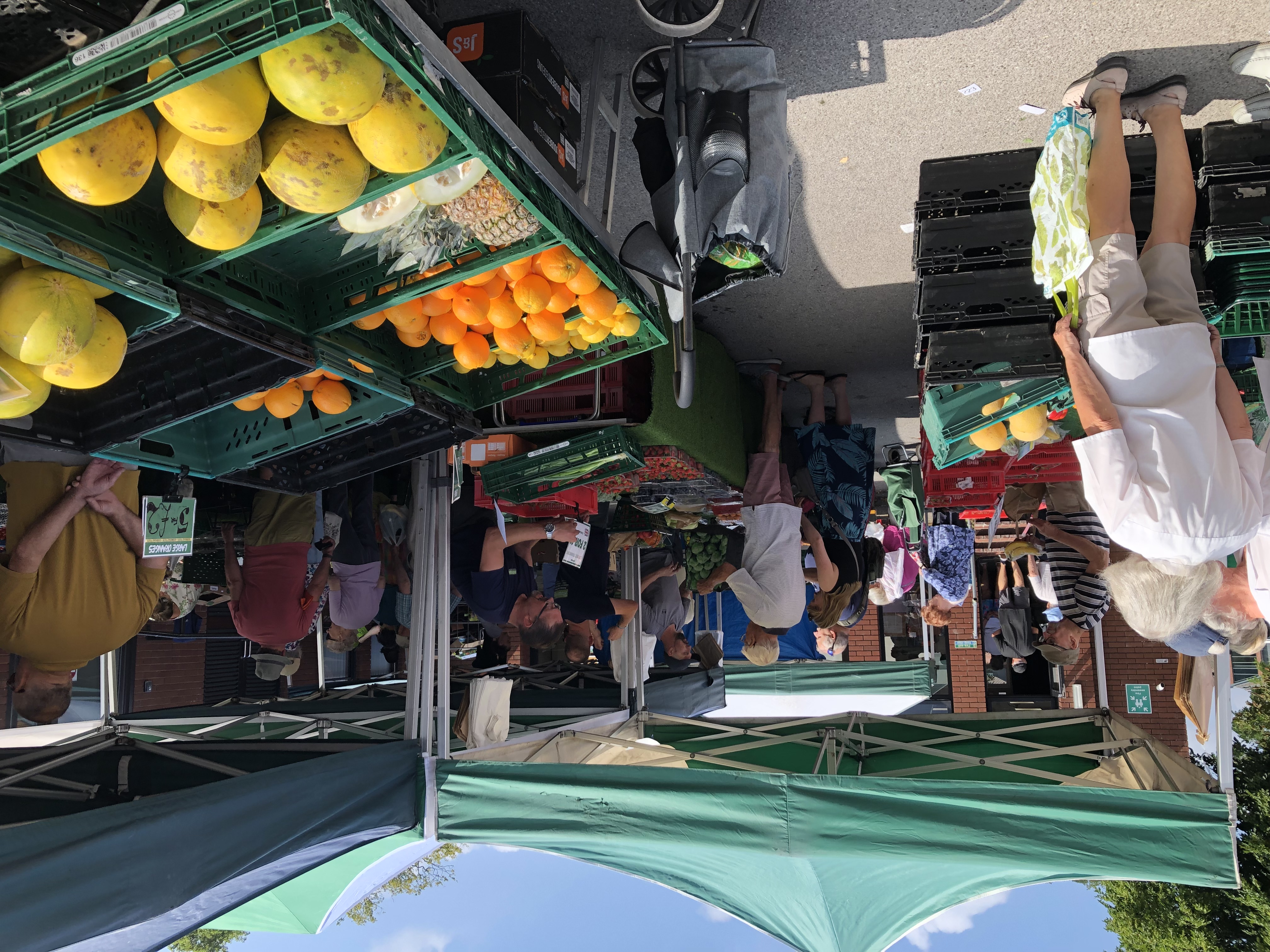
Wimborne Minster Market – A Summer Highlight for Dorset Visitors

If you’re visiting Dorset this summer, or live locally and love supporting your community and a local charity, make time to experience one of Wimborne’s true gems: Wimborne Minster Market, held every Friday from 8:00 am to 2:00 pm at the Allendale Community Centre.

More than just a market, Wimborne Minster Market is a celebration of local flavour, friendly faces, and community spirit. 

Nestled in the heart of Wimborne Minster, this lively weekly event spans two indoor halls and a vibrant outdoor area, offering:

• Fresh, fruit, vegetables and plants

• Free-range meats, fresh fish, artisan cheeses

• Baked goods, jams, chutneys, and honey

• Handmade jewellery, pottery, textiles, and crafts

• Vintage collectables, books, cards, and eco-friendly items

Whether you're hunting for gourmet treats, artisan gifts, or just a warm atmosphere, you’ll find it there.

Rooted in Tradition, Growing with the Community

Wimborne Minster Market proudly continues Wimborne’s legacy as a historic market town. After relocating to the Allendale Community Centre in 2021, the market has gone from strength to strength, offering a welcoming space for long-time stallholders and new local makers alike.

It’s much more than a shopping trip, it’s a weekly tradition, where locals and visitors connect over quality products and shared stories.

Plan Your Visit

When: Every Friday, 8:00 am – 2:00 pm

Where: Allendale Community Centre, Wimborne Minster

Parking: Ample public parking adjacent to the Centre

Accessibility: Fully accessible for wheelchairs and pushchairs

Facilities: Toilets, seating, and an on-site café

Dog-Friendly: Well-behaved dogs on leads are welcome

Top Tips for Market Day

• Arrive early (8–10am) for the best produce and quieter browsing

• Bring some cash, because although most stalls are card-friendly not all are

• Enjoy a drink or snack at the café before or after shopping

• Explore the town and local sights such as The Minster, the Model Town, or the Museum of East Dorset

Why Visitors Love It

• Warm, community-led atmosphere

• High-quality, locally sourced goods

• A true slice of Dorset life

• Perfect for summer day trips and local tourism itineraries

Foods and Supplements to Help with Recovery from COVID-19 and Similar Conditions

Recovering from COVID-19, long COVID, or other similar illnesses can be a slow and frustrating process. 

Fatigue, brain fog, shortness of breath, and muscle weakness are all common lingering symptoms. 

While rest and medical advice should always come first, your diet can play a crucial supporting role in speeding up recovery and rebuilding your strength.

Here's a look at some of the best foods and supplements to help your body heal and regain energy after a viral infection.

1. Protein-Rich Foods for Repair and Strength

Your body needs protein to rebuild damaged tissues, restore muscle mass, and support a healthy immune system. Aim to include good-quality protein sources in every meal.

Top picks:

Lean meats (chicken, turkey)

Eggs

Fish (especially oily fish like salmon or mackerel)

Greek yoghurt

Tofu, tempeh, and legumes for plant-based options

Tip: A protein smoothie with yoghurt, banana, berries, and protein powder can be an easy meal when your appetite is low.

2. Foods High in Antioxidants

Oxidative stress and inflammation can linger after a virus, especially in long COVID. Antioxidants help neutralise this stress and support immune function.

Include:

Blueberries, blackberries, oranges, and kiwi

Leafy greens like spinach and kale

Carrots, peppers, and sweet potatoes

Green tea and herbal teas like ginger or turmeric

3. Zinc and Vitamin C for Immune Support

Zinc and vitamin C are well-known immune boosters. They can also help reduce fatigue and fight off secondary infections during recovery.

Good sources:

Zinc: Pumpkin seeds, lentils, chickpeas, beef, and cashews

Vitamin C: Citrus fruits, bell peppers, strawberries, broccoli, and Brussels sprouts

Supplement option: Consider a daily multivitamin with zinc and vitamin C, especially if your diet is limited during illness.

4. Omega-3 Fatty Acids to Reduce Inflammation

Inflammation is a major cause of fatigue and muscle pain after viral infections. Omega-3s have strong anti-inflammatory properties and support heart, lung, and brain health.

Best sources:

Salmon, mackerel, sardines, and other oily fish

Chia seeds, flaxseeds, and walnuts

Algae oil (plant-based supplement)

5. Probiotics for Gut Health

Many people experience gut issues or antibiotic use during or after COVID-19. Probiotics help restore healthy gut bacteria, which can improve digestion, immunity, and even mental clarity.

Foods to try:

Live yoghurt and kefir

Sauerkraut, kimchi, miso, and other fermented foods

Supplements: A quality probiotic supplement can also be useful, particularly if you’ve been on antibiotics.

6. Magnesium and B Vitamins for Energy

Fatigue is one of the most persistent post-viral symptoms. Magnesium and B vitamins play a crucial role in energy production and nerve health.

Sources of magnesium:

Almonds, cashews, spinach, avocado, and whole grains

Sources of B vitamins:

Whole grains, eggs, dairy, meat, and nutritional yeast

Supplement support: A high-quality B-complex and magnesium glycinate can help support sleep, reduce anxiety, and improve daytime energy.

7. Hydration and Electrolytes

Don't underestimate the importance of fluids. Dehydration can worsen fatigue, dizziness, and headaches. Add a pinch of sea salt or use electrolyte tablets if you’re sweating or feeling weak.

Good hydration options:

Water with lemon or lime

Herbal teas

Coconut water

Oral rehydration solutions

Final Thoughts

Recovery from COVID-19 or any similar illness isn’t just about getting rid of symptoms – it’s about rebuilding resilience and long-term health. The right mix of nutritious foods and targeted supplements can help you bounce back stronger, both physically and mentally.

As always, consult your GP or a registered dietitian before beginning any new supplements, especially if you’re on medication or managing other health conditions.

Have you experienced long COVID or post-viral fatigue?

Let us know your recovery tips or what foods have helped you feel stronger in the comments.

Friday, 25 July 2025

Baked vs Fried Snacks: Which Is Better for You?

When it comes to choosing between baked and fried snacks, the decision is often framed around health versus indulgence. 

Fried snacks are known for their crispy texture and rich flavour, while baked options are marketed as the healthier alternative. 

But how much of that is really true? Let’s take a closer look at both options to determine which might be better for you, and when.

The Basics: What’s the Difference?

Fried snacks are cooked in hot oil, often at high temperatures. This includes crisps, chips, doughnuts, and pakoras. The oil not only cooks the food quickly but also adds significant calories and fat.

Baked snacks are cooked using dry heat in an oven, meaning little or no oil is used. Think baked crisps, puffed grain snacks, crackers, and certain cereal bars.

Nutritional Comparison

Category Fried Snacks Baked Snacks

Calories Generally higher due to oil Often lower, especially if oil-free

Fat High in saturated and trans fats Lower fat content overall

Crunch/Flavour Crispy, rich, often addictive. Can be drier but lighter

Shelf Life Shorter (unless heavily processed) Usually longer

Are Baked Snacks Healthier?

In many cases, yes. Baked snacks tend to have:

Lower total fat and fewer calories.

Less risk of containing trans fats, which are known to raise bad cholesterol and lower the good kind.

Less greasy residue and fewer empty calories.

However, not all baked snacks are created equal. Some are high in salt, sugar, or refined flour, and might not be much healthier than their fried counterparts.

But Don’t Dismiss Fried Snacks Entirely…

Fried snacks aren't inherently evil. In moderation, they can be part of a balanced diet. Homemade versions,like air-fried potato wedges or shallow-fried samosas—allow better control over oil type and quantity.

Also, some nutrients, like fat-soluble vitamins, are better absorbed with fat. A small amount of healthy fat (like olive or rapeseed oil) in cooking isn't always a bad thing.

Baking Innovations: The Rise of Air-Frying

Air fryers have revolutionised home cooking, offering a middle ground. They “fry” food with hot air and minimal oil, giving that crisp texture without the grease. It’s a popular way to enjoy chips or battered treats with significantly reduced fat.

So, Which Is Better?

For everyday snacking:

Baked snacks are generally the better choice, especially those with whole grains, seeds, or legumes and minimal additives.

For occasional indulgence:

Fried snacks can have a place, just aim for smaller portions and choose healthier oils when cooking at home.

Top Tips for Smarter Snacking

Check nutrition labels—don’t be fooled by “baked” alone.

Watch out for salt and sugar levels in both varieties.

Opt for snacks with fibre and protein to feel fuller for longer.

DIY your own snacks when possible, oven-roast chickpeas or make kale crisps for a healthy crunch.

Final Thoughts

The choice between baked and fried snacks doesn’t have to be black and white. It’s all about balance, awareness, and quality. Baked snacks often win on the health front, but an occasional fried treat, especially one you’ve made yourself, is nothing to feel guilty about.

What’s your go-to snack? Baked or fried? Let us know in the comments below!

Simpler Recycling: What’s Changing for Households from 31 March 2026

1. Unified Core Recycling Services

By 31 March 2026, all local authorities in England must provide a consistent set of recyclable materials for household collection: glass, metal, plastic, paper and card, and food waste (plus garden waste where applicable). 

This means wherever you live in England, you’ll put the same items into the same bins,  ending the confusing postcode lottery that currently exists 

2. Weekly Food Waste Collections

Most households will receive weekly collections of food waste, either separate or combined with garden waste, addressing the high contamination rate caused by food in dry recycling bins. Exceptions may apply if your council has a transitional arrangement permitting a later start date

3. At Least Fortnightly General Waste (Residual Waste)

Your non‑recyclable waste will continue to be collected at least once every two weeks. Frequency beyond this may be at the discretion of your council 

4. Standardisation to Up to Four Bins Per Household

Rather than the current patchwork system — with some councils issuing up to ten different containers — the new model standardises on up to four bins or bags:

Residual (general) waste

Food (or food + garden) waste

Paper and cardboard recycling

Mixed other recyclables (glass, metal, plastic)

Councils can adapt this for households with limited space or practical constraints—but only after a proper assessment 

What This Means for Your Everyday Life

Simpler and clearer sorting: All households follow the same rules – no more trying to memorize variations from borough to borough.

More collections, especially for food waste, promise fresher, less smelly bins and reduced contamination.

Potential for more bins: You may get additional containers if your council didn’t already provide them. If space is tight, councils must evaluate whether fewer containers are viable.

New types of waste collected: Paper and cardboard must now be separated from other recyclables unless your council has a valid exemption.

Reduced illegal dumping: Standardisation and better enforcement aim to cut fly‑tipping and waste crime.

Preparing for 2026: What Households Should Do

Check with your local council as we approach the 2026 deadline for details on bin changes, timing, and whether transitional arrangements apply.

Get familiar with sorting instructions, especially separating paper/card from glass/metals/plastic, and keeping food waste separate.

Plan for storage: Many households will need to accommodate up to four bins, so think where they’ll go.

Stay informed of any trial schemes being rolled out already, for instance, some councils are already starting glass recycling earlier than the 2026 date 

Wider Legislation and Future Phases

Year Key Requirement

Mar 2025 Businesses with 10+ employees must separate recycling (food, dry recyclables, paper/card) 

Mar 2026 Mandatory rollout for all households in England, including food waste collections 

Mar 2027 Plastic film (e.g. soft plastics, bags, wrapping) added to kerbside collections for households and businesses across England 

These reforms are aligned with wider policies like Extended Producer Responsibility (EPR) from October 2025 and a Deposit Return Scheme for drink containers due by 2027 

In Summary: Benefits and Challenges

Benefits:

Simpler, uniform recycling rules across England

Reduced contamination and improved recycling quality

Greater frequency of food waste collection

Moves the country closer to its 65 % recycling target and carbon reduction goals

Challenges:

Some councils and households may face logistical difficulties implementing weekly and segmented collections

Storage space for up to four containers may be limited in flats or terraced homes

Councils must manage assessments and exceptions responsibly

In essence, these 2026 changes mark a significant shift toward clarity, consistency and improved recycling across the country. While the transition will take planning and adaptation, the long‑term benefits for both the environment and local waste systems are substantial.

Beerpig Fresh Pork Scratchings: A Crispy Revolution

Step aside stale, packet scratchings, Beerpig has transformed the classic pub staple into a truly gourmet experience.

History & Origins

Founded in 2019 by two entrepreneurs from Rotherham, Beerpig emerged when co‑founder John Walker discovered that warming pork scratchings significantly enhanced their flavour. 

What started as a kitchen experiment evolved into supplying scratchings warmed straight from a purpose‑built cabinet in over 250 UK pubs. Including one my wife and I were visiting today when we first found out about Beerpig pork scratchings. 

Even during the pandemic they pivoted swiftly to online sales and Amazon, earning rave reviews and expanding rapidly 

What Makes Them Special?

Double hand‑cooked from premium British pork rind for peak crispness and flavour 

Served warm in pubs, reaching you at around 50 g portions directly from a Beerpig warmer 

Available in eye‑catching 675 g presentation jars or refills in 500 g and 1 kg bags, perfect as a gift or for sharing at home 

shop.thegreenshopsheffield.co.uk

Tasting Notes

Expect a rich, golden crunch with each and every bite. Beerpig scratchings are high‑protein, low‑carb, and lighter than you’d think, thanks to their carefully balanced fat content.

From Amazon reviews, fans love the texture and value, though a few pieces may be softer inside the curl, most pieces are crispy and flavourful. The jar is often described as handy to reuse, too 

Serving Suggestions

Warmed in‑pub via Beerpig’s custom cabinet, served in porcelain dishes to cut plastic use and enhance presentation 

At home, open the jar and nibble straight from it—great for pairing with ales or craft beers, or even repurposing crushed scratchings in cooking 

Innovation meets tradition: warm scratchings bring a modern twist to a classic snack

Consistently high quality: from sourcing to cooking and serving

Gift appeal: the presentation jars have proven popular as unique and well‑received gifts 

Beerpig’s fresh pork scratchings offer a crunchy, flavour‑packed snack experience that elevates the classic pub favourite. Whether warmed in a bar or enjoyed at home, they strike a perfect balance of tradition, quality, and innovation. Ideal for sharing, gifting—or simply crunching solo with a pint in one hand.

https://www.beer-pig.co.uk

From Inexpensive Supper to Splurge: How Fish and Chips Went from Working-Class Staple to Luxury Treat

There was a time, not so long ago, when fish and chips was the humble, reliable favourite of the British working class. 

It was warming, filling, and cheap enough to feed a family on a Friday night or after a long shift at the docks, mines, mills or steelworks.

So important was fish and chips to the morale of the nation that it was famously the only foodstuff not rationed during the Second World War, a status shared by very few foodstuffs. 

But fast forward to 2025, and fish and chips are more likely to be a special treat than a regular meal. With prices soaring, what was once a pocket-money supper now feels like a minor indulgence.

Wartime Comfort, Post-war Tradition

Fish and chips have long held a symbolic place in British food culture. Cod and haddock, deep fried in crispy batter and served with thick-cut chips, were a reassuring constant through turbulent times. During WW2, they were spared rationing to keep public spirits up. Queues outside chippies often snaked down the street, and even Winston Churchill is said to have praised the dish for keeping the nation fed and focused.

After the war, the dish remained a staple, especially in working-class households. It was fast, affordable, and satisfying – a taste of continuity amid the rubble of austerity Britain. Even into the 1980s and early 90s, the chippy tea remained a mainstay of British life.

So What Changed?

Several factors have contributed to the transformation of fish and chips from everyday meal to occasional luxury:

1. Rising Costs of Ingredients

The most obvious culprit is price. Cod and haddock stocks have been under pressure for years, with sustainable fishing quotas tightening supply. Add to that Brexit-related complications in sourcing fish from European waters and rising fuel costs for trawlers, and the cost of fish has skyrocketed.

Potatoes, too, have seen dramatic increases in cost due to extreme weather patterns, labour shortages, and transport issues. And let’s not forget cooking oil – a once-cheap commodity now subject to global price volatility.

2. Energy and Labour Costs

Running a fish and chip shop is energy-intensive. The fryers require constant high heat, and in an age of surging energy bills, that’s a serious expense. Meanwhile, recruitment difficulties and the rising minimum wage have added labour costs to the mix, particularly for small, independent shops.

3. Changing Tastes and Expectations

Today’s diners expect more than just a paper-wrapped portion. Many chippies now offer sit-in dining, artisan sauces, ethically sourced ingredients, and craft beer pairings. 

The trend towards “posh” fish and chips has elevated the product – but also the price tag. You can now pay at least £15–£20 for a portion that might have cost £4 only twenty years ago.

4. Sustainability and Sourcing

Consumers are increasingly concerned with where their food comes from. Sustainable sourcing is vital – but it comes at a premium. Certified sustainable fish costs more, and many shops now avoid species like cod in favour of more abundant alternatives, sometimes with mixed reactions from traditionalists.

The Emotional Price of Nostalgia

It’s not just the monetary cost that’s changed – it’s the cultural shift. Fish and chips used to be democratic: the same meal, wrapped in the same paper, whether you were in Birmingham or Blackpool. Today, that sense of shared experience has faded. While some towns still boast old-school chippies with vinegar-soaked counters and mushy peas in Styrofoam tubs, many have closed or reinvented themselves as upmarket eateries.

For older generations, this shift feels like a loss. For younger ones, fish and chips might be more of a seaside novelty than a weekly staple.

A Future for the Chippy?

There is still hope for the great British chippy. Some are leaning into tradition, others into reinvention. Community support, sustainability efforts, and clever marketing (think themed nights, vegan options, or nostalgic promotions) are helping some shops to survive, even thrive.

But the era of fish and chips as a cheap, everyday meal is, for the most part, behind us. What remains is the flavour of history: a reminder of resilience, of working-class pride, and of how something simple can mean so much.

What are your memories of fish and chips? Have prices in your area shot up recently? Do you still indulge? Let us know in the comments – and support your local chippy!

Thursday, 24 July 2025

Michelin-Starred Àclèaf Debuts 7-Course Tasting Menu

Àclèaf, the MICHELIN-starred restaurant located within historic Boringdon Hall Hotel in Devon, is excited to introduce its latest culinary innovation: a 7-course tasting menu curated by Head Chef Scott Paton, which will also include an optional sparkling wine pairing with each course.

The new tasting menu acts as an evolution of Àclèaf's core four-course format, which remains central to the restaurant's identity since its inception, as the team felt that three courses were too brief to convey their full expression of hospitality, and this new extended menu allows guests to experience a broader showcase of Paton's MICHELIN-starred cooking.  

Since being awarded its first MICHELIN Star in 2023, a distinction Àclèaf has retained each year, the restaurant has quickly become a cornerstone of the Southwest's fine dining scene. Paton has also recently been nominated for Best Chef at the Food Lifestyle Awards, further cementing his reputation as one of the UK's most thoughtful culinary voices.

Head Chef Scott Paton shared his inspiration behind the menu, telling That's Food and Drink: “At Àclèaf, we've dedicated ourselves to heritage flavours, presented with a restrained, sympathetic style. 

"This new tasting menu is the next evolution of that journey. We invite guests to experience a true expression of time and place, through world-class ingredients, hyper-seasonal produce, and our enduring ethos: truth with elegance.”

Set in the intimate, atmospheric setting of a 16th-century manor, Àclèaf's new tasting menu is a carefully curated journey through British provenance, with global technique and sparkling pairings designed to elevate each course. Wines are hand-selected from leading sparkling regions, such as Champagne, Kent, and Rías Baixas—bringing an added dimension to the experience.

Sample Pairing Menu:

SNACKS – paired with Blanc de Blancs, Kent

CAVIAR, tuna, sesame – paired wth Albariño Espumoso, Rías Baixas

TURBOT, green chilli, yuzu – paired with “Grains de Celles”, Champagne

QUAIL chantrelle, alb – paired with Brut, Kent

HIGHLAND WAGYU, perigordeux – paired with Blanc de Noirs, Kent

PEACH crème fraîche, raspberry – paired with Junmai Ginjo, Akashi

CHOCOLATE Nicolas Berger, pistachio – paired with 'Le Terroir', Champagne

Pricing: £180 per person (whole table only) + optional wine pairing additional £120 per person

Optional cheese course: £20 per person.  * Please note this tasting menu is not available for additional dietary requirements. 

Take Àclèaf Home  For those inspired by the experience, The Àclèaf Book offers the chance to continue the journey beyond the table. Featuring recipes, creative insight, and the story behind the restaurant's evolution—from early concept to MICHELIN-starred kitchen—it invites readers into Àclèaf's world. Whether as a personal keepsake or gift for a fellow food lover, it's a beautifully crafted tribute to the people, produce, and philosophy behind every dish.

Reservations for Àclèaf and Boringdon Hall: 01752 344455 or via Àclèaf.com or boringdonhall.co.uk

Celebrate International Friendship Day with Food, Drink and a Friendly Party

International Friendship Day, celebrated on the 30th July every year, is the perfect excuse to gather your best mates, share some great food and drink, and remind each other just how much those bonds mean. 

Whether you’ve been friends since childhood or only recently connected over shared hobbies or work, it’s time to raise a glass (and a fork) to friendship!

Here’s how to throw the perfect Friendship Day celebration filled with warmth, laughter, and deliciousness.

Friendship on a Plate: Sharing Food, Sharing Love

Food has always been a unifier. For International Friendship Day, focus on sharing-style meals. Think platters of tapas, mezze boards, a big pasta bake, or even a make-your-own taco bar. 

Encourage each friend to bring a dish that means something to them — a family recipe, a cultural favourite, or even just their go-to comfort food.

Fun Idea: Print little cards where everyone can write what their dish is and why they chose it. It’s a great icebreaker and can lead to some lovely conversations.

Drinks That Toast to Togetherness

Whether you’re all about cocktails, mocktails, or a good cuppa, having a special Friendship Day drink adds a fun twist to the day. Try creating a “Friendship Punch” fruity, refreshing, and perfect for a crowd. Or mix up some personalised cocktails named after each guest!

For non-drinkers, stock up on artisanal sodas, fresh juices, herbal teas and sparkling water garnished with fruit and herbs. Cheers to friendship, whatever your glass holds!

Friendly Vibes Only: Setting the Mood

Make the space feel welcoming. String lights, bunting, a playlist filled with everyone's favourites, and maybe a few photos of fun memories, this is your time to get sentimental. You might even set up a “Friendship Wall” where people can pin up their favourite memory with someone at the party.

Include some light games or a friendship quiz, or even host a mini “awards” session where everyone gets a silly prize (Best Hugger, Most Likely to Reply with Memes, etc.).

Sweet Treats for Sweet Friends

No party is complete without dessert! Think cupcakes with friend-themed toppers, a big pavlova to share, or even a build-your-own sundae station. Add some edible glitter or heart sprinkles to make it extra cheerful.

You could also bake biscuits and pop them in little goodie bags for each guest to take home, a thoughtful touch that says, “Thanks for being a friend."

Don’t Forget the Message Behind the Fun

While the food and laughter are important, so is taking a moment to express gratitude. A short toast, a handwritten note, or even a simple hug can make your friends feel valued and appreciated.

In Summary…

Friendship is one of life’s greatest gifts. On International Friendship Day, why not take a little time to nurture those connections in the best way we humans know how, over food, drink, and shared joy.

So go on, throw that party, lift those glasses, pass the snacks, and remind your mates: you’re part of what makes life so good.