Wikipedia

Search results

Showing posts with label ale. Show all posts

Monday, 4 August 2025

Raise a Glass to International Beer Day: Cheers to a Global Tradition!

On the first Friday of every August, or August 5th for some traditionalists, beer lovers across the world unite to celebrate one of the oldest and most beloved beverages in human history, International Beer Day. 

What began in 2007 as a small celebration in a California bar has since grown into a global festivity, with people from over 200 cities in nearly 80 countries clinking glasses in the name of beer.

A Brief History of Beer

Beer is one of the earliest recorded recipes in the world. From ancient Mesopotamian brews to medieval monastic ales, the process of brewing and enjoying beer has evolved over thousands of years. Today, the variety is staggering—from bitter IPAs and creamy stouts to fruity saisons and refreshing lagers.

The Purpose of International Beer Day

International Beer Day isn't just about drinking (although that's certainly part of it). The celebration has three main aims:

To gather with friends and enjoy the taste of beer.

To celebrate those responsible for brewing and serving beer.

To unite the world under the banner of beer by celebrating the beers of all nations together on a single day.

How to Celebrate International Beer Day

1. Visit a Local Brewery

Support your local economy and discover unique brews by visiting nearby craft breweries. Many offer tours and tasting flights, so you can experience the brewing process and sample a range of flavours.

2. Try a New Style or Foreign Beer

Expand your palate by choosing something outside your comfort zone. Whether it's a Belgian Trappist ale, a Japanese rice lager, or a Mexican Vienna-style beer, use the day to explore the world's brewing diversity.

3. Host a Beer Tasting

Gather a few friends and turn your home into a mini beer festival. Pick up an assortment of local and international beers, create some tasting notes, and pair them with cheeses, meats, or pub-style snacks.

4. Raise a Toast to the Brewers and Bartenders

Don’t forget the people behind the pints. Whether it’s your favourite bartender at the local or a hardworking craft brewer, a quick thanks (and maybe a tip) goes a long way.

Beer and British Culture

In the UK, beer is more than just a drink—it’s a social glue. From the snug corners of ancient country pubs to bustling urban taprooms, beer has long played a central role in our cultural and community life. British real ales, IPAs, bitters, and porters continue to influence brewers worldwide.

International Beer Day is a great excuse to rediscover classics like:

London Pride

Timothy Taylor’s Landlord

St Austell Tribute

Thornbridge Jaipur

Beavertown Gamma Ray

Or delve into the newer craft scene with beers from Cloudwater, Verdant, or Northern Monk.

Drink Responsibly and Celebrate Mindfully

As always, moderation is key. International Beer Day is a celebration of culture, craftsmanship, and community—not overindulgence.

So, this August, whether you're enjoying a cold pint in your local, sipping a rare find in a craft bar, or simply relaxing with a few bottles at home, take a moment to appreciate the rich history and global unity that beer represents.

Cheers to International Beer Day!

Friday, 25 July 2025

Beerpig Fresh Pork Scratchings: A Crispy Revolution

Step aside stale, packet scratchings, Beerpig has transformed the classic pub staple into a truly gourmet experience.

History & Origins

Founded in 2019 by two entrepreneurs from Rotherham, Beerpig emerged when co‑founder John Walker discovered that warming pork scratchings significantly enhanced their flavour. 

What started as a kitchen experiment evolved into supplying scratchings warmed straight from a purpose‑built cabinet in over 250 UK pubs. Including one my wife and I were visiting today when we first found out about Beerpig pork scratchings. 

Even during the pandemic they pivoted swiftly to online sales and Amazon, earning rave reviews and expanding rapidly 

What Makes Them Special?

Double hand‑cooked from premium British pork rind for peak crispness and flavour 

Served warm in pubs, reaching you at around 50 g portions directly from a Beerpig warmer 

Available in eye‑catching 675 g presentation jars or refills in 500 g and 1 kg bags, perfect as a gift or for sharing at home 

shop.thegreenshopsheffield.co.uk

Tasting Notes

Expect a rich, golden crunch with each and every bite. Beerpig scratchings are high‑protein, low‑carb, and lighter than you’d think, thanks to their carefully balanced fat content.

From Amazon reviews, fans love the texture and value, though a few pieces may be softer inside the curl, most pieces are crispy and flavourful. The jar is often described as handy to reuse, too 

Serving Suggestions

Warmed in‑pub via Beerpig’s custom cabinet, served in porcelain dishes to cut plastic use and enhance presentation 

At home, open the jar and nibble straight from it—great for pairing with ales or craft beers, or even repurposing crushed scratchings in cooking 

Innovation meets tradition: warm scratchings bring a modern twist to a classic snack

Consistently high quality: from sourcing to cooking and serving

Gift appeal: the presentation jars have proven popular as unique and well‑received gifts 

Beerpig’s fresh pork scratchings offer a crunchy, flavour‑packed snack experience that elevates the classic pub favourite. Whether warmed in a bar or enjoyed at home, they strike a perfect balance of tradition, quality, and innovation. Ideal for sharing, gifting—or simply crunching solo with a pint in one hand.

https://www.beer-pig.co.uk

Wednesday, 23 July 2025

Discover the Charm of Joules Pubs: A West Midlands Must-Visit for Food and Ale Lovers

If you find yourself in the West Midlands and have a hankering for hearty food, brilliant beer, and a quintessentially British pub experience, there’s one name you should absolutely seek out – Joules.

Steeped in tradition and brimming with character, Joules Brewery is a proudly independent Shropshire-based brewery with deep roots in the region's brewing heritage. 

Their distinctive red cross logo  is an ancient marker of quality and finding it outside a pub is a good sign you’re in for something special.

A Slice of History in Every Sip

The Joules name dates back to 1758, making it one of the most storied breweries in the UK. After a brief hiatus, the brewery was revived in Market Drayton in the early 2000s, where it continues to produce award-winning ales using traditional methods and local ingredients.

Their beers pay homage to the past while embracing the present – from the classic Joules Pale Ale, a crisp and refreshing drink with subtle hoppy bitterness, to the rich and smooth Slumbering Monk, a full-bodied favourite that’s perfect for cooler evenings.

Don’t Miss: Green Monkey

One of the stars of the Joules lineup is Green Monkey, a clean, continental-style lager with a cheeky name and a serious fan base. Brewed with natural mineral water and fine hops, it’s incredibly drinkable and pairs beautifully with food – particularly fish and chips, burgers or anything grilled.

Joules pubs also serve a variety of IPAs, stouts and seasonal brews that rotate throughout the year. Whether you prefer something light and citrusy or dark and malty, there’s always something interesting on tap. And they have a fine range of wines, spirits and non-alcoholic drinks, too.

Food that Feeds the Soul

While Joules may be known for their beer, don’t overlook the food. Joules pubs focus on locally sourced ingredients, classic British dishes, and generous portions. Expect to find everything from homemade pies and Sunday roasts to artisan burgers, ploughman’s lunches and vegetarian specials. The menus vary slightly from pub to pub, giving each one a unique flavour.

Some even offer beer-infused dishes – think steak and ale pie made with Joules’ own brew, or ale-battered fish served with hand-cut chips and mushy peas.

A Pub Experience Like No Other

Walking into a Joules pub is like stepping into a cosy, character-filled haven. They take pride in restoring historic pubs or building new ones that echo traditional styles – complete with oak beams, open fires, flagstone floors and a welcoming atmosphere.

They’re not part of a faceless chain. Each Joules pub has its own identity, with friendly staff, thoughtful décor and a real sense of place. Dogs and muddy boots are often welcome, and you’ll find everything from quiz nights to acoustic sessions depending on where you go.

Where to Find Joules Pubs

While Joules Brewery is based in Market Drayton, you’ll find their pubs dotted around Staffordshire, Shropshire, the Black Country, Cheshire and into Wales, ideal for a detour during a Midlands countryside walk, a day out in a market town, or even a short pub crawl in a historic village.

Some popular Joules pubs include:

The Crown Wharf (Stone) – a striking canalside venue with great views and even better beer

The Henry Tudor Inn Barracks Passage, Wyle Cop, Shrewsbury

The Red Lion (Market Drayton) – the original Joules Tap House, bursting with charm and history

The Cock Hotel, Wellington, Shropshire, an ancient coaching inn

The New Inn, Newport, Shropshire,

The Red Lion, Jewellery Quarter, Birmingham

The Cross Keys, Chester

The Royal Oak, Wrexham, Wales

To check out the 40+ tap houses visit https://www.joulesbrewery.co.uk/our-taphouses

Joules pubs are a true Midlands treasure. They combine heritage, hospitality and hand-crafted brewing in a way that few other pub groups can match. Whether you’re a beer aficionado, a lover of British pub culture, or simply someone looking for a very good meal in good company, a Joules pub is always worth seeking out.

So next time you’re in the West Midlands, follow the red cross – and raise a glass to one of Britain’s finest independent breweries. Cheers!

https://www.joulesbrewery.co.uk

Thursday, 10 July 2025

Why You Need to Try Fruit Beers and Lagers This Summer

When the sun's out and you're reaching for a refreshing drink, it’s time to think beyond your standard lager or IPA. 

Enter the vibrant world of fruit beers and lagers, a flavourful twist on traditional brews that’s perfect for summer sipping, BBQs, picnics, or simply relaxing in the garden.

Here’s why you should give fruit beers and lagers a go – even if you’ve always thought you were strictly a pale ale or stout person.

1. They’re Surprisingly Refreshing

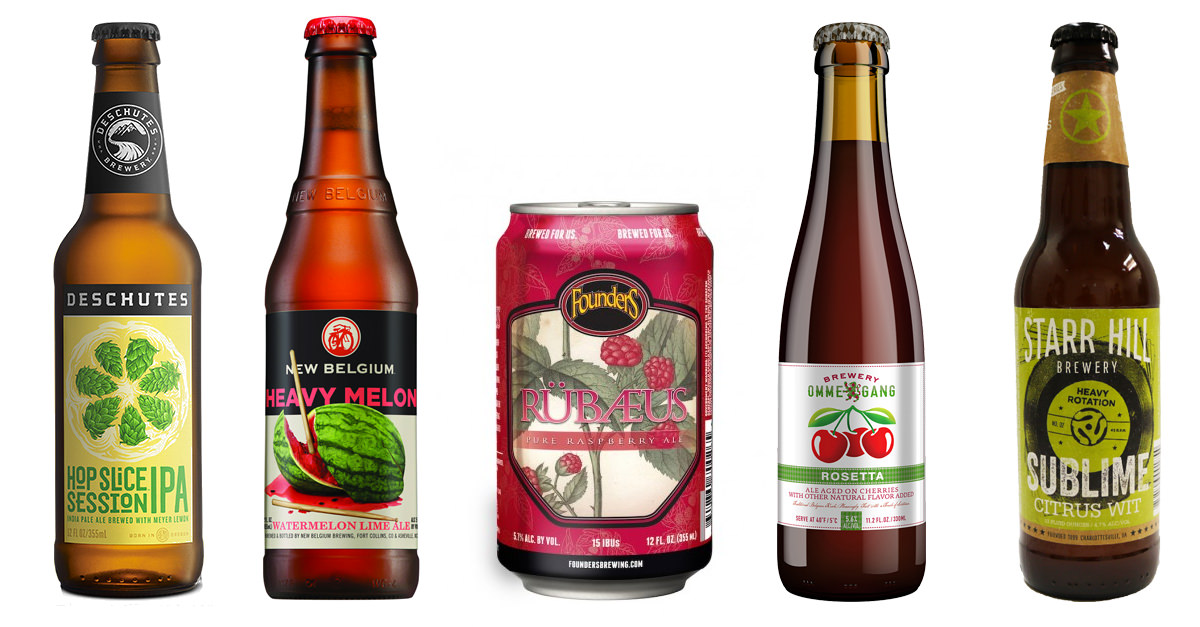
Fruit beers and lagers often have a lighter body and crisp finish, making them incredibly refreshing. The addition of fruit adds a subtle sweetness or tartness that can cut through the heat and keep your palate dancing. Think lemon, cherry, raspberry, passion fruit, or even mango, perfect flavours to cool down on a warm day.

2. Great for People Who "Don’t Like Beer"

Not everyone enjoys the bitterness of hops, and that’s okay! Fruit beers often have a more accessible flavour profile, appealing to those who usually lean towards ciders, cocktails, or even soft drinks. If you’re trying to get a friend into craft beer, fruit-infused brews are a gentle gateway.

3. They Pair Brilliantly with Food

Fruit lagers and beers are great for pairing with food, especially during summer. A cherry beer with dark chocolate, a citrus lager with grilled chicken, or a berry-flavoured ale with a fresh salad can elevate your meal into a proper culinary experience.

4. Breweries Are Getting Creative

From big names to small independents, brewers are experimenting more than ever with fruit additions. Expect everything from classic Belgian-style krieks (cherry beers) to adventurous watermelon wheat beers or strawberry milkshake IPAs. There’s something for every taste, whether you want sweet, sour, juicy, or tropical.

5. Ideal for Outdoor and Social Drinking

Light, sessionable fruit beers are ideal for garden parties, beer gardens, and festivals. Lower in alcohol than heavier brews, they’re made for sipping over long afternoons with friends.

6. They're Beautiful in the Glass

Let’s not pretend looks don’t matter. Many fruit beers come in stunning shades of pink, red, amber or even purple – a feast for the eyes before you’ve even taken a sip. Garnish with fruit or serve in a chilled glass, and you've got a drink that’s Instagram-ready.

Where to Start

If you're ready to dip your toes into the fruity beer world, here are a few classic and crowd-pleasing options:

Lindemans Kriek (Belgium) – A cherry lambic with a tart, slightly sweet edge.

Tiny Rebel’s Clwb Tropica (Wales) – A tropical fruit IPA bursting with flavour.

Camden Town Strawberry Hells (UK) – A limited-edition twist on their popular lager.

Fruli Strawberry Beer (Belgium) – Smooth, creamy and sweet like strawberry shortcake in a glass.

Wiper and True’s Kaleidoscope with fruit editions (Bristol) – Complex and juicy.

Final Thoughts

Fruit beers and lagers are far more than a gimmick. They’re a legitimate category of craft brewing that brings variety, creativity and excitement to your glass. Whether you’re a seasoned beer lover or just exploring your tastes, trying a fruit-infused beer could surprise you – in the best way possible.

This summer, raise a glass to flavour. Try something fruity. You just might find your new favourite.

Wednesday, 11 June 2025

Cheers to Beer Day Britain! Raising a Glass to Our National Tipple

Every 15th of June, pubs, breweries, beer lovers, and ale aficionados across the country unite to say one thing: Cheers to Beer! 

It’s Beer Day Britain, the UK’s national beer day — a celebration of our long and proud brewing heritage, our vibrant pub culture, and the sheer joy of sharing a pint with friends.

Why We Celebrate Beer Day Britain

Beer Day Britain was launched in 2015 to coincide with the 800th anniversary of the Magna Carta — a document that even mentioned beer! Since then, it’s become an annual tradition where Brits come together to toast the drink that’s been a part of our lives, our history, and our communities for centuries.

From hearty pints of traditional bitters in countryside pubs to crisp craft lagers brewed in hipster London taprooms, the British beer scene is more diverse and dynamic than ever.

The 7pm National Cheers

One of the highlights of Beer Day Britain is the 7pm "Cheers to Beer!" toast, where beer lovers up and down the land (and even abroad) stop to raise a glass and post photos on social media using #CheersToBeer. It’s a moment of national unity — with a hoppy twist.

British Beer: A Brief Love Story

Britain has long been a global leader in beer innovation and tradition. Some of the best-known beer styles in the world — like India Pale Ale (IPA), Porter, and Pale Ale — originated on these isles. Even now, with more than 2,000 breweries across the UK, we’re experiencing a renaissance in craft brewing that rivals any in the world.

From well-loved regional breweries like Timothy Taylor’s and Adnams to bold newcomers like BrewDog and Verdant, there’s a beer out there for every palate.

How to Celebrate Beer Day Britain

1. Visit your local pub or brewery: 

Support your local by popping in for a pint. Many venues hold special events, taster nights, or live music.

2. Try a new British beer: 

Whether it’s a ruby mild from Yorkshire or a juicy modern IPA from Bristol, take a chance on something new and homegrown.

3. Pair your beer with food: 

Beer and food pairings are trending — think classic fish and chips with a crisp lager, or a rich stout with dark chocolate cake.

4. Say “Cheers to Beer!” 

at 7pm: Join in the national toast and share your snaps online using #BeerDayBritain and #CheersToBeer.

5. Learn the history: 

Read about the role beer played in British history, from medieval ales to industrial brewing and CAMRA’s Real Ale revolution.

Celebrating Responsibly

Beer Day Britain is about joy, community, and pride in our national drink — but it's also a reminder to enjoy alcohol responsibly. Know your limits, drink water between pints, and never drink and drive.

Here's to Beer, Britain! 

Whether you’re sipping a classic bitter at your local, cracking open a can of craft beer at home, or just joining in the 7pm toast, Beer Day Britain is a time to celebrate one of our country’s finest traditions. So raise your glass and say it loud:

“Cheers to Beer!”

That's Food and Drink will be joining in the celebrations, too.

Wednesday, 28 May 2025

Brum! Brum! The Great British Beer Festival returns for 2025 and will be hosted at a brand-new location

Hailed as the UK’s most popular beer festival and hosted by the Campaign for Real Ale (CAMRA), it takes place this year for the first time at Birmingham’s iconic National Exhibition Centre (NEC) from 5 to 9 August.

Leaving the UK’s capital city after a successful 34-year stint in London, the festival’s new location makes it even easier for festival goers to raise a glass and explore the many drinks on offer.

CAMRA has been running beer festivals on this scale for 50 years, with the first four-day event taking place in 1975 at Covent Garden

The first Great British Beer Festival was held back in 1977 at Alexandra Palace. 

With tens of thousands planning to attend, the festival – which is part of CAMRA’s mission to bring together beer-lovers – will feature in excess of 500 cask and other beers, a dedicated cider and perry bar, ‘no and low’, wine and cocktails - catering for everyone. 

These are provided from renowned UK and international breweries including St Austell Brewery, Brains Brewery, Green Duck Beer Co, Harvey’s Brewery, Greene King, Siren and Thornbridge, as well as Birmingham-based Attic Brew Co.

Campaigning since 1971, CAMRA has been the leading light in ensuring quality cask beer, cider and perry can be enjoyed in pubs across the UK, while celebrating pubs, pints and people.

Alongside its famous selection of pints, attendees will also be able to enjoy a selection of food and snacks, as well as a variety of entertainment including live music in the afternoons and evenings.

And the winner of CAMRA’s much-coveted Champion Beer of Britain competition will be unveiled at the festival, with the winning beers available at the event.

Beer and pub lovers can also join the campaign, getting involved in CAMRA’s vital work, aimed at protecting pubs, protecting pints and championing people. There is also the chance to meet brewers at the Discovery bar, learning more about beer.

For non-beer drinkers, a wide array of ‘low and no’ alcohol drinks will be on offer, along with hot and cold drinks meaning there’s something for the whole group — or the designated drivers.

Adam Gent, CAMRA's Great British Beer Festival Organiser, told That's Food and Drink: “At CAMRA, we’re proud to stand for beer drinkers and pub-goers across the UK. 

"We know that pubs are a vital social centre for many and are passionate about promoting real, good-quality beer, cider and perry."

Adam went on to say: “The Great British Beer Festival is a fantastic way to bring people together and has played a leading role for more than half a century in our successful campaigning to protect our pubs and champion cask beer.

“Whether you’re a seasoned beer enthusiast or just curious to try something new — we’ll have more than 500 drinks across a range of styles to choose from, so you’re sure to find something you love. And after a year off, we’re delighted to be bringing the festival back bigger and better than ever at the iconic NEC in Birmingham, so let's raise a glass!”

To secure your tickets to the Great British Beer Festival and stay up to date with future events and campaigns from CAMRA, visit: www.camra.org.uk

Monday, 7 April 2025

Cornish Firebrand Brewing Co. Launches New Father's Day Gift Box

Looking for an interesting and different Father's Day gift this year? Firebrand Brewing Co. has just launched a brand new Father's Day Gift Box packed with its summer favourites plus a branded glass to ensure Dad enjoys his beers in style.

Father's Day Gift Box (£29.00 from www.firebrandbrewing.co.uk, includes free shipping)

This fantastic gift box contains 4 cans of Summerleaze Hazy Pale, 4 cans of Helles Beach Cornish Lager and a Firebrand Brewing Co.branded ⅔rds pint mencia-style glass. Summerleaze Hazy Pale is a beer embodying the vibrant spirit of summer. 

It's brewed using a pale malt base, hopped with a copious blend of Citra and Nectaron for an explosion of fruity flavour with waves of peach and citrus. 

Helles Beach Cornish Lager is biscuity and floral with a hint of spice. It's made using Cascade hops to give a subtle citrus flavour for a super satisfying finish.

Firebrand Brewing Co was forged back in 2012 in a converted milking parlour on the untamed edge of Bodmin Moor, North Cornwall. 

The idea was born from a passion for beer made using only all-natural ingredients, Cornish spring water and American hops. 

Now based in a new, purpose-built brewery in Launceston, still using only the finest ingredients and a dedication to quality, their mission is to 'Go Beyond The Usual', encouraging drinkers to explore new flavours and discover something different with every sip.

For further information on Firebrand Brewing Co. please visit www.firebrandbrewing.co.uk or follow them on Facebook and Instagram. 

Friday, 18 October 2024

Why Now Is the Perfect Time for Brewers to Experiment: Defying Tradition in the Beer World

The world of beer is undergoing a significant transformation. From small craft breweries to larger, more established brands, the time has come for brewers to break free from tradition and start experimenting with bold, new ideas. 

In a market where consumers are increasingly seeking out unique flavours and unconventional styles, sticking to the old, established order is no longer enough to capture attention or stand out in the crowd.

Whether you’re a small independent brewer or part of a larger brewing company, embracing innovation and experimentation can open up exciting opportunities to attract new audiences, push creative boundaries, and redefine what beer can be. 

Here’s why now is the perfect moment to make experimental beers that defy the old rules of brewing.

Changing Consumer Tastes

Beer drinkers today are more adventurous than ever before. No longer content with simply choosing between lagers and ales, they are on the lookout for distinctive, memorable experiences. Consumers are willing to explore unconventional ingredients, experimental brewing methods, and fusion styles that blend flavours from different parts of the world. The success of sour beers, barrel-aged brews, and hybrid styles like milkshake IPAs are clear indicators of this trend.

This shift towards curiosity and open-mindedness has created an ideal environment for brewers to experiment. Whether it’s adding unexpected ingredients like spices, fruits, or even coffee, or trying new fermentation techniques, there’s now an appetite for beers that push boundaries. Consumers are eager to taste something new, and brewers who take risks are more likely to capture their imagination.

The Craft Beer Movement: A Hotbed of Innovation

The craft beer movement, which has exploded in popularity over the last decade, has paved the way for experimental brewing to thrive. Small, independent brewers have been at the forefront of innovation, creating beers that challenge traditional styles and expectations. These brewers have proved that there’s room in the market for creativity, turning once-niche styles like hazy IPAs and barrel-aged stouts into mainstream sensations.

Larger breweries, once more risk-averse, are now realising the importance of keeping up with the craft beer revolution. To stay relevant in this evolving market, even established brands are beginning to experiment with small-batch releases, seasonal brews, and collaborations with craft brewers. The walls between “craft” and “mainstream” are crumbling, and innovation is being embraced across the board.

Breaking Free from Tradition

For centuries, beer styles have followed fairly rigid guidelines. A stout should taste like a stout, a lager like a lager, and so on. However, these boundaries are increasingly being blurred as brewers combine different brewing traditions and experiment with unconventional approaches.

Now is the time to move beyond the idea that beer needs to fit neatly into predefined categories. Brewers can mix elements of different styles or borrow techniques from other sectors, like winemaking or distilling, to create new, hybrid beers. For example, the trend of "pastry stouts" has brought dessert-like flavours to traditionally strong, dark beers, while "brut IPAs" take inspiration from Champagne to deliver a dry, crisp finish in a beer.

By breaking free from these traditions, brewers can redefine what beer is and open up a world of new possibilities.

Pushing Sustainability Through Innovation

In addition to consumer demand for exciting flavours, there’s also a growing awareness around sustainability. Experimentation in brewing is not just about taste—it’s also about finding more sustainable and ethical ways to produce beer. Brewers are increasingly looking for ways to reduce their environmental impact, whether through sourcing local ingredients, reducing water usage, or finding creative ways to repurpose waste materials.

By experimenting with alternative ingredients or sustainable practices, brewers can appeal to a more eco-conscious audience. Whether it’s using surplus bread to brew beer or experimenting with ancient grains that require less water, these innovations can set brewers apart while making a positive environmental impact.

Collaborations: The Power of Creative Synergy

One of the most exciting developments in modern brewing is the rise of collaborations between brewers, both large and small. When brewers come together to create experimental beers, they can combine their expertise and push each other to think outside the box. These collaborative brews often result in beers that are more daring, inventive, and complex than what either brewer might create alone.

Collaborations also create a buzz in the beer community, attracting attention and drawing in drinkers who are eager to try the results of two (or more) brewing minds coming together. They also provide an opportunity for smaller brewers to work with larger brands, reaching new audiences while maintaining their independent identity.

Embracing Experimentation: What’s Next?

For brewers, the possibilities of experimentation are nearly endless. Here are just a few areas where brewers are already pushing the boundaries—and where future innovation is likely to continue:

Unconventional Ingredients: From tropical fruits to spices, chilli peppers, or even seaweed, brewers are exploring new flavours and creating beers that challenge the traditional palate.

Barrel-Aged and Wood-Influenced Beers: Ageing beer in barrels traditionally used for spirits like whisky or rum creates rich, complex flavours. Brewers are also experimenting with different types of wood to impart unique tastes into their brews.

Wild Fermentation: While traditionally seen as risky or unpredictable, wild fermentation is becoming more popular as brewers embrace the complexity it can bring. The use of wild yeasts, like Brettanomyces, can create beers with funky, sour, or fruity characteristics.

Alcohol-Free Innovation: With the rise in demand for low and alcohol-free options, brewers are experimenting with how to produce beers that retain full flavour without the alcohol. These beers are no longer afterthoughts but are being crafted with the same creativity and care as their higher-ABV counterparts.

Conclusion

For both small craft brewers and larger, established breweries, now is the time to embrace experimentation. Consumer tastes have evolved, with more people seeking out exciting, unconventional beers that break away from the old, established order. The craft beer revolution has opened up opportunities for innovation, and the market is ripe for brewers who are willing to take risks.

By experimenting with new ingredients, brewing techniques, and sustainable practices, brewers can not only satisfy the growing demand for unique and adventurous beers but also redefine what beer can be. Whether you’re a small independent brewer or part of a larger brand, now is the perfect moment to break free from tradition and start creating the next wave of experimental beers that will captivate drinkers for years to come.

Friday, 4 October 2024

Hosting Cake and Ale (or Cake and Coffee) Parties to Raise Funds for Charity

One of the most enjoyable ways to support a charitable cause is by hosting a cake and ale (or cake and coffee) party. 

These events combine the delightful simplicity of a good cup of coffee, a refreshing ale, and a slice of cake with the powerful impact of fundraising for those in need. 

If you're thinking about organising a charity event, a cake and ale or coffee party can be a low-cost, highly engaging way to bring people together for a good cause.

Why Cake and Ale or Coffee Parties?

Unlike more formal fundraising events, a cake and ale (or coffee) party has a casual, welcoming vibe that encourages community participation. There’s something universally appealing about gathering over homemade bakes and drinks. It doesn’t require a great deal of planning, and the relaxed atmosphere allows guests to connect with each other and learn more about the charity you're supporting.

It’s also an accessible way for anyone to contribute. Many people may shy away from large donations but feel comfortable offering a smaller sum in exchange for something tangible – in this case, a delicious slice of cake or a refreshing drink.

Planning Your Cake and Ale or Coffee Party

To ensure your fundraising event is a success, it’s important to consider a few key points during the planning phase.

1. Set a Date and Location

Choose a date that works for your community. If it’s a work or school-related event, weekends are often the best time. A central, easy-to-access location is crucial. Consider hosting it at home, a community centre, or a local pub or café, if they’re willing to donate the space for the cause.

2. Create a Menu

While cake is the star of the show, you don’t need to stop there. Offer a variety of cakes and bakes to suit different tastes and dietary requirements. Whether it's classic Victoria sponges, rich brownies, gluten-free options, or even savoury bakes, variety will help attract more attendees. Pair the cakes with a selection of drinks—tea, coffee, and perhaps, ale for a more traditional touch.

If you have baking talents within your community, encourage friends or family to contribute cakes. The more, the merrier!

3. Price Your Bakes

Pricing can be tricky, but the goal is to raise as much money as possible while ensuring guests feel they’re getting value for their donation. Consider a suggested donation per slice of cake or a set price for an entry ticket, which could include a couple of slices of cake and a drink.

Alternatively, you can have a “pay what you feel” donation system, which can work well if your guests are keen on the cause and feel generous.

4. Involve Your Charity or church

Make sure you promote the charity you are raising funds for throughout the event. You can display posters or banners that explain the charity’s mission and why it is important. Include a donation box for those who wish to contribute more and provide information on how they can continue supporting the charity after the event.

5. Spread the Word

Promoting your cake and ale or coffee party is key. Use social media, local community boards, and word of mouth to get the message out. Create a fun event page or invite your friends and colleagues directly. Emphasise that it's not just about enjoying cakes and drinks, but also supporting a meaningful cause.

Make It Fun and Engaging

Adding some light activities can make the event even more enjoyable. Consider a bake-off competition where guests can vote on their favourite cakes, or hold a raffle or auction to raise additional funds. A quiz or small games can help break the ice and create a more dynamic atmosphere.

The Impact of Your Event

A cake and ale or coffee party might seem like a small event, but it can have a big impact. Even if you’re only able to raise a modest amount, it all contributes to the larger efforts of the charity. Additionally, these events build awareness and community spirit, which can inspire people to take further action for the cause.

Moreover, they can become a recurring event in your community, growing year on year. Whether it's an annual charity bake sale at work or a quarterly neighbourhood coffee gathering for charity, these events can establish a tradition of giving back.

Conclusion

Cake and ale (or coffee) parties are a brilliant way to raise funds for charity while creating a warm, inclusive atmosphere. It’s an opportunity to bring your community together over something as simple as a slice of cake, while making a tangible difference for a cause that matters. With a bit of planning and creativity, your event can become a meaningful, impactful, and enjoyable tradition.

So, roll up your sleeves, get baking, and raise a glass or mug to doing good!

Why You Should Seek Out a Joule’s Pub if You’re in the Midlands

When exploring the Midlands, one of the most quintessential experiences you can enjoy is a visit to a traditional British pub. But not just any pub—a Joule’s pub.

Steeped in history and charm, Joule’s Brewery and its collection of unique establishments offer an authentic taste of British brewing heritage. Whether you’re a local or a visitor, seeking out a Joule’s pub is a must if you’re looking to experience the true spirit of the Midlands.

A Rich Brewing Legacy

Joule’s Brewery has a long-standing tradition that dates back to the 18th century. Founded in 1780 by Francis Joule in Stone, Staffordshire, the brewery quickly gained a reputation for producing high-quality ales. The iconic Joule’s Red Cross symbol became a trusted mark of quality across the region. Although the original brewery closed its doors in the 1970s, Joule’s was revived in 2010, bringing this historic brand back to life with a new brewery in nearby Market Drayton, Shropshire.

Today, Joule’s pubs are a celebration of that rich brewing legacy, offering a unique blend of history, craftsmanship, and community spirit.

Craftsmanship at Its Finest

At the heart of every Joule’s pub is a commitment to quality and craftsmanship. The brewery focuses on producing traditional, unpretentious ales using the finest ingredients and time-honoured brewing methods. Their signature ales, such as Joule’s Pale Ale, Slumbering Monk, and Pure Blonde, are brewed with care and precision, delivering flavours that reflect the true essence of British brewing.

When you step into a Joule’s pub, you can expect not only a perfectly poured pint but also an environment that celebrates the art of brewing. Each pub is designed with attention to detail, combining rustic features, handcrafted furnishings, and cosy interiors to create a warm and welcoming atmosphere. From exposed wooden beams to traditional fireplaces, Joule’s pubs evoke a sense of nostalgia while offering modern comforts.

The Charm of Joule’s Pubs

What sets Joule’s pubs apart is their distinct charm. Unlike many chain pubs that can feel impersonal and generic, every Joule’s pub has its own character. The brewery takes great pride in restoring historic buildings and preserving their unique features, whether it’s a centuries-old coaching inn or a former market hall.

These pubs are often the heart of the communities they serve, offering a gathering place where locals can come together to enjoy great beer, hearty food, and friendly conversation. Whether you’re visiting for a quiet pint after a long walk in the countryside or meeting friends for an evening out, a Joule’s pub offers the perfect backdrop.

A True Midlands Experience

The Midlands is a region known for its rich history, stunning landscapes, and vibrant local culture. A visit to a Joule’s pub is a way to immerse yourself in that local tradition. Many of the pubs are nestled in picturesque villages or historic market towns, making them an ideal stop during a day of exploring the region.

The staff at Joule’s pubs are known for their warm hospitality and love of their local area, so don’t hesitate to ask for recommendations on things to see and do nearby. From walks through the Shropshire hills to discovering hidden gems in Staffordshire, visiting a Joule’s pub is an experience that connects you to the heart of the Midlands.

A Focus on Sustainability

Joule’s Brewery is also committed to sustainability, taking steps to reduce its environmental impact. Their brewery in Market Drayton is designed to be energy-efficient, and they’ve implemented various initiatives to reduce waste and promote eco-friendly practices. By supporting a Joule’s pub, you’re not only enjoying quality beer, but also contributing to a more sustainable approach to brewing.

Great Food and Local Produce

Many Joule’s pubs offer a menu that’s just as appealing as the beer. From classic pub favourites like fish and chips and homemade pies to seasonal specials, the food at Joule’s pubs is hearty and locally sourced where possible. Whether you’re after a light bite or a full meal, the emphasis is always on fresh ingredients and quality cooking.

Pair your meal with one of their handcrafted ales, and you’ve got a perfect combination for a satisfying pub experience.

A Growing Network of Pubs

With pubs in counties such as Shropshire, Staffordshire, and Cheshire, you’re never too far away from a Joule’s pub when you’re in the region.

Conclusion

If you’re in the Midlands and want to experience a true British pub with a strong sense of history, community, and craftsmanship, seeking out a Joule’s pub should be at the top of your list. Whether it’s the perfectly brewed ale, the welcoming atmosphere, or the beautiful surroundings, a Joule’s pub offers an authentic taste of the Midlands’ heritage.

So, next time you’re in the area, stop by a Joule’s pub, raise a glass, and savour the rich history and craftsmanship that have made this brewery a cherished part of British pub culture.

Incidentally their pubs are already taking bookings for Christmas parties.

To learn more and to locate a Joules pub visit https://www.joulesbrewery.co.uk

Friday, 16 August 2024

The Perfect Pint: Matching Beer Styles with Every Course

Beer and food pairing is an art that, when mastered, can elevate your dining experience to extraordinary heights. 

From the crispness of a lager to the richness of a stout, the myriad of flavours found in different beer styles can complement and enhance a wide variety of dishes. 

In this blog post, we'll explore how to match different styles of beers with starters, main courses, and desserts, ensuring your next meal is a true gastronomic delight.

Starters

1. Light Lagers and Pilsners with Salads and Seafood

Light lagers and pilsners, known for their crisp and clean profiles, pair wonderfully with fresh salads and seafood dishes. The beer's mild bitterness and subtle maltiness provide a refreshing contrast to the zesty flavours of a Caesar salad or the delicate taste of shrimp cocktails.

2. Wheat Beers with Spicy Starters

Wheat beers, often characterised by their light body and slightly sweet, fruity notes, are ideal for spicy starters. The soft, pillowy texture of a wheat beer, such as a Hefeweizen, can soothe the palate and temper the heat of spicy chicken wings or jalapeño poppers.

3. Belgian Ales with Cheese Platters

Belgian ales, with their rich and complex flavours, are perfect for cheese platters. The sweetness and spice notes of a Belgian Dubbel or Tripel can stand up to robust cheeses like aged Cheddar or Stilton, creating a harmonious balance of flavours.

Main Courses

1. Pale Ales with Grilled Meats

Pale ales, which have a balanced malt profile and a moderate hop bitterness, pair beautifully with grilled meats. The hoppy notes of an India Pale Ale (IPA) can cut through the richness of a juicy burger or a well-seasoned steak, enhancing the flavours of the meat.

2. Brown Ales with Roasted Poultry

Brown ales, with their nutty and caramel flavours, complement roasted poultry dishes such as turkey or chicken. The beer's maltiness echoes the caramelised skin of the roasted bird, while its moderate bitterness provides a pleasant counterpoint to the savoury meat.

3. Stouts and Porters with Hearty Stews

Stouts and porters, known for their dark, robust profiles and notes of chocolate and coffee, are excellent choices for hearty stews and braised dishes. A beef stew or a slow-cooked lamb shank finds a perfect partner in the rich, roasted flavours of a stout, which can accentuate the depth of the dish.

Desserts

1. Fruit Beers with Light Desserts

Fruit beers, often sweet and tart, pair well with light desserts such as fruit tarts or sorbets. The beer's fruity notes can complement the natural sweetness of the dessert, creating a refreshing end to the meal.

2. Strong Ales with Rich, Creamy Desserts

Strong ales, with their high alcohol content and rich, complex flavours, are an excellent match for rich, creamy desserts like cheesecake or crème brûlée. The beer's sweetness and warmth can mirror the dessert's richness, providing a luxurious finish to the meal.

3. Imperial Stouts with Chocolate Desserts

Imperial stouts, with their intense flavours of dark chocolate, coffee, and roasted malt, are the ultimate pairing for chocolate desserts. A dark chocolate cake or a fudgy brownie finds its ideal partner in an imperial stout, where the beer's bitterness balances the dessert's sweetness.

Conclusion

Pairing beer with food is a journey of exploration and discovery. By understanding the unique characteristics of different beer styles and how they interact with various dishes, you can create a dining experience that is both satisfying and memorable. Whether you're hosting a dinner party or enjoying a quiet meal at home, consider these beer and food pairings to enhance your culinary adventures. Cheers!

Saturday, 27 July 2024

Cooking with Beer: A British Perspective

Beer, a beloved British beverage, isn't just for sipping; it can also be a versatile and flavourful ingredient in cooking. 

Whether you're a seasoned chef or a home cook, incorporating beer into your recipes can elevate your dishes, adding depth and complexity. 

Let's explore how you can use beer in your cooking, from classic British pub fare to innovative culinary experiments.

The Basics of Cooking with Beer

Cooking with beer isn't new; it's a tradition that dates back centuries. Beer can be used in various forms, including:

Marinades: Beer tenderises meat and infuses it with flavour. The acidity in beer helps break down tough fibres, making it an excellent choice for marinating beef, pork, or chicken.

Braising and Stewing: Dark ales and stouts are perfect for slow-cooking meats. The beer's rich, malty flavours meld beautifully with ingredients, resulting in hearty, comforting dishes.

Baking: Surprisingly, beer can be an ingredient in baking too. It adds a subtle yeasty flavour to bread and can make cakes and pastries lighter and more moist.

Batter and Breading: Beer batters are famous for their light, crispy texture. The carbonation in beer creates bubbles in the batter, leading to a delightful crunch.

Choosing the Right Beer

The type of beer you use can significantly impact the final dish. Here’s a quick guide:

Lager: Light and crisp, lager is great for batters and light dishes. It adds a subtle flavour without overpowering the other ingredients.

Ale: With its rich, malty taste, ale is excellent for stews, braises, and marinades. It complements hearty dishes like beef stew or shepherd’s pie.

Stout and Porter: These dark beers have robust flavours with hints of coffee, chocolate, and caramel. They are ideal for rich desserts, braised meats, and even chilli con carne.

Wheat Beer: Fruity and spicy, wheat beers pair well with seafood and lighter dishes. They can add a refreshing note to salads and sauces.

Classic British Dishes with Beer

Beef and Ale Pie: A quintessential British comfort food, this dish combines tender chunks of beef slow-cooked in a rich ale sauce. The beer not only tenderises the meat but also adds a deep, malty flavour that complements the flaky pastry.

Beer-Battered Fish and Chips: A staple of British cuisine, fish and chips take on a new level of crispiness when the batter is made with beer. The carbonation in the beer creates a light, airy batter that fries to perfection.

Welsh Rarebit: This traditional dish is a savoury cheese sauce made with ale, poured over toast. The beer adds a slight tanginess and enhances the cheese's flavour, making for a deliciously rich dish.

Guinness Chocolate Cake: For dessert, consider a rich chocolate cake made with stout. The beer adds moisture and depth to the cake, with subtle coffee and chocolate undertones that elevate the cocoa's richness.

Tips for Cooking with Beer

Mind the Bitterness: Beer can impart a bitter taste, especially darker varieties. Balance this with sweetness or acidity in your dish.

Cook with What You Drink: Use a beer you'd enjoy drinking. The flavour will intensify during cooking, so choosing a beer you like ensures you'll enjoy the final dish.

Start Small: If you're new to cooking with beer, start with small amounts and gradually adjust to taste. It's easier to add more than to take away!

Experiment and Enjoy

Cooking with beer is all about experimentation and enjoying the process. It’s a wonderful way to add new dimensions to your cooking and explore different flavours. Whether you're making a hearty stew, a light batter, or even a decadent dessert, beer can be a delightful addition to your culinary repertoire. So, next time you're in the kitchen, don't just pour yourself a pint—consider pouring some into your dish as well!

Happy cooking, and cheers to delicious beery good meals! (Sorry!) 

Monday, 1 July 2024

Brewing Craft Beers and Ales at Home

Brewing your own craft beers and ales at home is a rewarding hobby that combines art and science.

It allows you to create unique flavours tailored to your taste, and it’s a great way to impress your friends at gatherings. Here’s a comprehensive guide to get you started on your home-brewing journey.

Equipment You'll Need

Brew Kettle: A large pot (at least 19 litres) for boiling the wort.

Fermenter: A vessel, usually with an airlock, where the beer will ferment. A 25-litre food-grade plastic bucket with a lid works well.

Airlock and Bung: To allow CO2 to escape without letting contaminants in.

Siphon Tubing and Racking Cane: For transferring beer between containers.

Hydrometer: To measure the specific gravity of the wort and track fermentation progress.

Thermometer: An accurate one to monitor the temperature of your brew.

Bottles and Caps: Glass bottles and a capper to store your finished beer.

Sanitiser: To keep all your equipment clean and free from bacteria.

Ingredients

Malted Barley: The primary grain used to produce fermentable sugars.

Hops: For bitterness, flavour, and aroma.

Yeast: To ferment the sugars into alcohol and carbon dioxide.

Water: Good quality water is crucial for good beer.

The Brewing Process

1. Preparation

Before you begin, ensure all your equipment is clean and sanitised. This step is critical to prevent infections that can spoil your beer.

2. Mashing

In this step, you'll convert the starches in the malted barley into fermentable sugars.

Heat water in your brew kettle to about 68°C.

Add the malted barley and maintain the temperature at 65-68°C for 60 minutes. Stir occasionally.

After mashing, raise the temperature to 75°C for 10 minutes to stop the enzymatic activity.

3. Sparging

This process involves rinsing the grains to extract more sugars.

Slowly pour hot water (around 75°C) over the grains and collect the run-off in the brew kettle until you have your desired volume of wort (around 19 litres).

4. Boiling

Boil the wort and add hops at various stages for bitterness, flavour, and aroma.

Bring the wort to a vigorous boil.

Add the first portion of hops (bittering hops) at the start of the boil.

After 45 minutes, add more hops (flavour hops).

In the last 10 minutes of the boil, add the final hops (aroma hops).

5. Cooling

Cool the wort quickly to prevent contamination and prepare for fermentation.

Place the kettle in an ice bath or use a wort chiller to bring the temperature down to around 20°C.

6. Fermentation

Transfer the cooled wort to the fermenter and add yeast.

Pour the wort into the fermenter and sprinkle the yeast on top.

Seal the fermenter with the airlock and bung.

Store it in a cool, dark place (18-22°C) for about 1-2 weeks until fermentation is complete.

7. Bottling

Once fermentation is complete, it's time to bottle your beer.

Siphon the beer into bottles, leaving behind any sediment.

Add a small amount of sugar to each bottle (about half a teaspoon) to carbonate the beer.

Cap the bottles and store them at room temperature for about 2 weeks.

8. Enjoying Your Brew

After two weeks, chill a bottle, pour it into a glass, and enjoy the fruits of your labour!

Tips for Success

Take Notes: Keep detailed records of your brewing process, ingredients, and observations. This will help you replicate successes and learn from any mistakes.

Experiment: Try different types of malt, hops, and yeast to create unique flavours.

Join a Community: Home-brewing clubs and online forums can offer invaluable advice and support.

Conclusion

Brewing craft beer and ale at home is a fantastic way to explore your creativity and enjoy a delightful beverage tailored to your taste. With the right equipment, ingredients, and a bit of patience, you'll be on your way to becoming a home-brewing expert. Cheers!

As a side note, we have several craft ales working at the moment, including a barley wine style beer which is maturing for Christmas!

Saturday, 18 May 2024

Brewing Traditional English Ale Without Hops: A Step-by-Step Guide

Many years ago I read in a book that ales in old England were not brewed with hops to add bitterness or flavour. Brewers used herbs, instead. The use of hops was an innovation of Dutch master brewers.

I thought it would be an interesting idea to experiment with home brewing beer with various herbs. Because I had no idea about what I was doing the experiment failed.

However, I am older and, hopefully, wiser and as a result I am now able to share with you a recipe for the types of ales that our ancestors would have drunk before hops came onto the scene. Now, I'm a fan of hoppy ales, but why not try something a little different? So please read on.

Brewing ale is a time-honoured tradition in England, dating back many centuries. Before the widespread use of hops, brewers relied on various herbs and spices to balance the sweetness of malt and add unique flavours to their ales. These brews, known as "gruit ales," offer a fascinating glimpse into the history of beer. Here's how you can make your own traditional English ale without hops at home.

Ingredients

Malt: Pale malt (4 kg) and a small amount of crystal malt (500 g) for added sweetness and colour.

Gruit Herbs: A mix of herbs such as yarrow (30 g), sweet gale (30 g), and mugwort (20 g). Adjust quantities based on your taste preferences.

Water: 20 litres of clean, filtered water.

Yeast: Traditional ale yeast, such as an English ale yeast (Wyeast 1098 or Safale S-04).

Equipment

A large brewing kettle (30 litres)

Fermenter (25 litres)

Airlock

Siphoning tube

Sanitising solution

A large spoon or paddle

Thermometer

Hydrometer (optional, for measuring specific gravity)

Method

Step 1: Preparation

Sanitise all your equipment thoroughly. Cleanliness is crucial to avoid contamination and ensure a successful brew.

Crush the malt if it isn't already pre-crushed. This helps in extracting fermentable sugars.

Step 2: Mashing

Heat 15 litres of water to around 72°C in your brewing kettle.

Add the crushed pale and crystal malt to the water, stirring well to avoid clumps. The temperature should stabilise around 66°C.

Maintain this temperature for 60 minutes. This process, called mashing, converts the malt’s starches into fermentable sugars.

Step 3: Lautering and Sparging

After mashing, separate the liquid wort from the spent grains. This can be done using a strainer or a specialised lautering setup.

Sparge the grains by pouring an additional 5 litres of hot water (around 77°C) over them to extract as much sugar as possible.

Step 4: Boiling and Adding Gruit

Bring the wort to a boil. Once boiling, add your gruit herbs. These herbs will provide the bitterness and unique flavours that hops typically would.

Add yarrow and sweet gale at the start of the 60-minute boil.

Add mugwort in the last 10 minutes of the boil to retain more of its delicate flavours.

Step 5: Cooling and Fermentation

After the boil, cool the wort rapidly to around 20°C. This can be done using an immersion chiller or by placing the kettle in a bath of ice water.

Transfer the cooled wort to a sanitised fermenter. Ensure you aerate the wort by splashing it around a bit as you transfer.

Pitch the yeast into the wort and seal the fermenter with an airlock.

Step 6: Fermentation

Allow the wort to ferment in a dark, cool place at around 18-22°C. Fermentation should take about one to two weeks. You’ll know it’s complete when bubbling in the airlock slows down or stops.

Optionally, use a hydrometer to check that the specific gravity has stabilised, indicating fermentation is complete.

Step 7: Bottling

Once fermentation is complete, siphon the beer into bottles, adding a small amount of priming sugar (approximately 5 grams per litre) to each bottle for carbonation.

Seal the bottles and store them at room temperature for two weeks to allow carbonation to develop.

Step 8: Enjoy

After carbonation, chill your bottles and enjoy your homemade traditional English ale. Notice the complex, earthy flavours imparted by the gruit herbs, offering a delightful journey back to the early days of brewing.

Final Thoughts

Brewing ale without hops not only connects you with a rich brewing heritage but also opens up a world of flavour possibilities. Experiment with different herbs and spices to create a brew that’s uniquely yours. Cheers to embracing the past and enjoying the timeless art of brewing!

Saturday, 6 April 2024

Understanding the Beer Spectrum: Exploring the Differences Between Ales and Lagers

When it comes to enjoying a cold, refreshing beer, the choices seem endless. From hoppy IPAs to smooth stouts, the world of beer offers a wide array of flavors and styles to suit every palate. Among the most fundamental categorizations in the beer world are ales and lagers. 

While both fall under the umbrella of beer, they differ significantly in terms of flavour, brewing process, and cultural significance. Let's delve into the nuances that set ales and lagers apart, shedding light on what makes each style unique.

What Are Ales and Lagers?

To understand the differences between ales and lagers, it's essential to grasp the basics of their brewing processes. Both ales and lagers are fermented beverages made primarily from water, malted barley, hops, and yeast. However, their fermentation methods and yeast strains distinguish them from one another.

Ales:

Ales are one of the oldest forms of beer, with roots dating back thousands of years. They are fermented at warmer temperatures (typically between 60-75°F or 15-24°C) using top-fermenting yeast strains. This warm fermentation process is relatively quick, typically lasting from a few days to a few weeks. Ales encompass a broad range of styles, including pale ales, IPAs (India Pale Ales), stouts, porters, and Belgian ales.

Lagers:

Lagers, on the other hand, are a relatively newer addition to the beer scene, originating in Central Europe during the Middle Ages. They are fermented at cooler temperatures (around 45-55°F or 7-13°C) using bottom-fermenting yeast strains. 

The term "lager" comes from the German word "lagern," meaning "to store," as these beers are traditionally stored at cold temperatures for an extended period, known as lagering. This cold fermentation process results in a cleaner, crisper taste compared to ales. Common lager styles include pilsners, helles, Märzen, and bocks.

Key Differences:

Now that we've covered the basics, let's explore the key differences between ales and lagers:

Flavor Profile:

Ales often exhibit a wide range of flavours, from fruity and spicy to malty and bitter, depending on the specific style and ingredients used.

Lagers tend to have a cleaner, smoother taste with a focus on crispness and balance. They generally showcase subtle hop bitterness and a more subdued malt presence.

Fermentation:

Ales ferment at warmer temperatures with top-fermenting yeast strains, resulting in a faster fermentation process and the production of fruity esters and other complex flavours.

Lagers ferment at cooler temperatures with bottom-fermenting yeast strains, leading to slower fermentation and the production of fewer esters and a cleaner taste profile.

Brewing Time:

Ales typically have a shorter brewing time due to their warmer fermentation temperatures and faster yeast activity.

Lagers require a longer brewing time due to their cooler fermentation temperatures and slower yeast activity, as well as the additional lagering period for maturation.

Serving Temperature:

Ales are best served at slightly warmer temperatures, typically between 45-55°F (7-13°C), to enhance their complex flavors and aromas.

Lagers are best served colder, typically between 38-45°F (3-7°C), to highlight their crispness and refreshing qualities.

Conclusion:

In the rich tapestry of the beer world, ales and lagers stand as two distinct pillars, each with its own unique characteristics and allure. Whether you prefer the bold flavors of an IPA or the smoothness of a pilsner, understanding the differences between ales and lagers can deepen your appreciation for the artistry and craftsmanship behind every pint. So, the next time you raise a glass, take a moment to savor the nuances of your chosen brew and toast to the rich diversity of beers that unite us all. Cheers!

Thursday, 4 April 2024

Exploring the World of Craft Beer: Styles and Flavours

Craft beer has undergone a renaissance in recent years, captivating the taste buds of enthusiasts worldwide. 

From the hoppy bitterness of an IPA to the smooth richness of a stout, the world of craft beer offers an extensive array of styles and flavours to explore. Let's embark on a journey through this diverse and fascinating landscape.

The Rise of Craft Beer

Craft beer, unlike mass-produced commercial brews, is typically produced by small, independent breweries. These breweries prioritise quality, innovation, and flavour over mass production. This dedication has led to an explosion of creativity within the craft beer industry, with brewers experimenting with unique ingredients, brewing techniques, and flavour profiles.

Understanding Beer Styles

One of the most intriguing aspects of craft beer is its diversity of styles. Each style offers its own distinctive characteristics, from colour and aroma to taste and mouthfeel. Here are some popular craft beer styles you might encounter:

India Pale Ale (IPA): Renowned for its hop-forward bitterness, IPAs often feature prominent citrus, pine, and floral notes. Variations include American IPA, English IPA, Double IPA (DIPA), and New England IPA (NEIPA).

Stout: Dark, robust, and full-bodied, stouts are characterized by their rich flavours of roasted malt, coffee, chocolate, and sometimes hints of caramel or toffee. Examples include Irish Dry Stout, Imperial Stout, and Milk Stout.

Pale Ale: Pale ales strike a balance between malt sweetness and hop bitterness, with a focus on showcasing the flavours of the hops. They come in various iterations such as American Pale Ale, English Bitter, and Belgian Pale Ale.

Sour Ale: Known for their tartness and acidity, sour ales encompass a broad spectrum of styles, including Berliner Weisse, Gose, Lambic, and Flanders Red Ale. They often feature fruity, funky, or complex flavours derived from wild yeast or bacteria.

Wheat Beer: Brewed with a significant proportion of wheat in addition to barley, wheat beers are typically light-bodied and refreshing, with flavours ranging from citrus and spice to banana and clove. Examples include Hefeweizen, Witbier, and Berliner Weisse.

Exploring Flavours

Craft brewers are constantly pushing the boundaries of flavour, incorporating a diverse range of ingredients to create unique and memorable brews. Whether it's adding fruits, spices, herbs, or even coffee and chocolate, there's no shortage of experimentation in the world of craft beer.

Some breweries specialise in barrel-aged beers, which are aged in wooden barrels previously used for aging spirits such as whiskey, rum, or wine. This process imparts complex flavours and aromas, often with notes of oak, vanilla, and the spirit itself.

Conclusion

The world of craft beer is a vibrant tapestry of styles, flavours, and experiences waiting to be explored. Whether you're a seasoned beer aficionado or just beginning your journey, there's something for everyone to enjoy. So, raise a glass to the creativity and passion of craft brewers everywhere, and embark on a delicious adventure through the world of craft beer. Cheers!


Thursday, 14 September 2023

Timothy Taylor's Brewery Receives Two Top Awards for Can Design

Timothy Taylor's Hopical Storm, a 4% triple-hopped session pale ale, was recently launched in cans to provide an additional packaging format that suited the brand and widened the appeal and availability to a younger, legal drinking-age audience.

Announcing the awards, Timothy Taylor's CEO Tim Dewey said “Having successfully launched Hopical Storm to pubs and restaurants in kegs, we realised cans were a logical extension to our range. 

"Not only would they provide an option for venues without cellar space or rate of sale required for serving draught beers, but would also enable customers to enjoy this refreshing triple-hopped pale ale away from bars, wherever they are and whatever the occasion.”

The Hopical Storm 440ml aluminium cans feature distinctive orange branding, characterising the burst of fruit aroma and flavours of the beer, with a cut-out silver lightning flash symbolising Hopical Storm's ability to strike thirst. 

The multi award-winning design was developed by Springetts Brand Design in conjunction with the Timothy Taylor's in-house marketing team of Jane Jenkins and Scott Cameron and the can labels printed by Reflex Label Plus, who used their expertise to include tactile varnishing, lending to an enhanced ergonomic feel, too.

“Timothy Taylor's is an independent business fully committed to brewing quality beers” added Dewey. 

“And the mandarin, mango, and passion fruit of Hopical Storm unleashes a tropical cyclone of refreshment that strikes your thirst. It's a characterful twist on the tradition associated with Timothy Taylor's and the can design needed to reflect this new approach for a brewery that was established back in 1858, 165 years ago.

"The attention to detail combines the vibrant, tropical colour and the lightning strike, with the depiction of the famous Timothy Taylor's barley sheaf also updated to show it being buffeted by a strong wind to create the perfect Hopical Storm.

“At 4% ABV Hopical Storm is more accessible than some higher ABV beers in the IPA category and has gained widespread distribution and positive tasting reviews. 

"For the can to now be recognised by the International Beer Challenge and receiving the accolade of World's Best Can Design at the World Beer Awards is the crowning glory and ultimate accolade for everybody who has worked so hard on development of the beer and how it is presented.”

Hopical Storm is brewed using five UK-grown hops in three stages of hopping, Cascade and Whitbread Goldings in the copper, Cascade and Chinook at the hop back stage, then dry-hopped with Jester and Ernest. 

Combined with Timothy Taylor's natural Knowle Spring water, fine barley malts and the unique Taylor's Taste yeast to create the tropical storm of flavour and aroma. Hopical Storm is notable for its pale golden appearance and clarity and is vegan-friendly, wearing the distinctive Vegan Trademark and certified by The Vegan Society.

Timothy Taylor's Hopical Storm was also recognised with a silver medal in the taste category at the International Beer Challenge.

The can has secured listings in selected Morrisons, Sainsbury's, Booths, and Waitrose stores and has had a full calendar of marketing activity over the summer including print and digital advertising. It also had presence at events including BrewLDN, the Yorkshire Dales Food & Drink Festival, Bloodstock Open Air, and as one of the brands poured by Timothy Taylor's as the official beer partner of CarFest, where the award-winning cans were also enjoyed across all the festival's bars.

https://www.timothytaylor.co.uk

Facebook: TimothyTaylors

X: TimothyTaylors

Insta: timothytaylorsbrewery

Threads: https://www.threads.net/@timothytaylorsbrewery

LinkedIn: https://www.linkedin.com/company/timothy-taylors

YouTube: timothytaylors

Wednesday, 28 June 2023

Salford's SEVEN BRO7HERS BREWERY launched Crowdfund Campaign to build 'Forever Home" and boost production

Salford's SEVEN BRO7HERS BREWING CO is aiming to raise half a million Pounds via a crowd funding campaign in an exciting bid to build a new 'forever home' as it expands to meet rapidly growing production demands.

The much-loved Salford-based brewery is looking to invest in “near-term” production, as well as launching the process to build a larger brewery and distillery site in city.

The crowd funding callout promises a big investment in the north – aiming to provide more jobs for the region, as well as revenue.

The initial wave of funding would support the implementation of an upgraded canning line, as well as new tanks. This upgrade will caterer to the brand's growing production demands from major retailers, like ASDA and ALDI, as well as supporting its capacity to fulfil new craft beer arena tenders and contracts.  

As part of the expansion plans, SEVEN BRO7HERS is looking to secure brand-new location to build their 'forever home' by 2026. The new site will be the base for a brewhouse, a custom-made distillery, packaging, and operations, plus an onsite taproom and restaurant.

CEO Keith McAvoy, said: “We don't expect this funding round to be able to finance all our ambitious plans, but this round will lay the groundwork. It will allow us to staff and resource the right team to make this dream into a reality. ​

“It's our ambition to have a new venue operational by 2026, and this new premises would support group revenue to exceed £30m before 2030.”

The latest crowd fund is targeted to raise £500,000 at a valuation of £12m – this is up 50% from when SEVEN BRO7HERS crowdfunded in 2020.

Keith McAvoy, went on to say: “We've operated from the same brewery since 2017, we're  now nearing operational capacity.​ We have two investment scenarios available to us; one is an overhaul and increase of capacity within our current premises, the second is to invest in a new destination brewery in Manchester, suitable for growth over the next two decades.​

“We have several retail opportunities available to us, not only in Manchester but cities across the north including Sheffield, Leeds, Nottingham and York and further south into Birmingham and London. ​Which, of course, we can only explore with more operational space.”

He added: “Initially we're raising to support the current production site; increasing volume and speed of packaging, then looking to invest significantly in a future home for the business this year and in 2024.”

The brewery was founded in 2014 by McAvoy brothers, Guy, Keith, Luke, Daniel, Nathan, Kit, and Greg, inspired by their dad's home-brewing efforts in their cellar at home.

Since crowd funding in 2020, the brewery has utilised every penny invested to maximise the return on investment and promote growth within the business. The total investment, including founder funding is £1.3m from which the company has generated cumulative revenues of more than £14m.

SEVEN BRO7HERS have four successful beer houses and a taproom across Salford, Manchester, and Liverpool. Most recently the brothers opened a summer pop-up in Manchester City Centre within the 'Kampus' residential complex, there are currently discussions in place to make this a permanent fixture in the portfolio.

In July 2020 they opened their partnership bar at Manchester Airports new T2 Departure Lounge, operated by HMS Host International.

This Summer SEVEN BRO7HERS and SIS4ERS DISTILLERY will be collaborating on the launch of a new brand “ELEVEN CENTRAL” this will include a range of spirits.

SEVEN BRO7HERS will be offering 'investor rewards' to those who support the crowd fund. A £25 investment will get you a free pint at one of the SEVEN BRO7HERS beer houses, with £100 securing you dinner as a thank you.

Larger investments mean greater perks, £250 a 5% off investors card for the webshop and bars, £1,000 will get you 10% off. For those investing over £10k you will receive a monthly case of beers for 12 months plus discounts.

To invest in the crowd fund, head to https://www.crowdcube.com/early-access/seven-bro7hers.

(That's Food and Drink: I'll be working in Liverpool city centre this week. I'll pop in for a drink if I can.)

Thursday, 8 June 2023

There's a fantastic new way to keep your Craft Beers chilled this summer, the Craft Beer Icebox

The Best of British Beer Icebox is here to revolutionise summer craft beer enjoyment. Icebox is reusable and recyclable and keeps your cans at the perfect drinking temperature.

At the heart of the Craft Beer Icebox is an innovative reusable and recyclable cardboard ice bucket. Crafted from sturdy, eco-friendly materials, Icebox offers the perfect solution to keeping your beers refreshingly cool for hours.

Fantastic at a festival, brilliant on the beach, great in the garden and perfect for the park, Icebox comes with 6 x 440ml cans of craft beer from some of our favourite independent British breweries and can be used again and again, reducing waste.

All you need to do is remove the top, pop in some ice and you are good to go. When you’re finished, empty out any water out and flatten the box and it’s ready for next time, no need to wander around with a bulky plastic chiller.

For more information please get in touch with will bestofbritishbeer.co.uk.

Tuesday, 23 May 2023

Yorkshire Pudding Beer back at Aldi following huge success

Malton Brewery was one of seven suppliers to be awarded a massive, life changing contract in Channel 4’s hit show Aldi’s Next Big Thing.

Back on shelves nationwide from 25th May, it was the supermarket’s fastest selling product of the entire series.

Aldi is bringing back Malton Brewery’s Yorkshire Pudding Beer (£1.75, 500ml) following its sell out success last year.  

The delicious ale, made with real Yorkshire Puddings, hit the headlines following its big win in Channel 4’s ‘Aldi’s Next Big Thing’ a six-part series which gave small businesses a chance to be listed on Aldi’s shelves nationwide.  

Father and son duo Harry and Howard Kinder wowed Julie Ashfield, MD of Buying at Aldi, with their intriguing creation, which was described as ‘deliciously creamy’.  

A solid favourite with Aldi shoppers, it virtually sold out within the first week.

Promising to be a popular choice once again as it hits shelves from 25th May, (that's two days time!) the beer is made in the foothills of North Yorkshire with real Yorkshire puddings, to give its creamy, light quality that is both soft and delicious on the palate. 

Julie Ashfield, says: “The innovation behind Malton Brewery’s Yorkshire Pudding Beer is really outstanding. Our shoppers absolutely loved its unique taste, so it’s only right that we have returned it to our stores.” 

Howard Kinder, of Malton Brewery and creator of the Yorkshire Pudding Beer says: “Appearing on the show was absolutely life changing for us. Not only did we land our biggest contract ever, supplying one of the nation’s favourite supermarkets, but orders also went through the roof. It catapulted us into a whole new chapter.” 

The launch comes as Channel 4 confirms a second series of Aldi’s Next Big Thing.   

The supermarket is calling on suppliers of all shapes and sizes to get involved. Applications can be made via https://www.aldi.co.uk/next-big-thing. Entries close on 12th June.   

Malton Brewery’s Yorkshire Pudding Beer will be available in stores nationwide and via Click & Collect from 25th May, while stocks last. 

www.aldi.co.uk