
Food and drink news for the discerning consumer
Saturday, 31 January 2026
That's Christmas 365: How to Host a “Late Christmas” Weekend in February
That's Christmas 365: How to Host a “Late Christmas” Weekend in February: Because Life and Poor Health Got in the Way. This is what That’s Christmas 365 is doing! Christmas doesn’t stop being Christmas just because...
Friday, 30 January 2026
Pineapple on a Full English? A Surprisingly Historical Argument

Baked beans are tolerated, hash browns are still contentious in some quarters, and heaven help anyone who mentions avocado.
Yet one of the more intriguing (and eyebrow-raising) ideas to surface in recent years comes from Guise Bule de Missenden, founder of the English Breakfast Club, who argues that pineapple may have a legitimate place on the plate, not as a modern gimmick, but on historical grounds.
At first glance, pineapple alongside bacon and eggs sounds like pure provocation. But dig a little deeper, and the argument becomes rather more… British than you might expect.
The Victorian Breakfast Was Not a Modest Affair
The idea of a “traditional” full English as a fixed, unchanging list is largely a modern invention. In the Victorian and Edwardian eras, breakfast — particularly among the middle and upper classes — was expansive, indulgent, and often theatrical.
Breakfast tables could include:
Multiple meats (ham, bacon, kidneys, game)
Fish (kedgeree, kippers)
Eggs in several forms
Preserves, fruits, and sweet accompaniments
Crucially, fruit was not seen as out of place. Fresh, preserved, or stewed fruit regularly appeared at breakfast, especially in wealthier households where imported produce was a sign of status.
Pineapple: A Symbol of British Luxury
Pineapple has a long and fascinating relationship with Britain. Far from being a purely tropical novelty, it became an 18th- and 19th-century status symbol, associated with hospitality, wealth, and empire.
In Georgian and Victorian Britain:
Pineapples were grown in heated glasshouses at enormous expense
They were displayed as centrepieces at banquets
They symbolised refinement and worldliness
If pineapple could sit proudly atop a table as a symbol of welcome and abundance, the argument goes, why would it be excluded from a grand breakfast spread?
Sweet Meets Savoury: Not as Alien as It Sounds
British breakfasts have long embraced sweet-and-savoury contrasts:
Marmalade with salty buttered toast
Fried bread paired with ketchup
Bacon alongside sweet chutneys or brown sauce
Pineapple offers:
Acidity to cut through fatty bacon
Natural sweetness to balance salt
A refreshing counterpoint to heavier elements
From this perspective, grilled or lightly warmed pineapple isn’t an outrageous addition — it simply leans into contrasts the breakfast already enjoys.
A Historical Footnote, Not a Mandate
To be clear, this argument isn’t suggesting pineapple should replace anything, nor that cafés must rush to add it to menus nationwide. Instead, it reframes the conversation:
The full English breakfast has always evolved, and its historical roots are far broader and more flexible than many modern purists admit.
Seen through that lens, pineapple isn’t an invasion. It’s a revival of a time when breakfast was about abundance, variety, and a little culinary swagger.
So… Should Pineapple Be Allowed?
Whether you personally welcome pineapple onto your plate is another matter entirely. For some, it will remain culinary heresy. For others, it’s a fascinating reminder that British food history is richer — and stranger — than we often give it credit for.
One thing is certain: once you realise that the “traditional” full English has never been entirely fixed, the debate becomes far more interesting than a simple yes or no.
And if nothing else, it proves that breakfast, like history itself, is always up for reinterpretation.
Wednesday, 28 January 2026
The Future in the Glass: the spirits business Names the Top Innovators Redefining Spirits and What It Means for 2026

The spirits business, the leading global drinks media, has revealed its final top 10 in the Top 50 Innovative Spirits Launches of 2025, spotlighting the brands that pushed boundaries and offered a clear signal of where the global spirits market is heading next.
Collectively, these 10 liquids represent a shift away from incremental line extensions towards genuine technical, sensory and cultural innovation – a trend that will shape brand strategy, portfolio development and consumer expectations well into 2026.
The Top 10 Shortlist
1: Chivas Regal Crystalgold - A crystal-clear Scottish spirit drink created through bespoke filtration that removes colour without stripping flavour. Designed for long serves, crossover occasions and daytime drinking, the number-one product opens up whisky to new consumption moments.
2: Three Families (Mr Lyan x Rockland x Dilmah Tea) – A range of cocktail seasonings blending bitters tradition with modern distillation and tea extracts. Designed to empower experimentation behind the bar and at home, turning flavour into a modular tool.
3: Never Never Signature Vodka – A texture-driven vodka enriched with olive, coconut and avocado oils to deliver mouthfeel as a primary differentiator. Built for premium Martinis and neat sipping.
4: Planteray Hogo Monsta – An ultra high-ester rum designed as a flavour amplifier rather than a sipping spirit. A technical release that celebrates intensity, funk and bartender creativity.
5: Realizzato Coffee Liqueur – A sustainability-led innovation using upcycled coffee grounds to create alcohol, paired with fully recycled packaging. Circular production meets premium flavour.
6: Archie Rose Wattleseed Smoked Cask Whisky -– An Australian single malt smoked via native wattleseed-treated barrels, creating uniquely regional flavour architecture.
7: 1906 Cannabis Spirit – A neutral, alcohol-free THC and CBG ‘spirit’ engineered for social drinking occasions beyond alcohol.
8: Bruichladdich X4+18 Edition 01 – The world’s first quadruple-distilled 18-year-old single malt Scotch, pushing cost, yield and process boundaries.
9: Aureus Vita Gin – Produced on a Fibonacci-inspired still that applies mathematical ratios to botanical interaction and distillation geometry.
10: Isco Pizza Vodka – A vodka distilled from a full organic pizza – herbs, tomato, cheese and wheat – proving novelty flavour can deliver commercial scale when executed seriously.
Melita Kiely, editor-in-chief of The spirits business, said: “Our top 50 ranking explored the most creative products that came to market in 2025, from production techniques to unusual flavours, and even products reaching new heights with their purpose and marketing initiatives.
What’s clear to see is producers are not afraid to explore new flavour dimensions – and for many, their efforts are paying off. Our top pick, Chivas Regal Crystalgold, was especially exciting to see. This spirit has the potential to open the Scotch whisky category up to new drinkers, particularly loyal fans of white spirits, and it’s great to see a brand like Chivas boldly step forward to deliver something truly different and distinct.”
https://www.thespiritsbusiness.com/
Will you be trying pizza flavoured vodka? Please let us know in the comments below!
That's Business: Feedr Data Suggests the Working Week Is Rebalancin...
That's Business: Feedr Data Suggests the Working Week Is Rebalancin...: Office attendance patterns are starting to shift beyond the typical post-Covid midweek peak , according to new data from corporate food plat...
SquareMeal announces the UK Top 100 Restaurants for 2026

Unlike any other list of its kind, SquareMeal’s UK Top 100 excludes London restaurants, allowing the wider UK dining scene to take centre stage.
Compiled using a combination of thousands of reader votes and insight from SquareMeal’s expert critics, the UK Top 100 Restaurants list offers a true snapshot of Britain’s diverse and dynamic food culture.
Across the UK, regional dining scenes continue to thrive. Edinburgh leads the way in 2026 with six restaurants featured, including Lyla, The Little Chartroom, and new entries Ardfern, Cardinal, Dogstar and Moss. Birmingham follows closely with five restaurants making the list, including former Top 100 champion Grace & Savour and two Michelin-starred Opheem.
The highest new entry on the list is Vraic in Guernsey, which makes an impressive debut at number four. Elsewhere, culinary powerhouses such as North Yorkshire, Kent and the West Midlands are all strongly represented with multiple entries in the UK Top 100.
SquareMeal UK Top 100 2026 Winner: Wilsons, Bristol
The number one restaurant in the UK for 2026 is Wilsons.
Wilsons in Bristol epitomises the ideal neighbourhood restaurant, delivering confident modern British cooking crafted almost entirely from produce grown in its own market garden. Intimate and charming, it’s one of only a handful of UK restaurants to hold both a Michelin star and a Green Star. Despite its sustainability credentials and world-class cooking, Wilsons remains remarkably good value.
Wilsons was opened in 2016 by partners Jan Ostle and Mary Wilson. Ostle leads the kitchen, while Mary Wilson’s background in biodynamic agriculture underpins the restaurant’s produce-led ethos. Mary also grew up in her family restaurant, which Wilsons is named in honour of.
Chef and Co-Founder Jan Ostle told That's Food and Drink: "We feel incredibly honoured to have been named SquareMeal’s UK Restaurant of the Year 2026.
"This recognition is testament to the dedication of our entire team, the Bristol community that supports us, and the incredible farmers and growers whose produce shapes everything we do. 2025 was a landmark year for us at Wilsons, and this feels like the perfect way to begin 2026. We’re so excited for what the year ahead will bring."
SquareMeal’s Restaurants Editor, Pete Dreyer, adds: "Few restaurants in Britain combine creativity, humility and value as convincingly as Wilsons. Achieving this from a tiny kitchen and a two-acre farm, without compromising its sustainable, waste-free ideals, is a phenomenal achievement."
Content Director for SquareMeal Caroline Hendry explains the process behind tSqhe awards: "For 2026, judges placed renewed emphasis not only on exceptional cooking, but also on sustainability and a commitment to positive, people-first working environments. With professional kitchens often recognised as high-pressure spaces, this year’s list highlights restaurants actively prioritising staff welfare alongside culinary excellence.’
The full UK Top 100 Restaurants list can be viewed here:
https://www.squaremeal.co.uk/restaurants/best/uk-top-100-restaurants_238
That's Green: Government in Court Over Animal Welfare Concerns
That's Green: Government in Court Over Animal Welfare Concerns: Image courtesy ALF The Animal Law Foundation will be facing the Government in Court next week challenging the removal of welfare protection...
Allotments help UK households save millions on food as cost-of-living pressures continue

Recent figures show UK inflation has risen again, with food prices a key driver of rising costs. Consumer confidence also remains historically low, underlining the sustained pressure many households are facing.
Against this backdrop, allotment holders across the UK report saving hundreds of pounds a year by growing their own fruit and vegetables, while also gaining access to fresh, seasonal produce that would otherwise be difficult to afford. Research in Brighton & Hove found that allotments in the city produce the equivalent of around £1.12 million in food annually, demonstrating the real financial value they bring to local communities. (Brighton & Hove Food Partnership)
“Allotments have long provided practical support for households, and the current economic climate is reinforcing that role,” John Irwin, interim President for the National Allotment Society told That's Food and Drink.
“For many people, growing food is the difference between coping and struggling. A small plot can produce a significant amount of food for relatively low ongoing costs.”
The Society says demand for allotments remains high, with waiting lists in many areas continuing to stretch for years, as people seek reliable ways to manage food costs and reduce reliance on expensive supermarket produce.
The Bank of England has warned inflationary pressures are likely to persist, meaning household budgets may remain under strain for some time. The National Allotment Society says this makes access to allotment space a vital form of long-term resilience for communities.
Beyond financial savings, allotments also provide wider benefits during periods of economic pressure, including improved mental health, gentle physical activity, and strong community support networks.
“When money is tight, the social value of allotments matters just as much as the food they produce,” John added. “They are places where people share skills, seeds and surplus crops, helping each other through challenging times.”
The National Allotment Society is calling on councils and policymakers to protect existing allotment land and invest in new sites, warning that access to growing space is becoming increasingly unequal despite sustained demand.
“Allotments are a low-cost, high-impact resource that already exists in communities,” said the Society. “Protecting and expanding them should be seen as a practical response to the cost of living crisis, not a luxury.”
For further information please visit www.thenas.org.uk
Tuesday, 27 January 2026
That's Christmas 365: Delicious Easter Makes & Bakes from Bonne Maman
That's Christmas 365: Delicious Easter Makes & Bakes from Bonne Maman: Easter is a time for tradition, togetherness and a little indulgence. From leisurely family brunches at home to showstopping desserts, Bonne...
Monday, 26 January 2026
Norway "Shows the Way" on Chicken Welfare
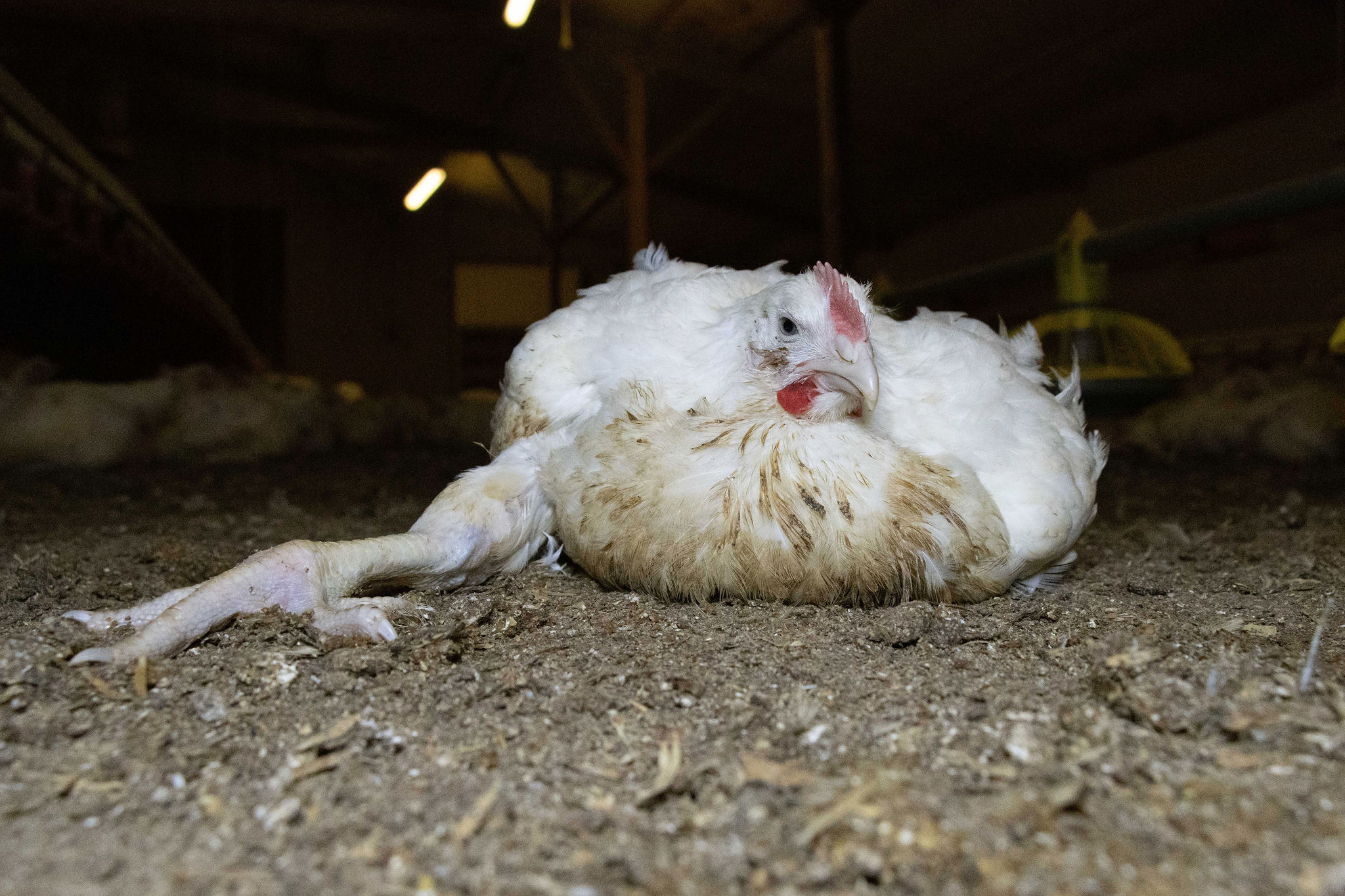
Animal welfare advocates today hail ‘historic moment’ as the Norwegian chicken industry announces a total transition away from fast-growing chicken breeds by the end of 2027.
Norway where 70 million chickens are raised for meat annually, will become the first country in the world to transition to 100% higher welfare breeds.
For decades, NGOs have raised concerns about the use of so-called ‘frankenchickens’ – known in Norway as ‘turbochickens.’ Chicken companies typically use fast-growing breeds which have been selectively bred to gain weight as quickly as possible.
The birds suffer from significant and commonplace welfare problems as a result. Countless exposés show the birds struggling to walk under their own weight. Research suggests that fast-growing chickens suffer hundreds of hours of pain during their short lives.
60% of the chickens in Norway are fast-growing breeds, specifically the Ross 308, which is the breed also used by 90% of the UK chicken industry. Over the past five years the Norwegian industry has gradually adopted higher welfare breeds known as the Rustic Gold and the Hubbard JA787.
“What’s happening now in Norway is a historic moment. It’s one of the greatest improvements to animal welfare in history, and it shows that the transition away from fast-growing breeds is possible. But it also shows just how far behind we are on this issue in the UK, where companies have barely started to address this problem,” says Connor Jackson, CEO of the UK branch of Anima International.
The global animal advocacy organisation Anima International has been campaigning in Norway for five years to see a transition away from fast-growing breeds. In the UK, where it also operates, a number of NGOs have been calling for the same transition since 2017 with the Better Chicken Commitment (BCC.)
Last year, Waitrose became the first major UK company to make a full transition to higher welfare breeds in all its products as part of the BCC. M&S, a fellow signatory to the BCC, has transitioned for all fresh chicken, with a plan to transition completely by the end of this year.
However, fast-growing breeds remain the norm in Britain. Other UK retailers have chosen to focus on giving their chickens more space in efforts to address welfare concerns. Whilst advocates recognise this as a positive step, it does not address the fast-growing genetics of the birds.
“UK consumers care deeply about animal welfare, and they would be shocked to see the reality of an intensive chicken farm even with more space,” says Jackson. “Better management is positive, but it only scratches the surface of the problem. To really improve these animals’ lives, we need to follow in Norway’s footsteps with a transition to higher welfare, slower growing breeds.
“Retailers, along with high street brands like KFC, Greggs and Pret need to step up and solve the widespread use of frankenchickens: that’s the biggest cause of suffering for their chickens. Nothing is stopping companies from getting together with industry and finding a solution just like Norway has.”
Sunday, 25 January 2026
The Best Way to Rescue Leftover Veg: Homemade Cheese Sauce (No More Sad Side Dishes)

If you’ve got leftover carrots, broccoli, cauliflower, peas, green beans, sprouts, cabbage, leeks, sweetcorn, or even that “bit of everything” you served with Sunday lunch, I’ve got good news: you’re only one proper homemade cheese sauce away from turning them into something you’ll genuinely look forward to eating.
This is one of those simple kitchen tricks that feels like a cheat code. It’s warming, comforting, uses up odds and ends, and it’s far cheaper than throwing food away and starting again.
Let’s turn those leftovers into a bowl of pure comfort.
Why cheese sauce is the ultimate leftover vegetable upgrade
Leftover vegetables can be a bit… tired. They’ve already been cooked once, they’ve cooled down, and by the time you reheat them they can lean towards mushy or bland.
Cheese sauce fixes all of that.
It adds:
Creaminess and richness (instant comfort food energy)
Salt and savouriness (which most leftover veg needs)
A proper “meal” feel (not just a sad side dish)
A way to mix-and-match vegetables without thinking too hard
It also works brilliantly with vegetables that might not excite you on their own, like boiled carrots or leftover sprouts. Cheese makes everything feel intentional.
What leftover vegetables work best?
This idea is extremely forgiving, but some veg shine more than others.
Brilliant choices:
Broccoli
Cauliflower
Carrots
Leeks
Green beans
Peas
Sweetcorn
Cabbage (especially Savoy or white cabbage)
Brussels sprouts (yes, really!)
Also works well with:
Roasted veg like parsnips, squash, peppers, courgettes
Leftover mash mixed in for a thicker, almost “bake” texture
Cooked potatoes (instant cheesy potato bowl situation)
Just be careful with:
Very watery veg (like courgette cooked to death) — drain first
Salad-style leftovers (not the vibe here)
Easy homemade cheese sauce (the classic, proper way)
This is a simple béchamel base with cheese stirred in. It sounds fancy but it’s honestly easy once you’ve done it once.
Ingredients (serves 2–4 depending on how much veg you have)
25g butter
25g plain flour
300ml milk (any milk works, but semi-skimmed or whole is best)
150g mature cheddar, grated (or a mix of cheeses)
1 tsp Dijon mustard (optional but highly recommended)
Salt and black pepper
Optional extras: pinch of paprika, a tiny dash of Worcestershire sauce, or a little garlic powder
Method
Melt the butter in a saucepan over a medium heat.
Stir in the flour and cook for 1–2 minutes, stirring constantly. This cooks out the raw flour taste.
Add the milk slowly a splash at a time, whisking well as you go so it doesn’t go lumpy.
Once all the milk is in, keep stirring until thickened (it should coat the back of a spoon).
Lower the heat and stir in the cheese a handful at a time until melted.
Add mustard (if using), season with salt and pepper, and taste.
If it needs more “cheese flavour” rather than just creaminess, add a touch more cheddar.
That’s it. Proper homemade cheese sauce, done.
The best way to reheat leftover vegetables without ruining them
The golden rule: don’t boil them again.
Leftover veg has already been cooked, so you just want to warm it through gently.
Option 1: Stove-top (fastest)
Put your veg in a pan with a tablespoon of water
Cover with a lid
Heat for 2–3 minutes until hot
Then pour over the cheese sauce.
Option 2: Microwave (easiest)
Cover the veg (to stop drying out)
Heat in short bursts, stirring once
Then add the sauce on top.
Option 3: Oven bake (best for “proper meal” vibes)
Mix veg and cheese sauce together in an oven dish, top with extra cheese (and maybe breadcrumbs), then bake at 200°C (180°C fan) for 15–20 minutes until bubbling and golden.
If you want comfort food, this is the winner.
How to serve cheesy leftover veg (so it feels like dinner)
Cheese sauce turns vegetables into something you can build a meal around. Here are a few easy serving ideas:
1. On toast
Cheesy veg on thick toast is criminally underrated. Add a fried egg on top if you want to feel powerful.
2. With a jacket potato
Honestly one of the best combinations going. Add a bit of ham or leftover chicken if you want.
3. As a pasta bake shortcut
Stir cheesy veg into cooked pasta, top with more cheese, oven bake. Done.
4. With sausages or bacon
A tray of sausages and a side of cheesy veg feels like a “real dinner” with minimal effort.
5. In a toastie
Let the cheesy veg cool slightly, pile into a toastie with extra cheddar, and grill until crispy.
6. As a side to a roast dinner repeat
If you had a roast yesterday, you’ve basically got your next dinner sorted already.
Bonus: make it taste like proper pub food
If you want that “this is suspiciously good for leftovers” feeling, use one of these little flavour upgrades:
Mustard + mature cheddar (classic sharpness)
Add parmesan for an extra savoury hit
A pinch of smoked paprika for warmth
A dash of Worcestershire sauce (adds depth) or Henderson's Northern Relish
Blue cheese crumbled in for a rich, punchy sauce
A spoonful of cream cheese to make it extra silky
You don’t need all of them—just one makes it feel intentional.
What cheese works best?
Cheddar is the classic for a reason, especially mature cheddar, but you can mix and match depending on what’s in the fridge.
Great options include:
Mature cheddar (best all-rounder)
Red Leicester (beautiful colour, great flavour)
Gruyère (more “fancy bake” vibes)
Mozzarella (for stretch, but mix with something stronger)
Parmesan (strong, salty, brilliant in small amounts)
Avoid using only mild cheese unless you like a very gentle flavour. Leftover veg needs the boldness.
Storing and using up extra cheese sauce
Made too much sauce? That’s not a problem, that’s future-you being looked after.
Store in a sealed container in the fridge for up to 2–3 days
Reheat gently in a pan or microwave
Add a splash of milk and stir if it thickens too much
You can use it on:
Nachos
Pasta
Chips
Cauliflower cheese
Toasties
Anything you want to become a comfort meal
Final thought: leftovers aren’t boring, they’re a shortcut
Leftover vegetables don’t need to be the “meh” part of the meal you eat because you feel you should.
With a quick homemade cheese sauce, they become a proper, cosy, satisfying dish that feels like you planned it all along.
So next time you spot that box of leftover veg lurking in the fridge, don’t sigh… grab the butter, flour and cheese and turn it into something worth eating.
Because no vegetable deserves to die forgotten in a plastic tub.
Wetherspoon (and Other Pubs) Are Going Big on Veganuary – Here’s What to Look Out For

Whether you’re doing the whole month, just cutting back a bit after Christmas, or you’re simply curious about what plant-based pub food tastes like these days, one thing is clear: Wetherspoon and plenty of other UK pub chains are taking Veganuary seriously.
And honestly? It makes sense. January is already a time when people want comfort food and a fresh start. Add in cost-of-living pressures, healthier intentions, and a growing interest in plant-based eating, and pubs have spotted a golden opportunity to offer something new that still feels familiar.
Why Veganuary Has Become a Pub Event (Not Just a Personal Challenge)
Once upon a time, going vegan in January meant surviving on soup, salad, and smugness.
Now? You can walk into a pub, order at the bar (or on an app), and choose from dedicated vegan options that don’t feel like an afterthought.
Veganuary has become popular because it’s:
Low-pressure (it’s only January, not forever)
Easy to try when restaurants and pubs actually provide decent choices
A conversation starter (you’ll always find someone at the table who’s “trying it out”)
More normal than ever thanks to supermarkets, takeaways, and chain restaurants supporting it
And pubs, being pubs, have adapted to what people want: comfort food with a plant-based twist.
Wetherspoon and Veganuary: A Sign of the Times
Wetherspoon has a reputation for being dependable, affordable, and surprisingly broad in menu choice. So when Wetherspoon adds or promotes Veganuary menu items, it’s a strong signal that plant-based eating is no longer “alternative”.
It’s mainstream.
And what makes Wetherspoon especially relevant for Veganuary is that it’s not just a city-centre trend. Wetherspoon pubs are everywhere, so vegan options become accessible even in smaller towns where independent plant-based eateries aren’t always around.
That’s important because Veganuary only works when it’s convenient.
No one wants a lifestyle challenge that requires a 40-minute drive and a £14 bowl of quinoa.

Every chain does it slightly differently, but the trend is clear: they’re leaning into pub classics.
Expect to see vegan-friendly options like:
1. Burgers and “Pub Grub” Classics
The plant-based burger has basically become the gateway meal. You still get the satisfaction of chips, sauces, and fillings, without feeling like you’re missing out.
2. Vegan Curries and Rice Bowls
Curries, chilli-style dishes, and warming bowls are ideal for winter pub menus because they feel hearty and filling.
3. Meat-Free Versions of Traditional Comfort Foods
Think vegan “chicken” styles, meat-free sausages, or plant-based fillets designed to mimic familiar flavours.
4. Lighter Bits and Sides
Not everyone wants a full burger. Some people just want a few vegan sides, chips, salad options, or smaller plates while the rest of the group does their normal thing.
It’s Not Just Wetherspoon – The Whole Pub Scene Has Joined In
Wetherspoon might be the big headline because of scale and price, but they’re far from alone.
Across the UK, many pub chains (and even independents) now create limited-time vegan menus during January. It’s become a seasonal event in the same way that:
Christmas brings festive specials
Summer brings grills, salads and “lighter options”
January brings plant-based comfort food
And this shift is important because it means vegan food is being treated as a normal choice, rather than a niche request that makes the chef sigh.
Why Pub Veganuary Menus Are Actually a Big Deal
It might seem like a small thing, a new burger option, a vegan wrap, a meat-free curry.
But culturally? It’s huge.
When major pub chains offer Veganuary options, it helps:
Make vegan eating more approachable
Support people who want to reduce meat without going “all-in”
Keep groups together (no one wants the vegan friend to have one sad side salad)
Encourage better menu labelling for allergies and preferences
Prove demand is real, which makes menus improve year after year
The more customers order vegan options, the more pubs will invest in better recipes — and that benefits everyone.
The Best Way to Enjoy Veganuary in a Pub (Without Feeling Like You’re Missing Out)
If you’re trying Veganuary, the easiest way to keep it enjoyable is to treat it like an experiment, not a punishment.
A few tips:
Go for dishes that suit vegan food naturally.
Curries, chilli-style meals, veggie-loaded plates, and spicy dishes tend to be more satisfying than something trying too hard to mimic meat.
Don’t be shy about sauces and sides.
A good vegan meal isn’t just the main item — it’s the extras that make it feel “pub-worthy”.
Try something you’d normally order.
If you always get a burger, try the plant-based one. If you usually go for comfort food, choose the vegan version of a classic rather than forcing yourself into a salad.
Pair it properly.
Vegan pub food can be amazing with the right drink choice — a crisp lager, a cider, a soft drink, or even a warming hot drink if you’re doing a daytime pub stop.
Why This Matters Beyond January
Veganuary is great, but the bigger win is what happens after January.
The real progress is when:
Vegan items stay on menus year-round
Meat-free options improve in quality
More pubs offer choices that feel genuinely satisfying
People stop viewing vegan food as “weird” or “extreme”
Even if you only try one or two vegan meals this month, you’re part of that shift. And if Wetherspoon and other UK pub chains keep pushing these options forward, plant-based eating becomes less of a challenge and more of a standard choice.
Final Thoughts: Veganuary Is Getting More Fun (And More Pub-Friendly)
If you’d told someone ten years ago that you could walk into Wetherspoon in January and pick from promoted vegan-friendly menu items, they’d probably have laughed.
Now it’s just… normal.
And that’s the best thing about this whole trend. Veganuary doesn’t have to feel like deprivation anymore. It can feel like what it should be:
A simple, affordable, comforting way to try something different — with chips on the side.
Saturday, 24 January 2026
Burns Night at Wetherspoon: FAQ

Burns Night is celebrated every year on 25th January to honour Robert Burns, Scotland’s national poet. It’s traditionally marked with a Burns Supper featuring haggis, poetry readings, and a toast to Burns (often with whisky).
Does Wetherspoon do anything special for Burns Night?
Many Wetherspoon pubs mark Burns Night by offering seasonal Scottish-inspired menu items around late January. Availability can vary by location, so it’s worth checking your local pub’s menu nearer the time.
What food is traditionally eaten on Burns Night?
The most traditional Burns Night meal is haggis, neeps and tatties. Neeps are usually swede or turnip, and tatties are mashed potatoes. It’s often served with a rich gravy or whisky sauce.
Can you get haggis at Wetherspoon during Burns Night?
Most Wetherspoon pubs include haggis-based dishes during Burns Night celebrations, but it can vary depending on the pub. Checking the menu in advance is the best way to confirm.
What does haggis taste like?
Haggis is generally rich, savoury, peppery, and well-seasoned. Many people compare it to a spiced stuffing or a strongly flavoured sausage filling, especially when served with mash and gravy.
Is haggis spicy?
Haggis isn’t usually hot-spicy, but it can be peppery and warming. The flavour is bold rather than fiery.
Do you have to drink whisky on Burns Night?
No. Whisky is traditional, but Burns Night is about celebrating Scottish culture and enjoying a meal. You can raise a toast with any drink, including beer, cider, or a soft drink. Some Wetherspoon pubs have a special Scottish ale for Burns Night.
Is Burns Night only for Scottish people?
Not at all. Burns Night is celebrated across the UK and beyond. Plenty of people who aren’t Scottish enjoy the tradition, the food, and the fun of it.
Do you need to book Wetherspoon for Burns Night?
You don’t need to book for Wetherspoon, but Burns Night can be busier in the evening, especially in popular town-centre pubs. If you want a specific table or time, going a little earlier can help.
Is Burns Night food suitable for picky eaters?
It can be. If you’re unsure about haggis, you could share a dish with someone, or pick a more familiar pub option and still enjoy the Burns Night atmosphere.
Are there vegetarian or vegan options for Burns Night?
Some venues offer vegetarian or vegan haggis alternatives, but availability varies by pub and menu. It’s best to check the menu locally if you’re looking for plant-based Burns Night food.
Why is Burns Night popular in January?
Burns Night is popular because it brings a bit of warmth and tradition into a cold month. It’s a great excuse for a comforting meal, a cosy pub visit, and something to look forward to after Christmas.
How can I celebrate Burns Night without doing a full Burns Supper?
You can keep it simple: order a Scottish-inspired meal, read a short Robert Burns poem, and do a quick toast. Even a relaxed pub meal can still feel like a proper celebration.
Is Burns Night good for a cosy date night?
Yes — Burns Night is ideal for a cosy date night. It’s seasonal, a little bit special, and it naturally suits a relaxed meal out with hearty food and a winter drink.
What time should you celebrate Burns Night?
Most people celebrate Burns Night in the evening, but there’s no strict rule. A lunchtime meal, early dinner, or a casual evening pint can all count.
Burns Night at Wetherspoon: Quick Summary
Burns Night is celebrated on 25th January in honour of Scotland’s national poet, Robert Burns. Many people mark the occasion with a hearty meal like haggis, neeps and tatties, often paired with a toast (whisky optional!).
Wetherspoon is a popular choice for Burns Night celebrations thanks to its affordable prices, relaxed atmosphere, and convenient locations across the UK. Menu options can vary by pub, so it’s worth checking your local Wetherspoon nearer the date. Whether you go all-in on tradition or keep it casual, Burns Night is a cosy way to brighten up January.
In fact you can book a room at one of the Wetherlodge hotels attached to some of the pubs in the chain. But in order to keep room rates low you should book them via Wetherspoon.
Monday, 19 January 2026
Sweetheart Jars of Bonne Maman

Choose from six gorgeous flavours of Sweetheart Jars for special little gifts or to create delicious breakfasts, tea times and desserts that show you care on Valentine's, Pancake and Mother's Days.
The special Sweetheart Jars of Bonne Maman Strawberry, Apricot and Raspberry Conserve, Bitter Orange Marmalade (370gm jars, rrp £3.30) plus Award-winning Hazelnut Chocolate Spread (360gm jar, rrp £4.10) and Sweet & Crunchy Peanut Spread (230g jar, rrp £2.90) are available nationally while stocks last.
Cauldron Foods Makes Good Start to Year

Available now in Tesco, the high-protein, plant-powered Cauldron Express range claims the title as the fastest tofu on the market.
Cooking in just five minutes, the range has been created to get more shoppers diving into the delicious world of tofu by tackling two of the biggest drivers for trial - taste and speed.
Lucy Grogut, Marketing Director at Cauldron Foods, told That's Food and Drink: “Despite being the fastest growing sector, worth £57.5m, our consumer research identified that tofu is still commonly seen to be tricky to cook and prepare, often resulting in a bland flavourless finish and kitchen frustrations.
The new Cauldron Express range brings delicious punchy flavours, with a 5-minute cook time and convenient pressed and dressed formats that address these barriers, giving consumers the tofu ‘’ta-da’’ moment they need.
“We know we will stand out with this range, as it brings something truly unique to the market, that can’t be found anywhere else in the tofu fixture. We’ve used our signature plant alchemy to create bold, delicious products that remove the perceived ‘faff’ of tofu prep. Giving consumers, and retailers, something genuinely new, exciting and distinctive in a competitive category.”
The Range:-
Cauldron Express Marinated Tofu pieces
Punchy, aromatic, five-minute masterpieces. Dialling up Cauldron’s unique blend of herbs and spices, these super convenient marinated pieces pack bold, Asian-inspired flavour and deliver a delicious dinnertime win in minutes. Perfect tossed through a stir fry, tucked into a wrap or sprinkled over salad.
Cauldron Express Teriyaki Marinated Tofu (RRP £2.75, 160g) - also available in Waitrose this month.
Cauldron Express Ginger & Garlic Marinated Tofu (RRP £2.75, 160g) – a fresh new look for Cauldron’s existing Marinated Tofu Pieces, now renamed to spotlight the flavour.
Cauldron Express Grillable Tofu
Tofu built for the heat. Super-firm, pre-marinated and ready to grill, griddle or BBQ. These high-protein blocks don’t crumble under pressure, they rise to the occasion, bringing flavour-packed, plant powered oomph to any plate.
Cauldron Express Oregano & Thyme Grillable Tofu (RRP £2.30, 180g, Serves 2)
Cauldron Express Smoky BBQ Grillable Tofu (RRP £2.30, 180g, Serves 2)
The Cauldron Express range will roll out further from May 2026.
Lucy concludes: “We’ve seen positive movement across all key brand equity measures recently, with Cauldron growing in brand awareness and recommendation in Q3 2025, and improvements in brand perceptions of taste, value, quality and health over the past year. Innovation is central to Cauldron’s DNA and placing ourselves in even more kitchen occasions by focusing on distinct and delicious flavour profiles alongside versatility and ease is key to sustaining that momentum.
“Our range is packed with tasty plant possibilities. This latest launch continues our mission to deliver unique and perfectly balanced flavours with real nutritional benefits, wrapped up in convenient products that fit perfectly into busy, modern lifestyles.
But convenience does not come at the expense of flavour. Every single one is packed with the perfect combination of plants, flavours, herbs and spices that we know consumers love. They’re full of moreish mouthwatering flavour, not a bland bite in sight.”
Quorn Back on TV as It Expands Its 'No Artificial Ingredients and High in Protein' Frozen Range

Now available in all major retailers, the Quorn Fillets (RRP £2.65, 312g) are now made with just three ingredients.
They join Quorn Mince, Quorn Pieces, Quorn Swedish Style Balls and Quorn Strips to make up a five-strong range of planet-friendly, simple ingredient products that deliver easy, tasty and nutritious swaps for the meals consumers love.
Lucy Grogut, Marketing Director at Quorn Foods UK, told That's Food and Drink: “53% of UK consumers say that healthy nutrition has become more important to them in the last five years, and our range makes it easier than ever for shoppers to make better choices without losing out on taste or convenience.
“We've had an incredible response to the range since we launched our No Artificial Ingredients and High in Protein range in August. Quorn's brand recommendation jumped 3 points, a major win in just one quarter and brand perceptions have improved across the board, with shoppers now rating Quorn higher on taste, health, quality, and value.
“We're also outperforming competitors in frozen with the range helping to drive consistent month-on-month share growth.”
The 'No Artificial Ingredients and High in Protein' range benefits from bold new packaging, designed to maximise freezer standout and appeal to ingredient-savvy shoppers. The new look, with clearer nutritional call outs on the front and back, has been very well received, driving purchase intent by +17% in System1 testing.
Quorn's much-loved puppets are also back on TV screens in the brand's 'Nothing to Hide' advert, which received an 'Exceptional' star rating from System1. With January being a key month for driving penetration into the meat-free category this return to TV gives Quorn a strong start to the year, building on the successes of 2025.
Perry Pig, Clarence Cow and Chickson Chicken are the stars of the playful ad that highlights Quorn's 'No Artificial Ingredients and High In Protein' frozen range. The ad opens with Perry's smooth narration over a delicious Massaman curry made with Quorn Pieces before the puppets realise their lower halves are pixelated. Clarence's panicked “Wait! No artificial ingredients, is that why we're naked!?” then sets up a cut to a smoky Quorn Mince BBQ burrito.
Finishing with a showcase of Quorn's hero dishes, the ad ends on a humorous behind-the-scenes shot where Clarence asks: “Have we always been naked?” to which Chickson replies, deadpan: “I don't know.”
The 10-week campaign follows on from the success of October and November's campaign, going back on TV, VOD, and supported by social influencers, and PR reaching millions of consumers across the UK. The activity also includes a strong shopper marketing campaign across the UK.
Bristol Blends: Valentine's for the Coffee Lovers

Blended in Bristol using unsweetened, single origin speciality coffee and English wheat spirit, this vegan treat is a far cry from the sugary coffee liqueurs many people have come to expect.
Instead, it delivers deep espresso and dark chocolate notes with a clean, dry finish that feels perfectly at home after a rich meal.
Unlike traditional coffee liqueurs, which rely on sweetness to carry flavour, Psychopomp's Coffee Digestif focuses on clarity and character.
Each batch is made using seasonal beans chosen for their distinct profile, meaning no two releases are ever quite the same - local roasters such as Triple Roast, Clifton Coffee and next up Oddkins - work collaboratively with Psychopomp to create unique blends for each batch.
The result is a spirit that reflects its origin, much like a thoughtful wine pairing, and offers something genuinely different for coffee lovers.
Best served over ice after dinner, the Digestif also works beautifully poured over ice cream for a simple affogato, or used to sharpen classic cocktails like an Espresso Martini.
Its versatility has made it a favourite with bars and restaurants including The Pig near Bath, The Pig in the Cotswolds, and Bravas in Bristol.
B Corp certified, carbon-neutral Psychopomp Microdistillery was founded in Bristol by former cardiologist Liam Hirt and is a carbon-neutral producer focused on flavour-first spirits.
Alongside the Single Origin Coffee Digestif, the distillery produces small-batch gin, aquavit and absinthe, with the same commitment to experimentation and provenance.
Its sister site, Circumstance Distillery, is one of Britain's first new urban whisky distilleries in decades.
Whether opened at the end of a Valentine's meal or given as a gift to someone who cares about coffee, Psychopomp Single Origin Coffee Digestif is about slowing down and enjoying what comes after.
Recently, Psychopomp reopened its bar on beautiful St. Michael's Hill in Bristol, after a six year lockdown related hiatus, and the intimate space is the perfect space to pick up a bottle on the way home if you happen to be local.
Whether brought to the table as the final course or wrapped as a Valentine's gift for a coffee lover, Psychopomp Single Origin Coffee Digestif has been created to be the kind of drink that turns the end of dinner into the best part of the evening.
Psychopomp Single Origin Coffee Digestif | 70cl | 20% ABV | Suitable for Vegans
Links to buy
Master of Malt RRP £20.97 https://tinyurl.com/4dx7fcuf
Available from Microdistillery.co.uk RRP £22
Psychopomp Bar, Bristol RRP £22
Also available at the following restaurants:
The Pig In The Cotswolds
The Pig near Bath
Bravas, Bristol
YOGOODY Makes UK Debut in Holland & Barrett Stores

The range introduces a yoghurt-style drink designed to deliver the benefits of fermented dairy in a more flexible, convenient format.
Supplied as a powder format to be mixed with water, the product does not require refrigeration and offers a shelf life of up to one year, providing operational advantages for retailers alongside everyday convenience for consumers.
The launch comes as gut health continues to move into mainstream, reflecting broader consumer interest in digestive health, functional nutrition and on-the-go formats, as well as increasing interest from retailers in products that are easier to store and distribute. YOGOODY’s format is designed to respond to these trends both on - and off-trade.
“At Holland & Barrett, we are constantly looking for brands and innovations that deliver added value and relevant innovation, offering solutions aligned with consumer expectations. YOGOODY presents a distinctive concept that combines convenience, taste and nutritional quality, and fits well with our mission to provide practical and healthy alternatives," said Leila Whitman, Category Manager - Superfoods
For retailers and distributors, the format offers practical benefits, including lower transportation and energy requirements, reduced reliance on chilled storage, and less product waste, which supports both sustainability goals and operational efficiency.
YOGOODY products are produced using an advanced freeze-drying process and made with real fruit, containing seven types of probiotics alongside prebiotic fibre. The range is also rich in protein, high in fibre and low in fat.
Nuno Abreu, Managing Director from YOGOODY told That's Food and Drink: “Our partnership with Holland & Barrett is an important milestone for the business. It brings our shelf-stable yoghurt-style format into one of Europe’s most established health and wellness retail environments and reflects the growing focus on gut health and functional nutrition.
In the UK, YOGOODY will be available both in-store and online through Holland & Barrett in the following formats:
Multi-serve packs
7-pack format in strawberry, vanilla, mango and wild berries
Larger format
450g pack featuring all four flavours
Accessories
Branded shaker with an introductory strawberry portion
The product is now available in-store and online at Holland & Barrett.
YOGOODY is a food brand focused on reimagining yoghurt through innovation, sustainability and consumer-centric design. Using a freeze - drying process to create shelf-stable fermented products, the brand delivers convenient nutrition while reducing waste and simplifying distribution for retailers.
BRULO raises over £1m as Zoopla, Beavertown and Funkin founders back premium alcohol free beer challenger

It's been attracting backing from some of the UK's most successful consumer and drinks entrepreneurs.
Investors joining the round include Alex Chesterman, founder of Zoopla, Cazoo and LoveFilm; Logan Plant, founder of Beavertown; Alex Carlton, founder of Funkin Cocktails; Richard Kaffel, founder of Red Letter Days; Andrew King, former Funkin and AG Barr executive; Freddy Ward, founder of WILD; and Max Lousada, former CEO of Warner Music UK.
Founded by James Brown, previously the founder of Beer52, BRULO has emerged as one of the UK's fastest-growing alcohol free beer businesses, combining premium branding, data-led product development, and a profitable, asset-light operating model. The Guardian has described BRULO as “The Rolls-Royce of Alcohol Free Beers”.
The company reported £3.6m in net sales with 21% EBITDA in its most recent financial year and has grown revenues at a 70% compound annual growth rate over the past three years. BRULO has been profitable since launch and continues to outperform category benchmarks, with a Net Promoter Score of 79 and a repeat purchase rate of 73% across its direct-to-consumer channel.
As part of the round, BRULO has strengthened its leadership team with the appointment of Alex Carlton, founder of Funkin Cocktails, and drinks industry veteran Andrew King as co-chairs and non-executive directors. Together, they bring deep brand building and commercial experience across premium beverages and will support strategy, distribution, and commercial partnerships across UK on-trade, off-trade channels and international territories.
Product innovation remains central to BRULO's growth strategy. Following the successful sell out launch of its CBD IPA, the company is building a world first alcohol free innovation pipeline for 2026 focused on the “Blurred Lines” opportunity, serving the growing majority who flex between drinking and not drinking and are making alcohol free beer an everyday choice in a £15bn+ global category.
International momentum is accelerating and now accounts for around half of sales. BRULO is listed in Dean & DeLuca stores across Japan and is the number one alcohol free beer on Amazon Japan. The company has also established a new fulfilment hub in the Netherlands to support EU direct-to-consumer expansion, with European shipping set to launch in the coming weeks. BRULO's next phase of growth will also focus on unlocking on-trade and grocery listings in key markets where the brand already has strong traction.
James Brown, Founder of BRULO, told That's Food and Drink: “This round brings together founders and operators who have built some of the most recognisable consumer brands in the UK. Their support is a huge vote of confidence in what we're building. Alcohol free beer is entering a defining phase ,and we believe BRULO is uniquely positioned to build a standout global brand in the category.”
Alex Carlton, Co-Chair of BRULO, added: "In this industry, you rarely see a founder nail the 'holy trinity' right out of the gate, but James has done exactly that with BRULO: an exceptional liquid that genuinely over-delivers on taste, a beautiful, modern brand, and a highly efficient business model. Having spent my career building Funkin and STRYKK, I knew immediately that I had to be part of this journey.
The category opportunity is enormous as we move toward a 'blurred lines' drinking culture, and I'm incredibly proud to have brought together such a world-class group of investors to back this vision. I'm grateful to every one of them for joining us, we've assembled a truly all-star cap table. Now it's all about execution, and I couldn't be more excited to work with James, to scale BRULO into a global leader.”
To allow additional investors to participate alongside these backers, BRULO has reopened its Crowdcube round from 9:00am on 19th January 2026 for a strictly limited one-week period, giving the wider community the opportunity to join before it closes.
https://www.crowdcube.com/companies/brulo/pitches/bV6pVb
BRULO is a UK based alcohol free beer brand brewing bold, modern beers designed to stand shoulder to shoulder with full strength classics. Its flagship beer and best selling beer is Lust For Life IPA. The company sells through direct-to-consumer, hospitality, retail, and international export channels.
For more information, visit www.brulobeer.com
Swizzels ramps up production as demand for vegan sweets soars for Veganuary

With its extensive range of vegan favourites, Swizzels is answering the growing call for plant-based sweets – a trend that has seen a significant rise, with vegan claims in the sugar confectionery category up 33% in 2024, compared to 17% in 2019.
Vegan treats, once seen as a niche trend, are now a fixture in the confectionery aisle. Veganuary’s popularity has surged each year, with over 25 million participants worldwide in January 2024 alone.
Swizzels has been leading the way with its vegan-friendly range that paved the path long before the current surge in demand. Today, nearly all of its popular products are entirely vegan, appealing to plant-based and traditional sweet lovers alike.
Swizzels’ Variety Bags are a vegan favourite, especially during January, with packs like Scrumptious Sweets, Curious Chews, and Luscious Lollies. With a RRP of £1.25, these individually wrapped sweets make vegan snacking easy and accessible for friends and family alike, available nationwide in supermarkets and convenience stores.
Ailish Pope, Brand Manager at Swizzels, told That's Food and Drink: “For many, Veganuary is a fun opportunity to explore plant-based options they might not otherwise try, and we’re proud to offer a wide range of vegan sweets for everyone, whatever their flavour preferences or budget.
“Our sixth annual ‘All These, All Vegan, All Year’ campaign celebrates delicious vegan treats that people can enjoy any time, not just during Veganuary.
“For those curious about going vegan, our range offers an easy, tasty introduction without sacrificing the flavours they love. And should anyone choose to continue, our vegan sweets are available all year round at affordable prices.”
For those looking to get a head start on Veganuary 2025, Swizzels’ vegan range – starting at just 20p – is already available in major retailers and convenience stores across the UK.
Swizzels is the UK’s largest family-owned independent sugar confectionery business and one of the few confectionery companies to still manufacture sweets in the UK.
The company makes a range of well-known products including Love Hearts, Refreshers, Drumstick Lollies, Rainbow Drops, Double Lollies, Squashies, and Fruity Pops.
Celebrate Veganuary with Lola's Cupcakes

Don’t believe us? Read on to discover Lola’s simply irresistible selection of Veganuary treats!
Mouthwateringly Moreish: Vegan Caramel Biscuit Cake
Small (8): £27.50, Medium (14): £45, Large (24): £75, Extra Large (40): £100
We meant it when we said you don’t have to compromise on flavour.
This deliciously moist vegan caramel sponge is filled with Biscoff biscuit spread, iced with a caramelised Biscoff buttercream and topped off with Biscoff biscuit crumbs and a caramel drizzle and is the indulgent treat that everyone deserves this January.
Fruity and Fresh: Raspberry and Passionfruit
Small (8): £27.50, Medium (14): £45, Large (24): £75, Extra Large (40): £100
Fancy a fresh twist on Lola’s fan favourite? The Vegan Raspberry and Passionfruit cake is perfect for those who prefer something more fruity. Featuring light vegan lemon and raspberry sponges, the cake is filled with raspberry and passionfruit compote and decorated with vegan passionfruit cream cheese icing fresh and freeze-dried raspberries.
Vegan Classics: Red Velvet
Small (8): £27.50, Medium (14): £45, Large (24): £75, Extra Large (40): £100
Lola’s dreamy Red Velvet cake is so iconic that it’s only fair that those following a vegan and egg free diet can enjoy it too! Finished with delicious vegan cream cheese and red velvet crumbs, this is the crowd pleaser for any occasion in the diary this Veganuary.
Chocolate Heaven: Vegan Brownie Cake
Small (8): £27.50, Medium (14): £45, Large (24): £75, Extra Large (40): £100
The Vegan Brownie Cake brings the best of chocolate brownies and rich chocolatey cakes together and will satisfy your vegan chocolate craving. Rich vegan chocolate sponges are iced with luscious chocolate buttercream and topped off with vegan chocolate brownie chunks, chocolate ganache and a sprinkling of gold dust.
Vegan Cupcakes
Box of 6: £22.50, Box of 12 minis: £25.80
Fancy having a taste of all of the above flavours? Lola’s delicious range of vegan cupcakes in boxes of 6 or 12 minis features four indulgent flavours: vegan red velvet, vegan caramel biscuit, vegan brownie and vegan raspberry and passionfruit, which are also available for nationwide delivery.
While Veganuary might be only for one month of the year, Lola’s vegan range is available for nationwide delivery all year round. It can be personalised with any message you choose, making them perfect for birthdays, anniversaries and every occasion.
January, the Mexican Way at Wahaca

For anyone embarking on a plant-based start to the year, the Caramelised Veg & Macadamia Tacos (£7.50), are a vibrant new vegan option packed with flavour and goodness.
Soft corn tortillas are filled with organic Riverford roasted carrots, leeks and cherry tomatoes, then finished with a rich macadamia nut mole - made to a recipe from co-founder Thomasina Miers’ new book Mexican Table.
The veg-packed filling is naturally rich in prebiotics and pairs perfectly with the deeply satisfying mole that’s full-bodied yet balanced. Comforting, wholesome and great for keeping the winter chill at bay.
For those not going meat-free but who are still craving something nutritious and restorative, the Slow-Cooked Pork Pozole (£8.95) offers an ideal alternative. Inspired by the fare served up by the pozole stalls on the streets of Oaxaca, this take on a traditional Mexican soup sees a clear, slow-simmered bone broth studded with white corn kernels, tender shredded pork, lime-marinated cabbage, avocado and crisp radish.
Light, citrusy and gently spiced with hints of chilli and garlic, it’s deeply warming without feeling heavy - and full of nutritious goodness. Add an optional Three Cheese Quesadilla (+£4.00) on the side to mop up every mouthful of this marvellous new special.
Wahaca’s New Year specials don’t stop with just the food. The Mini Non-Alc Trio (£7.50) provides a playful way to sample three alcohol-free cocktails in mini taster serves: a refreshing Cucumber, Jalapeño & Basil Smash, a tropical Pineapple & Passion Fruit Picante, and a Blackberry Sour that brings a sumptuous sharpness to the table. Beer lovers who are cutting out the booze can opt for the Lucky Saint Michelada (£7.70), a bold, smoky, Mexican-style Bloody Mary topped with a 0.5% lager, served up with lime, a stick of celery and a lip-smacking Tajin rim.
And there’s a high-spirited new cocktail special that’s just the ticket for those skipping Dry January altogether. Raise a glass to the year ahead with the limited-edition Rhubarbarita (£9.95) which puts a superbly seasonal twist on the classic margarita, blending freshly juiced rhubarb with tequila, and finished with a playful rim of crushed rhubarb-and-custard sweets.
“Our new pozole is inspired by the one we fell in love with outside the 20 de Noviembre market in Oaxaca City”Wahaca co-founder Thomasina Miers told That's Food and and Dribk.
“Comforting, restorative and brimming with flavour, it feels like the natural recipe for our chefs to be cooking in the New Year when the weather is dark and inhospitable - the perfect dish to devour when coming in from the cold. For those avoiding meat they have their vegetable taco with its rich, brick-red macadamia nut mole, seasoned with mild guajillo chillies and warming spices for a plate that is deeply savoury yet completely plant-based. And to drink, a perfectly pink rhubarb margarita – full of sherbet fizz and rhubarb tang. Yes please!”
Find your nearest branch here https://www.wahaca.co.uk
Apios Americana Recipes and Where to Buy the Plants

A hearty, comforting bowl with a nutty “potato-like” twist
If you’re lucky enough to get your hands on Apios americana (also known as potato bean or American groundnut, or Hopniss), you’ve got a brilliant ingredient for cosy, filling meals.
The tubers cook up starchy and satisfying like potatoes, but with a slightly nutty, richer flavour that makes them feel a bit more special.
This recipe is a warming, one-pot-style stew that suits the potato bean perfectly — and if you can’t source Apios americana easily, I’ve included simple UK-friendly substitutes too.
What You’ll Love About This Potato Bean Stew
Comforting and filling (proper cold-weather food)
Uses simple ingredients
Great for batch cooking
Flexible: vegetarian or meaty
Easy to adapt if you can’t find Apios americana
Apios Americana Potato Bean Stew Recipe
Serves: 4
Prep time: 15 minutes
Cook time: 45–60 minutes
Ingredients
Main ingredients
500g Apios americana tubers (potato beans), scrubbed clean
1 tbsp olive oil (or butter for extra richness)
1 large onion, diced
2 carrots, sliced
2 celery sticks, sliced (optional but lovely)
3 cloves garlic, finely chopped
1 tsp smoked paprika (optional, but adds warmth)
1 tsp dried thyme (or 2 tsp fresh thyme)
2 tbsp tomato purée
900ml vegetable stock (or chicken stock)
1 tin chopped tomatoes (400g)
1 bay leaf
Salt and black pepper, to taste
Optional add-ins (choose your vibe)
For a meatier stew:
200g smoked bacon lardons or 4 good sausages, sliced
For a veggie version:
1 tin cannellini beans or butter beans, drained and rinsed
A handful of spinach or kale stirred in at the end
To finish (recommended):
1 tbsp cider vinegar or a squeeze of lemon juice
Chopped parsley (or spring onions)
How to Make Apios Americana Stew (Step-by-Step)
1) Prep the potato beans
Scrub the tubers clean and trim off any rough bits.
If the tubers are different sizes, cut the larger ones into halves or thirds so they cook evenly.
2) Soften your veg
Heat the oil in a large pot or casserole over a medium heat.
Add the onion, carrots and celery and cook for 8–10 minutes, stirring now and then, until softened and smelling sweet.
3) Add garlic and seasoning
Add the garlic, smoked paprika and thyme, and cook for 1 minute.
Stir in the tomato purée and let it cook for another minute (this helps take the raw edge off).
4) Add the good stuff
Add the chopped tomatoes, stock, bay leaf, and your Apios americana tubers.
Bring to a gentle simmer, then turn the heat down low and cook uncovered for 40–60 minutes, until the tubers are tender.
(They should pierce easily with a fork, like potatoes.)
5) Taste and adjust
Remove the bay leaf. Season well with salt and black pepper.
Stir in a splash of cider vinegar or lemon juice at the end — it lifts the whole pot and makes it taste less “flat”.
6) Serve and enjoy
Ladle into bowls and top with chopped parsley.
Serve with:
crusty bread and butter
a toasted baguette
dumplings (if you want to go full comfort mode)
Tips for Cooking Apios Americana (Potato Beans)
Don’t boil them aggressively.
A gentle simmer helps the tubers stay intact and stops them turning to mush too early.
If you want a thicker stew…
Mash a few tubers against the side of the pot and stir back in. Instant thickness, no flour needed.
Leftovers taste even better.
Like most stews, it improves overnight as the flavours settle.
If You Can’t Get Apios Americana: Easy Substitutes
Apios americana can be tricky to source in the UK, so here are realistic swaps that still keep the spirit of the dish:
Best substitute combo:
new potatoes + butter beans
This mimics the starchy texture and adds the bean-like richness.
Other good swaps:
baby potatoes + cannellini beans
sweet potatoes + chickpeas (slightly sweeter, still filling)
parsnips + haricot beans (earthy, wintery vibe)
Variations to Try
1) Creamy Potato Bean Stew
Stir in:
3 tbsp double cream or oat cream
a knob of butter
Perfect if you want it richer and more “pub-style”.
2) Spicy Tomato & Potato Bean Stew
Add:
1 tsp chilli flakes
1 tsp cumin
a pinch of cinnamon (trust me!)
3) Sausage & Potato Bean Stew
Slice sausages, brown them first, then continue the recipe using the sausage fat for flavour.
Storage and Reheating
Fridge:
Keeps for up to 3 days in a sealed container.
Freezer:
Freezes well for up to 3 months.
Reheat:
Warm gently on the hob with a splash of water or stock.
Final Thoughts: A Proper Bowl of Comfort With a Forgotten Ingredient
Apios americana might not be an everyday ingredient, but it’s exactly the sort of “old-fashioned but exciting” food that suits modern cooking: hearty, comforting, and surprisingly versatile.
If you ever spot potato beans / American groundnuts for sale, this stew is one of the best ways to use them — because it lets their flavour shine without overcomplicating things.
You can buy them here:-
https://www.otterfarm.co.uk/product/apios-american/
https://incrediblevegetables.co.uk/shop/apios-americana-groundnut-hopniss/
Apios americana (Potato Bean): The Wild, Forgotten “American Potato” You’ll Want to Know About

But long before the modern supermarket potato became the king of the kitchen, there was another starchy, satisfying plant feeding communities across North America, Apios americana, more commonly known as the potato bean, American groundnut, or sometimes even the Indian potato.
It’s a plant with a fascinating past, an unusual growth habit, and a flavour that feels like a cross between a nutty potato and a hearty bean. And despite being relatively unknown today, it’s quietly earning attention again among gardeners, foragers, and adventurous cooks.
So what exactly is Apios americana, why was it once so important, and is it something you could actually eat (or even grow) today?
Let’s take a proper look.
What Is Apios americana?
Apios americana is a perennial climbing vine native to eastern and central North America. Unlike most “bean plants” you’ll picture, it isn’t grown for a crop of pods. Instead, it’s prized for the underground tubers that form along its roots.
Those tubers are the star of the show, because they’re:
edible
nutritious
starchy and filling
naturally produced by the plant year after year
In simple terms, it’s a plant that acts a bit like a bean plant above ground… but behaves like a potato underground.
No wonder it gained the nickname “potato bean.”
Why Is It Called the Potato Bean?
The name “potato bean” makes more sense once you understand how the plant works.
Above ground:
Apios americana grows as a twining vine, and it produces pea-like flowers (often a rich reddish-purple). Like many members of the legume family, it can fix nitrogen into the soil, which makes it valuable in a garden setting.
Below ground:
Instead of giving you a harvest of beans, it forms a chain of knobbly tubers beneath the surface. These are what you dig up and cook, much like potatoes.
So it sits at an interesting crossroads:
a legume in its biology
a potato in how you eat it
A Plant With Deep History
Apios americana isn’t some trendy new superfood. It’s a traditional food source with genuine historical importance.
For centuries, it was used as a staple by Indigenous peoples. It’s also known to have been eaten by early European settlers in North America, partly because it was already a dependable wild food that could be gathered and cooked.
The plant’s tubers form underground like a natural larder — and once you know what you’re looking for, it’s easy to see why it was so valuable. In a landscape where farming could be unpredictable, having a perennial plant that produces edible tubers is like striking gold.
What Does Apios americana Taste Like?
People often describe Apios americana tubers as:
nutty
earthy
sweet-ish
potato-like in texture
more flavourful than a standard potato
Think of it as a more complex, slightly denser potato with a “bean-ish” richness to it.
The texture can vary depending on how you cook it, but it generally becomes soft and starchy when boiled, and crisp-edged when roasted.
If you enjoy things like roasted parsnips, butter beans, or chestnuts, you’ll probably get on with it.
How Do You Cook Potato Beans (Apios americana Tubers)?
The tubers are the edible part most people use. If you got your hands on some, you’d treat them similarly to other small tubers.
1) Boiled and buttered (simple comfort food)
Boil until tender, drain, then toss with:
butter (or olive oil)
salt and pepper
a little garlic
chopped herbs (parsley works beautifully)
This is a great “first try” method because it lets you taste the tuber properly without burying it in too many flavours.
2) Roasted like new potatoes
Roast them with:
olive oil
rosemary or thyme
smoked paprika (optional)
sea salt
They can go crisp on the outside while staying fluffy inside — very much like roasting baby potatoes.
3) Mashed into soups and stews
Apios americana can add a lovely body to winter dishes. Pop it into a stew with carrots, onions, stock, and herbs, and it will thicken and enrich the broth naturally.
4) Pan-fried slices
Slice thinly and fry in a little oil until golden, then sprinkle with salt. Simple and dangerously snackable.
Is Apios americana Nutritious?
One of the reasons Apios americana stands out is because it doesn’t just act like a potato — it’s often considered higher in protein than standard potatoes (though exact nutrition varies depending on the plant and growing conditions).
It’s also a plant that offers:
slow-release, starchy energy
fibre
a more filling “full meal” quality than many tubers
That mix of starch + protein is part of what made it such a valuable food historically.
Can You Grow Apios americana in the UK?
Here’s the interesting bit for gardeners: yes, it can be grown outside North America, including in parts of the UK, as long as it has the right conditions.
Apios americana is:
a climbing vine, so it needs support (trellis, fence, wigwam canes)
a perennial, so it comes back year after year
happier with moist, well-draining soil
generally suited to temperate conditions
That said, it isn’t a “plant it and forget it” crop like a bag of supermarket seed potatoes. It can take time to establish, and tuber production improves as the plant matures.
If you’re a gardener who enjoys unusual edible plants — especially ones with a bit of history behind them — this is the kind of thing that becomes a talking point in your garden.
(Quick note: if you’re growing anything intended for eating, always buy from a reputable supplier rather than digging up wild plants. Wild foraging has risks, and correct identification matters.)
Why Isn’t It More Popular?
With a name like “potato bean,” you’d think Apios americana would be everywhere.
But plants don’t become mainstream just because they’re tasty. Popularity often comes down to convenience and commercial farming.
Apios americana has a few challenges that likely held it back commercially:
tubers can form in a chain and can be fiddly to harvest compared with potatoes
it’s not as standardised as modern farm crops
it takes time to establish strong yields
it was overshadowed by the potato once potatoes became widely grown and traded
Still, “forgotten” doesn’t mean “not worth growing.” It just means it never got picked as the winner in the mass-market race.
The Potato Bean’s Quiet Comeback
There’s something deeply appealing about plants like Apios americana.
They’re not hyped-up supermarket trends. They’re old, useful, resilient foods that remind us how inventive people were with what grew naturally around them. In today’s world of rising food costs and renewed interest in self-sufficiency, it makes sense that more people are starting to notice them again.
Apios americana is:
a conversation starter
a piece of edible history
a potential home-grown staple
and frankly… just something different
And sometimes different is exactly what makes food exciting again.
Final Thoughts: Apios americana Deserves Your Attention
If you’ve never heard of Apios americana before today, you’re not alone. But now you know: the potato bean is real, it’s fascinating, and it bridges the gap between legumes and tubers in a way that feels almost too clever to be true.
Whether you’re interested in forgotten foods, unusual ingredients, or even growing your own quirky crops, Apios americana is absolutely worth a spot on your radar.
Next we'll be covering some recipes.
Cadbury Velvet Salted Caramel Bar Review: Smooth Name, Sharp Finish?

The kind of chocolate bar you open with a little grin, already picturing that buttery caramel sweetness with a proper salty kick to balance it all out.
So when I spotted the new Cadbury Velvet Salted Caramel bars, I went in fully expecting an easy win. Cadbury have built their reputation on crowd-pleasing chocolate that rarely strays too far into risky territory… but this one? This one left me a bit conflicted.
And not in a “ooh, interesting” way.
More in a “why does this taste like that?” way.
First Impressions: Looks the Part, Promises the World
The branding does a lot of heavy lifting. Velvet suggests something smoother than your typical Dairy Milk. Add salted caramel and you’re basically advertising a guaranteed sofa snack.
Unwrap it, and the bar has that classic Cadbury feel — nicely moulded chunks, familiar aroma, and that initial chocolate hit that makes you think, Right, we’re on safe ground here.
But then the flavour kicks in properly.
The Chocolate: Slightly Harsh for a “Velvet” Bar
Here’s the thing: for something calling itself “Velvet”, I expected the chocolate to be soft and round, with that creamy Cadbury melt that disappears happily on the tongue.
Instead, I found it a little too harsh.
Not harsh as in “dark chocolate intensity” (which would be fair enough), but harsh as in a sharper, slightly bitter edge that didn’t feel like it belonged in a bar trying to be smooth and luxurious.
It’s not a complete write-off — but it definitely doesn’t match the comforting promise of the name.
The Salted Caramel: Missing the Salt, Bringing the Burnt
Salted caramel needs two things to work:
A proper caramel sweetness
A clear salty bite that cuts through and keeps it interesting
But in this bar, I didn’t get that satisfying saltiness at all. Instead, the “salted caramel” comes across as oddly muted on the salt, and worse… it has a burnt note that takes over the whole experience.
And not in a fancy “slightly toasted sugar” way.
More like… that taste you get when someone’s made toffee for the first time, panicked, stirred too much, and slightly scorched it — then served it anyway.
That sort of overcooked, bitter-toffee edge lingers, and it clashes with what should be a soft, creamy chocolate bar.
Texture & Eating Experience: Fine, But Not Fabulous
Texture-wise, it’s perfectly edible. It’s still Cadbury, it still melts, it still snaps nicely. There’s nothing unpleasant in the physical sense — no weird grit or waxiness.
But flavour matters, and this one just doesn’t deliver what it sets out to be.
Rather than a gentle salted caramel swirl vibe, it lands closer to:
Chocolate + burnt caramel impression + a missing pinch of salt.
And that’s a shame, because salted caramel as a concept is basically bulletproof.
Who Might Like This?
If you usually enjoy caramel flavours that lean more towards the dark, cooked sugar end of the spectrum, you might get on with this better than I did.
It’s also possible that some people will interpret that burnt note as “grown-up” or “less sweet”, and that could be a selling point for them.
But if you’re expecting classic salted caramel — sweet, buttery, and properly salty — I think you might be disappointed.
Final Verdict: Cadbury Velvet Salted Caramel Bar Review
I wanted to love the Cadbury Velvet Salted Caramel bar. The idea is spot on, the branding is tempting, and the flavour combo should be an easy win.
But for me, it misses the mark.
The chocolate feels too sharp and slightly bitter, and the salted caramel doesn’t bring a proper salty punch — instead it leans into a burnt toffee vibe that’s more “first attempt” than “velvet luxury”.
⭐ Rating: 2.5/3.0 out of 5
Not the worst chocolate bar you’ll ever eat… but definitely not the cosy salted caramel dream it’s trying to be.
How to Ruin Your Restaurant Without Really Trying (and Lose Loyal Customers Fast)

Not because the décor changed.
Not because the menu got a refresh.
But because the quality has quietly slipped — and no one seems to be pretending otherwise.
That’s what inspired this post after a recent meal in a formerly high-quality restaurant.
The “steak burgers” we ordered weren’t steak burgers at all, just ordinary beef burgers masquerading as something better. And the freshly cut chips we remembered? Replaced by frozen fries.
It wasn’t inedible. It wasn’t a catastrophe.
It was worse than that.
It was a downgrade.
And in the restaurant world, downgrades are how reputations die.
The Slow, Silent Way Restaurants Lose Their Spark
Most restaurants don’t collapse because of one huge mistake.
They collapse because of a string of tiny choices that seem sensible at the time:
cheaper ingredients
faster prep
less skilled labour
smaller portions
more shortcuts
higher prices (because costs are up, obviously)
Each step feels manageable.
But customers feel the overall shift straight away.
One day they leave thinking, “That was lovely.”
Then, “That was alright.”
Then, “We won’t bother again.”
And that’s the moment you don’t always notice… until the tables stop filling.
10 Easy Ways to Ruin Your Restaurant (Without Really Trying)
1. Cut corners on the food people came for
If you’re known for a certain dish, that dish is your reputation.
So naturally, the fastest way to damage your name is to change the thing people loved most.
If your “steak burger” becomes a basic beef burger in disguise, regulars will notice immediately.
You can’t swap premium for average and expect loyalty to stay intact.
2. Swap fresh for frozen and hope nobody realises
Frozen food has its place. Plenty of great kitchens use frozen ingredients where it makes sense.
But replacing freshly prepared staples with frozen convenience versions sends a very clear message:
“We’ve stopped putting the effort in.”
Freshly cut chips aren’t just chips. They’re a signal that the kitchen still cares.
3. Keep prices premium, even when the quality isn’t
Customers accept that prices go up. Most people aren’t unrealistic.
But if quality goes down and prices stay the same (or rises), the experience becomes insulting.
That’s not inflation. That’s poor value.
And people might pay it once… but they won’t pay it twice.
4. Keep the menu fancy even when the food isn’t
A menu can claim anything.
Handcrafted. Gourmet. Steak. Signature. Homemade.
But the moment the food arrives and doesn’t match the description, it becomes a trust problem.
If the customer feels misled, it stops being a meal out and starts being a lesson learned.
5. Let consistency disappear
Consistency is what turns visitors into regulars.
When quality becomes unpredictable, people stop taking the risk.
Because nobody wants to spend £40–£70 on a meal and think:
“Hopefully it’s good tonight.”
Restaurants don’t need to be perfect.
They need to be reliably decent.
6. Make portions smaller without adjusting anything else
Shrinking portions can be a sensible way to control costs — but it’s risky.
If customers walk away still hungry, they don’t leave thinking about your atmosphere.
They leave thinking:
“That really wasn’t worth it.”
7. Let “acceptable” become the standard
“Good enough” is the most dangerous phrase in hospitality.
Food doesn’t have to be awful for customers to stop coming back.
It just has to stop being exciting.
Once a restaurant becomes just fine, it becomes forgettable.
And forgettable restaurants don’t survive long.
8. Rely on reputation instead of maintaining it
Some restaurants coast for years on a great reputation.
People keep visiting because they remember how good it used to be.
But nostalgia runs out.
Eventually “used to be good” becomes the only thing anyone says about you — and that phrase is the beginning of the end.
9. Let service slip and blame staffing issues
Yes, staffing is difficult. The industry is under pressure. Everyone knows that.
But customers won’t judge your restaurant by your internal struggles.
They’ll judge it by what happens at their table:
long waits
cold food
staff who look defeated
mistakes brushed off instead of fixed
You don’t need perfect service.
You need customers to feel looked after.
10. Ignore feedback (or punish people for giving it)
The quickest way to lose good customers is to make them feel uncomfortable for speaking up.
Most people don’t even complain when something isn’t right.
They simply don’t return.
If you’re not listening, you’re relying on silence — and silence is not approval.
Silence is someone walking away politely.
The Real Danger: Disappointing People Who Used to Love You
The most painful restaurant experiences aren’t the bad ones.
They’re the ones that used to be brilliant.
Because when a place has been great in the past, customers don’t walk in hoping it’s passable.
They walk in expecting the standard you built your name on.
And when they realise it’s slipped, they don’t just lose a meal…
They lose confidence in you.
Final Thought: Your Restaurant Is Built on Trust
People will forgive a one-off mistake.
They will overlook a slow night.
They will understand a price increase.
But they won’t keep coming back if they feel the restaurant is quietly giving them less while charging them more.
A “steak burger” should be a steak burger.
Freshly cut chips shouldn’t become frozen fries overnight.
Because once your customers notice you’ve stopped trying…
They stop trying to come back.
Quick question for readers:
Have you ever gone back to a restaurant you loved, only to find it’s gone downhill?
What was the moment you realised it had changed?
(This is one of those topics everyone has a story about — and it says a lot about how quickly trust can disappear.)
Subscribe to:
Comments (Atom)