
Bitter, mild, stout, porter, perhaps a golden ale if you were feeling adventurous.
The flavours came from the malt, the hops, the yeast, the water – and the skill of the brewer.
Fast forward to today, and the bar chalkboard can feel more like a dessert menu. Salted caramel stout. Blueberry muffin ale. Mango, pineapple and passionfruit IPA with lactose. Chocolate brownie porter with a hint of marshmallow. At what point did beer start trying so hard to be pudding?
When Beer Started Chasing Novelty
There’s no denying that the British beer scene has enjoyed a creative renaissance over the past couple of decades. The growth of small and independent breweries has brought energy, variety, and a renewed interest in local brewing traditions. That’s largely a good thing.
But somewhere along the line, experimentation tipped into excess. Adding unusual ingredients stopped being an occasional curiosity and became a marketing strategy. The weirder the flavour, the more attention it gets on social media. The result? A shelf full of beers that sound intriguing but are rarely ordered twice.
Dessert in a Glass? Not Always a Compliment
Salted caramel stout is often cited as a prime offender. Sweet, sticky, and cloying, it can overwhelm everything that makes a stout enjoyable in the first place. Instead of roasted barley, coffee notes, and a satisfying dry finish, you’re left with something that tastes more like a melted sweet than a pint.
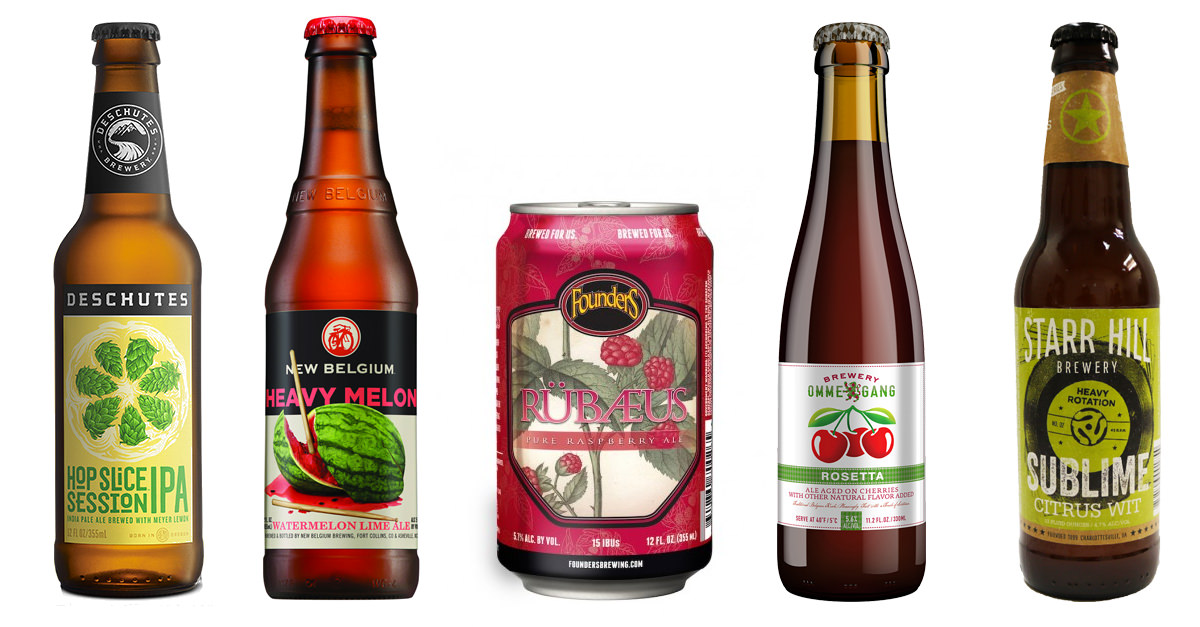
Fruity ales can be just as divisive. Subtle citrus or stone fruit notes from hops are one thing – dumping in purée until the beer resembles a fizzy fruit juice is another. When the fruit dominates completely, you’re no longer drinking beer so much as an alcoholic smoothie.
Losing the Character of British Beer
Traditional British beer styles have a quiet confidence about them. A good bitter doesn’t shout; it balances. A proper stout doesn’t need gimmicks; it delivers depth through simplicity. Mild, brown ale, porter – these styles evolved to be drinkable, social, and satisfying over a full evening, not just a novelty sip.
The danger with extreme flavour additions is that they mask poor brewing and erode appreciation for these classic styles. If everything tastes of caramel, vanilla, or tropical fruit, you lose the subtle differences between malts, hop varieties, and fermentation profiles that define great beer.
Is There Still Room for Experimentation?
Absolutely! Brewing has always involved experimentation, and some flavoured beers are genuinely excellent when done with restraint.
A hint of chocolate in a porter, a touch of orange peel in a winter ale, or a gently fruited seasonal beer can add interest without overwhelming the base style.
The issue isn’t creativity itself – it’s excess. When flavourings become the headline rather than the beer, something has gone awry.
A Quiet Return to Simplicity?
Interestingly, there are signs of a small backlash. Many drinkers are rediscovering the pleasure of a well-made bitter or a clean, unfussy stout. Pubs that focus on cask ales brewed with care rather than gimmicks often build loyal followings. After all, the pint you enjoy most is usually the one you’d happily order again.
Perhaps British beer doesn’t need to abandon innovation – just remember what made it special in the first place.
Weird flavours in beer can be fun as a one-off, but they shouldn’t dominate the bar. Beer doesn’t need to taste like dessert, fruit salad, or a confectionery aisle to be interesting.
Sometimes, a beautifully brewed, straightforward pint is the most radical choice of all.
So next time you’re faced with a salted caramel, triple-fruited, marshmallow-infused stout… it might be worth asking whether a classic bitter would hit the spot far better.
No comments:
Post a Comment
Your comments are welcome!