
Food and drink news for the discerning consumer
Wednesday, 30 April 2025
That's Christmas 365: Planning a Christmas in July Party: A Mid-Year Fes...
That's Christmas 365: Planning a Christmas in July Party: A Mid-Year Fes...: Who says Christmas magic is just for December? If you find yourself humming festive tunes in the middle of summer, you're not alone! Ch...
Welsh Honey Cake — Sweetness from the Valleys

Honey has long been treasured in Welsh cooking — not only as a sweetener, but as a symbol of healing, hospitality, and rural abundance.
This simple yet elegant cake offers a warm, spiced sweetness that’s perfect with an afternoon cup of tea or served as a rustic dessert. It's a beautiful way to honour the landscape and traditions of the Welsh valleys.
A Slice of Nature
Wales is home to lush pastures, wildflowers, and thriving native bees. In regions like Monmouthshire, Carmarthenshire, and the Brecon Beacons, beekeeping has been practised for centuries.
Welsh honey is prized for its depth of flavour — ranging from light floral notes to dark, rich heather honey. This cake is a celebration of that tradition.
Regional Twists
South Wales (Valleys & Carmarthenshire)
Often includes mixed spice and a touch of orange zest.
Topped with a simple honey glaze.
North Wales (Conwy, Snowdonia)
Uses heather honey for a stronger, darker flavour.
May include ground almonds or a splash of whisky. Welsh whisky is best, obviously!
Contemporary Versions
Served with clotted cream or honeyed mascarpone.
Infused with lavender or lemon thyme for an intriguing floral note.
Traditional Welsh Honey Cake Recipe
Ingredients:
150g unsalted butter
150g Welsh honey (plus 2 tbsp extra for glazing)
75g light brown sugar
2 large eggs
200g self-raising flour
1 tsp mixed spice
Zest of 1 orange (optional)
Pinch of salt
Method:
Preheat your oven to 160°C (140°C fan) / 320°F / Gas Mark 3. Grease and line a 1lb loaf tin.
In a saucepan, melt the butter, honey, and sugar over low heat. Let it cool for 5 minutes.
Beat in the eggs one at a time, then stir in the orange zest (if using).
In a separate bowl, sift together the flour, salt, and mixed spice.
Gradually fold the dry ingredients into the wet mixture until smooth.
Pour into the prepared tin and bake for 45–50 minutes, or until a skewer comes out clean.
While still warm, brush the top with the extra honey for a sticky, glossy finish.
Allow to cool before slicing.
Serving Suggestions
Perfect with a cup of Welsh breakfast tea.
Add a dollop of whipped cream or yoghurt for a dessert-style finish.
Keeps well and even improves after a day or two, making it great for gifting.
Welsh Honey Cake: Sweetness with Soul
Whether you're using wildflower honey from a local market or a treasured jar from a family beekeeper, this cake is a delicious way to connect with Welsh landscapes and heritage.
Simple, satisfying, and full of warmth — a true gem of the valleys.
Coming next: Crempog — The Welsh Pancake Tradition
Celebrate Father's Day With the Beefy Boys

The award-winning burger champions from Hereford have announced the release of an Ultimate Father's Day DIY Burger Box, as well a Live Father's Day Burger School experience with co-founder Murf, at the Royal Three Counties Show on Sunday 15th June.
Fresh from their Times-bestselling book, From Backyard BBQ to World Class Burgers, The Beefy Boys have created the perfect gift for foodie dads who like to fire up the grill at home, with the release of their Ultimate Father's Day DIY Box.
Packed with everything that is needed to recreate The Beefy Boys' world-famous smashed patties at home, the limited edition Father's Day Box includes their famous 100% Herefordshire beef, Peter Cooks' Brioche Buns, spicy Hellboy Sauce, and signature burger seasonings.
Along with these ingredients, the box also includes a can of Wye Valley 1985 lager, an official Beefy Boys trucker cap, and a hand-picked playlist of banging beats to soundtrack and enhance your burger flipping experience. With detailed instructions and pro tips from the boys themselves, it's the ultimate way to boss the BBQ and earn legendary dad status this Father's Day
In addition to this, The Beefy Boys' co-founder and burger master, Anthony 'Murf' Murphy, will be hosting The Beefy Boys' Burger School, a parent-and-child cook along experience, live at the Royal Three Counties Show in Malvern on Father's Day itself (Sunday 15th June).
Running at 11:30am, 2:30pm, and 3:30pm, this hands-on cook-a-long invites parent-and-child duos to roll up their sleeves and learn how to smash their own iconic Beefy Boys burgers together in this fun and fiery session, under Murf's guidance. The session will feature expert tips, plenty of laughs, and a delicious goodie bag to take home for all participants. Nice!
Tickets for The Beefy Boys' Burger School are available as an add-on to general admission for the Royal Three Counties Show – the Midlands' flagship celebration of farming, food and countryside life - and must be booked in advance.
Whether you're staying in the comfort of your own back garden or heading out to sizzle with Murf this Father's Day, The Beefy Boys are serving up two epic ways to treat your dad, your mate, or yourself this Father's Day. Because nothing says 'I love you, dad', quite like a world-class burger.
The Beefy Boys' Ultimate Father's Day DIY Box costs £39.99 and can be purchased from https://thebeefyboys.com/product/fathers-day-diy-box/
Tickets to The Beefy Boys' Burger School at the Royal Three Counties Show cost £50 and admit two participants each. Tickets can be purchased from the Royal Three Counties Show website, and must be accompanied by a General Admission ticket for the show.
Adult tickets start at £24, and children up to the age of 15 can attend for free.
Choosing the Best Pet Foods: What Every Pet Owner Should Know

But what about the food we put in their bowls every day? Just as we scrutinise ingredients and nutrition labels on our own food, and what we feed our children, we should be just as vigilant with what our pets eat.
Sadly, far too many commercial pet foods are loaded with preservatives, cheap fillers, artificial colours, and other additives that could harm your pet's health over time.
In this post, we’ll guide you through how to choose high-quality food for your dogs, cats, parrots, and other common pets, because if you care about your own diet, it’s only right to care just as much about theirs.
Why Quality Pet Food Matters
Pets rely on us entirely for their wellbeing. The right food supports their immune system, digestion, energy levels, coat or feather condition, and even their mood. Poor-quality food, on the other hand, can lead to obesity, digestive problems, skin irritations, allergies, and long-term health issues.
Think of your pet’s food as you would your own weekly shop. Would you feel good eating fast food and nothing else? Probably not. And neither will your pet thrive on food full of unnamed meat by-products and chemical preservatives.
Common Red Flags in Pet Food
Here are a few ingredients and practices to watch out for when buying pet food:
Meat by-products or animal derivatives: These often include low-grade parts of animals not considered fit for human consumption.
Artificial preservatives like BHA, BHT, and ethoxyquin: These are controversial and have been linked to health concerns.
Artificial colours and flavours: Pets don’t care about the colour of their kibbles, and these additives serve no nutritional purpose.
Corn, wheat, and soy fillers: Cheap bulking agents that offer minimal nutritional value and can cause allergies in some pets.
Generic fat sources: Ingredients labelled as “animal fat” or “poultry fat” without specifying the source can be questionable.
Choosing the Best Food for Your Pet
Dogs
Look for named protein sources: Ingredients such as “chicken,” “beef,” or “salmon” should be listed first.
Avoid cheap kibbles: While seemingly economical, they often contain high levels of grain fillers and artificial additives. And can work out more expensive over time.
Consider fresh or raw options: Many UK-based companies now offer gently cooked or raw dog food subscriptions with human-grade ingredients.
Read the label: If you can’t pronounce half the ingredients, it’s worth reconsidering the product.
Cats
Cats are obligate carnivores, meaning they require a meat-based diet. Avoid foods that are grain-heavy or contain too many vegetable-based proteins.
Moisture matters: Wet food is often better for hydration and urinary tract health.
Avoid “complete” foods with poor-quality meat meals and instead look for real meat and added taurine, an essential amino acid for cats. And also avoid so-called "vegan" cat foods. They are called obligate carnivores for a reason.
🦜 Parrots and Birds
Steer clear of seed-only diets: Many shop-bought seed mixes are fattening and lack essential nutrients.
Offer fresh vegetables, fruits, and formulated pellets: Choose pellets made without artificial colours or sweeteners.
Rotate fresh produce: Variety helps mimic natural diets and supports mental stimulation.
🐰 Small Mammals (rabbits, guinea pigs, etc.)
Hay is king: Unlimited access to high-quality hay is crucial for digestion and dental health.
Watch pellet ingredients: Choose ones with no added sugar or artificial dyes.
Avoid muesli-style mixes, which can encourage selective eating and lead to nutritional imbalances.
.jpg)
Do your research: Look into brands, read reviews, and check independent pet food rating websites.
Consult your vet or an animal nutritionist: They can help guide you based on your pet’s age, health conditions, and activity level.
Consider home-prepared meals (with care): If done correctly and with expert guidance, cooking for your pet can be an excellent way to ensure quality.
Rotate protein sources: Helps prevent sensitivities and provides variety.
Be mindful of recalls: Stay updated with UK pet food recall alerts.
Final Thoughts: If It Matters for You, It Matters for Them
Our pets are family. If we wouldn’t feed ourselves processed food every day, we shouldn’t expect our animals to thrive on it either. A little time spent reading labels, researching brands, and exploring healthier options can lead to happier, healthier lives for our furry and feathered friends.
Just as you’d want the best for your child, your pet deserves real, wholesome nutrition — not just something cheap and convenient in a shiny bag. After all, they trust us to make the right choices.
Tuesday, 29 April 2025
How World Day for Safety and Health at Work Can Improve Safety in Restaurants, Pubs and Eating Places

For the hospitality industry—especially restaurants, pubs, and cafés—this is an ideal time to take stock, improve practices, and foster a culture where both staff and customers feel protected.
While safety might not always be the most glamorous part of the service industry, it is absolutely essential. Kitchens, bars, and dining areas are full of potential hazards, from sharp knives and hot oil to slippery floors and heavy lifting.
Here's how food and drink businesses can use this global awareness day to improve their standards and support their teams.
1. Review and Update Risk Assessments
Start by conducting a full review of your current health and safety policies. World Day for Safety and Health at Work is a great annual reminder to reassess:
Fire safety procedures
Slips, trips and falls
Food hygiene controls
Manual handling
Use of cleaning chemicals
Are risk assessments up to date? Have there been any changes to the layout, equipment, or staffing that require a reassessment? Use the day to double-check compliance with UK legislation, such as the Health and Safety at Work Act 1974 and Food Safety Act 1990.
2. Provide Refresher Training for Staff
Even experienced staff benefit from reminders. Organise short refresher training sessions on key topics:
Knife safety and equipment handling
Safe lifting techniques
Allergen awareness and food hygiene
Mental health and stress management
Make it engaging—consider quizzes, toolbox talks, or even role-playing scenarios. Training on World Day for Safety and Health at Work reinforces your commitment to your team’s wellbeing.
3. Involve Staff in Safety Discussions
Safety isn’t just a top-down directive. Frontline staff often spot issues that management might miss. Use the day to host a team safety meeting:
Ask for feedback on hazards
Invite ideas on improving workflows
Discuss near-miss incidents and how to prevent them
Create an anonymous suggestion box or survey if your team prefers to share concerns more privately. Employees are more likely to follow safety protocols if they feel heard and involved in the process.
4. Check Equipment and Maintenance
Is your equipment in good working order? Faulty or unmaintained tools are a leading cause of accidents in hospitality. On this day, set aside time to:
Inspect gas hobs, fryers, and ovens
Test fire extinguishers and alarms
Service extraction fans and refrigeration units
Review COSHH compliance for cleaning chemicals
A well-maintained kitchen is a safer, more efficient one—and it reduces long-term costs by preventing breakdowns.
5. Raise Awareness on Mental Health
The hospitality industry is fast-paced and often stressful. World Day for Safety and Health at Work is an opportunity to promote psychological safety as well as physical. Consider:
Sharing mental health resources (like those from Mind or Hospitality Action)
Promoting open conversations around stress and burnout
Offering quiet spaces or scheduled breaks to support staff wellbeing
The day can be a springboard for ongoing efforts to improve morale, reduce staff turnover, and build a stronger team.
6. Engage Customers in Your Commitment to Safety
Don’t keep your efforts behind the scenes. Share your commitment to safety with your customers:
Post your participation in World Day for Safety and Health at Work on social media
Highlight any improvements or staff training you’ve done
Display your food hygiene rating and safety policies
This transparency builds trust and reassures customers that your venue takes safety seriously.
Final Thoughts
World Day for Safety and Health at Work is more than a date on the calendar—it’s an opportunity to take proactive steps that make a real difference. Whether you run a cosy village pub, a bustling city restaurant, or a local café, investing time in health and safety benefits everyone: owners, staff, and guests alike.
By making safety a priority today, you’re building a stronger, more sustainable business for tomorrow.
Gemak Sets New Standards in UK Whey Processing With Welsh Creamery

From its inception to commissioning, this project highlights a transformative journey in the UK dairy industry, setting new benchmarks in efficiency and environmental stewardship.
The Genesis of Project Dragon
South Caernarfon Creameries, Wales’ oldest and largest farmer-owned dairy co-operative, with 160 farmer members supplying locally sourced Welsh milk, produces over 20 varieties of high-quality Welsh and British cheeses embarked on a £15 million expansion plan to increase its cheese production capacity from 15,000 tons to 23,000 tons annually.
Backed by a £5 million grant from the Welsh Government’s Food Business Investment Scheme, this investment aimed to bolster SCC’s resilience and competitiveness in the global market.
Alan Wyn-Jones, Managing Director of SCC, mentioned that “After a thorough tendering process, Gemak was chosen due to their ability to integrate into our existing processes and systems, lead times, quality and competitiveness.”
Gemak: An Industry Leader
Established in 1986, Gemak specialises in the design and manufacture of world-class hygienic processing equipment and engineered solutions for the dairy, beverage, food, plant-based, and chemical sectors.
A Vision Realised: Advanced Technology and Sustainability
Gemak’s role in “Project Dragon” was pivotal. Besides leveraging its expertise in designing and manufacturing hygienic whey processing plant, the project also included a new milk and cream processing plant, storage silos, and a CIP unit for SCC’s existing cheese plant. The facility boasts a processing capacity of 600 tonnes per day of milk and whey concentrate, making it one of the most advanced dairy processing plants in the UK. This groundbreaking technology not only ensures exceptional product quality but also streamlines processes, reducing energy consumption, reduction in carbon footprint and optimising resource utilisation.
Kursat Uysal of Gemak UK expressed the company’s enthusiasm for the partnership: “We were proud and excited to have been chosen by SCC as their technology partner for this project and even more proud to have successfully completed and achieved KPIs. This milestone marks an important step for Gemak in entering the UK whey processing market.”
Pioneering Sustainability Achievements
Andrew Lyons from Engineer IQ, who led the process project management, stated, “The plant was designed to deliver optimal operational efficiency and sustainable solutions with stringent KPIs on waste levels, utility consumption, and operating costs.”
The completion of Project Dragon goes beyond conventional targets, achieving above expectation sustainability milestones. Initially designed for net-zero water consumption on-site, the facility exceeded expectations, earning a “Net Zero Plus water” distinction by generating over 100,000 litres of high-quality clean water daily beyond what is recovered and reused on-site.
Gemak also delivered a facility capable of processing whey at a rate of 30 tons per hour and producing whey concentrate from RO (HIRO) with an unprecedented capability of 30% total solids—a first in the UK.
Alan Wyn-Jones expressed his satisfaction upon the project’s completion:
"Completing this project has been both a challenging and rewarding experience. Gemak’s team demonstrated dedication and expertise, making the collaboration productive. Their hard work played a key role in achieving our goals. I appreciate their commitment and look forward to future collaborations."
The project’s success is a testament to the collaborative efforts of SCC, Gemak, and their partners. Gemak worked closely with industry leaders Alfa Laval, Schneider Electric, Tetra Pak, Grundfos, and Ematics to deliver a truly world-class facility.
Gemak would like to extend their gratitude to Andrew Lyons and Richard Pettifor who has been crucial and involved in process design, problem solving and execution.
Kursat Uysal also reflected on the project’s successful completion and commissioning:
“We're thrilled and delighted to have completed this monumental project despite the challenges along the way. Establishing one of the UK’s most advanced whey processing facilities, capable of producing whey concentrate with 30% total solid, is a milestone for the UK dairy industry and a source of immense pride for us.
"I would like to extend my heartfelt thanks to our valued client SCC, the dedicated Gemak team, and all our solution partners for their perseverance and commitment.
"By exceeding our KPI’s, this project has greatly contributed to sustainability and efficiency, and we believe it will pave the way for many more important projects. We eagerly look forward to collaborating on future projects with SCC and achieving new milestones together."
Dad's Love Fudge?
.png)
With Father's Day just around the corner why not get your father, or the father figure in your life, something truly unique and really special.
Some genuine handmade, artisan fudge from Fudge Kitchen, crafted right here in the UK using only traditional methods and natural, sustainable ingredients.
Fudge Kitchen offers a product that's as indulgent as it is unique.
Made in the garden of England, Kent, this is fudge that your grandmother would have made, if she would have had the special Fudge Kitchen recipes!
To learn more or to order visit them at www.fudgekitchen.co.uk
Anglesey Eggs: Welsh Comfort on a Plate

Named after the beautiful island of Ynys Môn (Anglesey) in north-west Wales, this dish is a beloved staple of traditional home cooking.
At its heart, Anglesey Eggs combines creamy mashed potatoes, leeks, and hard-boiled eggs, all smothered in a rich cheese sauce and baked until bubbling and golden. It’s comforting, economical, and deeply satisfying — the very essence of Welsh kitchen traditions.
Rooted in Rural Life
Anglesey has long been known as the "breadbasket of Wales" for its fertile farmland and strong agricultural traditions. Eggs, potatoes, and leeks were everyday ingredients in most rural Welsh homes, and clever cooks combined them to create this hearty bake.
It was — and remains — a perfect way to make nourishing meals from humble staples.
Regional Twists
Anglesey Island
Always features plenty of leeks, often gently sweated in butter.
Topped with mature Caerphilly cheese or cheddar.
North Wales Mainland (Bangor, Caernarfon)
Some versions include crisped bacon or a spoonful of mustard stirred into the mash for extra punch.
Modern Adaptations
Swaps in spinach or spring onions for leeks.
Vegan versions use plant-based cheese and a tofu egg substitute.
Traditional Anglesey Eggs Recipe
Ingredients:
6 large free-range eggs
700g potatoes, peeled and diced
2 leeks, finely sliced
50g butter
100ml milk (plus extra if needed)
150g mature Welsh cheddar or Caerphilly cheese, grated
2 tsp Welsh mustard (optional) https://www.welshfood.co.uk/mustards-16-c.asp
Salt and pepper, to taste
A little extra butter for greasing
Method:
Boil the potatoes in salted water until tender. Drain and mash with butter and milk. Season well.
Meanwhile, boil the eggs for 8–10 minutes until hard. Cool under cold water, then peel and halve.
In a pan, gently cook the leeks in a little butter until soft.
Stir the leeks and mustard (if using) into the mash.
Spread half the mash into a greased ovenproof dish. Arrange the halved eggs on top, then cover with the remaining mash.
Scatter the cheese generously over the surface.
Bake in a preheated oven at 200°C (180°C fan) / 400°F / Gas Mark 6 for about 20–25 minutes, until golden and bubbling.
Serving Suggestions
A crisp green salad to cut through the richness.
Crusty bread or oatcakes on the side.
A glass of light white wine or, for a traditional touch, a mug of strong tea.
Anglesey Eggs: Nourishment from the Heart
This simple dish is proof that Welsh cuisine shines brightest when it celebrates good ingredients and thoughtful cooking.
Perfect for reconnecting with your roots — or just for warming up a grey day — Anglesey Eggs is true culinary hygge, the Welsh way.
Coming next: Welsh Honey Cake — Sweetness from the Valleys
Saturday, 26 April 2025
Could Protein Supplements and Shakes Be Linked to Colon Cancer?
.jpg)
However, as these products have grown in popularity, so too have concerns about their long-term health effects.
One area receiving increasing attention is the potential link between regular use of protein supplements, particularly certain types, and an increased risk of colon cancer.
Understanding Protein Supplements
Protein supplements come in various forms: whey, casein, soy, pea, and rice protein powders are among the most common. They are heavily marketed to athletes, gym-goers, and those aiming for a high-protein diet. While they can certainly offer convenience and support muscle growth, not all protein supplements are created equal. Some products contain added sugars, artificial sweeteners, preservatives, and even undisclosed ingredients.
The Potential Cancer Connection
Emerging research suggests that diet plays a significant role in colon cancer risk. High intake of processed and red meats has long been associated with increased risk, but now attention is turning to highly processed supplements too. Although protein powders themselves are not meats, they can sometimes mimic the effects of a high-protein, low-fibre diet — a dietary pattern associated with colon issues.
Some key points that scientists are exploring include:
High Protein, Low Fibre Diets: Fibre helps to protect the colon by supporting healthy digestion and feeding beneficial gut bacteria. Diets very high in protein but low in fibre may lead to harmful changes in the gut microbiome, potentially raising colon cancer risk. Many people using shakes may inadvertently reduce their intake of fibre-rich foods.
Processing and Additives: Some protein powders are highly processed and contain additives that could contribute to inflammation or oxidative stress, both of which are linked to cancer development.
Hormonal Effects: Certain animal-based protein powders, like whey and casein, can influence levels of insulin and other growth factors in the body. Elevated levels of insulin-like growth factor-1 (IGF-1) have been associated with a higher risk of several cancers, including colon cancer.
Contaminants: Testing has found that some protein powders contain traces of heavy metals like arsenic, lead, and cadmium, especially products made outside of regulated markets. Long-term exposure to such contaminants can contribute to cancer risk.
What Does the Research Say?
It is important to note that, currently, there is no definitive proof that protein shakes themselves cause colon cancer. Most available studies suggest potential risks based on associated dietary patterns rather than direct causation.
For example, a 2023 review published in Nutrition and Cancer discussed how high-protein, low-fibre diets could alter gut health in ways that might increase the risk of colorectal cancer. Another 2022 study from Cancer Epidemiology hinted at possible risks tied to ultra-processed food consumption overall — which includes many types of ready-to-drink protein shakes.
However, no large, high-quality, long-term studies have yet confirmed a direct link between protein supplements and colon cancer specifically.
How to Protect Your Health
If you use protein supplements regularly but are concerned about potential risks, there are sensible steps you can take:
Prioritise whole foods: Try to get most of your protein from whole food sources like lean meats, beans, lentils, nuts, seeds, eggs, and dairy.
Choose cleaner supplements: Look for third-party tested protein powders without artificial additives, and with minimal processing.
Keep fibre intake high: Even if you’re using shakes, make sure you are also consuming plenty of fruits, vegetables, whole grains, and legumes.
Moderation is key: Occasional use of protein shakes as part of a balanced diet is unlikely to pose significant risks.
Stay informed: As research continues to evolve, staying aware of new findings will help you make the best choices for your health.
Final Thoughts
While the current evidence linking protein supplements and colon cancer remains preliminary, it’s clear that diet quality as a whole plays a vital role in cancer prevention. Relying heavily on processed foods — even protein shakes — at the expense of natural, fibre-rich foods could increase risk over time.
If you’re using protein powders, use them wisely: as a supplement, not a replacement. A balanced diet, rich in fibre and minimally processed foods, remains the best defence against colon cancer and many other chronic diseases.
Cawl: Wales in a Bowl

Hearty, nourishing, and steeped in history, cawl was originally a peasant dish, evolving over centuries to suit whatever ingredients were most readily available.
Today, it remains a warming staple — served at family gatherings, country fairs, and St. David’s Day celebrations across the nation.
The Heart of Welsh Hospitality
Historically, cawl was cooked in a large iron pot over an open fire, bubbling away slowly while families worked the land. It made use of the freshest root vegetables of the season, along with whatever meat was at hand — typically lamb, beef, or bacon.
Eating cawl was a communal experience: diners would ladle broth into bowls first, enjoying the liquid with bread and cheese, before moving on to the meat and vegetables.
Regional Variations
South Wales (Carmarthenshire, Gwent)
Lamb is the preferred meat.
Leeks, carrots, swede, and potatoes dominate.
Served with a wedge of sharp Caerphilly cheese.
North Wales (Gwynedd, Conwy)
Often features beef brisket instead of lamb.
Broth tends to be thicker, almost stew-like.
Sometimes enriched with barley.
Modern Variations
Vegetarian versions using leeks, celeriac, and parsnips.
Addition of fresh herbs like thyme or parsley.
Served with crusty sourdough or oat bread.
Traditional Cawl Recipe
Ingredients:
700g lamb neck or shoulder (bone-in, ideally)
2 large carrots, sliced
1 large leek, cleaned and sliced
1 small swede, diced
2–3 medium potatoes, peeled and chopped
1 onion, roughly chopped
A few sprigs of fresh thyme
1.5 litres of water or light lamb stock
Salt and black pepper to taste
Fresh parsley for garnish
Method:
Place lamb in a large pot with water or stock. Bring to the boil, skim off any scum, and simmer for 1 hour.
Add carrots, leek, swede, potatoes, and onion.
Season with salt, pepper, and thyme.
Simmer gently for another hour until the meat is tender and the vegetables are soft.
Remove the lamb, shred the meat, and return it to the broth (discarding any bones).
Serve hot, garnished with parsley, alongside crusty bread and mature Caerphilly cheese.
Traditional Way to Serve
First course: A bowl of the rich broth.
Second course: The tender meat and vegetables, often eaten with bread and cheese.
This two-stage serving style honours the humble yet hearty spirit of the dish.
Cawl: A Taste of Welsh Soul
More than just soup, cawl represents the hospitality, resilience, and resourcefulness of the Welsh people. Reconnect with your heritage by ladling up a steaming bowl of tradition — no special occasion necessary. Cawl was actually a dish known in my family, from my Welsh Grandmother. And my wife, who also comes from Welsh stock, also makes Cawl.
Coming next: Anglesey Eggs — A Homely Welsh Comfort.
The Tasty Tale of Pukka Pies: A British Favourite
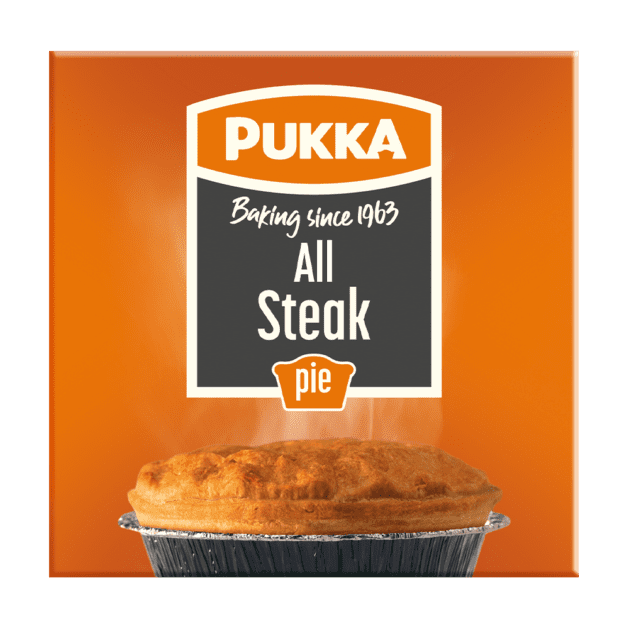
Found everywhere from chippies to football grounds, via supermarkets and corner shopd, Pukka has earned its place in the hearts (and stomachs) of the nation. But where did it all begin? Let’s take a closer look at the rich history behind this much-loved name.
A Modest Beginning
The story of Pukka Pies started back in 1963, in the Leicestershire town of Syston. The company was founded by husband-and-wife team Trevor and Valerie Storer.
Originally trading under the name Trevor Storer's Home Made Pies, the business was born out of Trevor’s ambition to create quality, tasty pies that could be enjoyed across the country. His experience as a sales manager for a bakery firm gave him the insight and skills needed to turn this dream into a reality.
Trevor crafted the original recipes himself, beginning with just a few pie varieties made in a small bakery. Demand quickly grew, and it wasn’t long before the Storers realised they had something truly special on their hands.
The Birth of 'Pukka'
In 1964, just a year after starting the business, the Storers decided a rebrand was in order. They wanted a name that captured the quality and reliability of their pies. They landed on 'Pukka', a word taken from Hindi meaning genuine or first class, which had become part of British slang by the 1960s. It perfectly summed up their philosophy — to make pies that were the real deal.
Thus, Pukka Pies was officially born, and the company began its steady rise to fame.
Growth and Popularity
Throughout the 1970s and 1980s, Pukka Pies expanded rapidly. Their pies became a staple at fish and chip shops, sports stadiums, and working men’s clubs up and down the country. The company’s marketing leaned into this association with everyday British life, positioning their products as accessible, hearty, and satisfying.
Football fans in particular have long associated Pukka Pies with the half-time experience, with warm meat pies providing essential sustenance on chilly match days.
By the 1990s, Pukka was producing millions of pies annually, cementing their reputation as one of Britain’s favourite pie brands.
A Family Business at Heart
Despite its growth, Pukka Pies has remained a family-run business. After Trevor retired, the leadership of the company passed to his sons, Tim and Andrew Storer. They have continued to expand the brand while staying true to the original values of quality and consistency.
Today, Pukka produces not only the classic steak and kidney and chicken and mushroom pies but also a wide range of flavours to suit modern tastes, including vegetarian and vegan options. The brand has also refreshed its image in recent years to appeal to a broader audience, all while keeping that classic 'proper pie' reputation intact.
A Modern British Icon
Now producing around 60 million pies every year, Pukka Pies has secured its status as a national treasure. Whether enjoyed with chips and mushy peas, grabbed during a footie match, or baked at home for a comforting dinner, Pukka remains a delicious slice of British life.
From humble beginnings in a small Leicestershire bakery to becoming a household name, the story of Pukka Pies is a shining example of great British entrepreneurship — and, of course, a love for a good pie.
My favourite is their Steak Pie. What's yours? Please tell us in the comments below.
Friday, 25 April 2025
Edible Flowers: Which Ones Are Safe to Use and Which to Avoid

Mehgan Markle has recently spoken about eating flowers. Some flowers can be eaten, some are toxic.
I decided to write this post to help you work out which are which.
Adding flowers to dishes can bring an extra touch of elegance and intrigue, whether you're decorating cakes, garnishing cocktails, or experimenting with floral flavours in your cooking.But not all flowers are safe to eat—some can cause anything from mild discomfort to serious illness.
In this post, we’ll explore which flowers you can safely use in the kitchen and which ones to keep strictly ornamental.
Edible Flowers: Safe and Delicious
These flowers are not only safe to eat, but they also add unique flavours and textures to sweet and savoury dishes alike:
1. Violas and Pansies
Delicate and slightly sweet, these are ideal for decorating cakes, salads, and even ice cubes.
2. Calendula (Marigold)
Sometimes called "poor man's saffron", calendula petals add colour and a peppery, slightly tangy flavour to soups, salads, and rice dishes.
3. Nasturtiums
These vibrant flowers offer a peppery kick, making them a great addition to salads, canapés, and cheese boards.
4. Lavender
Best used sparingly, lavender has a strong, floral flavour that works beautifully in baked goods, syrups, and even roast meats.
5. Chive Blossoms
A subtle onion flavour with a touch of sweetness makes chive flowers a brilliant garnish for soups, potatoes, and savoury tarts.
6. Elderflowers
Most famously used in cordials and syrups, elderflowers also pair well with gooseberries, rhubarb, and sparkling wine.
7. Roses
Rose petals (free of pesticides) can be used in syrups, jellies, and desserts. They have a delicate, perfumed flavour—perfect in Turkish delight or rosewater-infused dishes.
8. Borage
With a mild cucumber flavour, borage flowers are great in drinks, summer salads, or frozen into ice cubes for a pretty punch bowl.
Toxic or Inedible Flowers: Avoid These
Some flowers may look lovely but are toxic or at least mildly harmful if ingested. Here are a few to steer clear of:
1. Foxglove
Extremely poisonous. Even small amounts can affect the heart. Never use as a garnish.
2. Lily of the Valley
Highly toxic and absolutely not for consumption, even in small decorative quantities.
3. Hydrangeas
Common in garden displays but contain cyanogenic compounds that can be dangerous when ingested.
4. Daffodils
All parts of the daffodil are toxic. They've been known to cause serious illness if mistaken for leeks or onions.
5. Sweet Peas
Despite the name, sweet peas are not edible and can cause nausea and weakness if consumed.
6. Buttercups
These are mildly toxic and can cause stomach upset. Best to avoid altogether.
Tips for Cooking with Flowers
Buy organic or grow your own: Make sure flowers haven’t been treated with pesticides or chemicals.
Identify with certainty: If you're unsure whether a flower is edible, don’t take a chance.
Use sparingly: Even edible flowers can cause allergic reactions in some people. Test in small amounts.
Remove stamens and pistils: These parts can be bitter or cause allergies—use just the petals in most cases.
Final Thoughts
Cooking with flowers can elevate your food visually and in flavour—but it's important to know exactly what you’re using. Stick with known edible varieties and always avoid flowers that are toxic or chemically treated.
Would you like a printable cheat sheet or a seasonal guide to edible flowers? Let me know and I’ll whip one up!
Celebrating British Cider Week 2025: A Toast to Tradition and Taste

British Cider Week 2025 is in full swing, running from 24th April to 5th May, offering a delightful celebration of the UK's rich cider-making heritage.
This annual event brings together cider enthusiasts, producers, and neophytes to explore the diverse and exciting world of British cider through tastings, tours, and special events across the country.
What is British Cider Week?
Launched in 2023 by a collaboration of dedicated and passionate cidermakers, British Cider Week aims to shine a spotlight on the UK's vibrant cider industry.
From traditional farmhouse ciders to innovative new blends, the week-long celebration offers something for everyone, whether you're a seasoned connoisseur or a curious newcomer.sandfordorchards.co.uk
Highlights of British Cider Week 2025
This year's festivities feature a plethora of events designed to engage and educate cider lovers:
Cydermaster 'Behind the Scenes' Experience: Healeys Cornish Cyder Farm in Penhallow, Cornwall, invites visitors to delve into the cider-making process with their Cydermaster Pass. Explore the inner workings of the farm and gain insights into traditional cider production.
Cider Farm Tours and Tastings: Cornish Orchards at Westnorth Manor Farm in Duloe, Liskeard, offers guided tours showcasing the journey from orchard to bottle. Participants can enjoy tastings of their finest ciders.
Meet the Maker: Ganley & Naish Cider hosts an afternoon event at The Fallen Tree in Clifton, Bristol, where attendees can meet Andy, the cidermaker, and learn about his craft.
Cider and Cheese Tasting: Luke's Cider Tap in London presents a curated selection of six exceptional ciders paired with artisanal cheeses, guided by cider expert Luke.
Orchard Walks: Isaac Cider in Beaminster, Dorset, invites guests to stroll through their blossoming orchards, offering a serene experience amidst nature.
Special Cider Pairing Menu: The Railway Inn in Sandford, Somerset, in collaboration with Thatchers Cider, offers a specially crafted menu pairing their ciders with delectable dishes throughout the week.
Why Celebrate British Cider Week?
British Cider Week is more than just a series of events; it's a celebration of the UK's cider heritage and the passionate individuals behind it. By participating, attendees support local producers, discover new flavours, and deepen their appreciation for this quintessentially British beverage.
With events spanning the length and breadth of the UK, there's something for everyone during British Cider Week 2025. Whether you're interested in hands-on experiences, educational tours, or simply enjoying a refreshing pint in a picturesque orchard, this week offers a unique opportunity to immerse yourself in the world of British cider.
For a comprehensive list of events and to plan your cider journey, visit the official British Cider Week website: britishciderweek.org.uk
Raise a glass and join the celebration—here's to British Cider Week 2025!
Sandford Orchards Celebrates British Cider Week by Launching New Limited Edition High Tides Cider in Collaboration With Ganley & Naish

The new limited edition High Tides Cider (ABV 5%) will be available in 500ml bottles from Sandford Orchards, Ganley & Nash and selected retail outlets.
Ganley & Naish x Sandford Orchards High Tide (ABV 5%, 500ml bottles, RRP £2.75) is crafted from a blend of wild-fermented early bittersweets and Browns apples. This medium cider marries the signature characteristics of Ganley & Naish and Sandford Orchards to create a beautifully balanced cider.
Barny Butterfield, Chief Cider Maker at Sandford Orchards comments: “High Tides is a lovely cider that really incorporates both makers' styles into the bottle. The apples really shine in this blend. Browns bring acidity, Dabinetts bring tannins on the finish and the vintage bittersweet apples help to give the cider tonnes of body and structure.”
The chance to work with the team at Sandford Orchards to produce a collaboration limited edition cider was part of Ganley & Naish's prize for winning the 2023 Breakthrough Cider Maker Awards.
These awards, set up in 2019 by Sandford Orchards to support emerging producers, recognise and celebrate excellent quality whole juice ciders from around the UK. The winners also benefit from an invaluable package of guidance, vouchers to spend with suppliers and opportunities to have their cider sold by new retailers and venues.
Andy Jenkins, Chief Cidermaker at Ganley & Naish comments: “It has been a fantastic experience to see how a cider maker with the same ethos produces and packages cider on a much larger scale. Working alongside the team at Sandford Orchards, we carefully blended Sandford, Ganley and Naish cider to achieve the perfect balance. This has been an eye-opening experience—one that I will take back to our cidery to help us improve and refine our craft.”
Ganley & Naish Cider was founded in a back garden in 2011 by two friends, Steve and Andy and has been steadily growing ever since. They champion sustainability, organic, provenance and terroir and their ciders are all vegan, vegetarian and gluten free. They proudly display all the ingredients on their labels with all their ciders containing at least 90% juice.
Founded in 2002, independent, family-owned Sandford Orchards is based in Crediton, Mid Devon in the oldest working cider mill in the UK. They take a fresh, natural and low impact approach to producing cider. Combining tradition and innovation, Sandford Orchards produces an award-winning range of core session, traditional, fine and fruit ciders.
British Cider Week celebrates the depth and diversity of British cider. The week features events across the country hosted by a wide range of producers, from new young startups to traditional producers with generations of heritage. (More on British Cider Week later.)
For further information on Sandford Orchards please visit www.sandfordorchards.co.uk, follow Sandford Orchards on X, Facebook and Instagram. For more information on Ganley & Naish please visit www.ganleyandnaish.co.uk. For more information on British Cider Week please visit www.britishciderweek.org.uk.
Welsh Rarebit: The Golden Crown of Pub Grub

It's a rich, indulgent dish steeped in history — a staple of Welsh cookery that showcases how simple ingredients can become something deeply satisfying.
Think of it as a grown-up grilled cheese: strong cheddar, mustard, ale, and seasoning come together in a silky sauce, grilled to golden perfection atop thick slices of toast. Whether served in a country pub or a city café, Welsh rarebit is a national treasure.
A Humble History with Bold Flavour
The name "rarebit" is believed to be a playful twist on rabbit, possibly coined in the 18th century as a satirical jab — a “poor man’s meat.” But make no mistake: this dish is rich, flavourful, and comforting in a way that few others can match.
Traditionally made with Caerphilly or mature cheddar, it reflects the Welsh ethos of making the most of modest pantry staples. The result? Pure comfort food.
Regional Twists
South Wales (Cardiff, Swansea)
Often made with dark Welsh ales like Brains or Felinfoel.
May include leek or a pinch of cayenne for warmth.
North Wales (Conwy, Llandudno)
Served open-faced with grilled tomatoes or mushrooms on top.
Sometimes includes a dash of Worcestershire sauce.
Modern Twists Across Wales
Topped with a poached egg for "Buck Rarebit."
Served with a side of pickled shallots or chutney.
Traditional Welsh Rarebit Recipe
Ingredients:
25g butter
25g plain flour
150ml Welsh ale (or milk for a non-alcoholic version)
1 tsp English mustard powder
1 tsp Worcestershire sauce
175g mature Welsh cheddar, grated
2 slices thick-cut bread (sourdough or farmhouse work well)
Salt and pepper, to taste
Method:
Melt butter in a saucepan, then stir in flour to make a roux.
Slowly add ale, whisking continuously to form a smooth sauce.
Stir in mustard powder, Worcestershire sauce, and cheese.
Cook until melted and thick, then season with salt and pepper.
Lightly toast the bread, then spoon the cheese mixture generously on top.
Grill under a hot grill until bubbling and golden brown.
Optional Add-Ons
Buck Rarebit: Add a poached or fried egg on top.
Devilled Rarebit: Stir in a little paprika or chilli.
Luxury Rarebit: Use a blue cheese blend or truffle mustard.
Serving Suggestions
Perfect with a side of salad and chutney for lunch.
Cut into fingers and serve as a starter or canapé.
Ideal with a pint of Welsh ale or a strong cup of Welsh tea.
A Toast to Tradition
Welsh rarebit is more than just a dish — it’s a warming, welcoming reminder that the simplest foods, done right, can carry a nation’s identity. Whether you’re reconnecting with your Welsh roots or discovering the flavours for the first time, rarebit is a glorious place to start.
Coming next: Cawl — Wales in a Bowl
Laverbread & the Sea’s Bounty: A Taste of Coastal Wales
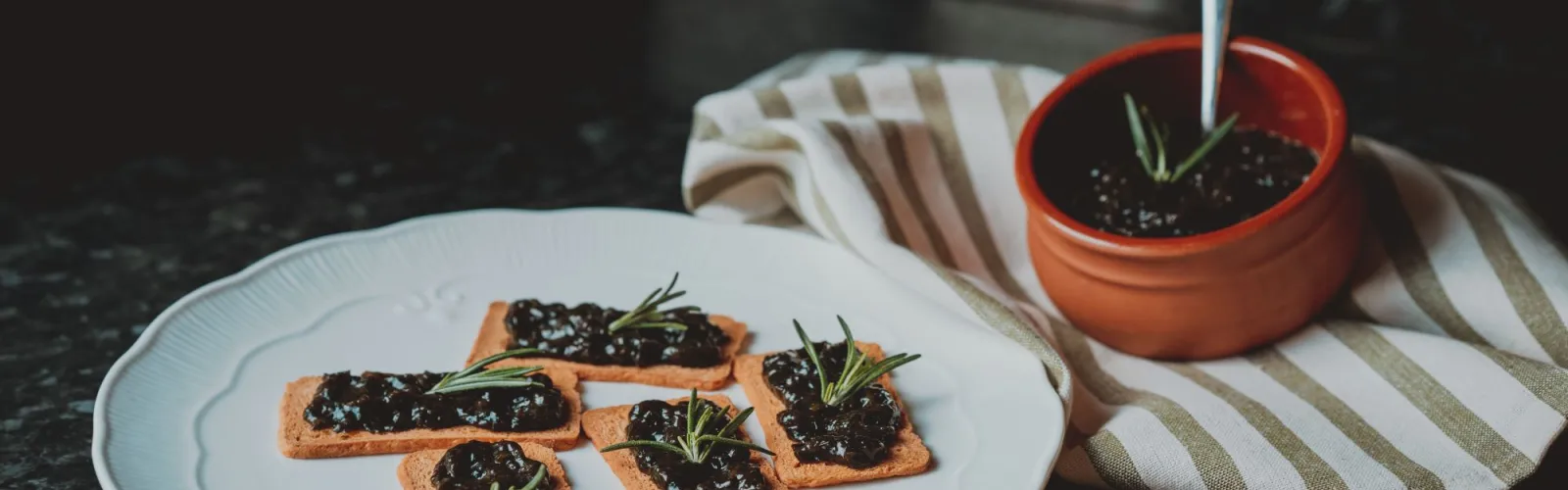
Made from cooked laver seaweed, this traditional food is most famously enjoyed along the coasts of Pembrokeshire, Gower, and Ceredigion, where it has been harvested for generations.
It’s often called “Welshman’s caviar” — and for good reason. Rich in iodine, iron, and umami flavour, laverbread has long been a prized part of the Welsh seaside diet.
A Coastal Tradition
Laverbread is made by boiling laver (Porphyra seaweed) for several hours until it turns into a dark, soft purée. It’s then either eaten cold, rolled in oats and fried, or stirred into dishes for a salty, rich depth.
Miners would take it to work with bread and bacon — a simple, sustaining meal packed with minerals. Today, it’s a feature of full Welsh breakfasts and gourmet menus alike.
Regional Variations
Gower Peninsula
Traditionally served rolled in oats and fried with bacon and cockles.
Often used in breakfast fry-ups or on toast with butter.
Pembrokeshire
Sometimes mixed with lemon juice and used as a savoury spread.
Also added to seafood stews and soups.
Modern Welsh Kitchens
Used in risottos, pasta, and even laverbread-stuffed mushrooms.
Blended with butter or cream cheese as a unique condiment.
Traditional Oat-Rolled Laverbread Cakes
Ingredients:
200g cooked laverbread (available fresh or tinned)
1 small onion, finely chopped (optional)
50g medium oats (plus extra for coating)
Salt and pepper
A knob of butter or splash of oil for frying
Method:
Mix the laverbread, oats, and onion together in a bowl. Season well.
Shape into small patties or balls.
Roll in additional oats to coat.
Heat a little oil or butter in a pan and fry for 2–3 minutes each side, until crisp and golden.
Serve hot, traditionally with fried bacon, cockles, and toast.
Modern Serving Suggestions
Spread on sourdough toast with a poached egg.
Stir into a bowl of hot buttery mashed potatoes.
Use to enrich seafood chowder or risotto.
Blend with butter and lemon juice as a topping for grilled fish.
A Salty Bite of Welsh Identity
Laverbread isn’t just food — it’s heritage from the tidepools of Wales. It connects us to coastal traditions, to the rhythm of the sea, and to generations who knew the value of sustainable, foraged nutrition.
If you’re reconnecting with your Welsh roots, don’t shy away from this bold, nutritious seaweed — it’s a true taste of place.
Coming next: Welsh Rarebit — The Golden Crown of Pub Grub
Glamorgan Sausages: A Vegetarian Heritage Dish

This crispy, cheesy, leek-filled delight hails from the Vale of Glamorgan and dates back to at least the mid 19th century.
Despite being entirely meat-free, it boasts a bold, savoury flavour – a true celebration of local ingredients.
Whether you're a lifelong vegetarian or just curious about traditional Welsh cooking, Glamorgan sausages are a must-try. And if you are vegan or cooking for a vegan vegan cheeses are now readily available.
A Meatless Marvel from Glamorgan
Originally made with Glamorgan or Caerphilly cheese, Glamorgan sausages became quite popular during the Second World War when meat was rationed.
While modern versions may use cheddar, the original used the crumbly, slightly tangy Caerphilly – a cheese produced in the region since the 1830s.
Bound with breadcrumbs, seasoned with herbs and mustard, and loaded with sautéed leeks, these sausages are pan-fried until golden. They're often served with mash, salad, or simply a dollop of chutney.
Regional Twists
Vale of Glamorgan (Traditional)
Uses Caerphilly cheese, finely chopped leeks, mustard, and thyme.
Rolled in fresh breadcrumbs before frying.
Cardiff & South Wales Valleys
Sometimes includes chopped parsley or chives.
May be served as part of a vegetarian fry-up.
Modern Welsh Kitchens
Variations with mature cheddar, red onion, or even a touch of smoked paprika.
Gluten-free versions use GF breadcrumbs and oat-based cheese.

Ingredients (Makes 6–8 sausages):
1 leek, finely chopped
1 tbsp butter
150g Caerphilly cheese (or mature cheddar), grated, or a vegan alternative
100g fresh white breadcrumbs (plus extra for coating)
1 tsp wholegrain mustard
1 tbsp chopped fresh parsley or thyme
1 egg, separated
Salt and pepper
A little milk, if needed
Oil or butter for frying
Method:
Sauté the leeks gently in butter until soft but not browned. Allow to cool slightly.
In a bowl, mix the cheese, sautéed leeks, herbs, mustard, breadcrumbs, and egg yolk. Season well.
If the mixture is too dry, add a splash of milk. If too wet, add more breadcrumbs.
Shape into sausages (about 8cm long), then roll in extra breadcrumbs.
Beat the egg white lightly and dip the sausages in it before rolling in more breadcrumbs (for extra crispiness).
Heat a little oil or butter in a pan and fry the sausages for 3–4 minutes on each side until golden brown.
Serving Suggestions
Serve with creamy mashed potatoes and onion gravy.
Excellent with a green salad and tangy apple chutney.
Or, make a Welsh vegetarian breakfast with grilled tomatoes, mushrooms, and laverbread?
Why Glamorgan Sausages Matter
These sausages remind us that traditional cooking isn't always about meat and two veg – it’s about using what’s local, seasonal, and full of flavour. Glamorgan sausages hold a special place in Welsh culinary heritage, proving that meat-free dishes can be just as rich and satisfying.
Coming next: Laverbread and Sea’s Bounty – Coastal Flavours of Wales.
RawQ From Tennis Star to You

The food bars they make and sell are specially designed to fuel everyday people but are already trusted by professional athletes to provide long-lasting energy.
Co-founded by certified health and nutrition coach Arina Kuzmina, RawQ was created to support her co-founder’s partner, tennis champion Daniil Medvedev, with natural, sustained energy during intense training and competition.
The energy bars are crafted with nutrient-dense, high-quality ingredients like buckwheat, nuts, and seeds, offering a natural boost without any artificial additives - and are totally gluten free. A real boon to my wife who is diagnosed with coeliac disease.
Whether you’re looking for a snack during your workday, on a train or bus journey, or perhaps a pre-workout pick-me-up, RawQ provides the perfect balance of protein, fibre, and healthy fats.
Also, with buckwheat emerging as a rapidly trending superfood (amassing millions of TikTok views, alone), these bars are as ahead of the curve as they are absolutely delicious. Good for you and so very, very tasty and somewhat moreish, too!
Cacao - Raspberry - Walnut
Box of 16, RRP: £47
Coconut - Spirulina - Almond
Box of 15, RRP: £42
Blueberry - Apple - Hazelnut
Box of 16, RRP: £47
Mango - Banana - Cashew
Box of 16, RRP: £47
Stocked on RawQ's own website, plus all major gyms and tennis clubs including the Roehampton Tennis Club, Queens Club, Padel Social Club, Equinox, BRX, Nobu Pilates and multiple healthy stores around London.
100% Natural: Containing zero flavouring agents or enhancers.
Long Lasting Energy: Unique combination of ingredients preventing blood sugar level fluctuations, providing energy for a prolonged period of time.
Powered by Buckwheat: A powerful superfood, rich in minerals, antioxidants and high in protein.
Not Dates: Containing zero high sugar ingredients such as dates, to prevent insulin spikes while providing high quality energy.
Suitable for any diet: The bars are vegan and don't contain gluten, lactose or refined sugar. They do contain Stevia.
Thursday, 24 April 2025
Welsh Cakes: Pice ar y Maen Through the Generations

Known in Welsh as Pice ar y Maen, these humble treats are a cross between a scone, a pancake, and a biscuit – delicately spiced, lightly sweetened, and cooked on a griddle rather than baked.
Unlike fancier desserts, Welsh cakes carry a sense of home and heritage. They’re the kind of recipe passed on through generations, each family adding their own twist – a little more spice, a splash of vanilla, a pinch of nutmeg.
A Quick History
Welsh cakes date back to at least the 19th century and were traditionally cooked on a maen – a flat, cast-iron griddle or bakestone placed over the fire.
They became popular as miner’s snacks, thanks to their portability and satisfying texture. No mess, no cutlery – just a dusting of sugar and a warm pocketful of comfort.
Regional Variations Across Wales
Pembrokeshire
Typically made thicker, with a higher ratio of flour to fat.
Sometimes include a pinch more spice (especially cinnamon or ginger).
Cardiff & South Wales Valleys
Often made with mixed peel or a hint of nutmeg.
Some versions include a splash of vanilla extract for extra aroma.
North Wales (especially around Llangollen)
Slightly crisper texture due to longer griddle cooking.
Occasionally served split and buttered, like scones.
Traditional Welsh Cakes Recipe
Ingredients:
225g self-raising flour
110g unsalted butter (cold and diced)
85g caster sugar (plus extra for dusting)
50g currants or sultanas
1 egg, beaten
1/2 tsp mixed spice (optional, but recommended)
Splash of milk (if needed)
Method:
Rub together the flour and butter with your fingertips until it resembles breadcrumbs.
Stir in the sugar, spice, and dried fruit.
Mix in the beaten egg until a soft dough forms. If it’s too dry, add a teaspoon or two of milk.
Roll the dough out on a floured surface to about 5mm thick.
Cut into rounds using a 6–7cm cutter.
Heat a bakestone or heavy frying pan over a medium heat (no oil needed). Cook each cake for 3–4 minutes on each side until golden brown and cooked through.
Dust with caster sugar while still warm.
Tip: The key is a gentle, even heat – too hot, and they’ll scorch before cooking through.
Delicious Variations
Chocolate chip & orange zest: Swap the currants for choc chips and add a little zest for a modern twist.
Apple & cinnamon: Finely grated apple and a touch of ground cinnamon offer a softer, autumnal variation.
Gluten-free version: Substitute with a gluten-free self-raising flour blend – add a dash of xanthan gum to hold the shape.
How to Serve Welsh Cakes
Best served warm, straight off the griddle.
Enjoy plain, or buttered with jam or clotted cream.
Pair with a cup of strong Welsh breakfast tea or a splash of mead for a nostalgic afternoon.
One Cake, Many Memories
From school bake sales to St David’s Day spreads, Welsh cakes remain a beloved constant in Welsh kitchens. Making them by hand – rolling, cutting, flipping – connects us to generations past, and keeps the tradition alive. Whether you're reviving an old family recipe or baking them for the first time, there's something wonderfully grounding in the rhythm of it.
Next up in the series: Glamorgan Sausages – A Vegetarian Heritage Dish.
Tasting Home: Traditional Welsh Meals, Desserts, and Drinks to Reconnect with Your Heritage
 |
| Courtesy La-Fontaine/Pixabay |
Wales boasts a rich culinary tradition, shaped by its rugged landscapes, coastal waters, and pastoral farming.
Whether you’re planning a trip, celebrating St David’s Day, or just fancy a taste of Cymru, these traditional Welsh meals, desserts, and drinks are a delicious way to honour your roots.
Traditional Welsh Meals
1. Cawl
Often considered the national dish of Wales, cawl is a comforting stew made with lamb or beef, leeks, potatoes, carrots, and swede. Traditionally cooked in one pot and left to simmer for hours, it’s hearty, wholesome, and perfect for colder months.
2. Welsh Rarebit
This isn't just cheese on toast! Welsh rarebit is a rich, savoury sauce made from melted cheese (typically Caerphilly or mature cheddar), mustard, ale, and Worcestershire sauce, poured over thick slices of toasted bread. It’s often finished under the grill for that perfect golden crust.
3. Glamorgan Sausages
A vegetarian favourite with historic roots, these sausages are made from cheese (usually Caerphilly), leeks, breadcrumbs, and herbs, then rolled in egg and breadcrumbs before frying. Crisp on the outside and soft inside, they’re a must-try for meat-free eaters.
4. Laverbread with Cockles and Bacon
A true coastal classic, laverbread (made from edible seaweed) is often served with cockles and crispy bacon for a salty, savoury breakfast or brunch. It’s packed with umami flavour and minerals – a proper taste of the sea.
Traditional Welsh Desserts
1. Welsh Cakes (Pice ar y Maen)
These delightful little griddle cakes are somewhere between a scone and a pancake. Made with flour, sugar, dried fruit, and a hint of spice, they’re cooked on a bakestone or griddle and served warm with a dusting of sugar. Perfect with a cup of tea.
2. Bara Brith
Translating to "speckled bread", this fruit loaf is made with tea-soaked dried fruit and mixed spices. It can be yeast-based or a quick bread, and it’s often served sliced and buttered. Every Welsh family has their own recipe!
3. Teisen Lap
A dense, moist cake from North Wales, traditionally cooked in a flat tin. It's a simple but comforting cake that pairs well with afternoon tea.
4. Crempogau (Welsh Pancakes)
These are thicker than traditional crêpes and often flavoured with buttermilk. Stack them high, serve with syrup or jam, and enjoy them as a breakfast treat or dessert.
Traditional Welsh Drinks
1. Welsh Ale and Cider
Wales is home to a growing number of craft breweries and cideries. Look for names like Tiny Rebel, Purple Moose, or Gwynt y Ddraig for modern takes on traditional brews. Historically, farmhouse cider and mild ales were staples across rural communities.
2. Penderyn Whisky
Distilled in the Brecon Beacons, Penderyn is a relatively young but internationally respected Welsh whisky brand. Their single malts offer a smooth, slightly sweet profile, ideal for sipping neat.
3. Mead
Once a favourite of the ancient Celts, mead (fermented honey drink) is enjoying a revival. Modern Welsh meaderies are bringing back this golden beverage with both traditional and flavoured variations.
4. Elderflower and Dandelion Cordials
Homemade cordials made from wildflowers and herbs have long been part of Welsh country life. Refreshing and floral, they’re perfect for mixing with water or sparkling drinks for a non-alcoholic taste of the past.
Reclaiming Heritage, One Bite at a Time
Reconnecting with your Welsh heritage doesn’t always require a grand gesture. Sometimes, it starts with baking a batch of Welsh cakes or simmering a pot of cawl.
These dishes carry the memories of generations – of kitchen tables, Sunday lunches, and family stories passed down. Whether you're a seasoned cook or a curious beginner, traditional Welsh food offers a flavourful path back to your roots.
Have you tried any of these dishes? Or do you have a family recipe to share? Let’s celebrate Welsh heritage together – one meal at a time.
Why Are So Many Steam Mops Ending Up in Secondhand Shops?
.jpg)
If you’ve been browsing your local charity shop or scrolling through Facebook Marketplace lately, you may have noticed a recurring theme among the secondhand offerings: steam mops.
From big-name brands to obscure Amazon finds, steam mops of all shapes and sizes are cropping up in unused or barely-used condition – often at a fraction of their original price.
So, what’s going on? Why are these supposedly time-saving, deep-cleaning gadgets being cast off in near-mint condition? Are steam mops not as magical as they seem, or is there more to the story?
The Appeal of the Steam Mop
Steam mops promise a lot. They use heated water vapour to sanitise hard floors without chemicals, cutting through grease, grime, and bacteria with ease. For anyone trying to reduce chemical cleaners or tackle mucky floors in kitchens, bathrooms, or pet-heavy homes, that sounds like a dream.
The marketing is compelling, too. Just fill it up, plug it in, and glide your way to spotless floors. Many models even claim to work on sealed wood, tiles, laminate, and more. In theory, it’s the 21st-century mop we’ve all been waiting for.
The Reality: Why So Many Are Abandoned
Despite the hype, many steam mops find their way into cupboards — and eventually charity shop shelves — for a few common reasons:
Not As Versatile As Expected: Some users discover steam mops aren’t suitable for their flooring. Unsealed wood and certain types of laminate can warp or suffer damage from too much moisture and heat.
Faffy to Use: Though advertised as easy, steam mops can be fiddly to set up and clean. The water tank needs regular refilling, and the cloth pads need washing or replacing. Some users simply revert back to their spray mop or traditional mop and bucket.
Disappointing Results: If floors aren’t visibly dirty, the steam mop may not seem to do all that much. And stubborn stains can still require scrubbing, which feels like a letdown after all that promise of “effortless” cleaning.
Impulse Buys: Let’s be honest — steam mops are often bought on a whim during a cleaning spree or while watching a home shopping channel. They’re not always well-researched purchases, which can lead to quick disappointment.
Storage Issues: They can be bulky, and in smaller homes or flats, they’re not the easiest of things to stash away neatly.
So, Are Steam Mops Worth Buying?
Maybe. For the right person, a steam mop can be a handy tool. If you have a lot of hard floors, particularly tiles or sealed surfaces, and you're keen to avoid chemical cleaners, they might work well. They can also be useful for cleaning up after pets or kids — especially in high-traffic areas.
But they’re not miracle machines. They still require effort, can’t be used on all surfaces, and might not replace traditional methods entirely.
Should You Buy One Secondhand?
Absolutely — with a few caveats:
Check the condition: Make sure it heats up, produces steam, and comes with the necessary accessories (like reusable cloth pads). And is certified as safe.
Look for reviews: Some models are known for breaking easily or underperforming. A quick Google search or a browse on consumer forums can save you trouble.
Sanitise before use: Give it a thorough clean before first use, especially if it’s been sitting unused for a while.
You might even find a bargain on a higher-end model that someone gave up on too soon.
The Bottom Line
Steam mops have a bit of a Marmite reputation — you’ll either love the convenience or loathe the faff. But if you spot one secondhand for a tenner or less, it could be worth giving it a go. Just don’t expect it to revolutionise your cleaning routine overnight.
Celebrate National Walking Month with Scenic Walks & Pub Charm Across the UK!
.jpg)
To celebrate National Walking Month, we’re highlighting the most picturesque countryside pubs, complete with scenic, local walks across the Premium Country Pub Collection - because there’s nothing quite like a cold, refreshing drink after a summer’s walk!
Whether you’re out for a leisurely stroll or embarking on an epic hike like The Cotswold Way, these pubs offer the perfect pit stop to refuel and unwind. So, lace up your boots, hit the trail, and make your walk even more enjoyable with a visit to one of these top-notch spots.

Overlooking the idyllic Surrey Hills, The Wooton Hatch in Dorking is a dog-friendly premium pub just a stone’s throw from the natural beauty of the National Trust’s Abinger Roughts and Netley Park.
A network of well-trodden trails winds through ancient woodland and open chalk downs, perfect for everything from short circular walks to more challenging hikes. Its expansive menu, made with the finest and freshest ingredients, makes it a tempting stop for walkers and foodies alike.
Nearby, you’ll find Denbies Wine Estate - one of the largest Vineyards in the UK. The Wotton Hatch is the perfect place to unwind after a hike up the infamous Box Hill, where panoramic views stretch for miles, or to enjoy a delicious meal before or after a wine tasting session. For a gentler route, follow the Mole Gap Trail, which links Dorking to Leatherhead through the stunning Surrey Hills landscape.
The Freemasons Arms, Hampstead

With over 800 acres of heathland, Hampstead Heath offers walks through wildflower meadows, ancient woodland, and around peaceful ponds – all just minutes from central London. Choose a gentle amble or tackle a longer circular walk taking in Kenwood House and Highgate. With four legged friends welcome in both the bar area and beer garden, it’s the perfect place to rest your legs (or paws) after a day spent escaping the city’s hustle and exploring the beauty of the heath.
The Swan, Broadway

Whether you’re rambling along the iconic Cotswold Way or simply enjoying a leisurely stroll through Broadway’s historic high street, this welcoming pub is an ideal stop-off. The village is a walker’s paradise, with footpaths leading out to open fields, shady copses, and charming country lanes.
Take a seat in the sun-soaked terrace, where you can unwind with a well-earned cocktail and take in stunning views of the surrounding countryside. On a clear day, nearby vantage points offer views across as many as 16 different counties. And if the silhouette of Broadway Tower catches your eye, it’s just a scenic one-mile walk away – a charming detour before or after your visit to The Swan.
That's Christmas 365: Easter Decorations with a Christmas Twist: Hop Int...
That's Christmas 365: Easter Decorations with a Christmas Twist: Hop Int...: Who says the sparkle of Christmas has to be packed away by January? At That's Christmas 365, we believe in keeping the spirit alive all ...
TV Chefs Bring Flavour and Flair to Thoresby Park This September
.png)
The amazing Festival of Food and Drink is back for its 12th year on Saturday 20th and Sunday 21st September, and is preparing to unwrap another great weekend of delicious food, inspiring demonstrations and a dazzling line-up of fantastic guest TV chefs.
On Saturday 20th September, Nottinghamshire's Thoresby Park will give a warm welcome to Simon Rimmer, Rosemary Shrager and Paul A Young to the festival's covered 500-seater cookery theatre.
Simon Rimmer has been waking up the nation for almost 13 years as Chef and Co-Presenter of C4's Sunday Brunch.
He'll take to the stage on Saturday 20th September to share his expert cooking skills. Simon also presented Something for the Weekend on BBC Two where he cooked and interviewed guests alongside his co-host Tim Lovejoy.
His podcast 'Grilling' launched in November 2020 and features discussions with world-famous chefs about their past experiences in the industry, and cooking hacks.
Simon has written and published five highly successful books, including his recent Sunday Brunch Cookbook.
Back by popular demand, Rosemary Shrager will again entertain visitors with her distinctive humorous take on all things related to cooking. But she'll also be demonstrating some of her favourite recipes.
Rosemary endeared herself to the nation on 'I'm a Celebrity, Get Me Out of Here' by showcasing her versatile cooking skills.
Her recent shows include Cooking with the Stars, The Big Family Cooking Showdown and The Real Marigold Hotel.
Professionally, Rosemary has worked with Pierre Koffman at Tante Claire in London and Jean-Christophe Novelli. She was also head chef at Moyns Park, overseeing catering for the Mountbatten's private and corporate events.
Paul A Young has been named one of the world's finest master chocolatiers and one of the best in the UK since opening his first chocolaterie in 2006. He is known for his innovation, creative flavour combinations and his approachable way of making chocolate part of anyone's cooking repertoire.
Originally from Yorkshire, Paul secured his first head chef role at Alice Blossom's restaurant in Whitby in 1994 at the age of 21. Just two years later, in 1996, he was offered a position as pastry chef at Marco Pierre White's Criterion Brasserie in London's Piccadilly.
Paul has graced our screens, appearing on This Morning, Alan Titchmarsh, Sunday Brunch, Saturday Kitchen, The Apprentice, Blue Peter, The Sweet Makers, Snack Masters, Top Chef US to name a few. Paul has four books, Adventures with Chocolate, Sensational Chocolate, How to Make Chocolates and The Joy of Chocolate.
The Cookery Theatre will once again be hosted by Chris Bavin - Chris has worked in the fresh produce industry for over 20 years and is presenter of BBC's Eat Well for Less – he is renowned for his lively and interactive chat with the guest chefs.
There will be a fresh batch of special guests for the show's second day on Sunday 21st September, to be announced in the coming weeks.
As well as a top-notch line-up of guest chefs, there will be over 160 stalls showcasing a wide variety of food and drink products, gift, crafts, and homewares. They'll also have exciting news for BBQ enthusiasts which they'll announce over the coming months.
Live music, bars, cocktails and new and exciting bookable sessions. There's plenty to keep the little ones entertained with the Kids' Cookery School, Circus School and arts and crafts plus more besides.
Master Carvers will be getting crafty with the new live wood carving demonstrations – showcasing the techniques and tools of the trade and sharing expert tips for any budding carvers.
Tickets from just £12 can be purchased via the festival website. VIP tickets, children and family ticket options are also available, and under six years go free.
Subscribe to:
Comments (Atom)