Wikipedia

Search results

Thursday, 11 September 2025

How to Flood-Proof Your Hotel, Restaurant, Café or Pub Before the Heavy Rains Arrive

For hospitality businesses in the UK, autumn and winter often bring with them not just chilly weather, but heavy rains and the very real threat of flooding. 

Even a minor flood can disrupt trading, damage valuable stock, and harm your reputation with guests and customers. 

Preparing your hotel, restaurant, café or pub before the worst of the weather hits is one of the smartest investments you can make.

Here are practical steps you can take to flood-proof your premises:

1. Clear Your Gutters and Drains

Blocked gutters are one of the leading causes of localised flooding around buildings. Leaves, moss, and debris can stop rainwater from draining properly, sending it down your walls and into your property instead. Arrange for your gutters, downpipes, and drains to be cleaned before heavy rainfall is forecast. This simple measure alone can save thousands in water damage repairs.

2. Check Your Flood Risk

Use the Environment Agency’s online flood maps to assess the risk level in your area. If your premises are in a medium or high-risk zone, you’ll want to take additional measures such as sandbags, flood barriers, or even permanent flood doors.

3. Install Flood Barriers and Door Guards

Removable flood barriers, door dams, and airbrick covers are a cost-effective way of keeping floodwater out of your premises. These can be fitted quickly when warnings are issued and stored away when not in use.

4. Protect Electrical Systems and Appliances

If your property is at risk of flooding, consider raising electrical sockets, wiring, and key appliances above expected flood levels. For kitchens, this can mean elevating fridges, freezers, and other costly equipment.

5. Create a Flood Emergency Plan

Make sure your staff know exactly what to do if a flood warning is issued. This should include shutting off electricity and gas safely, moving stock and furniture to higher ground, and deploying barriers or sandbags. Training your team reduces panic and speeds up response time.

6. Review Your Insurance Cover

Check that your insurance covers flood damage and business interruption. Many policies exclude certain flood-related losses, so now is the time to clarify and, if necessary, upgrade your protection.

7. Secure Your Outdoor Areas

If you have a beer garden, pavement seating, or outdoor equipment, make sure items can either be brought inside quickly or secured firmly. Loose tables, chairs, and bins can be swept away in fast-flowing water, causing damage and safety hazards.

8. Work With Neighbours

Flooding often affects entire streets. Work together with neighbouring businesses to share resources like pumps, barriers, or sandbags. A collective response can be faster and more effective.

Flood-proofing your hotel, restaurant, café or pub isn’t just about preventing water damage, it’s about ensuring business continuity, protecting your staff and guests, and avoiding costly downtime. Start with simple preventative measures such as clearing your gutters and drains, and then build up your resilience with barriers, emergency plans, and the right insurance.

Preparation today could mean staying open tomorrow.

https://www.floodre.co.uk for information on flood insurance

http://www.floodmary.com the official website of Flood Mary, aka Mary Long-Dhonau OBE.

The Beefy Boys unveil brand-new Oxford restaurant

Oxfordshire burger fans are being offered the ultimate bragging rights, with a chance to become official 'Burger Testers' in the new Oxford restaurant's soft launch period. 

From now until Friday 3rd October, diners can get 20% off food in exchange for honest feedback on the food and service. 

This will make them the very first to visit the new restaurant and taste The Beefy Boys' award-winning burgers in the city. 

Advance booking is required, and with early slots already filling up, spaces are expected to go very quickly.

Located in the heart of the city at Westgate Oxford, the 100-cover rooftop restaurant blends The Beefy Boys' signature playful style with a bold refresh. 

At the centre of the space is a striking bar, serving cocktails, mocktails, ciders, spirits, and beers, including premium bottled lager from Hawkestone Brewery, freshly tanked beer exclusively from Somer Valley Brewing, and local favourites from Tap Social Movement.

At the rear of the restaurant, a lively open kitchen allows guests to watch the Beefy Boys team in action as they smash out their award-winning burgers. 

Neon signage reading 'Smash Ya Patty' and playful artwork tell the story of the brand's journey from back-garden BBQ's to global recognition, with plenty of tongue-in-cheek touches that are a signature part of The Beefy Boys' cheeky charm.

On the menu, diners can expect to find The Beefy Boys' legendary American-style dirty burgers such as fan favourites The Dirty Boy and The Oklahoma Onion Boy, along with  loaded fries, chicken wings and tenders, plus vegetarian options, cocktails, and indulgent hard shakes – boozy milkshakes packed with flavour that make the perfect post-burger treat

Founded by four childhood friends in 2011, The Beefy Boys have gained a cult following since securing second place at the World Food Championships in Las Vegas in 2014. Since then they have opened five restaurants, the first in their hometown of Hereford, followed by Shrewsbury, Cheltenham, Bath, and now Oxford. 

Most recently, they returned to the prestigious World Food Championships in November 2024, finishing fourth in the world, so Oxford diners can now experience one of the planet's best burgers, right on their doorstep.

“We can't wait to finally bring The Beefy Boys to Oxford as it's a city we've wanted to be in for a long time, and this new site marks a big commitment for us as it's the furthest from our hometown of Hereford. 

The exclusive Burger Testers period is our way of saying thank you to the city, and giving Oxford foodies the first bite of our award-winning food,” said Murf, one of The Beefy Boys' founders.

Brendan Hattam, Centre Director at Westgate Oxford, told That's Food and Drink: “We're thrilled to welcome guests to The Beefy Boys' new restaurant as it opens its doors to burger testers today. The space looks amazing, and we're confident it will be a fantastic addition to Westgate Oxford's food and beverage lineup.”

From casual lunches to lively nights out, The Beefy Boys' Oxford restaurant is set to become the city's ultimate burger hotspot.

Bookings for The Beefy Boys Oxford are live now, and Burger Testers hoping to visit the restaurant throughout the soft launch are advised to book quickly as early dates are filling up fast. Book now at https://thebeefyboys.com/book-a-table/

My wife and I found the Beefy Boys premises in Shrewsbury recently and were most impressed by the menu choices, the size of the portions and the drink menu.

There was one meal we decided not to try. The Hell Boy 2.0! With its ghost peppers we felt it too much for us! Are you brave enough to try this one? Please let us know in the comments below!

SugaRich: Sustainable Animal Feed from Recycled Bread, Biscuits & Cereals

Discover how SugaRich recycles surplus bread, biscuits and cereals into sustainable animal feed for UK farmers. 

A cost-effective, eco-friendly feed solution.

SugaRich: Sustainable Animal Feed from Recycled Bread, Biscuits and Cereals

When it comes to tackling food waste in the UK, there is one company leading the way in transforming surplus food into something useful. 

SugaRich has been turning unsold bread, biscuits, breakfast cereals and cakes into high-quality sustainable animal feed for over 50 years.

What Does SugaRich Do?

SugaRich specialises in recycling bakery waste into farm feed. The company collects surplus food products that cannot be sold for human consumption – whether due to overproduction, packaging errors or minor damage – and repurposes them into safe, nutritious animal feed.

By working directly with food manufacturers, SugaRich helps ensure these products avoid landfill or energy recovery and instead contribute to a circular farming economy.

Why Bakery Waste Works as Farm Feed

Bread, biscuits and cereals are naturally high in carbohydrates and energy. This makes them an ideal ingredient for livestock feed, especially for cattle and pigs. Instead of relying on imported maize or other crops, farmers can access a cost-effective and eco-friendly alternative.

The benefits include:

Environmental sustainability – reducing food waste and lowering greenhouse gas emissions.

UK farming support – offering affordable feed ingredients produced locally.

Resource efficiency – making the most of surplus bakery goods that would otherwise be wasted.

The Recycling Process

At SugaRich’s processing facilities, surplus bread, cereals and biscuits are:

Collected from food manufacturers across the UK and Ireland.

Sorted and checked to ensure quality and safety.

Processed, dried and milled into a consistent feed ingredient.

Mixed into balanced feeds suitable for a range of farm animals.

Every step of the process is carefully managed to meet high nutritional standards and provide a reliable product for farmers.

Why Farmers Choose SugaRich Feed

For UK farmers, SugaRich is more than just a feed supplier. It’s a partner in sustainable farming. The company’s feeds:

Deliver consistent nutrition for livestock.

Help farms reduce reliance on imported feed.

Support the wider goal of lowering the carbon footprint of agriculture.

By choosing SugaRich, farmers play a direct role in the fight against food waste while maintaining productivity and cost-effectiveness on their farms.

SugaRich: Leading the Way in Recycling Bakery Waste

In an era where food waste and environmental impact are major challenges, SugaRich proves that practical solutions already exist. By turning surplus bread, biscuits and cereals into sustainable animal feed, the company is helping the UK move towards a greener, more responsible food system.

For those searching for sustainable animal feed suppliers in the UK, or wanting to know more about recycling bakery waste into farm feed, SugaRich is a name worth remembering.

I first became aware of SugaRich at the recent UK Dairy Day. I saw a display of broken biscuits and was immediately reminded of the House of Lancaster, the company that sells broken biscuits and biscuit over-runs to the public. (House of Lancaster's Broken Biscuit Boxes: A Treat for Biscuit Lovers https://thatsfoodanddrink.blogspot.com/2024/06/house-of-lancasters-broken-biscuit.html)

But it quickly became clear that the biscuits, cakes and breakfast cereals also on display on their trade stand were destined to feed farm animals and were not for we humans to be dipping in our cuppas!

You can learn more about SugaRich  by visiting their website https://www.sugarich.co.uk.

H. Walton Ltd: Nourishing Livestock and Community from Old Goole

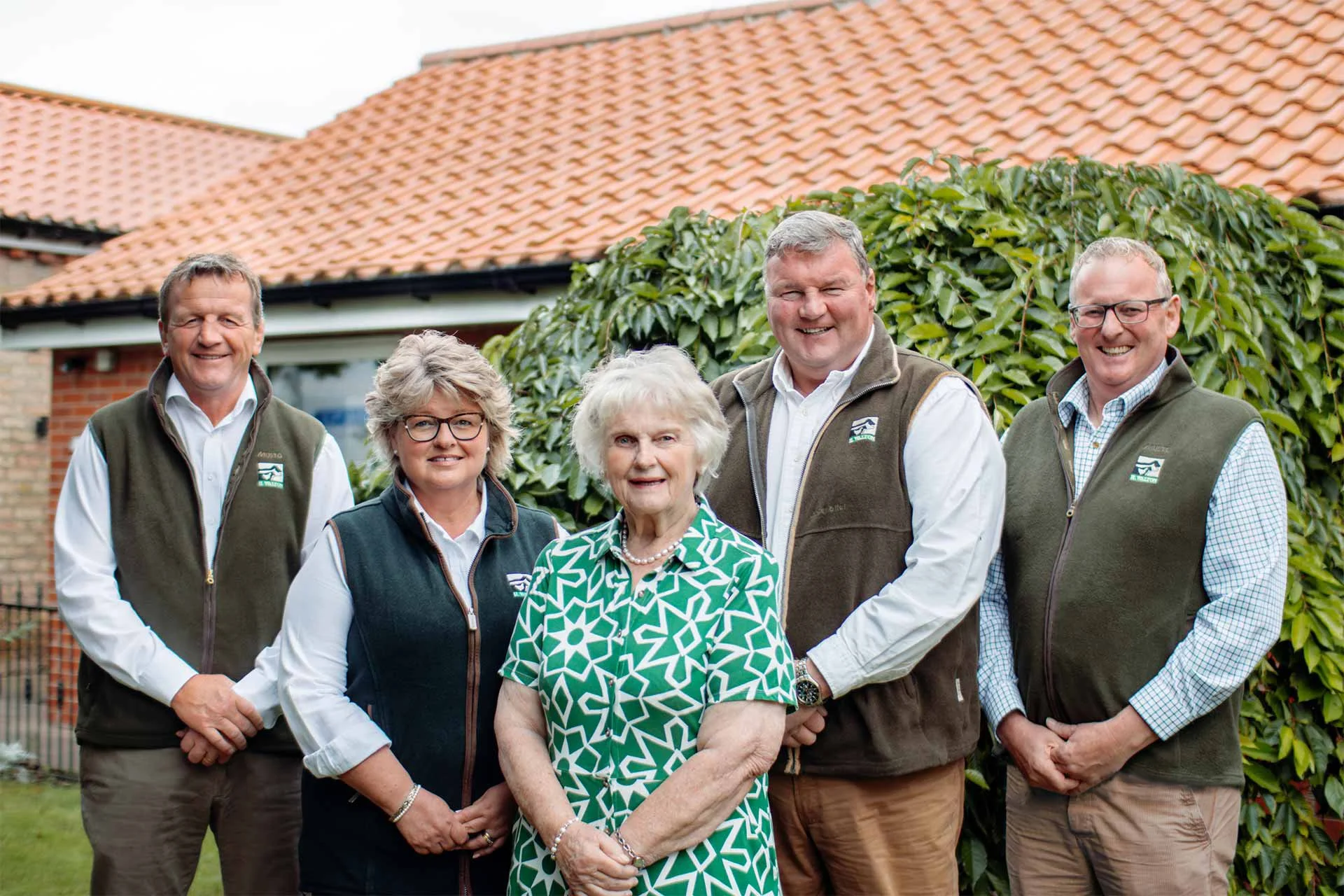
The team at H. Walton courtesy of the company
In the heart of East Yorkshire, just off South Park Road in Old Goole, lies H. Walton Ltd , a family-owned name that has quietly but steadily carved its reputation as one of the go-to animal feed merchants in the UK. 

More than just a corn & feed yard, Walton’s is part of the agricultural fabric of the region, combining over a century of expertise with modern supply-chain smarts to support farmers, livestock keepers, and pet owners alike.

A Legacy of Feed Supply

H. Walton Ltd traces its roots back many decades; the business today boasts over 100 years of experience in the animal feed trade, supplying everything from staple cereals and protein supplements to blended feeds, fibres, starch/energy products and liquid feeds. 

Though the company is officially incorporated as H Walton Ltd since 2003, its identity is much older, embedded in generational knowledge of what animals need, whether poultry, cattle, sheep, pigs or even pets. Walton’s isn’t just about moving grain: it’s about understanding nutrition, quality, and the day-to-day demands of rural life. 

What Sets H. Walton Apart

Several features distinguish Walton's from many feed merchants:

Breadth of products: They cover a wide range of feed commodities—proteins, cereals, energy/starch-based feeds, fibres, plus blended feeds and liquids. 

Flexibility in delivery: Whether in bulk (for example bulk-blown up to 28 tonnes) or via bagged feed, and even pet food lines from leading brands, Walton’s can cater to large commercial customers and smaller operators alike. 

Strong supply chain & market negotiation: They handle commodity-market negotiations themselves, which allows them to deliver competitive pricing and short-notice supply. 

Modern fleet and logistics: Walton's operate their own vehicles, and also use trusted third-party hauliers. Their delivery network spans much of the UK—from the Scottish Borders down to the Midlands. 

Location, Structure, and Leadership

Their registered office is Old Goole Mill, South Park Road, Goole, East Yorkshire, DN14 8BD. 

They have a blend of family leadership and professional management appears to provide both continuity of tradition and openness to innovation.

Role in the Local & National Agricultural Economy

H. Walton Ltd plays several interlinked roles:

Support to farms: By supplying high-quality feeds and raw materials, Walton’s underpins livestock health and productivity. Farmers who rely on consistent, nutritional feed (whether for beef, lamb, pigs, poultry) benefit directly from their offerings.

Price stability & supply chain resilience: Their ability to buy commodities, store, blend and deliver helps buffer local agriculture against volatility. When feed commodity prices spike, having a merchant with negotiating power and delivery capacity helps.

Employment and local infrastructure: As a business with a fleet, staff, handling facilities etc., they contribute to the local economy around Goole and East Yorkshire. They also link to related sectors (hauliers, pet food, packaging).

Quality & ethical standards: From their website it’s clear they emphasise quality, environment, ethical policies etc. That matters to modern consumers and to farmers who want traceability and assurance. 

Challenges & the Path Ahead

Like all businesses in agriculture and feed supply, H. Walton Ltd must navigate several challenges:

Fluctuating commodity prices (grain, oil, protein sources) which are influenced by global markets, weather, trade policy.

Regulations: Animal feed regulations, environmental standards, including traceability, safety, etc.

Transport & logistics costs, especially fuel, driver shortage, infrastructure.

Competition: Both from other feed merchants, big agribusiness players, possibly imports.

To counter these, Walton’s strengths — its experience, diversified product range, own fleet, and geographic reach — will be crucial. Innovation (in product, in supply chain efficiency, possibly in feed formulations) could help too.

Why customers Trust H. Walton

Consistency and reliability: Whether in price, quality or delivery.

Range: Being able to get everything in one place, whether bulk feed, blends or pet food.

Local roots: A family-run business with deep ties to East Yorkshire and farming communities.

Personal service: Having leadership that knows the trade, accessible staff, capacity to respond at short notice.

H. Walton Ltd isn’t merely a feed merchant—they are a pillar within the agricultural supply chain in East Yorkshire and beyond. 

Old Goole might seem remote, but Walton’s reach is far, and their impact wide: enabling farms to feed livestock properly, offering stability in an unpredictable market, and maintaining a blend of tradition and modernity.

For anyone involved in livestock or agriculture in the north (or those interested in how regional agribusiness operates), Walton’s is a story of persistence, adaptation, and local stewardship.

https://www.hwaltons.co.uk

Oxbury: The UK Agricultural Bank Supporting Farmers with Tailored Finance

Running a farm is unlike running any other business. 

With seasonal cashflow, unpredictable weather, and long-term investment needs, farmers often find that traditional banks don’t fully understand their world. 

That’s where Oxbury Bank, the UK’s only dedicated agricultural bank, steps in.

Launched in 2021, Oxbury was created specifically to provide farming finance solutions for British agriculture. Its goal is simple: to support UK farmers with the right kind of financial products and help build a more sustainable food system.

What Makes Oxbury Different?

Unlike high street lenders, Oxbury is focused entirely on agriculture. This specialism means it can design agricultural loans and savings products that truly fit the needs of farmers.

Some of the standout features include:

Tailored Farming Finance – Oxbury understands the unique cashflow cycles of farming. Its products include seasonal loans and asset finance designed to help with everything from buying machinery to investing in livestock.

Oxbury Farm Credit – This flexible finance option allows farmers to purchase essentials like seed, fertiliser, or feed and spread the cost in line with income.

Digital-First Banking – Farmers can manage accounts easily through Oxbury’s digital platform, reducing reliance on branches and making rural banking more convenient.

Sustainable Farming Support – Oxbury has a strong focus on green finance, helping farmers adopt low-carbon and regenerative practices through dedicated funding options.

How Oxbury Supports British Farmers

Oxbury isn’t just a bank — it positions itself as a partner to UK agriculture. It recognises that farming is the backbone of Britain’s food supply and aims to provide financial services that strengthen the sector.

For farmers, Oxbury’s agricultural loans and credit facilities provide the breathing room needed to manage unpredictable costs and invest for the future.

For savers, Oxbury offers accounts that directly fund British farming. Instead of money disappearing into generic investments, deposits are used to support UK farm businesses.

This makes Oxbury particularly attractive for individuals who want their savings to back British agriculture while earning a competitive return.

Why Oxbury Matters

With many mainstream banks scaling back their rural services, Oxbury has stepped in to fill an important gap. By combining deep farming knowledge with modern financial tools, it offers a rare mix of personal understanding and digital efficiency.

Key reasons Oxbury stands out include:

100% focus on agriculture and farming finance

Agricultural loans designed around real farming cycles

Green funding that supports sustainable farming practices

Savings products that let individuals invest in British agriculture

In a changing world, British farmers need more than generic financial support — they need a banking partner that understands the soil beneath their feet. As the only dedicated UK agricultural bank, Oxbury is helping farmers manage their businesses today while preparing for a greener, more resilient future.

For anyone involved in farming, or simply looking to invest in the UK’s food system, Oxbury offers a fresh approach to agricultural banking — one rooted in understanding, sustainability, and long-term growth.

We met with the friendly Oxbury team at the 2025 Dairy Day Show and were most impressed.

https://www.oxbury.com

UK Dairy Day 2025 – Live from Telford

Image courtesy TIC
Yesterday, Wednesday 10th September, my wife and I were at the UK Dairy Day in Telford – and the atmosphere was buzzing. 

From the moment we walked into the International Centre, it was clear this is more than just an industry event; it’s a real celebration of everything that makes British dairy so vital.

First Impressions

The halls were packed with farmers, suppliers, vets, and industry specialists, all here to connect, learn, and showcase the very best of the UK dairy sector. 

Everywhere you look there’s something new: gleaming machinery, innovative tech solutions, cattle on display, and, of course, plenty of fantastic British dairy produce.

Highlights

The Cattle Shows – watching some of the UK’s finest dairy breeds being paraded and judged is a reminder of the dedication and care that goes into herd management. 

And we even saw some cow painting taking place. Not painting pictures of cows, as I'd originally supposed, but actually painting pictures on cows!

Trade Stands – there were hundreds of exhibitors, from feed and genetics to cutting-edge robotic milking systems to insurance experts and agricultural banks. The innovation on show is incredible.

Seminars and Talks – discussions focused heavily on sustainability, animal welfare, and how the industry can adapt to consumer trends.

Key Themes of the Day

Innovation in Farming – new technologies are helping farmers become more efficient while caring for their herds.

Sustainability – from carbon reduction to waste management, it’s clear this is at the forefront of everyone’s minds.

Celebrating Dairy – whether it’s milk in your tea, artisan cheese, or creamy yoghurts, the importance of supporting British dairy producers has never been more evident.

My Takeaway

Being here at UK Dairy Day really highlighted the passion and resilience of the farming community. It’s a chance not only to see the latest developments but also to share knowledge and celebrate what makes our dairy sector so special.

If you’re part of the industry or simply passionate about farming and food, UK Dairy Day is a must-visit event. 

https://ukdairyday.co.uk

Tuesday, 9 September 2025

The Growing Popularity of Cheese Restaurants in the UK

For decades, cheese has been the quiet star of the British table, a wedge of Cheddar in a Ploughman’s, Stilton at Christmas, or a late-night cheese toastie. 

But in recent years, cheese has gone from supporting act to headliner, with specialist cheese restaurants, bars, and pop-ups springing up across the UK. 

Diners are increasingly seeking out places where cheese isn’t just an ingredient, but the main event.

Why Cheese Restaurants Are Taking Off

Several trends have pushed cheese restaurants into the spotlight:

Comfort Food Appeal – Macaroni cheese, baked Camembert, and bubbling fondues are cosy, nostalgic, and indulgent. At a time when diners want meals that feel like a hug, cheese ticks the box.

The Artisan Cheese Boom – The UK now produces more varieties of cheese than France, and small dairies across the country are thriving. Cheese restaurants offer a platform to showcase regional favourites, from Cornish Yarg to Yorkshire Blue.

Food Theatre – Raclette melting at the table, fondue pots for sharing, and cheese wheels used for pasta mixing all provide the kind of interactive dining experience that customers love.

Social Media Appeal – A gooey cheese pull or a towering cheeseboard is irresistibly Instagram-friendly, driving word-of-mouth buzz.

Cheese Restaurants Around the UK

From London to the Lakes, there are plenty of places for cheese lovers to explore:

The Cheese Bar, London – Based in Camden Market, this pioneering spot celebrates British cheese with everything from cheese toasties to baked Yarg. Its sister venue, The Cheese Barge on Regent’s Canal, offers a unique floating dining experience.

The Cheese Wheel, Camden – Fresh pasta tossed inside a huge wheel of Pecorino is the star attraction here, combining Italian tradition with London’s street-food energy.

Pick & Cheese, London – The world’s first cheese conveyor belt restaurant at Seven Dials Market, where over 25 British cheeses circulate for diners to choose from.

Homage2Fromage, Various Cities – A cheese-focused supper club operating in Leeds, Manchester, and beyond, offering themed tasting events and feasts.

La Fromagerie, Marylebone & Highbury – Not strictly a restaurant, but its cafés attached to the famous cheesemonger’s shops are a haven for cheese and wine pairings.

Regional Cheese Festivals – Events like the Nantwich Cheese Show in Cheshire and the Scottish Cheese Trail have also helped spark a culture of cheese appreciation, influencing restaurants to go all-in.


Perfect Pairings: Drinks That Love Cheese

Cheese may be the star of these restaurants, but the right drink pairing can elevate the experience even further. Many UK cheese venues are embracing thoughtful pairings with wine, cider, and even craft beer:

Classic Wines – Rich, creamy cheeses such as Brie and Camembert pair beautifully with sparkling wines like English sparkling from Kent or Sussex. Harder cheeses such as Cheddar or Lincolnshire Poacher shine with bold reds like a Malbec or Cabernet Sauvignon.

Cider Matches - In cider-producing regions like Somerset and Herefordshire, farmhouse Cheddars are often paired with dry, tannic ciders, a natural and distinctly British match.

Beer and Ale – Craft beer is increasingly part of the cheese conversation. A hoppy IPA cuts through the richness of blue cheese, while a malty stout complements smoked or mature varieties.

Fortified Wines – Stilton and Port is a Christmas classic, but many restaurants are experimenting with sherries and Madeiras alongside strong British blues.

Non-Alcoholic Options – For those avoiding alcohol, kombucha and speciality soft drinks with sharp, fruity notes can provide balance against the richness of cheese.

🧀 Must-Try British Cheeses

If you’re visiting a cheese restaurant in the UK, keep an eye out for these standout varieties, which showcase the diversity of British cheesemaking:

Cornish Kern (Cornwall) – A nutty, Gouda-style hard cheese, crowned Supreme Champion at the World Cheese Awards.

Tunworth (Hampshire) – Often called the “British Camembert”, soft and oozy with earthy, mushroomy notes.

Stinking Bishop (Gloucestershire) – Famous for its pungent aroma, this washed-rind cheese is surprisingly mild in flavour.

Yorkshire Blue (Yorkshire Dales) – Creamy, buttery, and less sharp than continental blue cheeses.

Lincolnshire Poacher (Lincolnshire) – A hard cheese combining the tang of Cheddar with the fruitiness of Alpine styles.

Cornish Yarg (Cornwall) – Wrapped in nettle leaves, giving it a fresh, lemony tang.

Isle of Mull Cheddar (Scotland) – Robust, tangy Cheddar made from raw cow’s milk, with a distinctive grassy flavour.

What the Future Holds

With the boom in British artisan cheesemaking and a growing appetite for experiential dining, the trend for cheese-led restaurants looks set to grow. Expect to see more regional venues celebrating local dairies, creative vegan cheese menus, and collaborations with breweries and wineries.

Cheese is no longer just the accompaniment to a meal — it’s the reason people are booking a table.

https://www.thecheesebar.com/

https://www.cheesewheellondon.com/

https://www.thecheesebar.com/seven-dials/

https://homage2fromage.co.uk/

https://lafromagerie.co.uk/

Cornwall's Firebrand Wins Double Gold for Shorebreak at International Non-Alcoholic Competition

Cornwall's Firebrand Brewing Co. is delighted to announce that its non-alcoholic hazy pale, Shorebreak, has won Double Gold at the International Non-Alcoholic Drinks Competition. 

This follows hot on the heels of being named Britain's Best Non-Alcoholic Pale Ale at the World Beer Awards and puts it firmly on the world beer map.

Co-owner and Head Brewer at Firebrand Brewing Co., Joe Thomson told That's Food and Drink: “Winning Double Gold at the International Non-Alcoholic Competition is a huge moment for us. 

"Shorebreak was created to give drinkers a full-flavoured, hop-forward beer without compromise, and to see it recognised by such a respected panel of judges is incredible.The awards were held in New York and we were up against beers from across the globe so this is a huge international accolade. 

The non-alcoholic category is growing quickly and to be leading the way with one of our core beers is something we're really proud of.”

At 0.5% ABV, Shorebreak is a non-alcoholic hazy pale which is packed with vibrant hop flavour. Brewed with Simcoe, Citra and Cascade hops, it delivers all the juicy, tropical flavour of a full-strength hazy pale but without the hangover. 

Smooth and light, this IPA is also gluten-free, vegan-friendly, and just 35 calories per can.

Joe adds: “When I started the brewery over a decade ago, alcohol-free beer wasn't on the popularity radar. 

"But after I took up running, finding a great-tasting alternative to my daily pint that wouldn't derail my training, became a passion project for me. That's where Shorebreak came from. 

"The response to this IPA has been phenomenal, with it now being one of our best-sellers, and having it recognised again by industry experts makes the journey even more rewarding.”

On the edge of the historic Bodmin Moor in North Cornwall, Firebrand Brewing Co was created in 2012. Born in an old converted milking parlour, the idea came from a passion for beer that is made from all-natural ingredients, including Cornish spring water and American hops. 

Now based in Launceston, their purpose-built brewery uses the finest ingredients and aims to 'Go Beyond The Usual', encouraging drinkers to explore new flavours and discover something new in every sip.

The International Non-Alchoholic Competition celebrates the finest creations from around the globe, blind-tasted by expert judges. Double Golds are the highest accolade and only awarded to products unanimously considered to be phenomenal by the panel of judges.

Shorebreak is available in 440ml cans direct from www.firebrandbrewing.co.uk, RRP £2.70 and other retail and hospitality outlets.

Affiliate links are available through www.Amazon.co.uk.

Devon's Sandford Orchards' Red Zero Named World's Best No-Alcohol Cider

Devon-based Sandford Orchards' Red Zero has just won gold and been named Best Non-Alcoholic Cider at the World Cider Awards, less than a year after it was launched. 

This latest accolade follows gold awards from Taste of the West and The Farm Shop and Deli Awards, with undoubtedly more to come.

Barny Butterfield, founder of Sandford Orchards told That's Food and Drink: “We took our time creating Red Zero because we like to do things properly at Sandford Orchards. It was not the first non-alcoholic cider to market but we like to think that it is one of the best and it seems that the experts agree. 

"Winning Best Non-Alcoholic Cider at the World Cider Awards recognises all the hard work and effort we put into making Red Zero and puts it firmly on the global cider map as the best in the world!"

Red Zero (ABV 0.5%) is an utterly delicious, crisp and fruity non-alcoholic cider created from fabulous apple varieties including Farmers Glory, Dabinett and Sweet Alford. Created using traditional cider methods and the same technology used for creating Guinness Zero, you're drinking the real fermented drink, but with the alcohol extracted.  

Barny continues: “We chose to make Red Zero in the most expensive way because we weren't prepared to compromise on quality and the result is on another level. 

"In its short life, Red Zero has already won rave reviews from our customers but this accolade is the icing on the cake and a testament to our team's efforts. I am really proud of how hard they've worked to produce a cider with the same attention to detail as our flagship Devon Red.

"Red Zero tastes so good that most people can not believe it is not alcoholic- we call it alcohol-free cider, done right.”

Founded in 2002, independent, family-owned Sandford Orchards is based in Crediton, Mid Devon in the oldest working cider mill in the UK. 

The area has long been known as one of the most fertile parishes in all of Britain, both for its grazing and ability to grow apples. Crediton sits in the lee of the moors, so receives the right amount of rain and the right units of heat in summer.

Sandford Orchards takes a fresh, natural and low impact approach to producing cider. Combining tradition and innovation, Sandford Orchards produces an award-winning range of core session, traditional, fine and fruit ciders.

The World Cider Awards celebrate the best ciders from across the globe. For more information visit www.worldciderawards.com.

Monday, 8 September 2025