Wikipedia

Search results

Monday, 28 July 2025

How to Recycle and Upcycle in Your Kitchen on a Budget

In a world where sustainability and saving money are more important than ever, learning to recycle and upcycle in your kitchen is a brilliant way to reduce waste, get creative, and cut back on spending.

 Whether you're living on a tight budget or just want to do your bit for the planet, here are some simple, practical ideas to turn your kitchen into a greener, cleaner, and more resourceful space.

Recycle Smart: What Goes Where?

1. Know Your Council’s Rules

Start by checking what your local authority accepts in your kerbside recycling. Not all councils take the same items – for instance, some won’t recycle certain plastics or Tetra Paks. Understanding the do's and don’ts avoids contamination and helps your waste actually get recycled.

2. Rinse Before Recycling

A quick rinse of yoghurt pots, tin cans or jars prevents bad smells and pest problems, and ensures the items are suitable for recycling.

3. Compost Your Scraps

Don’t bin your peels, coffee grounds, or eggshells – compost them! If you don’t have a garden, look into a bokashi bin or countertop compost system. Many councils also offer subsidised compost bins.

Upcycling: Give Old Items New Life

1. Glass Jars Galore

Washed jam jars and pasta sauce bottles can become:

Pantry storage for rice, lentils, or spices

Drinking glasses or smoothie jars

Mini vases for kitchen herbs or flowers

Homemade gift containers for chutneys or infused oils

2. Cans, Tins & Tubs

Turn baked bean tins or large food cans into:

Herb pots (just add drainage holes)

Utensil holders

Lanterns with punched holes and tea lights inside

3. Bread Bags and Cereal Liners

These can be reused to store sandwiches or baked goods, or even as piping bags when baking. Wash and dry them thoroughly before reuse.

Budget-Friendly Kitchen Hacks

1. Save and Regrow

Some vegetable scraps can be regrown right on your windowsill:

Spring onions and leeks regrow in a glass of water

Lettuce hearts and celery bases will sprout again in a week

Herb cuttings like basil and mint can root in water and be replanted

2. Freeze Leftovers and Scraps

Keep a freezer bag for veg peelings to make homemade stock

Freeze overripe bananas for smoothies or banana bread or for a chilled snack

Freeze herbs in ice cube trays with oil or butter for easy cooking later

3. Repurpose Old Tea Towels and Clothing

Turn worn-out tea towels or cotton shirts into:

Reusable kitchen cloths

Napkins for picnics or packed lunches

Bowl covers with a bit of elastic sewn in

Make DIY Cleaning Products

Instead of buying plastic bottles of cleaning sprays, why not make your own?

All-purpose spray: Mix vinegar, lemon peel and water in a spray bottle

Baking soda scrub: Great for freshening up sinks and cutting boards

Coffee grounds: Use as a natural scrub or deodoriser for your fridge or bins

Final Thoughts

Recycling and upcycling don’t require a huge investment, just a bit of creativity, some organisation, and a willingness to rethink waste. By making these small changes in your kitchen, you’ll reduce your carbon footprint, save money, and create a more resourceful and sustainable home. 

Plus, it’s surprisingly satisfying to see what you can create from what would’ve ended up in the bin!

Saturday, 26 July 2025

The Tenth Man launches “On The Menu” A new report exploring the future of food and the opportunities that presents for brands

The Tenth Man releases "On The Menu" an insightful and immersive new research report that explores the idea of food not just as nourishment, but as a connector; to communities, culture and identity.

Through sharp editorial insight and conversations with some of the most exciting voices in modern food culture, the report digs into how and why we eat today, what it says about where we're headed and what that means for brands.

Highlights from the report include:

Exclusive interviews with culinary disruptors like Ashley Palmer-Watts of The Devonshire, Marcus Patrick Brown of Service Works, and Clement Ogbonnaya of Prince of Peckham.

“Hungry for Connection”: A powerful look at the rise of supper clubs and communal dining as an antidote to the loneliness epidemic.

“Functional Fever”: A deep dive into how ancient wellness traditions are being reimagined as modern medicinal food movements.

From Gaming, to Drugs and now to Food - The Tenth Man’s reports focus on understanding different aspects of culture - learning about the people and communities in these spaces, to identify insights brands can leverage to grow.

Blending research, editorial, and visual storytelling, "On The Menu" is designed to inspire new thinking across a multitude of sectors, not just F&B -

“Food may not be what you do, but it’s what your customers love. We created this report to show all brands how much opportunity there still is in this space, not just commercially, but creatively. Culture moves fast and the brands that will win are the ones that show up in unexpected places with relevance and boldness, regardless of their category,” Jen Reid, Strategy Director at The Tenth Man told That's Food and Drink.

The full report is available now at thetenthman.com/onthemenu

More on The Tenth Man:

The Tenth Man is an independently owned creative and production studio, powered by culture and entertainment, with offices in both London and Dublin, working with clients globally.

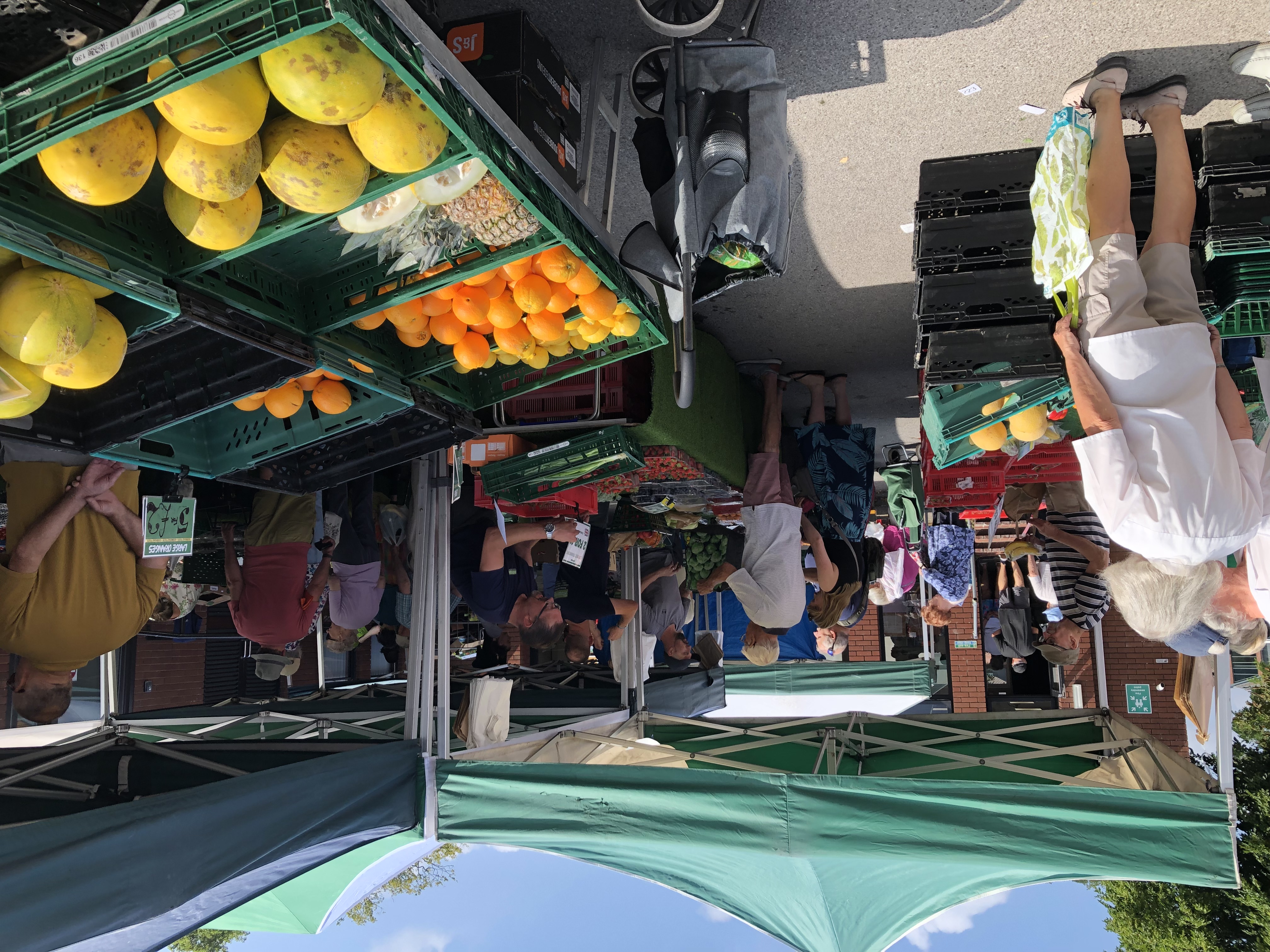
Wimborne Minster Market – A Summer Highlight for Dorset Visitors

If you’re visiting Dorset this summer, or live locally and love supporting your community and a local charity, make time to experience one of Wimborne’s true gems: Wimborne Minster Market, held every Friday from 8:00 am to 2:00 pm at the Allendale Community Centre.

More than just a market, Wimborne Minster Market is a celebration of local flavour, friendly faces, and community spirit. 

Nestled in the heart of Wimborne Minster, this lively weekly event spans two indoor halls and a vibrant outdoor area, offering:

• Fresh, fruit, vegetables and plants

• Free-range meats, fresh fish, artisan cheeses

• Baked goods, jams, chutneys, and honey

• Handmade jewellery, pottery, textiles, and crafts

• Vintage collectables, books, cards, and eco-friendly items

Whether you're hunting for gourmet treats, artisan gifts, or just a warm atmosphere, you’ll find it there.

Rooted in Tradition, Growing with the Community

Wimborne Minster Market proudly continues Wimborne’s legacy as a historic market town. After relocating to the Allendale Community Centre in 2021, the market has gone from strength to strength, offering a welcoming space for long-time stallholders and new local makers alike.

It’s much more than a shopping trip, it’s a weekly tradition, where locals and visitors connect over quality products and shared stories.

Plan Your Visit

When: Every Friday, 8:00 am – 2:00 pm

Where: Allendale Community Centre, Wimborne Minster

Parking: Ample public parking adjacent to the Centre

Accessibility: Fully accessible for wheelchairs and pushchairs

Facilities: Toilets, seating, and an on-site café

Dog-Friendly: Well-behaved dogs on leads are welcome

Top Tips for Market Day

• Arrive early (8–10am) for the best produce and quieter browsing

• Bring some cash, because although most stalls are card-friendly not all are

• Enjoy a drink or snack at the café before or after shopping

• Explore the town and local sights such as The Minster, the Model Town, or the Museum of East Dorset

Why Visitors Love It

• Warm, community-led atmosphere

• High-quality, locally sourced goods

• A true slice of Dorset life

• Perfect for summer day trips and local tourism itineraries

Foods and Supplements to Help with Recovery from COVID-19 and Similar Conditions

Recovering from COVID-19, long COVID, or other similar illnesses can be a slow and frustrating process. 

Fatigue, brain fog, shortness of breath, and muscle weakness are all common lingering symptoms. 

While rest and medical advice should always come first, your diet can play a crucial supporting role in speeding up recovery and rebuilding your strength.

Here's a look at some of the best foods and supplements to help your body heal and regain energy after a viral infection.

1. Protein-Rich Foods for Repair and Strength

Your body needs protein to rebuild damaged tissues, restore muscle mass, and support a healthy immune system. Aim to include good-quality protein sources in every meal.

Top picks:

Lean meats (chicken, turkey)

Eggs

Fish (especially oily fish like salmon or mackerel)

Greek yoghurt

Tofu, tempeh, and legumes for plant-based options

Tip: A protein smoothie with yoghurt, banana, berries, and protein powder can be an easy meal when your appetite is low.

2. Foods High in Antioxidants

Oxidative stress and inflammation can linger after a virus, especially in long COVID. Antioxidants help neutralise this stress and support immune function.

Include:

Blueberries, blackberries, oranges, and kiwi

Leafy greens like spinach and kale

Carrots, peppers, and sweet potatoes

Green tea and herbal teas like ginger or turmeric

3. Zinc and Vitamin C for Immune Support

Zinc and vitamin C are well-known immune boosters. They can also help reduce fatigue and fight off secondary infections during recovery.

Good sources:

Zinc: Pumpkin seeds, lentils, chickpeas, beef, and cashews

Vitamin C: Citrus fruits, bell peppers, strawberries, broccoli, and Brussels sprouts

Supplement option: Consider a daily multivitamin with zinc and vitamin C, especially if your diet is limited during illness.

4. Omega-3 Fatty Acids to Reduce Inflammation

Inflammation is a major cause of fatigue and muscle pain after viral infections. Omega-3s have strong anti-inflammatory properties and support heart, lung, and brain health.

Best sources:

Salmon, mackerel, sardines, and other oily fish

Chia seeds, flaxseeds, and walnuts

Algae oil (plant-based supplement)

5. Probiotics for Gut Health

Many people experience gut issues or antibiotic use during or after COVID-19. Probiotics help restore healthy gut bacteria, which can improve digestion, immunity, and even mental clarity.

Foods to try:

Live yoghurt and kefir

Sauerkraut, kimchi, miso, and other fermented foods

Supplements: A quality probiotic supplement can also be useful, particularly if you’ve been on antibiotics.

6. Magnesium and B Vitamins for Energy

Fatigue is one of the most persistent post-viral symptoms. Magnesium and B vitamins play a crucial role in energy production and nerve health.

Sources of magnesium:

Almonds, cashews, spinach, avocado, and whole grains

Sources of B vitamins:

Whole grains, eggs, dairy, meat, and nutritional yeast

Supplement support: A high-quality B-complex and magnesium glycinate can help support sleep, reduce anxiety, and improve daytime energy.

7. Hydration and Electrolytes

Don't underestimate the importance of fluids. Dehydration can worsen fatigue, dizziness, and headaches. Add a pinch of sea salt or use electrolyte tablets if you’re sweating or feeling weak.

Good hydration options:

Water with lemon or lime

Herbal teas

Coconut water

Oral rehydration solutions

Final Thoughts

Recovery from COVID-19 or any similar illness isn’t just about getting rid of symptoms – it’s about rebuilding resilience and long-term health. The right mix of nutritious foods and targeted supplements can help you bounce back stronger, both physically and mentally.

As always, consult your GP or a registered dietitian before beginning any new supplements, especially if you’re on medication or managing other health conditions.

Have you experienced long COVID or post-viral fatigue?

Let us know your recovery tips or what foods have helped you feel stronger in the comments.

Friday, 25 July 2025

Baked vs Fried Snacks: Which Is Better for You?

When it comes to choosing between baked and fried snacks, the decision is often framed around health versus indulgence. 

Fried snacks are known for their crispy texture and rich flavour, while baked options are marketed as the healthier alternative. 

But how much of that is really true? Let’s take a closer look at both options to determine which might be better for you, and when.

The Basics: What’s the Difference?

Fried snacks are cooked in hot oil, often at high temperatures. This includes crisps, chips, doughnuts, and pakoras. The oil not only cooks the food quickly but also adds significant calories and fat.

Baked snacks are cooked using dry heat in an oven, meaning little or no oil is used. Think baked crisps, puffed grain snacks, crackers, and certain cereal bars.

Nutritional Comparison

Category Fried Snacks Baked Snacks

Calories Generally higher due to oil Often lower, especially if oil-free

Fat High in saturated and trans fats Lower fat content overall

Crunch/Flavour Crispy, rich, often addictive. Can be drier but lighter

Shelf Life Shorter (unless heavily processed) Usually longer

Are Baked Snacks Healthier?

In many cases, yes. Baked snacks tend to have:

Lower total fat and fewer calories.

Less risk of containing trans fats, which are known to raise bad cholesterol and lower the good kind.

Less greasy residue and fewer empty calories.

However, not all baked snacks are created equal. Some are high in salt, sugar, or refined flour, and might not be much healthier than their fried counterparts.

But Don’t Dismiss Fried Snacks Entirely…

Fried snacks aren't inherently evil. In moderation, they can be part of a balanced diet. Homemade versions,like air-fried potato wedges or shallow-fried samosas—allow better control over oil type and quantity.

Also, some nutrients, like fat-soluble vitamins, are better absorbed with fat. A small amount of healthy fat (like olive or rapeseed oil) in cooking isn't always a bad thing.

Baking Innovations: The Rise of Air-Frying

Air fryers have revolutionised home cooking, offering a middle ground. They “fry” food with hot air and minimal oil, giving that crisp texture without the grease. It’s a popular way to enjoy chips or battered treats with significantly reduced fat.

So, Which Is Better?

For everyday snacking:

Baked snacks are generally the better choice, especially those with whole grains, seeds, or legumes and minimal additives.

For occasional indulgence:

Fried snacks can have a place, just aim for smaller portions and choose healthier oils when cooking at home.

Top Tips for Smarter Snacking

Check nutrition labels—don’t be fooled by “baked” alone.

Watch out for salt and sugar levels in both varieties.

Opt for snacks with fibre and protein to feel fuller for longer.

DIY your own snacks when possible, oven-roast chickpeas or make kale crisps for a healthy crunch.

Final Thoughts

The choice between baked and fried snacks doesn’t have to be black and white. It’s all about balance, awareness, and quality. Baked snacks often win on the health front, but an occasional fried treat, especially one you’ve made yourself, is nothing to feel guilty about.

What’s your go-to snack? Baked or fried? Let us know in the comments below!

Simpler Recycling: What’s Changing for Households from 31 March 2026

1. Unified Core Recycling Services

By 31 March 2026, all local authorities in England must provide a consistent set of recyclable materials for household collection: glass, metal, plastic, paper and card, and food waste (plus garden waste where applicable). 

This means wherever you live in England, you’ll put the same items into the same bins,  ending the confusing postcode lottery that currently exists 

2. Weekly Food Waste Collections

Most households will receive weekly collections of food waste, either separate or combined with garden waste, addressing the high contamination rate caused by food in dry recycling bins. Exceptions may apply if your council has a transitional arrangement permitting a later start date

3. At Least Fortnightly General Waste (Residual Waste)

Your non‑recyclable waste will continue to be collected at least once every two weeks. Frequency beyond this may be at the discretion of your council 

4. Standardisation to Up to Four Bins Per Household

Rather than the current patchwork system — with some councils issuing up to ten different containers — the new model standardises on up to four bins or bags:

Residual (general) waste

Food (or food + garden) waste

Paper and cardboard recycling

Mixed other recyclables (glass, metal, plastic)

Councils can adapt this for households with limited space or practical constraints—but only after a proper assessment 

What This Means for Your Everyday Life

Simpler and clearer sorting: All households follow the same rules – no more trying to memorize variations from borough to borough.

More collections, especially for food waste, promise fresher, less smelly bins and reduced contamination.

Potential for more bins: You may get additional containers if your council didn’t already provide them. If space is tight, councils must evaluate whether fewer containers are viable.

New types of waste collected: Paper and cardboard must now be separated from other recyclables unless your council has a valid exemption.

Reduced illegal dumping: Standardisation and better enforcement aim to cut fly‑tipping and waste crime.

Preparing for 2026: What Households Should Do

Check with your local council as we approach the 2026 deadline for details on bin changes, timing, and whether transitional arrangements apply.

Get familiar with sorting instructions, especially separating paper/card from glass/metals/plastic, and keeping food waste separate.

Plan for storage: Many households will need to accommodate up to four bins, so think where they’ll go.

Stay informed of any trial schemes being rolled out already, for instance, some councils are already starting glass recycling earlier than the 2026 date 

Wider Legislation and Future Phases

Year Key Requirement

Mar 2025 Businesses with 10+ employees must separate recycling (food, dry recyclables, paper/card) 

Mar 2026 Mandatory rollout for all households in England, including food waste collections 

Mar 2027 Plastic film (e.g. soft plastics, bags, wrapping) added to kerbside collections for households and businesses across England 

These reforms are aligned with wider policies like Extended Producer Responsibility (EPR) from October 2025 and a Deposit Return Scheme for drink containers due by 2027 

In Summary: Benefits and Challenges

Benefits:

Simpler, uniform recycling rules across England

Reduced contamination and improved recycling quality

Greater frequency of food waste collection

Moves the country closer to its 65 % recycling target and carbon reduction goals

Challenges:

Some councils and households may face logistical difficulties implementing weekly and segmented collections

Storage space for up to four containers may be limited in flats or terraced homes

Councils must manage assessments and exceptions responsibly

In essence, these 2026 changes mark a significant shift toward clarity, consistency and improved recycling across the country. While the transition will take planning and adaptation, the long‑term benefits for both the environment and local waste systems are substantial.

Beerpig Fresh Pork Scratchings: A Crispy Revolution

Step aside stale, packet scratchings, Beerpig has transformed the classic pub staple into a truly gourmet experience.

History & Origins

Founded in 2019 by two entrepreneurs from Rotherham, Beerpig emerged when co‑founder John Walker discovered that warming pork scratchings significantly enhanced their flavour. 

What started as a kitchen experiment evolved into supplying scratchings warmed straight from a purpose‑built cabinet in over 250 UK pubs. Including one my wife and I were visiting today when we first found out about Beerpig pork scratchings. 

Even during the pandemic they pivoted swiftly to online sales and Amazon, earning rave reviews and expanding rapidly 

What Makes Them Special?

Double hand‑cooked from premium British pork rind for peak crispness and flavour 

Served warm in pubs, reaching you at around 50 g portions directly from a Beerpig warmer 

Available in eye‑catching 675 g presentation jars or refills in 500 g and 1 kg bags, perfect as a gift or for sharing at home 

shop.thegreenshopsheffield.co.uk

Tasting Notes

Expect a rich, golden crunch with each and every bite. Beerpig scratchings are high‑protein, low‑carb, and lighter than you’d think, thanks to their carefully balanced fat content.

From Amazon reviews, fans love the texture and value, though a few pieces may be softer inside the curl, most pieces are crispy and flavourful. The jar is often described as handy to reuse, too 

Serving Suggestions

Warmed in‑pub via Beerpig’s custom cabinet, served in porcelain dishes to cut plastic use and enhance presentation 

At home, open the jar and nibble straight from it—great for pairing with ales or craft beers, or even repurposing crushed scratchings in cooking 

Innovation meets tradition: warm scratchings bring a modern twist to a classic snack

Consistently high quality: from sourcing to cooking and serving

Gift appeal: the presentation jars have proven popular as unique and well‑received gifts 

Beerpig’s fresh pork scratchings offer a crunchy, flavour‑packed snack experience that elevates the classic pub favourite. Whether warmed in a bar or enjoyed at home, they strike a perfect balance of tradition, quality, and innovation. Ideal for sharing, gifting—or simply crunching solo with a pint in one hand.

https://www.beer-pig.co.uk

From Inexpensive Supper to Splurge: How Fish and Chips Went from Working-Class Staple to Luxury Treat

There was a time, not so long ago, when fish and chips was the humble, reliable favourite of the British working class. 

It was warming, filling, and cheap enough to feed a family on a Friday night or after a long shift at the docks, mines, mills or steelworks.

So important was fish and chips to the morale of the nation that it was famously the only foodstuff not rationed during the Second World War, a status shared by very few foodstuffs. 

But fast forward to 2025, and fish and chips are more likely to be a special treat than a regular meal. With prices soaring, what was once a pocket-money supper now feels like a minor indulgence.

Wartime Comfort, Post-war Tradition

Fish and chips have long held a symbolic place in British food culture. Cod and haddock, deep fried in crispy batter and served with thick-cut chips, were a reassuring constant through turbulent times. During WW2, they were spared rationing to keep public spirits up. Queues outside chippies often snaked down the street, and even Winston Churchill is said to have praised the dish for keeping the nation fed and focused.

After the war, the dish remained a staple, especially in working-class households. It was fast, affordable, and satisfying – a taste of continuity amid the rubble of austerity Britain. Even into the 1980s and early 90s, the chippy tea remained a mainstay of British life.

So What Changed?

Several factors have contributed to the transformation of fish and chips from everyday meal to occasional luxury:

1. Rising Costs of Ingredients

The most obvious culprit is price. Cod and haddock stocks have been under pressure for years, with sustainable fishing quotas tightening supply. Add to that Brexit-related complications in sourcing fish from European waters and rising fuel costs for trawlers, and the cost of fish has skyrocketed.

Potatoes, too, have seen dramatic increases in cost due to extreme weather patterns, labour shortages, and transport issues. And let’s not forget cooking oil – a once-cheap commodity now subject to global price volatility.

2. Energy and Labour Costs

Running a fish and chip shop is energy-intensive. The fryers require constant high heat, and in an age of surging energy bills, that’s a serious expense. Meanwhile, recruitment difficulties and the rising minimum wage have added labour costs to the mix, particularly for small, independent shops.

3. Changing Tastes and Expectations

Today’s diners expect more than just a paper-wrapped portion. Many chippies now offer sit-in dining, artisan sauces, ethically sourced ingredients, and craft beer pairings. 

The trend towards “posh” fish and chips has elevated the product – but also the price tag. You can now pay at least £15–£20 for a portion that might have cost £4 only twenty years ago.

4. Sustainability and Sourcing

Consumers are increasingly concerned with where their food comes from. Sustainable sourcing is vital – but it comes at a premium. Certified sustainable fish costs more, and many shops now avoid species like cod in favour of more abundant alternatives, sometimes with mixed reactions from traditionalists.

The Emotional Price of Nostalgia

It’s not just the monetary cost that’s changed – it’s the cultural shift. Fish and chips used to be democratic: the same meal, wrapped in the same paper, whether you were in Birmingham or Blackpool. Today, that sense of shared experience has faded. While some towns still boast old-school chippies with vinegar-soaked counters and mushy peas in Styrofoam tubs, many have closed or reinvented themselves as upmarket eateries.

For older generations, this shift feels like a loss. For younger ones, fish and chips might be more of a seaside novelty than a weekly staple.

A Future for the Chippy?

There is still hope for the great British chippy. Some are leaning into tradition, others into reinvention. Community support, sustainability efforts, and clever marketing (think themed nights, vegan options, or nostalgic promotions) are helping some shops to survive, even thrive.

But the era of fish and chips as a cheap, everyday meal is, for the most part, behind us. What remains is the flavour of history: a reminder of resilience, of working-class pride, and of how something simple can mean so much.

What are your memories of fish and chips? Have prices in your area shot up recently? Do you still indulge? Let us know in the comments – and support your local chippy!

Thursday, 24 July 2025

Michelin-Starred Àclèaf Debuts 7-Course Tasting Menu

Àclèaf, the MICHELIN-starred restaurant located within historic Boringdon Hall Hotel in Devon, is excited to introduce its latest culinary innovation: a 7-course tasting menu curated by Head Chef Scott Paton, which will also include an optional sparkling wine pairing with each course.

The new tasting menu acts as an evolution of Àclèaf's core four-course format, which remains central to the restaurant's identity since its inception, as the team felt that three courses were too brief to convey their full expression of hospitality, and this new extended menu allows guests to experience a broader showcase of Paton's MICHELIN-starred cooking.  

Since being awarded its first MICHELIN Star in 2023, a distinction Àclèaf has retained each year, the restaurant has quickly become a cornerstone of the Southwest's fine dining scene. Paton has also recently been nominated for Best Chef at the Food Lifestyle Awards, further cementing his reputation as one of the UK's most thoughtful culinary voices.

Head Chef Scott Paton shared his inspiration behind the menu, telling That's Food and Drink: “At Àclèaf, we've dedicated ourselves to heritage flavours, presented with a restrained, sympathetic style. 

"This new tasting menu is the next evolution of that journey. We invite guests to experience a true expression of time and place, through world-class ingredients, hyper-seasonal produce, and our enduring ethos: truth with elegance.”

Set in the intimate, atmospheric setting of a 16th-century manor, Àclèaf's new tasting menu is a carefully curated journey through British provenance, with global technique and sparkling pairings designed to elevate each course. Wines are hand-selected from leading sparkling regions, such as Champagne, Kent, and Rías Baixas—bringing an added dimension to the experience.

Sample Pairing Menu:

SNACKS – paired with Blanc de Blancs, Kent

CAVIAR, tuna, sesame – paired wth Albariño Espumoso, Rías Baixas

TURBOT, green chilli, yuzu – paired with “Grains de Celles”, Champagne

QUAIL chantrelle, alb – paired with Brut, Kent

HIGHLAND WAGYU, perigordeux – paired with Blanc de Noirs, Kent

PEACH crème fraîche, raspberry – paired with Junmai Ginjo, Akashi

CHOCOLATE Nicolas Berger, pistachio – paired with 'Le Terroir', Champagne

Pricing: £180 per person (whole table only) + optional wine pairing additional £120 per person

Optional cheese course: £20 per person.  * Please note this tasting menu is not available for additional dietary requirements. 

Take Àclèaf Home  For those inspired by the experience, The Àclèaf Book offers the chance to continue the journey beyond the table. Featuring recipes, creative insight, and the story behind the restaurant's evolution—from early concept to MICHELIN-starred kitchen—it invites readers into Àclèaf's world. Whether as a personal keepsake or gift for a fellow food lover, it's a beautifully crafted tribute to the people, produce, and philosophy behind every dish.

Reservations for Àclèaf and Boringdon Hall: 01752 344455 or via Àclèaf.com or boringdonhall.co.uk

Celebrate International Friendship Day with Food, Drink and a Friendly Party

International Friendship Day, celebrated on the 30th July every year, is the perfect excuse to gather your best mates, share some great food and drink, and remind each other just how much those bonds mean. 

Whether you’ve been friends since childhood or only recently connected over shared hobbies or work, it’s time to raise a glass (and a fork) to friendship!

Here’s how to throw the perfect Friendship Day celebration filled with warmth, laughter, and deliciousness.

Friendship on a Plate: Sharing Food, Sharing Love

Food has always been a unifier. For International Friendship Day, focus on sharing-style meals. Think platters of tapas, mezze boards, a big pasta bake, or even a make-your-own taco bar. 

Encourage each friend to bring a dish that means something to them — a family recipe, a cultural favourite, or even just their go-to comfort food.

Fun Idea: Print little cards where everyone can write what their dish is and why they chose it. It’s a great icebreaker and can lead to some lovely conversations.

Drinks That Toast to Togetherness

Whether you’re all about cocktails, mocktails, or a good cuppa, having a special Friendship Day drink adds a fun twist to the day. Try creating a “Friendship Punch” fruity, refreshing, and perfect for a crowd. Or mix up some personalised cocktails named after each guest!

For non-drinkers, stock up on artisanal sodas, fresh juices, herbal teas and sparkling water garnished with fruit and herbs. Cheers to friendship, whatever your glass holds!

Friendly Vibes Only: Setting the Mood

Make the space feel welcoming. String lights, bunting, a playlist filled with everyone's favourites, and maybe a few photos of fun memories, this is your time to get sentimental. You might even set up a “Friendship Wall” where people can pin up their favourite memory with someone at the party.

Include some light games or a friendship quiz, or even host a mini “awards” session where everyone gets a silly prize (Best Hugger, Most Likely to Reply with Memes, etc.).

Sweet Treats for Sweet Friends

No party is complete without dessert! Think cupcakes with friend-themed toppers, a big pavlova to share, or even a build-your-own sundae station. Add some edible glitter or heart sprinkles to make it extra cheerful.

You could also bake biscuits and pop them in little goodie bags for each guest to take home, a thoughtful touch that says, “Thanks for being a friend."

Don’t Forget the Message Behind the Fun

While the food and laughter are important, so is taking a moment to express gratitude. A short toast, a handwritten note, or even a simple hug can make your friends feel valued and appreciated.

In Summary…

Friendship is one of life’s greatest gifts. On International Friendship Day, why not take a little time to nurture those connections in the best way we humans know how, over food, drink, and shared joy.

So go on, throw that party, lift those glasses, pass the snacks, and remind your mates: you’re part of what makes life so good.