Wikipedia

Search results

Tuesday, 29 July 2025

Why Loud Music Has No Place in a High-End Dining Establishment

Loud music can be exhilarating, energising, and even liberating – but it needs the right setting. A nightclub? Certainly. A bustling city bar? Absolutely. 

But when it comes to high-end restaurants and fine dining establishments, blaring beats and booming basslines simply don't belong.

Here’s why:

1. Fine Dining is About Atmosphere – Not Assaulting the Senses

High-end dining is meant to be a sensory experience: beautifully presented food, refined service, elegant surroundings, and a peaceful ambiance. Loud music shatters that atmosphere. Diners aren’t there to shout over their carpaccio or raise their voice to order a wine pairing. They expect sophistication, calm, and a space that allows conversation and focus on the meal.

2. People Pay for the Whole Experience – Not Just the Food

When someone books a table at a prestigious restaurant, they’re investing in the full package. They want to savour the flavours, enjoy the company they’re with, and immerse themselves in a carefully curated environment. When the music is too loud, it interrupts that flow – and it can come across as disrespectful to the culinary artistry on display.

3. Noise Destroys Nuance

Fine food is all about subtlety. A delicate drizzle of a quality oil, the quiet fizz of a perfectly chilled Champagne, the gentle clink of cutlery. These small but significant touches help create the magic. Loud music flattens these nuances and turns the evening into a rushed or uncomfortable affair.

4. Conversation Shouldn't Be a Struggle

Many people visit high-end restaurants for special occasions: birthdays, anniversaries, client meetings, proposals. If guests can’t hear each other without leaning in or repeating themselves, the moment is lost. Worse still, it may lead to negative reviews or word-of-mouth complaints that no restaurant wants to attract.

5. Music Can Enhance – But Only If It’s Balanced

No one is suggesting restaurants should be silent. A soft background playlist can be a wonderful enhancer – jazz, classical, or acoustic tunes that create mood without overpowering the space. But volume matters. The music should complement, not compete.

6. Hearing Damage and Discomfort

It may seem dramatic, but constant exposure to loud music can cause real discomfort or even harm. For guests and staff alike, the volume matters. In fact, in some cases, excessive decibels could contravene workplace safety laws.

7. Your Clientele Matters

A high-end restaurant typically caters to diners who appreciate elegance, discretion, and comfort. These are not the same people who relish clubbing until 3am. Understanding your clientele – their preferences, expectations and tolerance levels – is key to curating the right experience.

In Summary

There’s a time and place for loud music, but a fine dining restaurant isn’t it. If the chef has spent hours crafting a multi-course tasting menu, the ambience should match that care. Let the flavours sing, let the conversation flow, and save the dance beats for venues where dancing is the main event.

If you want your restaurant remembered for its elegance and excellence – not its decibels – keep the volume low and the experience high.

Why Training Your Kitchen and Serving Staff Is Absolutely Vital: A Real-Life Wake-Up Call

Running a café, pub, hotel or restaurant isn’t just about having the right décor, delicious food, or an Instagram-friendly drinks menu. 

It’s also about the team behind the scenes – and what they do (or don't do) when the pressure’s on. One overheard moment recently reminded me just how crucial proper training really is.

The Incident That Said It All

I was in a café recently when, after I had placed our orders, I heard a young new employee nervously blurt out, “But I can’t make a black coffee! I’ve not been trained to do that!” 

I was a bit taken aback, after all, making a black coffee is hardly high science. No foam art, no fancy syrup, just coffee and hot water. But what happened next was even worse.

She made what could only be described as a crime against caffeine, it was a bitter, murky concoction that tasted like it had been stewed in an ashtray. Seconds later, she handed over a "double Dubai chocolate milkshake" that somehow had no chocolate in it at all.

It was laughable – and yet completely avoidable.

Why Staff Training Matters So Much

This little episode is a textbook example of why you must never throw untrained staff onto the floor or behind the counter and expect great results. Here's why training is vital:

1. It Protects Your Reputation

One terrible drink or meal can undo a dozen great reviews. When customers receive subpar service or poorly made food and drink, they won’t always complain – they’ll just never come back. Worse still, they might share their bad experience on social media.

2. Consistency Builds Customer Loyalty

Your regulars come back because they know what to expect. Whether it’s the perfect frothy cappuccino, the way your chips are always crisped just right, or the friendly greeting at the door – consistency is key. That only comes with proper, repeatable training.

3. Confidence Leads to Better Service

Staff who feel confident in their roles are more likely to take initiative, engage with customers positively, and perform well under pressure. Tossing someone into the deep end without showing them how things are done creates stress, confusion, and resentment – and that spills over to the customer experience.

4. Mistakes Cost Time and Money

Wasting ingredients, remaking orders, or dealing with complaints eats into your profit margin and slows down service. A chocolate milkshake with no chocolate isn’t just embarrassing – it’s wasteful.

5. Hygiene and Safety Depend on It

Poorly trained staff may not know proper hygiene protocols, cross-contamination risks, or safe food handling practices. That’s not just a bad look – it’s potentially dangerous, and could get your establishment into legal trouble.

What Proper Training Should Cover

Menu knowledge – Every staff member should understand how every item is made and what’s in it.

Equipment use – From coffee machines to blenders, staff must be shown how to use things correctly.

Customer interaction – Friendly greetings, how to take orders efficiently, and how to handle complaints.

Food safety and hygiene – Clean hands, clean stations, correct storage and handling.

Teamwork and timing – How to keep things flowing smoothly even during busy times.

Final Thoughts

Investing time in staff training isn’t a luxury – it’s an absolute necessity. That moment of chaos with the black coffee and chocolate-less milkshake may have seemed minor to the casual observer, but it speaks volumes. In hospitality, the details matter. Get the training right, and everything else flows from there – smoother service, happier customers, and a stronger reputation.

If you run or manage an eatery, let this be a reminder: train your team before you expect them to perform. Because if they’re not ready, your customers will notice – and your business will pay the price.

Monday, 28 July 2025

25 Things We Absolutely Hate in an Eating Place

Let’s be honest, while dining out is often a treat, it can sometimes turn into a trial. Whether it’s a high-end restaurant or a humble local café, there are certain things that simply ruin the experience. 

Here are 25 things people really hate in an eating place – and once you notice them, you can’t unsee them…

1. Sticky Menus
If your menu feels like it’s been dipped in syrup, that’s not just gross, it’s a hygiene red flag.

2. Overly Bright Lighting
Unless it's a canteen or a dentist’s waiting room, there’s no need to feel like you’re under interrogation lights while trying to enjoy your lasagne.

3. Loud Music
You shouldn’t have to lip-read your dinner companion because the restaurant thinks it’s Ibiza 2007.

4. Dirty Tables
Wipe them down properly. Crumbs and sticky patches are not part of the décor.

5. Obnoxious Smells
Whether it’s burnt oil, bleach or something more mysterious, unpleasant odours can kill an appetite fast.

6. Miserable Staff
No one’s expecting jazz hands, but basic courtesy goes a long way.

7. Menus with No Prices
If you have to ask, you probably can’t afford it – and that’s never a good look.

8. Ridiculous Portion Sizes
Either insultingly tiny or cartoonishly massive – just serve normal food, please.

9. Complicated Menus
If it takes longer to read the menu than eat the meal, it’s too long.

10. Wobbly Tables
Ever tried to cut a steak while your drink threatens to slosh over the edge? Exactly.

11. Tacky Décor
Fake vines, flashing fairy lights, and dusty plastic fruit should’ve stayed in the 90s.

12. Hidden Service Charges
If you’re adding 15% without warning, at least print it somewhere people can see.

13. Toilets That Smell Like Hell
Clean facilities aren’t a luxury – they’re the bare minimum.

14. Too Many Specials
Six pages of daily specials? Just admit it’s your backup menu.

15. Weirdly Themed Everything
A subtle theme is fun. A pirate-themed sushi bar? Slightly terrifying.

16. Overattentive Staff
Don’t hover, don’t ask if everything’s alright every 3 minutes – we’ll raise a hand if we need help.

17. Undercooked or Cold Food
If it’s meant to be hot, make sure it actually is. Lukewarm chips are just sad.

18. Overuse of Truffle Oil
You’re not fooling anyone. A drizzle does not make it fancy.

19. Pretentious Menu Language
Just say “chicken with mash”, not “free-range poultry atop a heritage potato puree”.

20. Overpriced Tap Water
£3.50 for a carafe of ‘filtered house water’? Behave!

21. Slow Service When It’s Quiet
If there are four diners and ten staff, why are we waiting 30 minutes for toast?

22. Kids' Menus with Just Nuggets
Children deserve variety too. Give them a pasta option at least.

23. Uncomfortable Chairs
Design is nice, but not when your bum goes numb after five minutes.

24. WiFi That Doesn’t Work
If you’ve given out the password, make sure the signal works beyond the entrance.

25. Noisy Hand Dryers Right by the Tables
Nothing ruins your pudding quite like a thunderous blast of warm air two feet away.

Final Thoughts
Eating out should be a joy, not an endurance test. If any of these gripes sound familiar, maybe it's time we all start expecting – and demanding – better. Clean tables, honest menus, decent service and edible food. It’s not too much to ask… is it?

Have any more pet hates in a restaurant, café or bistro? Drop them in the comments – let’s make the world of dining less irritating, one meal at a time!

25 Things We Absolutely Love in a Great Eating Place

Because a meal out is about more than just the food…

There’s something special about finding an eating place, whether it’s a cosy café, a rustic pub, or a sleek modern restaurant, a hotel dining room, that just gets it right. 

It’s not just about what’s on the plate. The atmosphere, the service, and the little touches all add up to create a dining experience we want to repeat. 

Here are 25 things we absolutely love in a great eating spot:

1. A Warm Welcome

A friendly greeting when you walk through the door sets the tone for the entire visit.

2. Comfortable Seating

Whether you're perched on a bench or sunk into a plush chair, comfort matters when you’re lingering over food.

3. Well-Trained Staff

Knowledgeable, courteous, and attentive without being intrusive – it makes all the difference.

4. Menus with Personality

A well-written menu (even better if it's seasonal and handwritten on a chalkboard) shows care and creativity.

5. Locally Sourced Ingredients

We love a place that champions nearby farms, dairies, fisheries, and breweries.

6. Decent Portion Sizes

Whether it’s a hearty Sunday roast or a dainty afternoon tea, the balance should feel just right.

7. Cleanliness

From cutlery to the loos – cleanliness is non-negotiable.

8. Background Music at the Right Volume

The right soundtrack enhances the vibe without drowning out conversation.

9. Thoughtful Lighting

No one wants to eat under stark strip lights or in the dark. Cosy, warm lighting wins every time.

10. Free Tap Water Without a Fuss

Being handed a carafe of water without needing to ask twice is a subtle sign of hospitality.

11. Menu Variety

Enough options to please everyone without being overwhelmed by a novel-length list.

12. Clear Labelling for Allergens and Dietary Needs

We love places that take allergies, vegetarian, vegan and gluten-free diners seriously.

13. Decent Coffee and Tea

For many, the hot drinks are as important as the meal itself. A good builder’s brew or freshly ground espresso? Yes, please.

14. Homemade Desserts

It’s always obvious when the puds are made on-site – and we appreciate the effort.

15. Stylish but Not Stuffy Décor

A place with character is more inviting than one trying too hard to be ‘on trend’.

16. Decent Value

We don’t mind paying for quality – but overcharging for mediocrity is a no-go.

17. Child-Friendly Options

Whether it’s a good kids’ menu, baby-changing facilities or colouring-in sheets, thoughtfulness goes a long way.

18. Well-Stocked Bar or Drink Selection

Craft ales, great wine, mocktails, local soft drinks – options are always welcome.

19. Quick but Not Rushed Service

Perfect timing feels effortless, but it takes real skill to get it just right.

20. Tables with a View

Whether it’s a window seat or a lovely garden terrace, a good view makes a meal more memorable.

21. Sustainable Practices

We appreciate venues that reduce plastic, recycle, compost and use ethical suppliers.

22. Accessible Facilities

Wheelchair access, step-free entrances, and accessible loos should be standard, not a bonus.

23. Daily Specials

Fresh ideas and a changing specials board keep things interesting.

24. Loyalty Perks or Community Spirit

From a stamp card to fundraising for local causes, we love when places build bonds with their patrons.

25. Happy Atmosphere

When the staff are smiling, the diners are relaxed, and the air feels full of good cheer, you know you’re in the right spot.

Every great eating place tells a story – not just on the plate, but through the little details that show heart, thought, and pride. What do you love most in your favourite café, restaurant or pub?

Let us know in the comments or tag us on social media with your best dining finds!

How to Have Respectful Picnics in Churchyards

Churchyards, with their peaceful greenery and centuries-old gravestones, can seem like inviting places for a quiet rest or even a picnic on a warm day. 

But it’s vital to remember that these spaces are sacred and hold deep meaning for many. 

If you're considering a churchyard as a picnic spot, here’s how to do so with care, respect, and thoughtfulness.

Why Choose a Churchyard?

Churchyards often offer calm, beautiful spots with shade, wildlife, and a connection to the past. Some are part of open heritage sites or nature conservation areas, and in many rural communities, they are the green heart of the village. They’re not just places of worship and remembrance but also of reflection and local history.

Check Permission First

Not all churchyards allow picnicking. Before getting out your food, take the time to:

Look for signs that may indicate whether food is permitted.

Contact the church office or vicar if unsure.

Check if the site is part of a historic trust or managed estate like the Church of England’s ChurchCare, which may have guidelines.

How to Picnic Respectfully

If you’re confident that quiet picnicking is allowed, follow these etiquette tips:

1. Stay Clear of Graves

Never sit or set up a picnic directly on or right beside a grave. Even older headstones deserve respect, and someone may still visit to pay their respects.

2. Keep It Quiet

Opt for gentle conversation, no music, and keep children from running over graves. This isn’t the spot for loud games or boisterous chatter.

3. Use Reusable or Eco-Friendly Packaging

Respect for the space includes respect for nature. Bring reusable containers, avoid single-use plastics, and carry your rubbish home.

4. Choose a Discreet Spot

A shady spot under a tree, away from the main pathways and not in view of mourners, is ideal. Blend in, don’t dominate.

5. Clean Up Thoroughly

Leave no trace. Pick up every crumb, wipe away any spills, and ensure the site looks untouched when you leave.

6. Dress Appropriately

No need to be formal, but modest, tidy attire is more in keeping with the surroundings than beachwear or bare feet.

Be Aware of Services and Visitors

Churches are active places. Funerals, weddings, and regular services may happen without notice. If you arrive and see an event taking place, quietly and respectfully move on. People may be grieving or in deep thought — even if your picnic seems discreet, it may feel inappropriate to those visiting loved ones.

Supporting the Church

If you do use the space and appreciate it, consider giving back:

Pop a small donation in the church collection box.

Join a conservation or volunteer group for the site.

Share the experience with others in a way that promotes respect and heritage, not just a trendy picnic spot.

Final Thoughts

Picnicking in a churchyard can be a beautiful way to connect with nature and history. But it must be done with reverence and mindfulness. These are places of peace, remembrance, and faith. By showing respect, you ensure they remain welcoming and undamaged for future generations.

Tip for bloggers or visitors: If you’re taking photos, avoid including gravestones unless you’ve blurred names or are photographing general scenery. Always prioritise dignity.

Plan the Perfect Day Out with Pub and Restaurant Apps

Whether you're exploring a new town, enjoying a weekend away, or simply planning a leisurely afternoon with friends, modern pub and restaurant apps can be your best mate. 

These handy tools help you discover hidden gems, check menus, book tables, and even order ahead, all from the palm of your hand. 

Here’s how to make the most of them when planning a great day out.

1. Discover What’s Nearby

Many apps use GPS to show you the nearest places to eat or drink. Apps like the Wetherspoon app, Greene King, Stonegate Pubs, and Chef & Brewer allow you to find the closest venues with ease. Perfect for when you're somewhere unfamiliar or want to explore your local area more thoroughly.

Top tip: Apps often list lesser-known or independently run pubs and eateries as well, depending on the chain or aggregator. Try OpenTable or DesignMyNight for broader searches.

2. Check Menus and Dietary Options in Advance

Nothing ruins a day out faster than discovering there's nothing you can (or want to) eat. With pub and restaurant apps, you can browse menus in advance, check for vegan, vegetarian, gluten-free or allergen-friendly options, and even view pricing.

Helpful apps:

Wetherspoon app (full menu with pricing)

Toby Carvery app (customisable meals and allergy info)

Prezzo app (includes nutritional info and meal customisation)

3. Reserve a Table or Book Ahead

Popular places get busy, especially on weekends and holidays. Avoid disappointment by booking ahead through the app. Most major chains offer real-time reservations, and some even allow you to pick your table.

Try apps like:

OpenTable

ResDiary

Vintage Inns app

4. Order and Pay from the Table

No need to queue at the bar! Many apps now let you order food and drinks directly from your phone. This is a game-changer for group outings or when you're settled in a cosy beer garden and don’t want to move, or don't want to lose your table.

Especially handy on the:

Wetherspoon app

Greene King app

Revolution Bars app

5. Take Advantage of Offers and Loyalty Schemes

Many pub and restaurant apps include exclusive deals, discounts, and loyalty programmes. Check the app before you order, you might find a 2-for-1 offer, a free dessert, or discounted drinks. Some apps even offer points that can be redeemed later.

Example apps:

Greene King Season Ticket

Harvester app

Beefeater app

6. Find Dog-Friendly or Family-Friendly Spots

Some apps offer filters to find dog-friendly, child-friendly, or accessible venues. This is especially useful when planning a family day out or including your four-legged friend.

7. Get Directions and Transport Info

Apps often integrate with maps to provide directions or public transport info. Whether you're walking, driving, or catching a train, it’s a handy feature to ensure your day out runs smoothly.

Final Thoughts

Using pub and restaurant apps isn’t just about convenience, it’s about making your day out more enjoyable, more spontaneous, and more informed. With real-time info, easy ordering, and special offers at your fingertips, planning a fun and stress-free outing has never been easier.

So before you head out, download a couple of your favourite apps and turn your next pub crawl, lunch date, or Sunday stroll into a perfectly planned experience.

How to Recycle and Upcycle in Your Kitchen on a Budget

In a world where sustainability and saving money are more important than ever, learning to recycle and upcycle in your kitchen is a brilliant way to reduce waste, get creative, and cut back on spending.

 Whether you're living on a tight budget or just want to do your bit for the planet, here are some simple, practical ideas to turn your kitchen into a greener, cleaner, and more resourceful space.

Recycle Smart: What Goes Where?

1. Know Your Council’s Rules

Start by checking what your local authority accepts in your kerbside recycling. Not all councils take the same items – for instance, some won’t recycle certain plastics or Tetra Paks. Understanding the do's and don’ts avoids contamination and helps your waste actually get recycled.

2. Rinse Before Recycling

A quick rinse of yoghurt pots, tin cans or jars prevents bad smells and pest problems, and ensures the items are suitable for recycling.

3. Compost Your Scraps

Don’t bin your peels, coffee grounds, or eggshells – compost them! If you don’t have a garden, look into a bokashi bin or countertop compost system. Many councils also offer subsidised compost bins.

Upcycling: Give Old Items New Life

1. Glass Jars Galore

Washed jam jars and pasta sauce bottles can become:

Pantry storage for rice, lentils, or spices

Drinking glasses or smoothie jars

Mini vases for kitchen herbs or flowers

Homemade gift containers for chutneys or infused oils

2. Cans, Tins & Tubs

Turn baked bean tins or large food cans into:

Herb pots (just add drainage holes)

Utensil holders

Lanterns with punched holes and tea lights inside

3. Bread Bags and Cereal Liners

These can be reused to store sandwiches or baked goods, or even as piping bags when baking. Wash and dry them thoroughly before reuse.

Budget-Friendly Kitchen Hacks

1. Save and Regrow

Some vegetable scraps can be regrown right on your windowsill:

Spring onions and leeks regrow in a glass of water

Lettuce hearts and celery bases will sprout again in a week

Herb cuttings like basil and mint can root in water and be replanted

2. Freeze Leftovers and Scraps

Keep a freezer bag for veg peelings to make homemade stock

Freeze overripe bananas for smoothies or banana bread or for a chilled snack

Freeze herbs in ice cube trays with oil or butter for easy cooking later

3. Repurpose Old Tea Towels and Clothing

Turn worn-out tea towels or cotton shirts into:

Reusable kitchen cloths

Napkins for picnics or packed lunches

Bowl covers with a bit of elastic sewn in

Make DIY Cleaning Products

Instead of buying plastic bottles of cleaning sprays, why not make your own?

All-purpose spray: Mix vinegar, lemon peel and water in a spray bottle

Baking soda scrub: Great for freshening up sinks and cutting boards

Coffee grounds: Use as a natural scrub or deodoriser for your fridge or bins

Final Thoughts

Recycling and upcycling don’t require a huge investment, just a bit of creativity, some organisation, and a willingness to rethink waste. By making these small changes in your kitchen, you’ll reduce your carbon footprint, save money, and create a more resourceful and sustainable home. 

Plus, it’s surprisingly satisfying to see what you can create from what would’ve ended up in the bin!

Saturday, 26 July 2025

The Tenth Man launches “On The Menu” A new report exploring the future of food and the opportunities that presents for brands

The Tenth Man releases "On The Menu" an insightful and immersive new research report that explores the idea of food not just as nourishment, but as a connector; to communities, culture and identity.

Through sharp editorial insight and conversations with some of the most exciting voices in modern food culture, the report digs into how and why we eat today, what it says about where we're headed and what that means for brands.

Highlights from the report include:

Exclusive interviews with culinary disruptors like Ashley Palmer-Watts of The Devonshire, Marcus Patrick Brown of Service Works, and Clement Ogbonnaya of Prince of Peckham.

“Hungry for Connection”: A powerful look at the rise of supper clubs and communal dining as an antidote to the loneliness epidemic.

“Functional Fever”: A deep dive into how ancient wellness traditions are being reimagined as modern medicinal food movements.

From Gaming, to Drugs and now to Food - The Tenth Man’s reports focus on understanding different aspects of culture - learning about the people and communities in these spaces, to identify insights brands can leverage to grow.

Blending research, editorial, and visual storytelling, "On The Menu" is designed to inspire new thinking across a multitude of sectors, not just F&B -

“Food may not be what you do, but it’s what your customers love. We created this report to show all brands how much opportunity there still is in this space, not just commercially, but creatively. Culture moves fast and the brands that will win are the ones that show up in unexpected places with relevance and boldness, regardless of their category,” Jen Reid, Strategy Director at The Tenth Man told That's Food and Drink.

The full report is available now at thetenthman.com/onthemenu

More on The Tenth Man:

The Tenth Man is an independently owned creative and production studio, powered by culture and entertainment, with offices in both London and Dublin, working with clients globally.

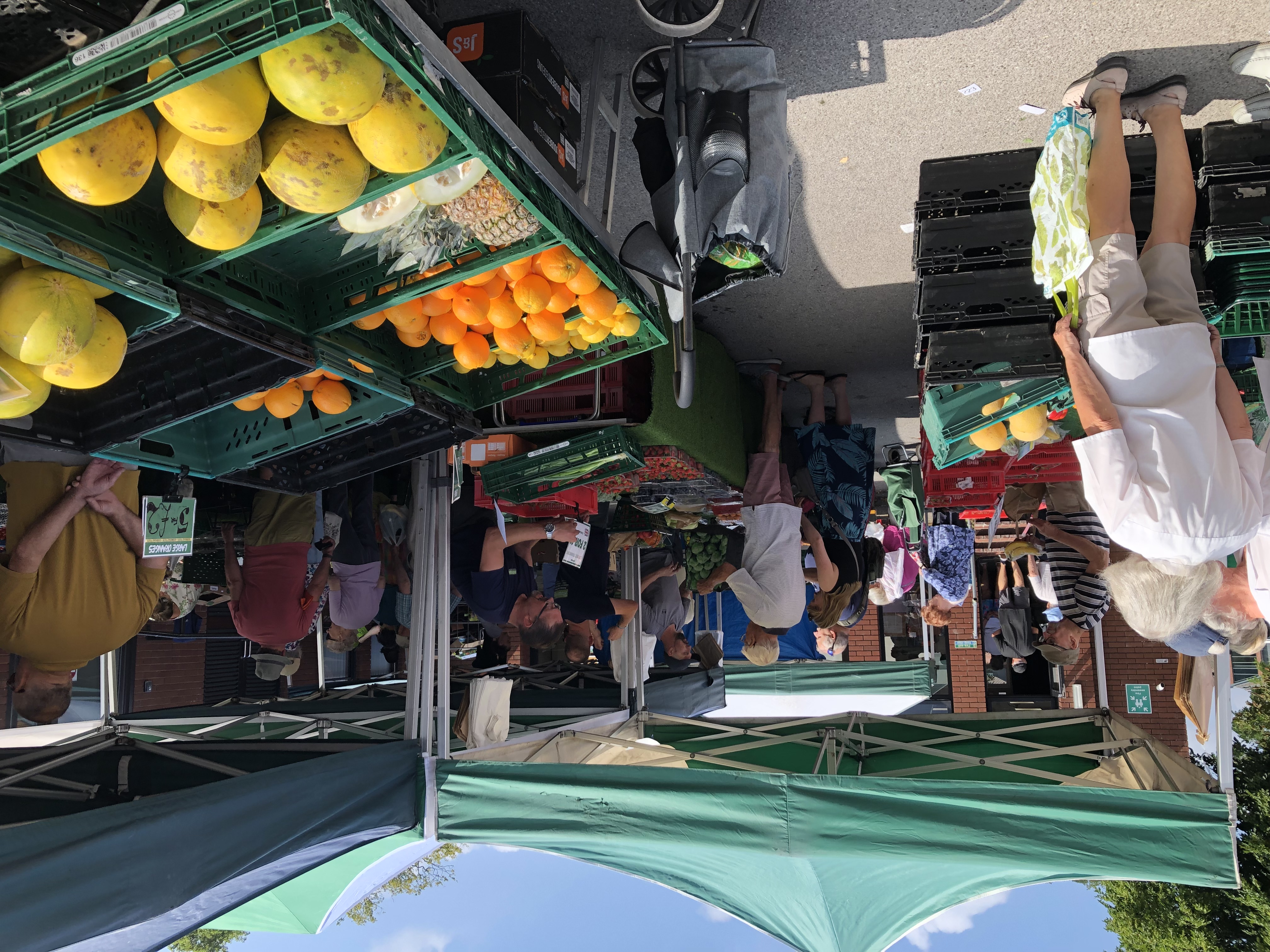
Wimborne Minster Market – A Summer Highlight for Dorset Visitors

If you’re visiting Dorset this summer, or live locally and love supporting your community and a local charity, make time to experience one of Wimborne’s true gems: Wimborne Minster Market, held every Friday from 8:00 am to 2:00 pm at the Allendale Community Centre.

More than just a market, Wimborne Minster Market is a celebration of local flavour, friendly faces, and community spirit. 

Nestled in the heart of Wimborne Minster, this lively weekly event spans two indoor halls and a vibrant outdoor area, offering:

• Fresh, fruit, vegetables and plants

• Free-range meats, fresh fish, artisan cheeses

• Baked goods, jams, chutneys, and honey

• Handmade jewellery, pottery, textiles, and crafts

• Vintage collectables, books, cards, and eco-friendly items

Whether you're hunting for gourmet treats, artisan gifts, or just a warm atmosphere, you’ll find it there.

Rooted in Tradition, Growing with the Community

Wimborne Minster Market proudly continues Wimborne’s legacy as a historic market town. After relocating to the Allendale Community Centre in 2021, the market has gone from strength to strength, offering a welcoming space for long-time stallholders and new local makers alike.

It’s much more than a shopping trip, it’s a weekly tradition, where locals and visitors connect over quality products and shared stories.

Plan Your Visit

When: Every Friday, 8:00 am – 2:00 pm

Where: Allendale Community Centre, Wimborne Minster

Parking: Ample public parking adjacent to the Centre

Accessibility: Fully accessible for wheelchairs and pushchairs

Facilities: Toilets, seating, and an on-site café

Dog-Friendly: Well-behaved dogs on leads are welcome

Top Tips for Market Day

• Arrive early (8–10am) for the best produce and quieter browsing

• Bring some cash, because although most stalls are card-friendly not all are

• Enjoy a drink or snack at the café before or after shopping

• Explore the town and local sights such as The Minster, the Model Town, or the Museum of East Dorset

Why Visitors Love It

• Warm, community-led atmosphere

• High-quality, locally sourced goods

• A true slice of Dorset life

• Perfect for summer day trips and local tourism itineraries

Foods and Supplements to Help with Recovery from COVID-19 and Similar Conditions

Recovering from COVID-19, long COVID, or other similar illnesses can be a slow and frustrating process. 

Fatigue, brain fog, shortness of breath, and muscle weakness are all common lingering symptoms. 

While rest and medical advice should always come first, your diet can play a crucial supporting role in speeding up recovery and rebuilding your strength.

Here's a look at some of the best foods and supplements to help your body heal and regain energy after a viral infection.

1. Protein-Rich Foods for Repair and Strength

Your body needs protein to rebuild damaged tissues, restore muscle mass, and support a healthy immune system. Aim to include good-quality protein sources in every meal.

Top picks:

Lean meats (chicken, turkey)

Eggs

Fish (especially oily fish like salmon or mackerel)

Greek yoghurt

Tofu, tempeh, and legumes for plant-based options

Tip: A protein smoothie with yoghurt, banana, berries, and protein powder can be an easy meal when your appetite is low.

2. Foods High in Antioxidants

Oxidative stress and inflammation can linger after a virus, especially in long COVID. Antioxidants help neutralise this stress and support immune function.

Include:

Blueberries, blackberries, oranges, and kiwi

Leafy greens like spinach and kale

Carrots, peppers, and sweet potatoes

Green tea and herbal teas like ginger or turmeric

3. Zinc and Vitamin C for Immune Support

Zinc and vitamin C are well-known immune boosters. They can also help reduce fatigue and fight off secondary infections during recovery.

Good sources:

Zinc: Pumpkin seeds, lentils, chickpeas, beef, and cashews

Vitamin C: Citrus fruits, bell peppers, strawberries, broccoli, and Brussels sprouts

Supplement option: Consider a daily multivitamin with zinc and vitamin C, especially if your diet is limited during illness.

4. Omega-3 Fatty Acids to Reduce Inflammation

Inflammation is a major cause of fatigue and muscle pain after viral infections. Omega-3s have strong anti-inflammatory properties and support heart, lung, and brain health.

Best sources:

Salmon, mackerel, sardines, and other oily fish

Chia seeds, flaxseeds, and walnuts

Algae oil (plant-based supplement)

5. Probiotics for Gut Health

Many people experience gut issues or antibiotic use during or after COVID-19. Probiotics help restore healthy gut bacteria, which can improve digestion, immunity, and even mental clarity.

Foods to try:

Live yoghurt and kefir

Sauerkraut, kimchi, miso, and other fermented foods

Supplements: A quality probiotic supplement can also be useful, particularly if you’ve been on antibiotics.

6. Magnesium and B Vitamins for Energy

Fatigue is one of the most persistent post-viral symptoms. Magnesium and B vitamins play a crucial role in energy production and nerve health.

Sources of magnesium:

Almonds, cashews, spinach, avocado, and whole grains

Sources of B vitamins:

Whole grains, eggs, dairy, meat, and nutritional yeast

Supplement support: A high-quality B-complex and magnesium glycinate can help support sleep, reduce anxiety, and improve daytime energy.

7. Hydration and Electrolytes

Don't underestimate the importance of fluids. Dehydration can worsen fatigue, dizziness, and headaches. Add a pinch of sea salt or use electrolyte tablets if you’re sweating or feeling weak.

Good hydration options:

Water with lemon or lime

Herbal teas

Coconut water

Oral rehydration solutions

Final Thoughts

Recovery from COVID-19 or any similar illness isn’t just about getting rid of symptoms – it’s about rebuilding resilience and long-term health. The right mix of nutritious foods and targeted supplements can help you bounce back stronger, both physically and mentally.

As always, consult your GP or a registered dietitian before beginning any new supplements, especially if you’re on medication or managing other health conditions.

Have you experienced long COVID or post-viral fatigue?

Let us know your recovery tips or what foods have helped you feel stronger in the comments.