
Food and drink news for the discerning consumer
Friday, 31 January 2025
That's Christmas: Romantic Christmas-Inspired Valentine’s Day Idea
That's Christmas: Romantic Christmas-Inspired Valentine’s Day Idea: Valentine’s Day and Christmas are two of the most romantic times of the year, so why not blend the magic of both for an unforgettable celebr...
Get Ready for a Fantastic Flavour Explosion at the Three Counties Food & Drink Festival This Summer
.png)
With doors open from 10am – 5pm daily, this is the ultimate food lover's paradise.
Join the organisers as they celebrate the very best of the region's food and drink scene, featuring a mouthwatering line-up of local producers, live TV chef demonstrations, hands-on workshops for all ages, and a host of fun activities for the whole family!
From mouthwatering street food to pop-up bars, and from delicious food and drink products to beautiful gifts, crafts, and homewares, there's something for everyone to enjoy. Unwind with live music and soak-up the lively festival atmosphere.
They're busy cooking up some big surprises – stay tuned for exciting announcements in the coming months, including guest TV chefs, news on tasting sessions and more.
Tickets start at a mere £12, with a limited number of VIP tickets also available for those who want to enjoy priority parking and an exclusive meet-and-greet with their TV chefs.
Don't miss out – the countdown is on. Get your tickets now at Three Counties Food Festival, here https://www.threecountiesfoodfestival.com.
Why Non-Recyclable Food Pouches Should Be Banned
.jpg)
From baby food and pet food and treats to ready-made sauces and energy gels, these pouches offer a mess-free and portable way to consume food on the go.
However, the environmental cost of non-recyclable food pouches is far too great to ignore.
The Environmental Impact
1. Difficult to Recycle
Most food pouches are made from multi-layered plastic and aluminium, designed to keep food fresh and lightweight.
However, this very design makes them nearly impossible to recycle. Unlike single-material plastics, these composite materials require specialised recycling processes that most facilities are not equipped to handle. As a result, the majority of these pouches end up in landfill or are incinerated, contributing to pollution.
2. Contributing to Plastic Waste
Non-recyclable food pouches are a major contributor to the global plastic waste crisis. According to environmental reports, millions of these pouches are discarded daily, with many finding their way into oceans and waterways. Marine life often mistakes them for food, leading to ingestion, suffocation, and death.
3. Long Decomposition Time
Unlike biodegradable or compostable materials, plastic food pouches take hundreds of years to break down. Even when they do degrade, they fragment into microplastics that infiltrate ecosystems, harming wildlife and potentially entering the human food chain.
The Health Risks
1. Microplastic Contamination
Studies have shown that microplastics are now present in drinking water, soil, and even the air we breathe. By continuing to use non-recyclable food pouches, we are exacerbating the problem, increasing the risk of microplastic ingestion, which has been linked to potential health concerns.
2. Chemical Leaching
Many plastic pouches contain chemicals such as phthalates and BPA, which can leach into food over time. These chemicals have been associated with hormone disruption, developmental issues in children, and other health problems. By banning non-recyclable pouches, we can encourage the use of safer, more sustainable alternatives.
The Need for a Ban
1. Encouraging Sustainable Alternatives
Banning non-recyclable food pouches would push manufacturers to develop environmentally friendly packaging solutions. Many companies have already started producing recyclable, compostable, or refillable alternatives, proving that a shift is possible.
2. Reducing Waste Management Costs
Governments and local councils spend millions dealing with plastic waste. By eliminating non-recyclable pouches, we can reduce the burden on waste management systems and focus on truly sustainable recycling efforts.
3. Protecting Future Generations
The plastic crisis is not just an environmental issue—it’s a legacy we leave for future generations. By taking action now, we can prevent further damage to our planet and ensure a healthier future for all.
Conclusion
The convenience of non-recyclable food pouches does not outweigh the environmental and health risks they pose. A ban on these wasteful products is a necessary step towards a cleaner, greener future. Governments, businesses, and consumers must work together to demand and support sustainable packaging solutions. The time to act is now—before the damage becomes irreversible.
Natural Foods and Supplements to Help Reduce High Blood Pressure

While medication can be essential for managing hypertension, diet and lifestyle changes can also have a significant impact.
Certain foods and natural supplements contain compounds that help relax blood vessels, reduce inflammation, and support overall heart health. Here’s a guide to natural remedies that can help lower blood pressure.
1. Foods That Help Lower Blood Pressure
a. Leafy Greens
Spinach, kale, Swiss chard, and other leafy greens are rich in potassium, which helps the kidneys remove excess sodium from the body, reducing blood pressure.
b. Berries
Blueberries, strawberries, and raspberries contain high levels of flavonoids, which have been linked to lower blood pressure by improving blood vessel function.
c. Beetroot
Beets are packed with nitrates, which convert into nitric oxide in the body, helping to relax blood vessels and improve circulation. Drinking beet juice has been shown to have an almost immediate blood pressure-lowering effect.
d. Garlic
Garlic contains allicin, a compound that helps widen blood vessels and improve blood flow. Regular consumption of garlic or garlic supplements has been linked to lower blood pressure levels.
e. Bananas
Bananas are an excellent source of potassium, which helps balance sodium levels and relax blood vessels.
f. Oats
Oats contain beta-glucans, a type of fibre that has been shown to lower both systolic and diastolic blood pressure by improving cholesterol levels and reducing inflammation.
g. Fatty Fish
Salmon, mackerel, and sardines are rich in omega-3 fatty acids, which help reduce inflammation and support heart health by lowering blood pressure and improving blood vessel function.
h. Nuts and Seeds
Almonds, walnuts, flaxseeds, and chia seeds are packed with magnesium, which plays a key role in relaxing blood vessels and reducing blood pressure.
i. Dark Chocolate
Dark chocolate (with at least 70% cocoa) contains flavonoids that help improve blood vessel function and reduce blood pressure over time.
j. Pomegranate
Pomegranates are rich in antioxidants and have been shown to improve blood flow and lower blood pressure when consumed regularly as juice or whole fruit.
2. Natural Supplements for Lowering Blood Pressure
a. Magnesium
Magnesium helps relax blood vessels and is often used as a natural remedy for high blood pressure. Studies suggest that supplementing with magnesium can lead to modest reductions in blood pressure.
b. Coenzyme Q10 (CoQ10)
CoQ10 is a powerful antioxidant that plays a role in energy production and heart health. Some research suggests it can help lower blood pressure by improving blood vessel function.
c. Omega-3 Fish Oil
Omega-3 supplements, particularly EPA and DHA, have been shown to reduce blood pressure, lower inflammation, and improve overall heart health.
d. Hibiscus Tea
Hibiscus tea contains natural compounds that act as angiotensin-converting enzyme (ACE) inhibitors, similar to some blood pressure medications. Drinking hibiscus tea regularly can help lower blood pressure naturally.
e. Beetroot Powder
Like whole beets, beetroot powder is rich in nitrates, which can support nitric oxide production and improve blood vessel function, leading to lower blood pressure.
f. L-Arginine
L-arginine is an amino acid that helps the body produce nitric oxide, which relaxes blood vessels and improves circulation, potentially reducing blood pressure.
g. Potassium Supplements
If dietary potassium intake is insufficient, potassium supplements can help balance sodium levels and reduce blood pressure. However, they should only be taken under medical supervision.
h. Hawthorn Extract
Hawthorn has been used in traditional medicine for heart health, as it may help dilate blood vessels, improve circulation, and lower blood pressure.
3. Lifestyle Tips for Managing Blood Pressure
While diet and supplements play a significant role, other lifestyle habits are crucial for maintaining healthy blood pressure:
Reduce sodium intake by avoiding processed foods and using herbs and spices instead of salt.
Stay active with regular exercise, such as brisk walking, cycling, or swimming.
Manage stress through activities like meditation, deep breathing, and yoga.
Limit alcohol and caffeine, as excessive consumption can raise blood pressure.
Maintain a healthy weight, as excess weight puts additional strain on the heart.
Get enough sleep, as poor sleep is linked to higher blood pressure levels.
Final Thoughts
High blood pressure can often be managed naturally with the right diet, supplements, and lifestyle choices. Incorporating potassium-rich foods, omega-3 fatty acids, and nitric oxide boosters like beetroot and garlic into your diet can make a significant difference. However, if you’re on blood pressure medication, always consult your doctor before making major dietary changes or adding supplements.
By taking a natural approach to blood pressure management, you can support your heart health and reduce the risk of hypertension-related complications.
Wednesday, 29 January 2025
Boost Your Pub, Restaurant, or Café with a Quiz Night – and Support a Good Cause!

Not only does it draw in a crowd, but it also provides a fantastic opportunity to raise money for a good cause, further strengthening your community ties.
Why a Quiz Night?
Quiz nights are an excellent way to bring people together, offering entertainment and friendly competition. They encourage group visits, which means more customers enjoying your food and drinks. Regular quiz nights can help establish a routine, turning one-off visitors into loyal patrons.
I have operated quiz nights in several venues and they were good fun and successful.
How to Set Up a Successful Quiz Night
1. Pick the Right Day and Time
Choose a quieter evening, such as a Monday or Wednesday, to boost footfall on typically slower nights. Start at a time that allows diners to enjoy a meal before the quiz begins.
2. Promote Your Event
Use social media, posters in your venue, press releases to local media and word of mouth to spread the word. Offer incentives like discounts on drinks or meals for quiz participants.
3. Create an Engaging Quiz
Make sure your quiz is fun, varied, and inclusive. Mix general knowledge with themed rounds (e.g., music, film, local history) to keep things fresh.
4. Encourage Team Play
Teams make the event more sociable and increase the number of attendees. Set a team size limit to keep things fair and manageable.
5. Offer Prizes and Incentives
Small prizes such as free drinks, meal vouchers, or a winners’ trophy add excitement. You could also offer a rolling jackpot for extra engagement.
Raising Money for a Good Cause
Adding a charitable element to your quiz night can make it even more appealing. Here’s how:
Entry Fees – Charge a small entry fee per person or per team and donate a portion to charity.
Raffles and Auctions – Run a raffle with donated prizes or auction off items to raise extra funds.
Donation Buckets – Have collection tins available for those who want to contribute more.
Charity Partnerships – Work with a local charity and promote their cause during the event.
The Benefits of a Quiz Night
Increased Footfall – More customers on quieter nights means a boost in revenue.
Stronger Customer Loyalty – A regular quiz night builds a sense of community and keeps people coming back.
Positive Brand Image – Supporting good causes enhances your reputation and attracts socially conscious customers.
Fun and Engaging Atmosphere – A lively quiz night creates a buzz that makes your venue the place to be.
Final Thoughts
A quiz night is an easy, cost-effective way to drive business while giving back to the community. Whether you run a pub, restaurant, or café, hosting a quiz can bring in new customers, encourage repeat visits, and create a great social experience.
By incorporating a charitable element, you not only entertain but also make a meaningful impact. So, why not start planning your first quiz night today?
Natural Ways to Reduce Blood Pressure: Foods, Herbs, and Supplements

While medication can help manage hypertension, dietary and lifestyle changes can also play a significant role in keeping blood pressure at healthy levels.
Here are some natural ways to support healthy blood pressure through food, herbs, and supplements.
Foods That Help Lower Blood Pressure
Leafy Greens – Vegetables like spinach, kale, and Swiss chard are rich in potassium, which helps the body get rid of excess sodium and eases tension in blood vessels.
Berries – Blueberries, strawberries, and raspberries contain antioxidants called flavonoids, which have been linked to lower blood pressure.
Beets – High in nitrates, beets can help dilate blood vessels and improve circulation, leading to lower blood pressure.
Bananas – A great source of potassium, bananas help balance sodium levels and support heart health.
Oats – Rich in fibre, particularly beta-glucans, oats can help reduce cholesterol levels and improve heart health, indirectly benefiting blood pressure.
Fatty Fish – Salmon, mackerel, and sardines contain omega-3 fatty acids, which reduce inflammation and support cardiovascular health.

Dark Chocolate – Contains flavonoids that can help improve blood vessel function and lower blood pressure (opt for high-cocoa, low-sugar varieties).
Nuts and Seeds – Almonds, walnuts, flaxseeds, and chia seeds are rich in magnesium and healthy fats that support heart health.
Yoghurt – A good source of calcium and probiotics, yoghurt has been linked to lower blood pressure in some studies.
Herbs That Support Healthy Blood Pressure
Hibiscus – Often consumed as a tea, hibiscus has been shown to have blood pressure-lowering properties due to its high antioxidant content.
Hawthorn – Used in traditional medicine, hawthorn can improve circulation and support cardiovascular health.
Olive Leaf Extract – Contains compounds that help relax blood vessels and reduce blood pressure.
Celery Seed – Used in herbal medicine for its diuretic properties, which help eliminate excess sodium from the body.
Basil – Contains compounds that may help relax blood vessels and lower blood pressure.
Supplements That May Help
Magnesium – Plays a role in relaxing blood vessels and improving circulation.
Coenzyme Q10 (CoQ10) – An antioxidant that supports heart health and may help lower blood pressure.
Potassium – Essential for balancing sodium levels and reducing blood pressure.
Omega-3 Fatty Acids – Found in fish oil supplements, omega-3s help reduce inflammation and support cardiovascular function.
L-Arginine – An amino acid that helps the body produce nitric oxide, which relaxes blood vessels and lowers blood pressure.
Final Thoughts
Incorporating these foods, herbs, and supplements into your diet can help support healthy blood pressure levels naturally. However, if you have hypertension or are on medication, always consult your doctor before making significant dietary changes or adding supplements to your routine.
Lifestyle changes such as regular exercise, stress management, and reducing salt intake can also greatly contribute to maintaining healthy blood pressure.
Easy and Affordable Ways to Promote Your Food Business
.jpg)
Whether you're running a café, restaurant, food van, or catering service, keeping customers engaged and attracting new ones can be challenging—especially when marketing budgets are tight.
The good news is that there are plenty of easy, cheap, or even free ways to promote your food business effectively.
Here are some strategies to help you boost visibility and sales without breaking the bank.
1. Leverage Social Media (Free)
Social media is one of the most powerful and cost-effective tools for promoting your food business.
Post high-quality photos of your dishes to entice customers.
Use Instagram Stories, Facebook Reels, and TikTok to showcase behind-the-scenes content, daily specials, or customer testimonials.
Engage with your audience by responding to comments and messages promptly.
Run interactive polls, Q&A sessions, or giveaways to keep your followers engaged.
2. Encourage User-Generated Content (Free)
Your customers can be your best marketers. Encourage them to share their dining experiences on social media by:
Creating a unique hashtag for your business.
Running a contest where customers share their meals for a chance to win a free dish or discount.
Featuring user-generated content on your social media pages to build a sense of community.
3. Optimise Your Google Business Profile (Free)
Having an up-to-date Google Business Profile can increase your visibility in local searches. Ensure that:
Your address, contact details, and opening hours are correct.
You upload high-quality photos of your food and premises.
You encourage happy customers to leave positive reviews.
You respond to reviews to show engagement and appreciation.
4. Partner with Local Businesses (Free or Low Cost)
Collaboration is a great way to expand your reach. Consider:
Partnering with local coffee shops, bakeries, local breweries, or markets for cross-promotions.
Offering exclusive discounts to employees of nearby businesses.
Featuring local suppliers or artisans on your menu to create mutual support.
5. Offer Discounts and Loyalty Rewards (Low Cost)
Everyone loves a good deal! Implementing a simple loyalty programme can encourage repeat customers.
Provide a stamp card where customers earn a free item after a set number of purchases.
Offer a small discount for referrals or first-time visitors.
Run limited-time promotions to create a sense of urgency.
6. Engage with Local Media and Bloggers (Free or Low Cost)
Local food bloggers and journalists are always looking for new places to review.
Reach out to them with a friendly email introducing your business.
Invite them for a complimentary meal/drink in exchange for an honest review.
Offer to collaborate on a giveaway to increase exposure.
7. Host Small Events or Tasting Sessions (Low Cost)
Hosting an event doesn’t have to be expensive.
Organise a tasting session for new menu items.
Host a cooking demo or workshop.
Collaborate with local musicians or artists for a themed evening.
8. Make the Most of Email Marketing (Free or Low Cost)
Email marketing remains a powerful tool for customer retention.
Collect emails from customers through your website or in-store.
Send a monthly newsletter with updates, promotions, and special offers.
Personalise emails with customer names and tailored recommendations.
9. Get Listed on Food Delivery Apps and Directories (Varied Cost)
If you offer takeaway or delivery, make sure you're visible on food apps and directories like:
Just Eat, Deliveroo, or Uber Eats (if applicable to your area).
Local online food directories or community pages.
Your own website with an easy-to-use online ordering system.
10. Engage with Your Community (Free or Low Cost)
Building relationships with your local community can generate loyal customers.
Participate in local markets, fairs, food fairs, or charity events.
Sponsor a small community event or sports team.
Offer a “pay-it-forward” scheme where customers can donate a meal to someone in need.
Final Thoughts
Promoting your food business doesn’t have to be expensive. By using these simple and affordable strategies, you can increase visibility, attract new customers, and keep existing ones engaged. The key is consistency—stay active, be creative, and always provide great food and service.
Of course, That's Food and Drink will help promote your business for free. Please get in touch if we can help.
Which of these strategies will you try first? Let us know in the comments or share your own tips for food business success!
How to Prevent and Deal with Pantry Moth Infestations

These pests infiltrate kitchens and pantries, contaminating dry goods like flour, grains, nuts, dried fruit, and pet food.
A single infestation can rapidly spread, making eradication challenging. This guide will help you prevent and eliminate pantry moth infestations effectively.
Identifying a Pantry Moth Infestation
The first sign of an infestation is often the presence of small, greyish-brown moths fluttering around your kitchen. However, the real problem lies in their larvae, which hatch from eggs laid in food packages. Look out for:
Webbing in food containers, on pantry shelves, or inside packaging.
Tiny white or pinkish larvae crawling inside food products.
Small brown pupae in crevices or corners of cupboards.
Adult moths flying near food storage areas.
Preventing an Infestation
1. Store Food Properly
Keep all dry goods in airtight glass, metal, or heavy-duty plastic containers.
Avoid storing food in paper or thin plastic packaging, as larvae can chew through them.
Store bulk grains, flour, and nuts in the freezer for at least a week before placing them in the pantry to kill any eggs or larvae.
Check any flour, grain, parrot food, etc, that you purchase online.
2. Maintain a Clean Pantry
Regularly wipe down shelves with a vinegar and water solution.
Vacuum pantry shelves and corners to remove any eggs or larvae.
Dispose of expired or infested food immediately in a sealed plastic bag outside your home.
3. Monitor for Early Signs
Use pheromone traps designed for pantry moths to catch adult males and disrupt their breeding cycle.
Inspect food packages at the shop before purchasing, checking for holes or webbing.
Eliminating an Existing Infestation
If you already have an infestation, follow these steps to get rid of it:
1. Remove and Dispose of Infested Items
Inspect all food products carefully and discard anything that shows signs of contamination.
Do not simply move infested items to another location, as this can spread the problem.
2. Deep Clean the Pantry
Empty your pantry completely and vacuum all shelves, corners, and cracks.
Wash shelves, walls, and corners with a mixture of warm water and white vinegar.
Use a hairdryer or steam cleaner to target any hidden eggs in cracks and crevices.
3. Use Natural Repellents
Place bay leaves, cloves, or cedar blocks or dried chilli peppers in the pantry to deter moths.
Wipe down shelves with a diluted essential oil solution (such as lavender or peppermint) to repel future infestations.
4. Set Up Traps
Use pantry moth pheromone traps to capture remaining adult moths.
Replace traps regularly and monitor for further activity.
Long-Term Prevention
Rotate pantry items frequently and avoid stockpiling large quantities of dry goods.
Keep pet food in sealed containers and avoid leaving it exposed.
Maintain a cool, dry pantry environment, as moths thrive in warm, humid conditions.
By following these preventive measures and acting swiftly at the first sign of an infestation, you can keep your kitchen and pantry free from moths and protect your food from contamination.
A little vigilance goes a long way in maintaining a pest-free home!
Food Supplements to Help Combat CFS, ME, and Long COVID

While there is no one-size-fits-all cure, many people find targeted food supplements can help support energy levels, immune function, and overall well-being. Below are some of the most promising supplements that may help manage symptoms of these conditions.
1. Coenzyme Q10 (CoQ10)
CoQ10 is a powerful antioxidant that plays a crucial role in cellular energy production. Many people with CFS, ME, and Long COVID report improvements in energy levels when supplementing with CoQ10. Studies suggest that it may help combat oxidative stress and mitochondrial dysfunction, which are often implicated in these conditions.
2. Magnesium
Magnesium is essential for muscle function, nerve health, and energy production. Many individuals with chronic fatigue conditions are found to be deficient in magnesium. Supplementing with magnesium (especially in well-absorbed forms like magnesium glycinate or magnesium malate) may help reduce muscle pain, improve sleep quality, and enhance overall energy levels.
3. Vitamin B12 and B-Complex Vitamins
B vitamins, particularly B12, play a vital role in energy metabolism and nervous system health. Some people with CFS, ME, and Long COVID experience significant benefits from supplementing with B12, especially in its methylcobalamin form. A full B-complex supplement can also support brain function and reduce feelings of fatigue.
4. D-Ribose
D-ribose is a naturally occurring sugar that plays a critical role in ATP (energy) production. Research suggests D-ribose supplementation can improve energy levels, reduce muscle pain, and enhance overall well-being in people with CFS and fibromyalgia.
5. Omega-3 Fatty Acids
Omega-3s, found in fish oil or algae supplements, have strong anti-inflammatory properties. They can help support brain function, reduce joint and muscle pain, and improve cardiovascular health, all of which are relevant for people suffering from post-viral fatigue conditions.
6. L-Carnitine
L-Carnitine is an amino acid derivative that helps transport fatty acids into cells to be used for energy. Some studies suggest that people with CFS and ME may have lower levels of carnitine, and supplementation may help improve energy levels and reduce muscle fatigue.
7. Vitamin D
Vitamin D is crucial for immune function and overall health. Many people with chronic illnesses, particularly those who spend a lot of time indoors due to fatigue, have low vitamin D levels. Supplementing with vitamin D3 can support immune resilience and improve mood.
8. Adaptogenic Herbs (Ashwagandha, Rhodiola, Ginseng)
Adaptogens are natural substances that help the body adapt to stress and improve energy levels. Ashwagandha and Rhodiola have been shown to reduce fatigue, enhance mental clarity, and support adrenal function, which may be beneficial for those suffering from post-viral fatigue syndromes.
9. Probiotics and Gut Health Support
A healthy gut microbiome is essential for overall well-being, immune function, and energy production. Many people with CFS, ME, and Long COVID experience digestive issues, which can be improved with high-quality probiotics, prebiotics, and gut-supporting nutrients like L-glutamine and zinc.
10. N-Acetyl Cysteine (NAC) and Glutathione
NAC is a precursor to glutathione, the body's most potent antioxidant. It can help reduce oxidative stress, support detoxification, and improve respiratory health—an important consideration for those dealing with Long COVID.
While supplements can be a helpful tool in managing symptoms of CFS, ME, and Long COVID, they should be used as part of a broader approach that includes proper nutrition, pacing strategies, and medical guidance. It’s always best to consult with a healthcare professional before starting any new supplement regimen to ensure safety and effectiveness for your specific needs.
Have you tried any of these supplements? Please share your experiences in the comments below!
Nick Butter backs Super Broccoli Company
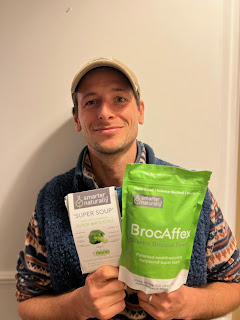
Nick, who famously ran a marathon in every country in the world and raised millions for prostate cancer charities, is working to shine a light on the benefits of this wonderful super broccoli.
He joined forces with the company because of their uniquely powerful super-broccoli which offers athletes a cutting edge, sport-legal, all-natural performance boost that simultaneously safeguards their long-term health – particularly for men.
While best known for his mammoth running feats and eleven world record successes, Nick’s greatest achievements are arguably raising millions for the fight against prostate cancer.
Initially inspired by his personal experience of close friends being affected by the disease, his ‘running the world’ campaign - the only person to run a marathon in every country in the world - raised millions for prostate cancer charities.
Since then, he has raised millions more to further the fight against prostate cancer - and is now working directly with SmarterNaturally to give more men access to science-backed, all-natural and athlete-friendly products which can support their long-term prostate health.
“Broccoli has long been favoured by both prostate cancer clinicians and athletes the world over. Having a super-broccoli that can support health as well as provide a potential edge for athletes is a win, win.” Said Nick.
“I am very keen to raise awareness about Prostate Cancer and continue to raise money for Prostate charities, through sport and the work I do, and so working with a company like SmarterNaturally which shares this goal and can simultaneously support my running career is a dream come true.”
SmarterNaturally has spent decades developing its unique super strain of super-broccoli (called ‘GRextra’), which delivers five times the amount of powerful natural active ingredients which helps to repair and maintain a healthy metabolism.
Our metabolism is the process by which our cells produce energy, clear toxins and repair themselves – all of which are essential processes for athletes, and so optimising our metabolism allows us to train harder, perform better and recover faster.
But there is a large and growing body of scientific evidence to indicate that the key, naturally occurring compound, Sulforaphane, delivered at higher levels by SmarterNaturally’s super-broccoli than by any other source, is also beneficial for early-stage Prostate Cancer and could help to reduce Prostate Cancer risk - alongside a range of other age-related health conditions - through supporting improved metabolic health.
As a world-leading endurance athlete, Nick Butter began using SmarterNaturally’s super-broccoli products to support his training and health as he begins to prepare for his next, almost unimaginable feat - which is still shrouded in secrecy.
After learning about the potential for these products to also safeguard his long-term prostate health, he’s teamed up with the SmarterNaturally team to help spread the word about the two-pronged benefit of their super-broccoli for men like him and all those interested in athletic performance and long-term health.
Nick Butter added: “I’ve always loved broccoli, but I never realised it contains active ingredients that help our cells to grow and repair themselves. When you’re pushing the boundaries of what’s possible, every choice matters, so a super-strength broccoli supplement that supports not only my long-term health, could reduce my prostate cancer risk as well as my training is a no-brainer.”
Following the latest research in sports performance, Nick and many other athletes already focus their training on optimising their metabolism. For example, long-distance runners, cyclists and rowers often focus on so-called “zone 2” training, which helps to improve their endurance. Meanwhile, sprinters and weightlifters prioritise “zone 4” training which helps improve muscle power during short, intense efforts.
SmarterNaturally’s super-broccoli ties directly into this approach by delivering a concentrated hit of natural bioactive ingredients like sulforaphane, which work to repair and maintain our metabolism and drive our cells to become more powerful and more efficient at producing energy. Their GRextra super-broccoli delivers five times more sulforaphane than traditional varieties, making it a uniquely powerful choice for athletes looking for a metabolic boost that supports their performance, endurance, recovery and long-term health.
And while the science is strongest for prostate health, there is also a wealth of research indicating this super-broccoli could support improved health in many other areas, including brain health, heart health, joint health and even other common forms of cancer - meaning it’s not just men who can reap the benefits of this scientific breakthrough.
“I get approached by lots of brands, but SmarterNaturally immediately caught my eye. Their work is grounded in science, which is so important in the world of supplements and functional food where it’s hard to know who or what to trust. Their products are green and vibrant and bold, which is a refreshing change from the constant pills and bars you normally see. And they’re affordable too – we’re talking just five pounds a week to supercharge your health and training regime,” added Nick.
SmarterNaturally currently has two products, an instant supersoup and BrocAffex, a pouch containing 250g of its unique broccoli powder that can be added to protein shakes or other food and drinks at the point of consumption.
Both are easy to use and lightweight, making them perfect for travelling or carrying with you during longer activities or trips – and their high strength means eating just one portion a week is enough to see a positive effect, making them more convenient to add to a training plan than a daily supplement tablet.
These products offer a new way for you to support your health and supercharge your metabolism - and one that’s fully natural, healthy and sport-legal.
Nick said: “They are such simple products to use, it's affordable and slots into my health and fitness programme really easily. The science behind the product and its effect on metabolic health is also interesting, with the potential not only to improve my performance, but also to support my recovery and help to protect my joints and long-term health, providing a range of benefits all in one.”
Broccoli has long been a favourite vegetable of athletes, and for good reason due its natural source of sulforaphane, which boosts our metabolism and supports improved muscle power, endurance and recovery. But standard broccoli delivers very little sulforaphane and this can be destroyed by cooking.
SmarterNaturally’s super-broccoli delivers five times more sulforaphane, making it far easier and more practical for athletes to add to their diet and training regimes to gain a natural edge.
Their super-broccoli was developed by scientists at the Quadrum Institute, a centre for food and health research that combines the Norfolk and Norwich University Hospitals’ endoscopy centre and the University of East Anglia’s Norwich Medical School.
Lead scientist for SmarterNaturally, Professor Richard Mithen, said: “The aim is to help optimise our metabolism. Research suggests that eating a few portions a week could deliver enough sulforaphane and other healthy nutrients to help athletes optimise their metabolism, which is associated with improved muscle function, faster recovery and better long-term general health.”
The special broccoli was discovered growing wild in Sicily by Professor Richard Mithen. After more than 2 decades of research, it’s now finally available to athletes looking to gain a natural edge.
One portion of BrocAffex super-broccoli powder delivers the same amount of sulforaphane as eating 5+ heads of raw broccoli, and at a similar cost (£5). Cooking broccoli often inactivates the enzyme needed to see health benefits, hence the stipulation of it being raw.
Laura Knight, Co-Founder and CEO, SmarterNaturally said: “There’s a growing body of research suggesting that getting high levels of sulforaphane from your diet could offer a range of benefits to athletes through optimising their metabolism - including improved muscle power and endurance, faster lactate clearance, quicker recovery, and the long-term protection of joints, muscles and organs from the intense stresses of high-performance sports, reducing both the risk of injury and of health complications later in life.”
Subscribe to:
Posts (Atom)