Wikipedia

Search results

Friday, 25 April 2025

Welsh Rarebit: The Golden Crown of Pub Grub

Warm, savoury, and comforting, Welsh rarebit is much more than just cheese on toast. 

It's a rich, indulgent dish steeped in history — a staple of Welsh cookery that showcases how simple ingredients can become something deeply satisfying.

Think of it as a grown-up grilled cheese: strong cheddar, mustard, ale, and seasoning come together in a silky sauce, grilled to golden perfection atop thick slices of toast. Whether served in a country pub or a city café, Welsh rarebit is a national treasure.

A Humble History with Bold Flavour

The name "rarebit" is believed to be a playful twist on rabbit, possibly coined in the 18th century as a satirical jab — a “poor man’s meat.” But make no mistake: this dish is rich, flavourful, and comforting in a way that few others can match.

Traditionally made with Caerphilly or mature cheddar, it reflects the Welsh ethos of making the most of modest pantry staples. The result? Pure comfort food.

Regional Twists

South Wales (Cardiff, Swansea)

Often made with dark Welsh ales like Brains or Felinfoel.

May include leek or a pinch of cayenne for warmth.

North Wales (Conwy, Llandudno)

Served open-faced with grilled tomatoes or mushrooms on top.

Sometimes includes a dash of Worcestershire sauce.

Modern Twists Across Wales

Topped with a poached egg for "Buck Rarebit."

Served with a side of pickled shallots or chutney.

Traditional Welsh Rarebit Recipe

Ingredients:

25g butter

25g plain flour

150ml Welsh ale (or milk for a non-alcoholic version)

1 tsp English mustard powder

1 tsp Worcestershire sauce

175g mature Welsh cheddar, grated

2 slices thick-cut bread (sourdough or farmhouse work well)

Salt and pepper, to taste

Method:

Melt butter in a saucepan, then stir in flour to make a roux.

Slowly add ale, whisking continuously to form a smooth sauce.

Stir in mustard powder, Worcestershire sauce, and cheese.

Cook until melted and thick, then season with salt and pepper.

Lightly toast the bread, then spoon the cheese mixture generously on top.

Grill under a hot grill until bubbling and golden brown.

Optional Add-Ons

Buck Rarebit: Add a poached or fried egg on top.

Devilled Rarebit: Stir in a little paprika or chilli.

Luxury Rarebit: Use a blue cheese blend or truffle mustard.

Serving Suggestions

Perfect with a side of salad and chutney for lunch.

Cut into fingers and serve as a starter or canapé.

Ideal with a pint of Welsh ale or a strong cup of Welsh tea.

A Toast to Tradition

Welsh rarebit is more than just a dish — it’s a warming, welcoming reminder that the simplest foods, done right, can carry a nation’s identity. Whether you’re reconnecting with your Welsh roots or discovering the flavours for the first time, rarebit is a glorious place to start.

Coming next: Cawl — Wales in a Bowl
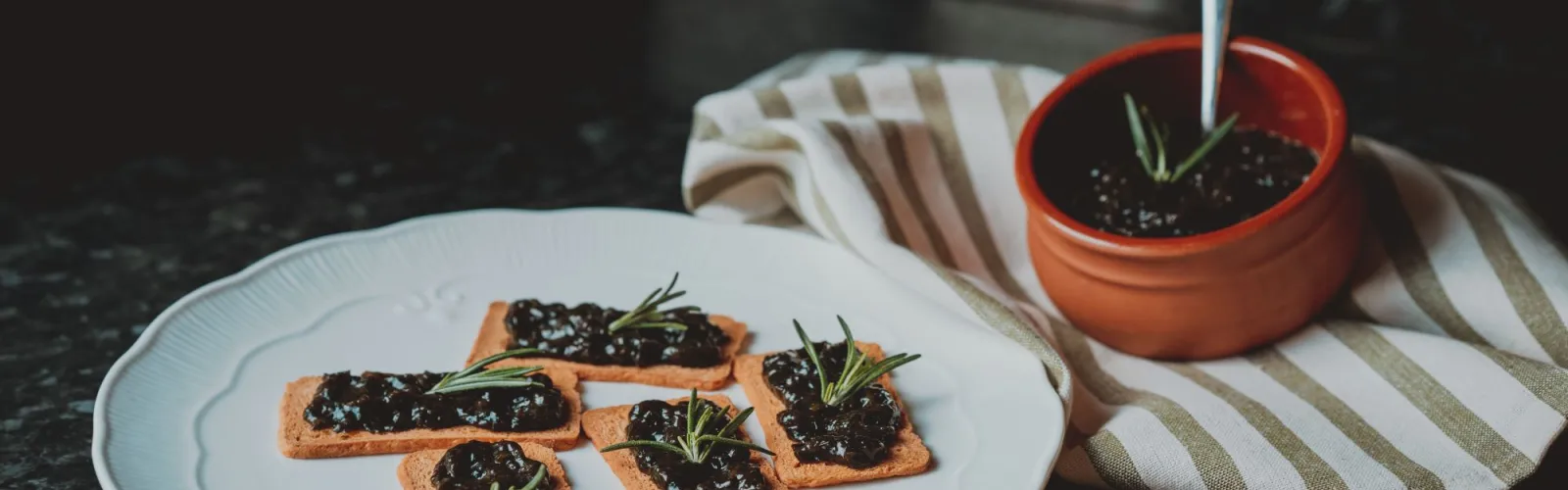
Laverbread & the Sea’s Bounty: A Taste of Coastal Wales

Briny, bold, and packed with nutrients, laverbread (bara lawr in Welsh) is a unique Welsh delicacy that surprises many first-timers — and wins over more than you'd expect. 

Made from cooked laver seaweed, this traditional food is most famously enjoyed along the coasts of Pembrokeshire, Gower, and Ceredigion, where it has been harvested for generations.

It’s often called “Welshman’s caviar” — and for good reason. Rich in iodine, iron, and umami flavour, laverbread has long been a prized part of the Welsh seaside diet.

A Coastal Tradition

Laverbread is made by boiling laver (Porphyra seaweed) for several hours until it turns into a dark, soft purée. It’s then either eaten cold, rolled in oats and fried, or stirred into dishes for a salty, rich depth.

Miners would take it to work with bread and bacon — a simple, sustaining meal packed with minerals. Today, it’s a feature of full Welsh breakfasts and gourmet menus alike.

Regional Variations

Gower Peninsula

Traditionally served rolled in oats and fried with bacon and cockles.

Often used in breakfast fry-ups or on toast with butter.

Pembrokeshire

Sometimes mixed with lemon juice and used as a savoury spread.

Also added to seafood stews and soups.

Modern Welsh Kitchens

Used in risottos, pasta, and even laverbread-stuffed mushrooms.

Blended with butter or cream cheese as a unique condiment.

Traditional Oat-Rolled Laverbread Cakes

Ingredients:

200g cooked laverbread (available fresh or tinned)

1 small onion, finely chopped (optional)

50g medium oats (plus extra for coating)

Salt and pepper

A knob of butter or splash of oil for frying

Method:

Mix the laverbread, oats, and onion together in a bowl. Season well.

Shape into small patties or balls.

Roll in additional oats to coat.

Heat a little oil or butter in a pan and fry for 2–3 minutes each side, until crisp and golden.

Serve hot, traditionally with fried bacon, cockles, and toast.

Modern Serving Suggestions

Spread on sourdough toast with a poached egg.

Stir into a bowl of hot buttery mashed potatoes.

Use to enrich seafood chowder or risotto.

Blend with butter and lemon juice as a topping for grilled fish.

A Salty Bite of Welsh Identity

Laverbread isn’t just food — it’s heritage from the tidepools of Wales. It connects us to coastal traditions, to the rhythm of the sea, and to generations who knew the value of sustainable, foraged nutrition.

If you’re reconnecting with your Welsh roots, don’t shy away from this bold, nutritious seaweed — it’s a true taste of place.

Coming next: Welsh Rarebit — The Golden Crown of Pub Grub

Glamorgan Sausages: A Vegetarian Heritage Dish

Long before plant-based eating was trendy, Wales had its own answer to the meat-free movement: the Glamorgan sausage. Or Selsig Morganwg as it is known in Welsh.

This crispy, cheesy, leek-filled delight hails from the Vale of Glamorgan and dates back to at least the mid 19th century.

Despite being entirely meat-free, it boasts a bold, savoury flavour – a true celebration of local ingredients.

Whether you're a lifelong vegetarian or just curious about traditional Welsh cooking, Glamorgan sausages are a must-try. And if you are vegan or cooking for a vegan vegan cheeses are now readily available.

A Meatless Marvel from Glamorgan

Originally made with Glamorgan or Caerphilly cheese, Glamorgan sausages became quite popular during the Second World War when meat was rationed. 

While modern versions may use cheddar, the original used the crumbly, slightly tangy Caerphilly – a cheese produced in the region since the 1830s.

Bound with breadcrumbs, seasoned with herbs and mustard, and loaded with sautéed leeks, these sausages are pan-fried until golden. They're often served with mash, salad, or simply a dollop of chutney.

Regional Twists

Vale of Glamorgan (Traditional)

Uses Caerphilly cheese, finely chopped leeks, mustard, and thyme.

Rolled in fresh breadcrumbs before frying.

Cardiff & South Wales Valleys

Sometimes includes chopped parsley or chives.

May be served as part of a vegetarian fry-up.

Modern Welsh Kitchens

Variations with mature cheddar, red onion, or even a touch of smoked paprika.

Gluten-free versions use GF breadcrumbs and oat-based cheese.

Traditional Glamorgan Sausage Recipe

Ingredients (Makes 6–8 sausages):

1 leek, finely chopped

1 tbsp butter

150g Caerphilly cheese (or mature cheddar), grated, or a vegan alternative 

100g fresh white breadcrumbs (plus extra for coating)

1 tsp wholegrain mustard

1 tbsp chopped fresh parsley or thyme

1 egg, separated

Salt and pepper

A little milk, if needed

Oil or butter for frying

Method:

Sauté the leeks gently in butter until soft but not browned. Allow to cool slightly.

In a bowl, mix the cheese, sautéed leeks, herbs, mustard, breadcrumbs, and egg yolk. Season well.

If the mixture is too dry, add a splash of milk. If too wet, add more breadcrumbs.

Shape into sausages (about 8cm long), then roll in extra breadcrumbs.

Beat the egg white lightly and dip the sausages in it before rolling in more breadcrumbs (for extra crispiness).

Heat a little oil or butter in a pan and fry the sausages for 3–4 minutes on each side until golden brown.

Serving Suggestions

Serve with creamy mashed potatoes and onion gravy.

Excellent with a green salad and tangy apple chutney.

Or, make a Welsh vegetarian breakfast with grilled tomatoes, mushrooms, and laverbread?

Why Glamorgan Sausages Matter

These sausages remind us that traditional cooking isn't always about meat and two veg – it’s about using what’s local, seasonal, and full of flavour. Glamorgan sausages hold a special place in Welsh culinary heritage, proving that meat-free dishes can be just as rich and satisfying.

Coming next: Laverbread and Sea’s Bounty – Coastal Flavours of Wales.

RawQ From Tennis Star to You

RawQ are an exciting brand that’s taking a fresh approach to energy and nutrition. 

The food bars they make and sell are specially designed to fuel everyday people but are already trusted by professional athletes to provide long-lasting energy.

Co-founded by certified health and nutrition coach Arina Kuzmina, RawQ was created to support her co-founder’s partner, tennis champion Daniil Medvedev, with natural, sustained energy during intense training and competition.

The energy bars are crafted with nutrient-dense, high-quality ingredients like buckwheat, nuts, and seeds, offering a natural boost without any artificial additives - and are totally gluten free. A real boon to my wife who is diagnosed with coeliac disease.

Whether you’re looking for a snack during your workday, on a train or bus journey, or perhaps a pre-workout pick-me-up, RawQ provides the perfect balance of protein, fibre, and healthy fats. 

Also, with buckwheat emerging as a rapidly trending superfood (amassing millions of TikTok views, alone), these bars are as ahead of the curve as they are absolutely delicious. Good for you and so very, very tasty and somewhat moreish, too!

Cacao - Raspberry - Walnut

Box of 16, RRP: £47

Coconut - Spirulina - Almond

Box of 15, RRP: £42

Blueberry - Apple - Hazelnut

Box of 16, RRP: £47

Mango - Banana - Cashew

Box of 16, RRP: £47

Stocked on RawQ's own website, plus all major gyms and tennis clubs including the Roehampton Tennis Club, Queens Club, Padel Social Club, Equinox, BRX, Nobu Pilates and multiple healthy stores around London. 

100% Natural: Containing zero flavouring agents or enhancers. 

Long Lasting Energy: Unique combination of ingredients preventing blood sugar level fluctuations, providing energy for a prolonged period of time. 

Powered by Buckwheat: A powerful superfood, rich in minerals, antioxidants and high in protein. 

Not Dates: Containing zero high sugar ingredients such as dates, to prevent insulin spikes while providing high quality energy. 

Suitable for any diet: The bars are vegan and don't contain gluten, lactose or refined sugar. They do contain Stevia.

https://rawqfoods.com/

Thursday, 24 April 2025

Welsh Cakes: Pice ar y Maen Through the Generations

Ask anyone from Wales about the smell of their childhood, and they might just say Welsh cakes sizzling gently on a hot bakestone. 

Known in Welsh as Pice ar y Maen, these humble treats are a cross between a scone, a pancake, and a biscuit – delicately spiced, lightly sweetened, and cooked on a griddle rather than baked.

Unlike fancier desserts, Welsh cakes carry a sense of home and heritage. They’re the kind of recipe passed on through generations, each family adding their own twist – a little more spice, a splash of vanilla, a pinch of nutmeg.

A Quick History

Welsh cakes date back to at least the 19th century and were traditionally cooked on a maen – a flat, cast-iron griddle or bakestone placed over the fire. 

They became popular as miner’s snacks, thanks to their portability and satisfying texture. No mess, no cutlery – just a dusting of sugar and a warm pocketful of comfort.

Regional Variations Across Wales

Pembrokeshire

Typically made thicker, with a higher ratio of flour to fat.

Sometimes include a pinch more spice (especially cinnamon or ginger).

Cardiff & South Wales Valleys

Often made with mixed peel or a hint of nutmeg.

Some versions include a splash of vanilla extract for extra aroma.

North Wales (especially around Llangollen)

Slightly crisper texture due to longer griddle cooking.

Occasionally served split and buttered, like scones.

Traditional Welsh Cakes Recipe

Ingredients:

225g self-raising flour

110g unsalted butter (cold and diced)

85g caster sugar (plus extra for dusting)

50g currants or sultanas

1 egg, beaten

1/2 tsp mixed spice (optional, but recommended)

Splash of milk (if needed)

Method:

Rub together the flour and butter with your fingertips until it resembles breadcrumbs.

Stir in the sugar, spice, and dried fruit.

Mix in the beaten egg until a soft dough forms. If it’s too dry, add a teaspoon or two of milk.

Roll the dough out on a floured surface to about 5mm thick.

Cut into rounds using a 6–7cm cutter.

Heat a bakestone or heavy frying pan over a medium heat (no oil needed). Cook each cake for 3–4 minutes on each side until golden brown and cooked through.

Dust with caster sugar while still warm.

Tip: The key is a gentle, even heat – too hot, and they’ll scorch before cooking through.


Delicious Variations

Chocolate chip & orange zest: Swap the currants for choc chips and add a little zest for a modern twist.

Apple & cinnamon: Finely grated apple and a touch of ground cinnamon offer a softer, autumnal variation.

Gluten-free version: Substitute with a gluten-free self-raising flour blend – add a dash of xanthan gum to hold the shape.

How to Serve Welsh Cakes

Best served warm, straight off the griddle.

Enjoy plain, or buttered with jam or clotted cream.

Pair with a cup of strong Welsh breakfast tea or a splash of mead for a nostalgic afternoon.

One Cake, Many Memories

From school bake sales to St David’s Day spreads, Welsh cakes remain a beloved constant in Welsh kitchens. Making them by hand – rolling, cutting, flipping – connects us to generations past, and keeps the tradition alive. Whether you're reviving an old family recipe or baking them for the first time, there's something wonderfully grounding in the rhythm of it.

Next up in the series: Glamorgan Sausages – A Vegetarian Heritage Dish.

Tasting Home: Traditional Welsh Meals, Desserts, and Drinks to Reconnect with Your Heritage

Courtesy La-Fontaine/Pixabay
For those with Welsh ancestry or simply a love for the culture, there's no better way to explore your heritage than through its food. 

Wales boasts a rich culinary tradition, shaped by its rugged landscapes, coastal waters, and pastoral farming. 

Whether you’re planning a trip, celebrating St David’s Day, or just fancy a taste of Cymru, these traditional Welsh meals, desserts, and drinks are a delicious way to honour your roots.

Traditional Welsh Meals

1. Cawl

Often considered the national dish of Wales, cawl is a comforting stew made with lamb or beef, leeks, potatoes, carrots, and swede. Traditionally cooked in one pot and left to simmer for hours, it’s hearty, wholesome, and perfect for colder months.

2. Welsh Rarebit

This isn't just cheese on toast! Welsh rarebit is a rich, savoury sauce made from melted cheese (typically Caerphilly or mature cheddar), mustard, ale, and Worcestershire sauce, poured over thick slices of toasted bread. It’s often finished under the grill for that perfect golden crust.

3. Glamorgan Sausages

A vegetarian favourite with historic roots, these sausages are made from cheese (usually Caerphilly), leeks, breadcrumbs, and herbs, then rolled in egg and breadcrumbs before frying. Crisp on the outside and soft inside, they’re a must-try for meat-free eaters.

4. Laverbread with Cockles and Bacon

A true coastal classic, laverbread (made from edible seaweed) is often served with cockles and crispy bacon for a salty, savoury breakfast or brunch. It’s packed with umami flavour and minerals – a proper taste of the sea.

Traditional Welsh Desserts

1. Welsh Cakes (Pice ar y Maen)

These delightful little griddle cakes are somewhere between a scone and a pancake. Made with flour, sugar, dried fruit, and a hint of spice, they’re cooked on a bakestone or griddle and served warm with a dusting of sugar. Perfect with a cup of tea.

2. Bara Brith

Translating to "speckled bread", this fruit loaf is made with tea-soaked dried fruit and mixed spices. It can be yeast-based or a quick bread, and it’s often served sliced and buttered. Every Welsh family has their own recipe!

3. Teisen Lap

A dense, moist cake from North Wales, traditionally cooked in a flat tin. It's a simple but comforting cake that pairs well with afternoon tea.

4. Crempogau (Welsh Pancakes)

These are thicker than traditional crêpes and often flavoured with buttermilk. Stack them high, serve with syrup or jam, and enjoy them as a breakfast treat or dessert.

Traditional Welsh Drinks

1. Welsh Ale and Cider

Wales is home to a growing number of craft breweries and cideries. Look for names like Tiny Rebel, Purple Moose, or Gwynt y Ddraig for modern takes on traditional brews. Historically, farmhouse cider and mild ales were staples across rural communities.

2. Penderyn Whisky

Distilled in the Brecon Beacons, Penderyn is a relatively young but internationally respected Welsh whisky brand. Their single malts offer a smooth, slightly sweet profile, ideal for sipping neat.

3. Mead

Once a favourite of the ancient Celts, mead (fermented honey drink) is enjoying a revival. Modern Welsh meaderies are bringing back this golden beverage with both traditional and flavoured variations.

4. Elderflower and Dandelion Cordials

Homemade cordials made from wildflowers and herbs have long been part of Welsh country life. Refreshing and floral, they’re perfect for mixing with water or sparkling drinks for a non-alcoholic taste of the past.

Reclaiming Heritage, One Bite at a Time

Reconnecting with your Welsh heritage doesn’t always require a grand gesture. Sometimes, it starts with baking a batch of Welsh cakes or simmering a pot of cawl. 

These dishes carry the memories of generations – of kitchen tables, Sunday lunches, and family stories passed down. Whether you're a seasoned cook or a curious beginner, traditional Welsh food offers a flavourful path back to your roots.

Have you tried any of these dishes? Or do you have a family recipe to share? Let’s celebrate Welsh heritage together – one meal at a time.

Why Are So Many Steam Mops Ending Up in Secondhand Shops?

And Are They Worth Buying in the First Place?

If you’ve been browsing your local charity shop or scrolling through Facebook Marketplace lately, you may have noticed a recurring theme among the secondhand offerings: steam mops. 

From big-name brands to obscure Amazon finds, steam mops of all shapes and sizes are cropping up in unused or barely-used condition – often at a fraction of their original price.

So, what’s going on? Why are these supposedly time-saving, deep-cleaning gadgets being cast off in near-mint condition? Are steam mops not as magical as they seem, or is there more to the story?

The Appeal of the Steam Mop

Steam mops promise a lot. They use heated water vapour to sanitise hard floors without chemicals, cutting through grease, grime, and bacteria with ease. For anyone trying to reduce chemical cleaners or tackle mucky floors in kitchens, bathrooms, or pet-heavy homes, that sounds like a dream.

The marketing is compelling, too. Just fill it up, plug it in, and glide your way to spotless floors. Many models even claim to work on sealed wood, tiles, laminate, and more. In theory, it’s the 21st-century mop we’ve all been waiting for.

The Reality: Why So Many Are Abandoned

Despite the hype, many steam mops find their way into cupboards — and eventually charity shop shelves — for a few common reasons:

Not As Versatile As Expected: Some users discover steam mops aren’t suitable for their flooring. Unsealed wood and certain types of laminate can warp or suffer damage from too much moisture and heat.

Faffy to Use: Though advertised as easy, steam mops can be fiddly to set up and clean. The water tank needs regular refilling, and the cloth pads need washing or replacing. Some users simply revert back to their spray mop or traditional mop and bucket.

Disappointing Results: If floors aren’t visibly dirty, the steam mop may not seem to do all that much. And stubborn stains can still require scrubbing, which feels like a letdown after all that promise of “effortless” cleaning.

Impulse Buys: Let’s be honest — steam mops are often bought on a whim during a cleaning spree or while watching a home shopping channel. They’re not always well-researched purchases, which can lead to quick disappointment.

Storage Issues: They can be bulky, and in smaller homes or flats, they’re not the easiest of things to stash away neatly.

So, Are Steam Mops Worth Buying?

Maybe. For the right person, a steam mop can be a handy tool. If you have a lot of hard floors, particularly tiles or sealed surfaces, and you're keen to avoid chemical cleaners, they might work well. They can also be useful for cleaning up after pets or kids — especially in high-traffic areas.

But they’re not miracle machines. They still require effort, can’t be used on all surfaces, and might not replace traditional methods entirely.

Should You Buy One Secondhand?

Absolutely — with a few caveats:

Check the condition: Make sure it heats up, produces steam, and comes with the necessary accessories (like reusable cloth pads). And is certified as safe. 

Look for reviews: Some models are known for breaking easily or underperforming. A quick Google search or a browse on consumer forums can save you trouble.

Sanitise before use: Give it a thorough clean before first use, especially if it’s been sitting unused for a while.

You might even find a bargain on a higher-end model that someone gave up on too soon.

The Bottom Line

Steam mops have a bit of a Marmite reputation — you’ll either love the convenience or loathe the faff. But if you spot one secondhand for a tenner or less, it could be worth giving it a go. Just don’t expect it to revolutionise your cleaning routine overnight.

Celebrate National Walking Month with Scenic Walks & Pub Charm Across the UK!

Picture this, the sun is shining on your face, you can smell the freshness of the outdoors from the fields you are walking in, and you can just about see the quaint countryside pub you planned to rest at. 

To celebrate National Walking Month, we’re highlighting the most picturesque countryside pubs, complete with scenic, local walks across the Premium Country Pub Collection - because there’s nothing quite like a cold, refreshing drink after a summer’s walk! 

Whether you’re out for a leisurely stroll or embarking on an epic hike like The Cotswold Way, these pubs offer the perfect pit stop to refuel and unwind. So, lace up your boots, hit the trail, and make your walk even more enjoyable with a visit to one of these top-notch spots. 

The Wotton Hatch, Dorking Surrey 

Overlooking the idyllic Surrey Hills, The Wooton Hatch in Dorking is a dog-friendly premium pub just a stone’s throw from the natural beauty of the National Trust’s Abinger Roughts and Netley Park. 

A network of well-trodden trails winds through ancient woodland and open chalk downs, perfect for everything from short circular walks to more challenging hikes. Its expansive menu, made with the finest and freshest ingredients, makes it a tempting stop for walkers and foodies alike.  

Nearby, you’ll find Denbies Wine Estate - one of the largest Vineyards in the UK. The Wotton Hatch is the perfect place to unwind after a hike up the infamous Box Hill, where panoramic views stretch for miles, or to enjoy a delicious meal before or after a wine tasting session. For a gentler route, follow the Mole Gap Trail, which links Dorking to Leatherhead through the stunning Surrey Hills landscape.  

The Freemasons Arms, Hampstead  

Perched on the edge of Hampstead Heath, The Freemasons Arms is a stylish gastro pub serving up irresistible, seasonal dishes and a wide selection of real ales, lagers, and wines. Just a short stroll away lies Parliament Hill, one of London’s highest points, offering breathtaking views of the iconic London skyline. 

With over 800 acres of heathland, Hampstead Heath offers walks through wildflower meadows, ancient woodland, and around peaceful ponds – all just minutes from central London. Choose a gentle amble or tackle a longer circular walk taking in Kenwood House and Highgate. With four legged friends welcome in both the bar area and beer garden, it’s the perfect place to rest your legs (or paws) after a day spent escaping the city’s hustle and exploring the beauty of the heath.   

The Swan, Broadway 

After a day exploring the rolling hills and honey-stone villages of the Cotswolds, there’s no better place to pause than the Swan. Set in one of the region’s most picturesque villages – known as the “jewel of the Cotswolds”, this cosy pub is the perfect place to kick back and relax after a day exploring the quintessential English countryside.  

Whether you’re rambling along the iconic Cotswold Way or simply enjoying a leisurely stroll through Broadway’s historic high street, this welcoming pub is an ideal stop-off. The village is a walker’s paradise, with footpaths leading out to open fields, shady copses, and charming country lanes.  

Take a seat in the sun-soaked terrace, where you can unwind with a well-earned cocktail and take in stunning views of the surrounding countryside. On a clear day, nearby vantage points offer views across as many as 16 different counties. And if the silhouette of Broadway Tower catches your eye, it’s just a scenic one-mile walk away – a charming detour before or after your visit to The Swan.

https://www.premiumcountrypubcollection.co.uk

That's Christmas 365: Easter Decorations with a Christmas Twist: Hop Int...

That's Christmas 365: Easter Decorations with a Christmas Twist: Hop Int...: Who says the sparkle of Christmas has to be packed away by January? At That's Christmas 365, we believe in keeping the spirit alive all ...

TV Chefs Bring Flavour and Flair to Thoresby Park This September


The amazing Festival of Food and Drink is back for its 12th year on Saturday 20th and Sunday 21st September, and is preparing to unwrap another great weekend of delicious food, inspiring demonstrations and a dazzling line-up of fantastic guest TV chefs.

On Saturday 20th September, Nottinghamshire's Thoresby Park will give a warm welcome to Simon Rimmer, Rosemary Shrager and Paul A Young to the festival's covered 500-seater cookery theatre.

Simon Rimmer has been waking up the nation for almost 13 years as Chef and Co-Presenter of C4's Sunday Brunch. 

He'll take to the stage on Saturday 20th September to share his expert cooking skills. Simon also presented Something for the Weekend on BBC Two where he cooked and interviewed guests alongside his co-host Tim Lovejoy. 

His podcast 'Grilling' launched in November 2020 and features discussions with world-famous chefs about their past experiences in the industry, and cooking hacks.

Simon has written and published five highly successful books, including his recent Sunday Brunch Cookbook.

Back by popular demand, Rosemary Shrager will again entertain visitors with her distinctive humorous take on all things related to cooking. But she'll also be demonstrating some of her favourite recipes. 

Rosemary endeared herself to the nation on 'I'm a Celebrity, Get Me Out of Here' by showcasing her versatile cooking skills. 

Her recent shows include Cooking with the Stars, The Big Family Cooking Showdown and The Real Marigold Hotel. 

Professionally, Rosemary has worked with Pierre Koffman at Tante Claire in London and Jean-Christophe Novelli. She was also head chef at Moyns Park, overseeing catering for the Mountbatten's private and corporate events.

Paul A Young has been named one of the world's finest master chocolatiers and one of the best in the UK since opening his first chocolaterie in 2006. He is known for his innovation, creative flavour combinations and his approachable way of making chocolate part of anyone's cooking repertoire.

Originally from Yorkshire, Paul secured his first head chef role at Alice Blossom's restaurant in Whitby in 1994 at the age of 21. Just two years later, in 1996, he was offered a position as pastry chef at Marco Pierre White's Criterion Brasserie in London's Piccadilly.

Paul has graced our screens, appearing on This Morning, Alan Titchmarsh, Sunday Brunch, Saturday Kitchen, The Apprentice, Blue Peter, The Sweet Makers, Snack Masters, Top Chef US to name a few. Paul has four books, Adventures with Chocolate, Sensational Chocolate, How to Make Chocolates and The Joy of Chocolate.

The Cookery Theatre will once again be hosted by Chris Bavin - Chris has worked in the fresh produce industry for over 20 years and is presenter of BBC's Eat Well for Less – he is renowned for his lively and interactive chat with the guest chefs.

There will be a fresh batch of special guests for the show's second day on Sunday 21st September, to be announced in the coming weeks.

As well as a top-notch line-up of guest chefs, there will be over 160 stalls showcasing a wide variety of food and drink products, gift, crafts, and homewares. They'll also have exciting news for BBQ enthusiasts which they'll announce over the coming months.

Live music, bars, cocktails and new and exciting bookable sessions. There's plenty to keep the little ones entertained with the Kids' Cookery School, Circus School and arts and crafts plus more besides.

Master Carvers will be getting crafty with the new live wood carving demonstrations – showcasing the techniques and tools of the trade and sharing expert tips for any budding carvers.

Tickets from just £12 can be purchased via the festival website. VIP tickets, children and family ticket options are also available, and under six years go free.

https://festivaloffoodanddrink.com