Wikipedia

Search results

Monday, 19 January 2026

Swizzels ramps up production as demand for vegan sweets soars for Veganuary

Love Hearts, Drumstick, Parma Violets, and Refreshers are among the vegan sweets rolling off the production line at Swizzels as the UK’s largest family-owned sweet manufacturer gears up for rising vegan demand in the confectionery aisle.

With its extensive range of vegan favourites, Swizzels is answering the growing call for plant-based sweets – a trend that has seen a significant rise, with vegan claims in the sugar confectionery category up 33% in 2024, compared to 17% in 2019.

Vegan treats, once seen as a niche trend, are now a fixture in the confectionery aisle. Veganuary’s popularity has surged each year, with over 25 million participants worldwide in January 2024 alone.

Swizzels has been leading the way with its vegan-friendly range that paved the path long before the current surge in demand. Today, nearly all of its popular products are entirely vegan, appealing to plant-based and traditional sweet lovers alike.

Swizzels’ Variety Bags are a vegan favourite, especially during January, with packs like Scrumptious Sweets, Curious Chews, and Luscious Lollies. With a RRP of £1.25, these individually wrapped sweets make vegan snacking easy and accessible for friends and family alike, available nationwide in supermarkets and convenience stores.

Ailish Pope, Brand Manager at Swizzels, told That's Food and Drink: “For many, Veganuary is a fun opportunity to explore plant-based options they might not otherwise try, and we’re proud to offer a wide range of vegan sweets for everyone, whatever their flavour preferences or budget.

“Our sixth annual ‘All These, All Vegan, All Year’ campaign celebrates delicious vegan treats that people can enjoy any time, not just during Veganuary.

“For those curious about going vegan, our range offers an easy, tasty introduction without sacrificing the flavours they love. And should anyone choose to continue, our vegan sweets are available all year round at affordable prices.”

For those looking to get a head start on Veganuary 2025, Swizzels’ vegan range – starting at just 20p – is already available in major retailers and convenience stores across the UK.

Swizzels is the UK’s largest family-owned independent sugar confectionery business and one of the few confectionery companies to still manufacture sweets in the UK.

The company makes a range of well-known products including Love Hearts, Refreshers, Drumstick Lollies, Rainbow Drops, Double Lollies, Squashies, and Fruity Pops.

https://swizzels.com

Celebrate Veganuary with Lola's Cupcakes

Whatever your reason for opting for plant-based products this Veganuary, Lola’s vegan range makes the choice a whole lot easier, ensuring you can continue to enjoy all your favourite cakes and cupcakes without having to compromise on flavour. 

Don’t believe us? Read on to discover Lola’s simply irresistible selection of Veganuary treats!

Mouthwateringly Moreish: Vegan Caramel Biscuit Cake 

Small (8): £27.50, Medium (14): £45, Large (24): £75, Extra Large (40): £100

We meant it when we said you don’t have to compromise on flavour. 

This deliciously moist vegan caramel sponge is filled with Biscoff biscuit spread, iced with a caramelised Biscoff buttercream and topped off with Biscoff biscuit crumbs and a caramel drizzle and is the indulgent treat that everyone deserves this January. 

Fruity and Fresh: Raspberry and Passionfruit

Small (8): £27.50, Medium (14): £45, Large (24): £75, Extra Large (40): £100

Fancy a fresh twist on Lola’s fan favourite? The Vegan Raspberry and Passionfruit cake is perfect for those who prefer something more fruity. Featuring light vegan lemon and raspberry sponges, the cake is filled with raspberry and passionfruit compote and decorated with vegan passionfruit cream cheese icing fresh and freeze-dried raspberries.

Vegan Classics: Red Velvet 

Small (8): £27.50, Medium (14): £45, Large (24): £75, Extra Large (40): £100

Lola’s dreamy Red Velvet cake is so iconic that it’s only fair that those following a vegan and egg free diet can enjoy it too! Finished with delicious vegan cream cheese and red velvet crumbs, this is the crowd pleaser for any occasion in the diary this Veganuary. 

Chocolate Heaven: Vegan Brownie Cake

Small (8): £27.50, Medium (14): £45, Large (24): £75, Extra Large (40): £100

The Vegan Brownie Cake brings the best of chocolate brownies and rich chocolatey cakes together and will satisfy your vegan chocolate craving. Rich vegan chocolate sponges are iced with luscious chocolate buttercream and topped off with vegan chocolate brownie chunks, chocolate ganache and a sprinkling of gold dust.

Vegan Cupcakes

Box of 6: £22.50, Box of 12 minis: £25.80

Fancy having a taste of all of the above flavours? Lola’s delicious range of vegan cupcakes in boxes of 6 or 12 minis features four indulgent flavours: vegan red velvet, vegan caramel biscuit, vegan brownie and vegan raspberry and passionfruit, which are also available for nationwide delivery. 

While Veganuary might be only for one month of the year, Lola’s vegan range is available for nationwide delivery all year round. It can be personalised with any message you choose, making them perfect for birthdays, anniversaries and every occasion.

https://www.lolas.co.uk

January, the Mexican Way at Wahaca

From plant-based tacos and nourishing bone broth to no and low-alcohol cocktails - plus a seasonal margarita for those of us are body swerving Dry January, Mexican-inspired restaurant Wahaca is welcoming 2026 with some suitably delicious new specials.

For anyone embarking on a plant-based start to the year, the Caramelised Veg & Macadamia Tacos (£7.50), are a vibrant new vegan option packed with flavour and goodness. 

Soft corn tortillas are filled with organic Riverford roasted carrots, leeks and cherry tomatoes, then finished with a rich macadamia nut mole - made to a recipe from co-founder Thomasina Miers’ new book Mexican Table.

The veg-packed filling is naturally rich in prebiotics and pairs perfectly with the deeply satisfying mole that’s full-bodied yet balanced. Comforting, wholesome and great for keeping the winter chill at bay.

For those not going meat-free but who are still craving something nutritious and restorative, the Slow-Cooked Pork Pozole (£8.95) offers an ideal alternative. Inspired by the fare served up by the pozole stalls on the streets of Oaxaca, this take on a traditional Mexican soup sees a clear, slow-simmered bone broth studded with white corn kernels, tender shredded pork, lime-marinated cabbage, avocado and crisp radish. 

Light, citrusy and gently spiced with hints of chilli and garlic, it’s deeply warming without feeling heavy - and full of nutritious goodness. Add an optional Three Cheese Quesadilla (+£4.00) on the side to mop up every mouthful of this marvellous new special.

Wahaca’s New Year specials don’t stop with just the food. The Mini Non-Alc Trio (£7.50) provides a playful way to sample three alcohol-free cocktails in mini taster serves: a refreshing Cucumber, Jalapeño & Basil Smash, a tropical Pineapple & Passion Fruit Picante, and a Blackberry Sour that brings a sumptuous sharpness to the table. Beer lovers who are cutting out the booze can opt for the Lucky Saint Michelada (£7.70), a bold, smoky, Mexican-style Bloody Mary topped with a 0.5% lager, served up with lime, a stick of celery and a lip-smacking Tajin rim.

And there’s a high-spirited new cocktail special that’s just the ticket for those skipping Dry January altogether. Raise a glass to the year ahead with the limited-edition Rhubarbarita (£9.95) which puts a superbly seasonal twist on the classic margarita, blending freshly juiced rhubarb with tequila, and  finished with a playful rim of crushed rhubarb-and-custard sweets.

“Our new pozole is inspired by the one we fell in love with outside the 20 de Noviembre market in Oaxaca City”Wahaca co-founder Thomasina Miers told That's Food and and Dribk.

“Comforting, restorative and brimming with flavour, it feels like the natural recipe for our chefs to be cooking in the New Year when the weather is dark and inhospitable - the perfect dish to devour when coming in from the cold.  For those avoiding meat they have their vegetable taco with its rich, brick-red macadamia nut mole, seasoned with mild guajillo chillies and warming spices for a plate that is deeply savoury yet completely plant-based. And to drink, a perfectly pink rhubarb margarita – full of sherbet fizz and rhubarb tang. Yes please!”

Find your nearest branch here https://www.wahaca.co.uk

Apios Americana Recipes and Where to Buy the Plants

Apios Americana Potato Bean Stew (American Groundnut Stew)

A hearty, comforting bowl with a nutty “potato-like” twist

If you’re lucky enough to get your hands on Apios americana (also known as potato bean or American groundnut, or Hopniss), you’ve got a brilliant ingredient for cosy, filling meals. 

The tubers cook up starchy and satisfying like potatoes, but with a slightly nutty, richer flavour that makes them feel a bit more special.

This recipe is a warming, one-pot-style stew that suits the potato bean perfectly — and if you can’t source Apios americana easily, I’ve included simple UK-friendly substitutes too.

What You’ll Love About This Potato Bean Stew

Comforting and filling (proper cold-weather food)

Uses simple ingredients

Great for batch cooking

Flexible: vegetarian or meaty

Easy to adapt if you can’t find Apios americana

Apios Americana Potato Bean Stew Recipe

Serves: 4

Prep time: 15 minutes

Cook time: 45–60 minutes

Ingredients

Main ingredients

500g Apios americana tubers (potato beans), scrubbed clean

1 tbsp olive oil (or butter for extra richness)

1 large onion, diced

2 carrots, sliced

2 celery sticks, sliced (optional but lovely)

3 cloves garlic, finely chopped

1 tsp smoked paprika (optional, but adds warmth)

1 tsp dried thyme (or 2 tsp fresh thyme)

2 tbsp tomato purée

900ml vegetable stock (or chicken stock)

1 tin chopped tomatoes (400g)

1 bay leaf

Salt and black pepper, to taste

Optional add-ins (choose your vibe)

For a meatier stew:

200g smoked bacon lardons or 4 good sausages, sliced

For a veggie version:

1 tin cannellini beans or butter beans, drained and rinsed

A handful of spinach or kale stirred in at the end

To finish (recommended):

1 tbsp cider vinegar or a squeeze of lemon juice

Chopped parsley (or spring onions)

How to Make Apios Americana Stew (Step-by-Step)

1) Prep the potato beans

Scrub the tubers clean and trim off any rough bits.

If the tubers are different sizes, cut the larger ones into halves or thirds so they cook evenly.

2) Soften your veg

Heat the oil in a large pot or casserole over a medium heat.

Add the onion, carrots and celery and cook for 8–10 minutes, stirring now and then, until softened and smelling sweet.

3) Add garlic and seasoning

Add the garlic, smoked paprika and thyme, and cook for 1 minute.

Stir in the tomato purée and let it cook for another minute (this helps take the raw edge off).

4) Add the good stuff

Add the chopped tomatoes, stock, bay leaf, and your Apios americana tubers.

Bring to a gentle simmer, then turn the heat down low and cook uncovered for 40–60 minutes, until the tubers are tender.

(They should pierce easily with a fork, like potatoes.)

5) Taste and adjust

Remove the bay leaf. Season well with salt and black pepper.

Stir in a splash of cider vinegar or lemon juice at the end — it lifts the whole pot and makes it taste less “flat”.

6) Serve and enjoy

Ladle into bowls and top with chopped parsley.

Serve with:

crusty bread and butter

a toasted baguette

dumplings (if you want to go full comfort mode)

Tips for Cooking Apios Americana (Potato Beans)

Don’t boil them aggressively.

A gentle simmer helps the tubers stay intact and stops them turning to mush too early.

If you want a thicker stew…

Mash a few tubers against the side of the pot and stir back in. Instant thickness, no flour needed.

Leftovers taste even better.

Like most stews, it improves overnight as the flavours settle.

If You Can’t Get Apios Americana: Easy Substitutes

Apios americana can be tricky to source in the UK, so here are realistic swaps that still keep the spirit of the dish:

Best substitute combo:

new potatoes + butter beans

This mimics the starchy texture and adds the bean-like richness.

Other good swaps:

baby potatoes + cannellini beans

sweet potatoes + chickpeas (slightly sweeter, still filling)

parsnips + haricot beans (earthy, wintery vibe)

Variations to Try

1) Creamy Potato Bean Stew

Stir in:

3 tbsp double cream or oat cream

a knob of butter

Perfect if you want it richer and more “pub-style”.

2) Spicy Tomato & Potato Bean Stew

Add:

1 tsp chilli flakes

1 tsp cumin

a pinch of cinnamon (trust me!)

3) Sausage & Potato Bean Stew

Slice sausages, brown them first, then continue the recipe using the sausage fat for flavour.

Storage and Reheating

Fridge:

Keeps for up to 3 days in a sealed container.

Freezer:

Freezes well for up to 3 months.

Reheat:

Warm gently on the hob with a splash of water or stock.

Final Thoughts: A Proper Bowl of Comfort With a Forgotten Ingredient

Apios americana might not be an everyday ingredient, but it’s exactly the sort of “old-fashioned but exciting” food that suits modern cooking: hearty, comforting, and surprisingly versatile.

If you ever spot potato beans / American groundnuts for sale, this stew is one of the best ways to use them — because it lets their flavour shine without overcomplicating things.

You can buy them here:-

https://www.otterfarm.co.uk/product/apios-american/

https://incrediblevegetables.co.uk/shop/apios-americana-groundnut-hopniss/

Apios americana (Potato Bean): The Wild, Forgotten “American Potato” You’ll Want to Know About

When we think of comfort food staples, we often picture the humble potato: cheap, filling, and endlessly versatile. 

But long before the modern supermarket potato became the king of the kitchen, there was another starchy, satisfying plant feeding communities across North America, Apios americana, more commonly known as the potato bean, American groundnut, or sometimes even the Indian potato.

It’s a plant with a fascinating past, an unusual growth habit, and a flavour that feels like a cross between a nutty potato and a hearty bean. And despite being relatively unknown today, it’s quietly earning attention again among gardeners, foragers, and adventurous cooks.

So what exactly is Apios americana, why was it once so important, and is it something you could actually eat (or even grow) today?

Let’s take a proper look.

What Is Apios americana?

Apios americana is a perennial climbing vine native to eastern and central North America. Unlike most “bean plants” you’ll picture, it isn’t grown for a crop of pods. Instead, it’s prized for the underground tubers that form along its roots.

Those tubers are the star of the show, because they’re:

edible

nutritious

starchy and filling

naturally produced by the plant year after year

In simple terms, it’s a plant that acts a bit like a bean plant above ground… but behaves like a potato underground.

No wonder it gained the nickname “potato bean.”

Why Is It Called the Potato Bean?

The name “potato bean” makes more sense once you understand how the plant works.

Above ground:

Apios americana grows as a twining vine, and it produces pea-like flowers (often a rich reddish-purple). Like many members of the legume family, it can fix nitrogen into the soil, which makes it valuable in a garden setting.

Below ground:

Instead of giving you a harvest of beans, it forms a chain of knobbly tubers beneath the surface. These are what you dig up and cook, much like potatoes.

So it sits at an interesting crossroads:

a legume in its biology

a potato in how you eat it

A Plant With Deep History

Apios americana isn’t some trendy new superfood. It’s a traditional food source with genuine historical importance.

For centuries, it was used as a staple by Indigenous peoples. It’s also known to have been eaten by early European settlers in North America, partly because it was already a dependable wild food that could be gathered and cooked.

The plant’s tubers form underground like a natural larder — and once you know what you’re looking for, it’s easy to see why it was so valuable. In a landscape where farming could be unpredictable, having a perennial plant that produces edible tubers is like striking gold.

What Does Apios americana Taste Like?

People often describe Apios americana tubers as:

nutty

earthy

sweet-ish

potato-like in texture

more flavourful than a standard potato

Think of it as a more complex, slightly denser potato with a “bean-ish” richness to it.

The texture can vary depending on how you cook it, but it generally becomes soft and starchy when boiled, and crisp-edged when roasted.

If you enjoy things like roasted parsnips, butter beans, or chestnuts, you’ll probably get on with it.

How Do You Cook Potato Beans (Apios americana Tubers)?

The tubers are the edible part most people use. If you got your hands on some, you’d treat them similarly to other small tubers.

1) Boiled and buttered (simple comfort food)

Boil until tender, drain, then toss with:

butter (or olive oil)

salt and pepper

a little garlic

chopped herbs (parsley works beautifully)

This is a great “first try” method because it lets you taste the tuber properly without burying it in too many flavours.

2) Roasted like new potatoes

Roast them with:

olive oil

rosemary or thyme

smoked paprika (optional)

sea salt

They can go crisp on the outside while staying fluffy inside — very much like roasting baby potatoes.

3) Mashed into soups and stews

Apios americana can add a lovely body to winter dishes. Pop it into a stew with carrots, onions, stock, and herbs, and it will thicken and enrich the broth naturally.

4) Pan-fried slices

Slice thinly and fry in a little oil until golden, then sprinkle with salt. Simple and dangerously snackable.

Is Apios americana Nutritious?

One of the reasons Apios americana stands out is because it doesn’t just act like a potato — it’s often considered higher in protein than standard potatoes (though exact nutrition varies depending on the plant and growing conditions).

It’s also a plant that offers:

slow-release, starchy energy

fibre

a more filling “full meal” quality than many tubers

That mix of starch + protein is part of what made it such a valuable food historically.

Can You Grow Apios americana in the UK?

Here’s the interesting bit for gardeners: yes, it can be grown outside North America, including in parts of the UK, as long as it has the right conditions.

Apios americana is:

a climbing vine, so it needs support (trellis, fence, wigwam canes)

a perennial, so it comes back year after year

happier with moist, well-draining soil

generally suited to temperate conditions

That said, it isn’t a “plant it and forget it” crop like a bag of supermarket seed potatoes. It can take time to establish, and tuber production improves as the plant matures.

If you’re a gardener who enjoys unusual edible plants — especially ones with a bit of history behind them — this is the kind of thing that becomes a talking point in your garden.

(Quick note: if you’re growing anything intended for eating, always buy from a reputable supplier rather than digging up wild plants. Wild foraging has risks, and correct identification matters.)

Why Isn’t It More Popular?

With a name like “potato bean,” you’d think Apios americana would be everywhere.

But plants don’t become mainstream just because they’re tasty. Popularity often comes down to convenience and commercial farming.

Apios americana has a few challenges that likely held it back commercially:

tubers can form in a chain and can be fiddly to harvest compared with potatoes

it’s not as standardised as modern farm crops

it takes time to establish strong yields

it was overshadowed by the potato once potatoes became widely grown and traded

Still, “forgotten” doesn’t mean “not worth growing.” It just means it never got picked as the winner in the mass-market race.

The Potato Bean’s Quiet Comeback

There’s something deeply appealing about plants like Apios americana.

They’re not hyped-up supermarket trends. They’re old, useful, resilient foods that remind us how inventive people were with what grew naturally around them. In today’s world of rising food costs and renewed interest in self-sufficiency, it makes sense that more people are starting to notice them again.

Apios americana is:

a conversation starter

a piece of edible history

a potential home-grown staple

and frankly… just something different

And sometimes different is exactly what makes food exciting again.

Final Thoughts: Apios americana Deserves Your Attention

If you’ve never heard of Apios americana before today, you’re not alone. But now you know: the potato bean is real, it’s fascinating, and it bridges the gap between legumes and tubers in a way that feels almost too clever to be true.

Whether you’re interested in forgotten foods, unusual ingredients, or even growing your own quirky crops, Apios americana is absolutely worth a spot on your radar.

Next we'll be covering some recipes. 

Cadbury Velvet Salted Caramel Bar Review: Smooth Name, Sharp Finish?

There’s something about the words “Velvet” and “Salted Caramel” that instantly makes you expect comfort. Soft. Creamy. Luxurious. 

The kind of chocolate bar you open with a little grin, already picturing that buttery caramel sweetness with a proper salty kick to balance it all out.

So when I spotted the new Cadbury Velvet Salted Caramel bars, I went in fully expecting an easy win. Cadbury have built their reputation on crowd-pleasing chocolate that rarely strays too far into risky territory… but this one? This one left me a bit conflicted.

And not in a “ooh, interesting” way.

More in a “why does this taste like that?” way.

First Impressions: Looks the Part, Promises the World

The branding does a lot of heavy lifting. Velvet suggests something smoother than your typical Dairy Milk. Add salted caramel and you’re basically advertising a guaranteed sofa snack.

Unwrap it, and the bar has that classic Cadbury feel — nicely moulded chunks, familiar aroma, and that initial chocolate hit that makes you think, Right, we’re on safe ground here.

But then the flavour kicks in properly.

The Chocolate: Slightly Harsh for a “Velvet” Bar

Here’s the thing: for something calling itself “Velvet”, I expected the chocolate to be soft and round, with that creamy Cadbury melt that disappears happily on the tongue.

Instead, I found it a little too harsh.

Not harsh as in “dark chocolate intensity” (which would be fair enough), but harsh as in a sharper, slightly bitter edge that didn’t feel like it belonged in a bar trying to be smooth and luxurious.

It’s not a complete write-off — but it definitely doesn’t match the comforting promise of the name.

The Salted Caramel: Missing the Salt, Bringing the Burnt

Salted caramel needs two things to work:

A proper caramel sweetness

A clear salty bite that cuts through and keeps it interesting

But in this bar, I didn’t get that satisfying saltiness at all. Instead, the “salted caramel” comes across as oddly muted on the salt, and worse… it has a burnt note that takes over the whole experience.

And not in a fancy “slightly toasted sugar” way.

More like… that taste you get when someone’s made toffee for the first time, panicked, stirred too much, and slightly scorched it — then served it anyway.

That sort of overcooked, bitter-toffee edge lingers, and it clashes with what should be a soft, creamy chocolate bar.

Texture & Eating Experience: Fine, But Not Fabulous

Texture-wise, it’s perfectly edible. It’s still Cadbury, it still melts, it still snaps nicely. There’s nothing unpleasant in the physical sense — no weird grit or waxiness.

But flavour matters, and this one just doesn’t deliver what it sets out to be.

Rather than a gentle salted caramel swirl vibe, it lands closer to:

Chocolate + burnt caramel impression + a missing pinch of salt.

And that’s a shame, because salted caramel as a concept is basically bulletproof.

Who Might Like This?

If you usually enjoy caramel flavours that lean more towards the dark, cooked sugar end of the spectrum, you might get on with this better than I did.

It’s also possible that some people will interpret that burnt note as “grown-up” or “less sweet”, and that could be a selling point for them.

But if you’re expecting classic salted caramel — sweet, buttery, and properly salty — I think you might be disappointed.

Final Verdict: Cadbury Velvet Salted Caramel Bar Review

I wanted to love the Cadbury Velvet Salted Caramel bar. The idea is spot on, the branding is tempting, and the flavour combo should be an easy win.

But for me, it misses the mark.

The chocolate feels too sharp and slightly bitter, and the salted caramel doesn’t bring a proper salty punch — instead it leans into a burnt toffee vibe that’s more “first attempt” than “velvet luxury”.

⭐ Rating: 2.5/3.0 out of 5

Not the worst chocolate bar you’ll ever eat… but definitely not the cosy salted caramel dream it’s trying to be.

How to Ruin Your Restaurant Without Really Trying (and Lose Loyal Customers Fast)

There’s a special kind of disappointment that comes from going back to a restaurant you love… only to realise it’s not the same place anymore.

Not because the décor changed.

Not because the menu got a refresh.

But because the quality has quietly slipped — and no one seems to be pretending otherwise.

That’s what inspired this post after a recent meal in a formerly high-quality restaurant. 

The “steak burgers” we ordered weren’t steak burgers at all, just ordinary beef burgers masquerading as something better. And the freshly cut chips we remembered? Replaced by frozen fries.

It wasn’t inedible. It wasn’t a catastrophe.

It was worse than that.

It was a downgrade.

And in the restaurant world, downgrades are how reputations die.

The Slow, Silent Way Restaurants Lose Their Spark

Most restaurants don’t collapse because of one huge mistake.

They collapse because of a string of tiny choices that seem sensible at the time:

cheaper ingredients

faster prep

less skilled labour

smaller portions

more shortcuts

higher prices (because costs are up, obviously)

Each step feels manageable.

But customers feel the overall shift straight away.

One day they leave thinking, “That was lovely.”

Then, “That was alright.”

Then, “We won’t bother again.”

And that’s the moment you don’t always notice… until the tables stop filling.

10 Easy Ways to Ruin Your Restaurant (Without Really Trying)

1. Cut corners on the food people came for

If you’re known for a certain dish, that dish is your reputation.

So naturally, the fastest way to damage your name is to change the thing people loved most.

If your “steak burger” becomes a basic beef burger in disguise, regulars will notice immediately.

You can’t swap premium for average and expect loyalty to stay intact.

2. Swap fresh for frozen and hope nobody realises

Frozen food has its place. Plenty of great kitchens use frozen ingredients where it makes sense.

But replacing freshly prepared staples with frozen convenience versions sends a very clear message:

“We’ve stopped putting the effort in.”

Freshly cut chips aren’t just chips. They’re a signal that the kitchen still cares.

3. Keep prices premium, even when the quality isn’t

Customers accept that prices go up. Most people aren’t unrealistic.

But if quality goes down and prices stay the same (or rises), the experience becomes insulting.

That’s not inflation. That’s poor value.

And people might pay it once… but they won’t pay it twice.

4. Keep the menu fancy even when the food isn’t

A menu can claim anything.

Handcrafted. Gourmet. Steak. Signature. Homemade.

But the moment the food arrives and doesn’t match the description, it becomes a trust problem.

If the customer feels misled, it stops being a meal out and starts being a lesson learned.

5. Let consistency disappear

Consistency is what turns visitors into regulars.

When quality becomes unpredictable, people stop taking the risk.

Because nobody wants to spend £40–£70 on a meal and think:

“Hopefully it’s good tonight.”

Restaurants don’t need to be perfect.

They need to be reliably decent.

6. Make portions smaller without adjusting anything else

Shrinking portions can be a sensible way to control costs — but it’s risky.

If customers walk away still hungry, they don’t leave thinking about your atmosphere.

They leave thinking:

“That really wasn’t worth it.”

7. Let “acceptable” become the standard

“Good enough” is the most dangerous phrase in hospitality.

Food doesn’t have to be awful for customers to stop coming back.

It just has to stop being exciting.

Once a restaurant becomes just fine, it becomes forgettable.

And forgettable restaurants don’t survive long.

8. Rely on reputation instead of maintaining it

Some restaurants coast for years on a great reputation.

People keep visiting because they remember how good it used to be.

But nostalgia runs out.

Eventually “used to be good” becomes the only thing anyone says about you — and that phrase is the beginning of the end.

9. Let service slip and blame staffing issues

Yes, staffing is difficult. The industry is under pressure. Everyone knows that.

But customers won’t judge your restaurant by your internal struggles.

They’ll judge it by what happens at their table:

long waits

cold food

staff who look defeated

mistakes brushed off instead of fixed

You don’t need perfect service.

You need customers to feel looked after.

10. Ignore feedback (or punish people for giving it)

The quickest way to lose good customers is to make them feel uncomfortable for speaking up.

Most people don’t even complain when something isn’t right.

They simply don’t return.

If you’re not listening, you’re relying on silence — and silence is not approval.

Silence is someone walking away politely.

The Real Danger: Disappointing People Who Used to Love You

The most painful restaurant experiences aren’t the bad ones.

They’re the ones that used to be brilliant.

Because when a place has been great in the past, customers don’t walk in hoping it’s passable.

They walk in expecting the standard you built your name on.

And when they realise it’s slipped, they don’t just lose a meal…

They lose confidence in you.

Final Thought: Your Restaurant Is Built on Trust

People will forgive a one-off mistake.

They will overlook a slow night.

They will understand a price increase.

But they won’t keep coming back if they feel the restaurant is quietly giving them less while charging them more.

A “steak burger” should be a steak burger.

Freshly cut chips shouldn’t become frozen fries overnight.

Because once your customers notice you’ve stopped trying…

They stop trying to come back.

Quick question for readers:

Have you ever gone back to a restaurant you loved, only to find it’s gone downhill?

What was the moment you realised it had changed?

(This is one of those topics everyone has a story about — and it says a lot about how quickly trust can disappear.)

Thursday, 15 January 2026

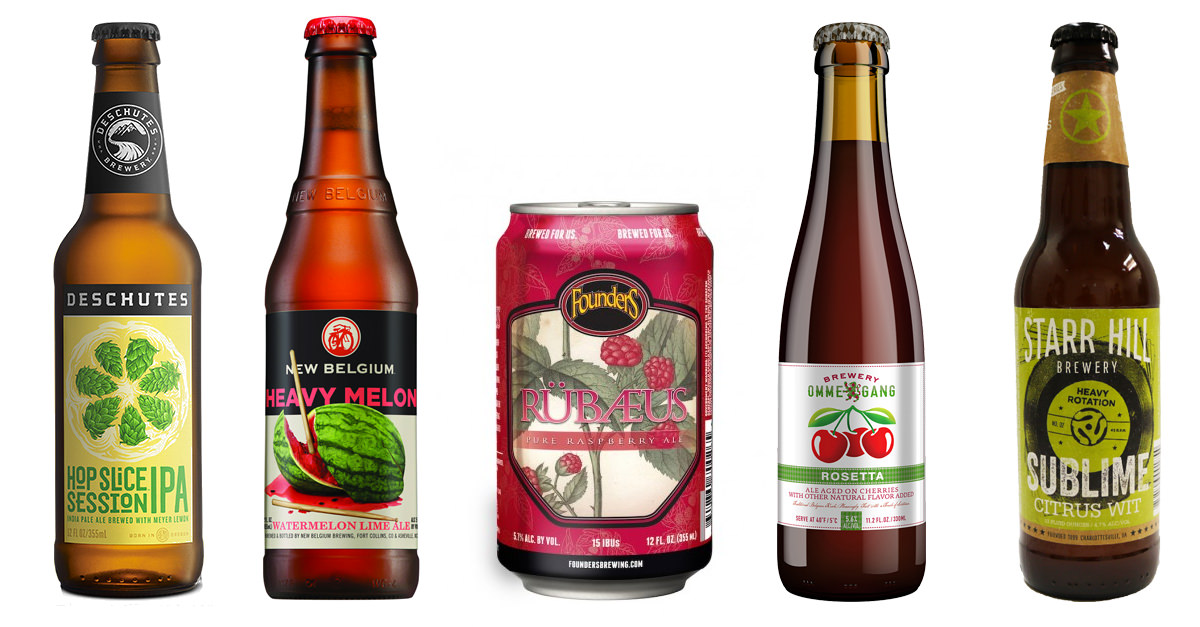
Have British Beers Gone Too Far With Weird Flavours?

There was a time when ordering a pint in Britain was a reassuringly simple affair. 

Bitter, mild, stout, porter, perhaps a golden ale if you were feeling adventurous. 

The flavours came from the malt, the hops, the yeast, the water – and the skill of the brewer.

Fast forward to today, and the bar chalkboard can feel more like a dessert menu. Salted caramel stout. Blueberry muffin ale. Mango, pineapple and passionfruit IPA with lactose. Chocolate brownie porter with a hint of marshmallow. At what point did beer start trying so hard to be pudding?

When Beer Started Chasing Novelty

There’s no denying that the British beer scene has enjoyed a creative renaissance over the past couple of decades. The growth of small and independent breweries has brought energy, variety, and a renewed interest in local brewing traditions. That’s largely a good thing.

But somewhere along the line, experimentation tipped into excess. Adding unusual ingredients stopped being an occasional curiosity and became a marketing strategy. The weirder the flavour, the more attention it gets on social media. The result? A shelf full of beers that sound intriguing but are rarely ordered twice.

Dessert in a Glass? Not Always a Compliment

Salted caramel stout is often cited as a prime offender. Sweet, sticky, and cloying, it can overwhelm everything that makes a stout enjoyable in the first place. Instead of roasted barley, coffee notes, and a satisfying dry finish, you’re left with something that tastes more like a melted sweet than a pint.

Fruity ales can be just as divisive. Subtle citrus or stone fruit notes from hops are one thing – dumping in purée until the beer resembles a fizzy fruit juice is another. When the fruit dominates completely, you’re no longer drinking beer so much as an alcoholic smoothie.

Losing the Character of British Beer

Traditional British beer styles have a quiet confidence about them. A good bitter doesn’t shout; it balances. A proper stout doesn’t need gimmicks; it delivers depth through simplicity. Mild, brown ale, porter – these styles evolved to be drinkable, social, and satisfying over a full evening, not just a novelty sip.

The danger with extreme flavour additions is that they mask poor brewing and erode appreciation for these classic styles. If everything tastes of caramel, vanilla, or tropical fruit, you lose the subtle differences between malts, hop varieties, and fermentation profiles that define great beer.

Is There Still Room for Experimentation?

Absolutely! Brewing has always involved experimentation, and some flavoured beers are genuinely excellent when done with restraint. 

A hint of chocolate in a porter, a touch of orange peel in a winter ale, or a gently fruited seasonal beer can add interest without overwhelming the base style.

The issue isn’t creativity itself – it’s excess. When flavourings become the headline rather than the beer, something has gone awry.

A Quiet Return to Simplicity?

Interestingly, there are signs of a small backlash. Many drinkers are rediscovering the pleasure of a well-made bitter or a clean, unfussy stout. Pubs that focus on cask ales brewed with care rather than gimmicks often build loyal followings. After all, the pint you enjoy most is usually the one you’d happily order again.

Perhaps British beer doesn’t need to abandon innovation – just remember what made it special in the first place.

Weird flavours in beer can be fun as a one-off, but they shouldn’t dominate the bar. Beer doesn’t need to taste like dessert, fruit salad, or a confectionery aisle to be interesting. 

Sometimes, a beautifully brewed, straightforward pint is the most radical choice of all.

So next time you’re faced with a salted caramel, triple-fruited, marshmallow-infused stout… it might be worth asking whether a classic bitter would hit the spot far better.

Wednesday, 14 January 2026

Celebrate National Popcorn Day

National Popcorn Day, 19th of January, is the perfect excuse to enjoy one of the simplest, most comforting snacks around. 

Light, crunchy and endlessly adaptable, popcorn suits cosy nights in just as well as big celebrations.

Keep it classic

You can’t beat freshly popped corn with a pinch of sea salt and a knob of melted butter. It’s nostalgic, satisfying and still a cinema favourite for a reason.

Go sweet

If you have a sweet tooth, try caramel popcorn, toffee-coated kernels or a light dusting of cinnamon sugar. Chocolate drizzle or white chocolate buttons stirred through while still warm make it feel extra indulgent.

Try something savoury

Popcorn also works brilliantly with savoury flavours. Think cheese powder, smoked paprika, chilli flakes, garlic salt or even a little truffle oil for a more grown-up twist.

Make it a mini event

Turn National Popcorn Day into a small celebration:

Set up a popcorn bar with bowls of toppings

Pair it with a film night or box-set binge

Portion it into paper cones for a fun, old-school feel

A lighter snack option

Air-popped popcorn is naturally wholegrain and relatively low in calories, making it a great alternative to crisps when you fancy something crunchy without going overboard.

Whether you keep it simple or get creative with flavours, National Popcorn Day is all about enjoying a humble snack that never really goes out of style.

You can buy popcorn cooking machines for home use, cook them in lidded pan or even buy popcorn for cooking in a microwave. We won't judge you!

Celebrate National Nothing Day on January 16th

National Nothing Day is the perfect excuse to down tools, ignore the to-do list, and fully embrace doing… well, nothing at all.

No plans, no pressure, no overthinking. And naturally, that calls for snacks and drinks that are comforting, unfussy, and require the absolute minimum of effort.

Here’s how to celebrate properly — with snacks and sips that match the wonderfully low-key spirit of the day.

Snacks That Ask Nothing of You

Biscuits (from the cupboard, not the bakery)

This is not the day for baking. A packet of digestives, custard creams, bourbons, or a half-forgotten tin of shortbread will do just fine. Open packet. Eat biscuit. Repeat.

Cheese and Crackers (no styling allowed)

One cheese is enough. Two if you’re feeling wild. Crackers straight from the box, cheese sliced roughly, no garnish. Bonus points if eaten straight off the board while standing in the kitchen.

Crisps or Popcorn

Salted, ready-salted, lightly salted — basically anything that doesn’t require decision-making. Popcorn from a bag, not a pan. National Nothing Day does not reward effort.

Chocolate (whatever’s already open)

That bar with two squares missing? Perfect. A half-eaten box of chocolates from Christmas? Entirely acceptable. This day thrives on leftovers.

Drinks for Maximum Relaxation

Tea (obviously)

A proper mug of tea, brewed exactly how you like it. No novelty blends, no tasting notes. Just reliable, comforting tea doing what tea does best.

Squash, Juice, or Fizzy Pop

Whatever happens to be in the fridge. No glassware upgrades required — the everyday tumbler is more than enough.

Wine, Beer, or Cider (optional, but encouraged)

One drink, not a tasting flight. Something familiar, something easy, something that doesn’t demand your attention while you stare at the wall or rewatch something you’ve already seen five times.

Hot Chocolate (with minimal fuss)

Powder, hot milk or water, stir vaguely. Marshmallows optional, effort not required.

The Rules of National Nothing Day Snacking

No cooking from scratch

No “pairing suggestions”

No social media presentation

Pyjamas strongly recommended

Plates optional

This is a day for snacks that don’t judge you, drinks that don’t challenge you, and an atmosphere where doing nothing is the entire point.

So put the kettle on (or don’t), open a packet (any packet), and celebrate National Nothing Day exactly as intended — quietly, comfortably, and without trying at all.