Wikipedia

Search results

Tuesday, 21 October 2025

An Expert's Guide to How You Can Beat SAD this Winter

With seasons changing and the available light fading, SAD returns and seems to be affecting the UK worse than ever with cold weather looming, unemployment rates increasing and money worries worsening. 

Expert reveals how a longevity-focused diet can help beat Seasonal Affective Disorder (SAD). 

“You are what you eat,” the old saying goes and when it comes to ageing, there’s a lot of truth to that saying.

Nutrition provides the raw materials and energy your body needs to regenerate cells, balance hormones, and fight off damage. 

As we age, our cells become less efficient at repairing themselves, so what we eat becomes even more important, especially during the darker months, when our mood and energy naturally dip.

A nutrient-dense diet supplies antioxidants to combat oxidative stress, protein to maintain muscle, and a wide spectrum of vitamins and minerals that support everything from bone strength to cognitive function. 

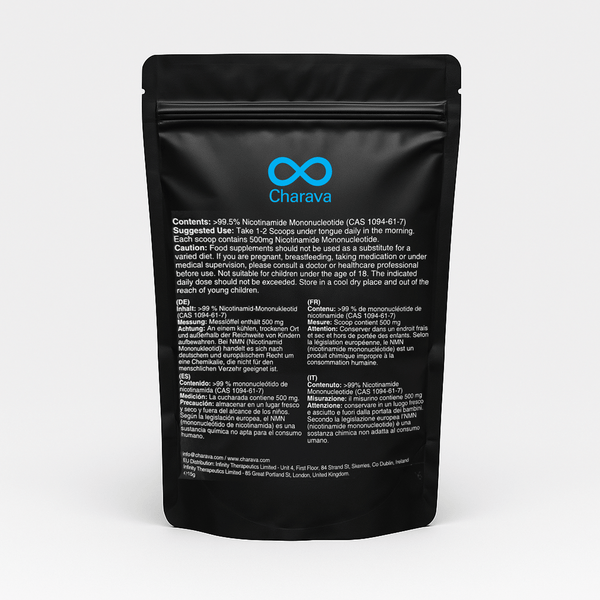
Longevity health experts Charava, explain how these same nutrients can also play a key role in stabilising mood and energy levels, both of which are affected by SAD, a form of depression that tends to appear during autumn and winter. 

What, exactly, does a longevity-friendly diet look like?

Research consistently points to diets rich in whole foods, especially vegetables, fruits, nuts, legumes, whole grains, and fish, as being linked to longer, healthier lives.

One of the best studied is the Mediterranean diet, common in parts of Italy, Greece, and Spain. It emphasises olive oil, fish, plenty of greens, and moderate wine with meals. 

Studies show eople who follow this pattern closely have around a 20–25% lower risk of all-cause mortality. 

The benefits likely come from its anti-inflammatory and heart-healthy components: high in fibre and healthy fats like omega-3s, and low in refined sugars and processed meats.

These same nutrients also support mental wellbeing, too. Omega-3 fatty acids found in oily fish, for example, have been shown to help regulate mood and reduce symptoms of depression, including those linked to SAD. 

Meanwhile, foods rich in B vitamins (whole grains, legumes, leafy greens) and magnesium (nuts, seeds, avocados) can help support serotonin production and calm the nervous system.

Conversely, diets heavy in added sugars, trans fats, and ultra-processed foods can accelerate ageing and worsen mood instability. 

Excess sugar contributes to insulin resistance and type 2 diabetes, both of which age blood vessels and organs faster, while also leading to energy crashes that intensify feelings of fatigue. 

Processed foods drive chronic inflammation, often described as an “accelerator of ageing,” underpinning conditions like heart disease, dementia, and depression.

Eat foods as close to their natural form as possible

Colourful vegetables and fruits provide a pharmacy of phytonutrients, plant compounds that help cells combat stress. Think leafy greens, berries, turmeric, and green tea for antioxidant support. During the winter months, these foods can also help counteract oxidative stress caused by reduced sunlight and lower vitamin D levels. On the flip side, sugary drinks, fried items, and processed snacks are best treated as occasional speed bumps on your longevity journey.

Tips for nutrition:

Focus on whole, minimally processed foods.

Fill half your plate with colourful fruits and vegetables for a broad range of nutrients, and to boost your intake of natural mood-enhancing compounds.

Prioritise healthy fats.

Extra virgin olive oil, avocados, nuts, and omega-3-rich seeds or fish support brain and heart health, particularly beneficial during shorter days when serotonin levels dip.

Choose lean proteins.

Incorporate plant-based proteins like beans, lentils, and tofu, as well as fish or poultry. If you eat red meat, keep portions moderate and, where possible, choose grass-fed sources.

Practise mild caloric moderation.

Overeating can strain the body. Longevity experts like Dr. Valter Longo suggest approaches such as fasting-mimicking diets, which we’ll explore in the Bonus section.

Avoid late-night heavy meals.

Give your body 2–3 hours to digest before bed to support metabolic health and align with your circadian rhythm - another key player in mood regulation.

Try the Okinawan “80% rule.”

Eat until you’re 80% full, then stop. This simple habit can reduce metabolic stress and promote a longer life.

Stay hydrated.

Water is essential for every cell in the body. Aim for 6–8 glasses per day, but more if you’re active or in a warm climate. In winter, try herbal teas or warm water with lemon to stay hydrated and grounded.

Dr, Sidra Samad, Medical Consultant at Charava explains to That's Food and Drink: "Energy isn’t just about calorie intake, it begins in the gut. The microbiome regulates nutrient absorption, inflammation, and metabolic signaling, directly shaping how energised or fatigued we feel. 

"When gut flora become imbalanced, toxins build up, absorption weakens, and the body redirects energy from performance to repair, resulting in fatigue that rest alone can’t fix. Metabolic rhythm is revitalized by restoring microbial balance with probiotics, fiber-rich foods, and reducing processed food intake.

"More than just digestion, a balanced gut promotes mental clarity, mood stability, and sustained energy, transforming everyday vitality into a reflection of inner balance and long-term health."

To learn more and to place your orders please visit https://www.charava.co.uk.

Melts Chocolates. All the Taste, None of the Sugar

When you buy Melts Chocolates you can be sure that they'll taste absolutely wonderful but with none of the sugar.

If you’ve been longing for a chocolate treat that satisfies your sweet tooth and keeps sugar in check, the sugar-free offerings from Melt Chocolates might just be your new favourite. 

In this blog-post I’ll walk you through what sugar-free chocolate really means, what these bars offer (and what to check), and how to enjoy them in style.

What does “sugar-free chocolate” actually mean?

First off: “sugar-free” doesn’t mean “no sweetness”, nor necessarily “zero calories”. In the UK/EU labeling context, “sugar-free” usually means that the added sugar content has been replaced or significantly reduced. What you’ll often find is the use of sugar-alcohols (e.g., maltitol, erythritol) or other sweeteners.

A couple of things worth bearing in mind:

Non-sugar sweeteners can affect texture, mouth-feel and even melting behaviour compared with conventional chocolate. One Reddit user on sugar-free sweets noted:

“Please be careful with sugar free products… the sweetener … might be ‘sugar alcohol’ but one of them gives ‘gastric distress’.” 

While sugar-free bars might help keep your blood sugar steadier or reduce sugar intake, eating lots of them still isn’t a green light to over-indulge.

Storage and melting behaviour remain important: sugars (and sugar substitutions) still need proper tempering and storage to avoid bloom (the whitish coating) or texture changes. 

Why Melt Chocolates’ sugar-free line hits the mark

Here are several reasons why I believe Melt’s sugar-free bars are worth your attention:

UK-based, boutique craftsmanship – Melt Chocolates is London-based (Notting Hill), which means you’re tapping into British artisan chocolate heritage, not just a mass-produced “low sugar” option. 

Good flavour profile – They offer an exciting variety: milk chocolate, dark chocolate, bars with hazelnuts, even vegan friendly sugar-free options. So you’re not forced to sacrifice taste for lower sugar. 

Better for many sugar-watchers – Whether you’re diabetic, which I am, watching your sugar intake, or simply craving fewer sugar spikes, these bars give you a guilt-light option. Melt themselves mention benefits such as better mood, less “crash” from sugar swings. 

Gift-worthy packaging – Because the brand leans artisan/indulgent, the packaging makes these suitable as treats, gifts or something special rather than everyday basic.

Stand-out products in the range

Here are a couple of specific bars you should know about:

Sugar Free Milk Chocolate Bar: A creamy approach to sugar-free – perfect if you prefer the milk chocolate style but want to skip the sugar.

Sugar Free Dark Chocolate Bar: For dark chocolate lovers – deeper cocoa flavour, and sugar free.

And the anchor product referenced above: the Sugar Free Milk Chocolate Bar (Melt Chocolates) – the premium, artisan take on sugar-free.

Things to watch / tips for best enjoyment

Here are some practical pointers:

Check the sweetener type: If you’re sensitive to sugar alcohols (e.g., gastrointestinal issues), look at label. Some sugar-free chocolates use maltitol or similar, which can have laxative effects in excess. 

Temperature & storage matter: Even sugar-free chocolates need to be stored cool, dry. If overheated, they may “bloom” or lose texture. 

Serving size counts: “Sugar free” sometimes leads people to assume “eat twice as much”. But calories, fat and portion still count.

Use it in recipes: These sugar-free bars can be melted or used in baking or desserts – just be aware the melt/flow may differ slightly to conventional sugar-chocolate. Some users discuss tempering sugar-free chocolate. 

Mind the context: If you’re diabetic or on a low-carb/keto regime, sugar-free chocolate is a good tool – but always as part of overall diet.

Taste expectations: While these keep flavour high, some difference in mouth-feel or after-taste may exist (as is often for sugar-free items).

My verdict

In short: Melt Chocolates’ sugar-free bar range is a strong contender if you want to indulge without loading up on sugar. They manage to merge artisan quality with sugar-reduced philosophy – quite rare. For UK shoppers especially, they’re locally accessible and gift-worthy.

If I were to pick a single standout: go for the sugar-free milk chocolate bar – it balances indulgence and sugar-reduction in a way that doesn’t feel like a compromise. Then keep the dark version for when you’re in the mood for something richer or more cocoa-forward.

Chocolate is one of life’s great pleasures. The good news: you don’t always have to choose between flavour and watching sugar. With thoughtful brands like Melt, you can have your cake (or rather chocolate) and eat it too. Next time you’re looking for a treat that aligns with a lower sugar lifestyle — or just want something a little more special than the usual bar — reach for one of these sugar-free beauties.

Melts sugar-free chocolates also make excellent Christmas gifts for the diabetics in your life.

https://meltchocolates.com/product-category/sugar-free-chocolate

Exciting Halloween Deals From Frankie & Benny's

Frankie & Benny’s, the much-loved New York-Italian family favourite, is celebrating Halloween with bone-chilling deals and spooky specials guaranteed to delight families without haunting their wallets.

As the restaurant marks its 30th birthday, it’s conjuring up frighteningly good value-for-money treats to beat the cost of living.

This October, the scares and savings continue right through Halloween week. Between 27th–31st October, during a Witching Hour from 4pm–5pm, all mains are priced at just £6.66 (excluding Signature Grills) - a devilish deal for anyone grabbing a bite before trick-or-treating.

And from 31st October–2nd November, those brave enough to arrive in costume will be rewarded with a FREE portion of Spooky Skins on the house (usually £7.95).

To make things even more ghoulish, Frankie & Benny’s chefs have summoned up a trio of limited-edition dishes, including the Hellfire Burger, Screamin’ Skins, Eye Scream Sundae, and the Werewolf of Wall Street cocktail, ensuring the whole family can tuck into something wickedly tasty.

Adding to the family-friendly fun, Kids Eat Free Monday to Friday until 31st October, the perfect treat for little monsters during the spooky season.

Sarah Sculpher, Marketing Director at Frankie & Benny’s, told That's Food and Drink: “Halloween should be about treats, not terrifying bills. That’s why we’ve brewed up a cauldron of offers that make celebrating with the whole family both fun and affordable. 

"With savings big enough to raise the dead and a menu full of spooky surprises, we’re inviting everyone to feast, laugh and make memories without the fright of overspending.”

Since opening in 1995, Frankie & Benny’s has been the go-to place for families, friends and celebrations. This Halloween, its restaurants are transforming into haunted havens where big plates, bold flavours and scary-good savings come together for a feast to remember.

The Halloween offers and specials are available nationwide at Frankie & Benny’s throughout October, excluding airports and selected event venues.

So gather your ghouls, dress for the occasion, and get ready to sink your teeth into the spookiest savings of the season - because at Frankie & Benny’s this Halloween, the only thing scarier than the food is how little you’ll pay.

T&Cs: www.frankieandbennys.com/terms-and-conditions

Sunday, 19 October 2025

Sweet Without the Sugar: The Best Sugar-Free Alternatives for Diabetics

Discover the best sugar-free sweetener alternatives for diabetics in the UK, stevia, erythritol, monk fruit and how to use them in baking and cooking. 

I am diabetic, my wife is pre-diabetic so we are interested in learning about sugar sweeteners.

Living with diabetes doesn’t mean you have to give up on enjoying sweet treats or that comforting spoonful of sugar in your tea. 

Thanks to modern food science and natural ingredients, there are now plenty of safe, tasty sugar-free alternatives that don’t spike blood glucose levels. 

Whether you’re baking, cooking, or simply sweetening your morning cuppa, here’s a guide to the best options, and how you can source them in the UK.

1. Stevia – The Natural Plant-Based Sweetener

Derived from the leaves of the Stevia rebaudiana plant, stevia is hugely popular as a sugar substitute. It's many times sweeter than sugar, yet contains virtually no calories or carbohydrates.

Key benefits:

Natural origin (plant-based)

Heat-stable in many cases (so can be used in baking)

Minimal effect on blood glucose

UK-friendly brand:

Truvia Sweetener: A UK-market stevia/erythritol blend. For example, Tesco lists a 270 g jar: “Steviol glycosides based granular table top sweetener … 1/3 teaspoon Truvia = 1 teaspoon sugar”. 

Usage tip: A small spoonful (or fraction thereof) goes a long way. Ideal for tea, yoghurt, smoothies.

2. Erythritol – A Sugar Alcohol That’s Gentle and Low Impact

Erythritol occurs naturally in some fruits (grapes, melons) and is one of the more stomach-friendly sugar alcohols. It has around 70% of the sweetness of sugar but almost no calories and a very low glycaemic index (GI).

Key benefits:

Doesn’t raise blood sugar or insulin to the same extent as sugar

Practically no calories when used as a substitute

Works well in baking (in many cases)

UK-friendly brand:

NKD Living Erythritol Icing Sugar Alternative: UK brand NKD Living describes its granulated erythritol product as “0 calories and 0 carbohydrates … perfect for keto or reducing sugar intake”. 

Usage tip: Great for baking, sauces, or as a one-for-one sugar swap (check recipe adjustments). Keep in mind sugar alcohols can cause some digestive upset if used in very large quantities, so moderation helps.

3. Xylitol – Baking-Friendly and Tooth-Friendly

Xylitol tastes very similar to sugar and often measures 1:1 in recipes, making it a favourite for baked goods. It even has benefits for dental health by reducing certain bacteria in the mouth.

Key benefits:

Low GI (good for blood-sugar control)

Good sugar-like texture in baking

Friendly for dental health (though still treat as a sweetener)

Caution: If you have pets (especially dogs), xylitol is extremely toxic for them — so keep that in mind if you use it at home.

Usage tip: Use in place of brown or white sugar in cooking or baking. Because it’s so similar in texture, it can be swapped more easily than some other sweeteners.

4. Monk Fruit (Luo Han Guo) – Sweet and Ancient

Used for centuries in traditional Chinese medicine, monk fruit extract has a sweetness coming from compounds called mogrosides, which don’t raise blood sugar levels.

Key benefits:

Zero or near-zero calories and carbohydrates

Very sweet (hence a small amount goes a long way)

Good for beverages, desserts, and some baking when blended

UK availability note: While monk fruit is still less common in UK high-streets than stevia or erythritol, you can find products via speciality stores or online. 

Usage tip: Use a small amount to sweeten teas or coffee; for baking you may need to mix it with another bulk sweetener like erythritol to get volume.

5. Allulose – The Emerging Star

Although less widely available in the UK currently, allulose is a naturally occurring sugar found in small amounts in figs and raisins. It behaves more like sugar in recipes (browns, caramalises, gives texture), but with far fewer calories and minimal effect on blood sugar.

Similar cooking/baking behaviour as sugar (texture, browning)

Very low impact on glycaemia

Ideal when you want sugar-like results (cookies, caramel sauces)

Usage tip: If you can find it, great for special treats or baking when sugar’s texture really matters. Use it as you would sugar but check the conversion (often 1:1). Because availability is limited, it’s more speciality.

Choosing the Right Sweetener for You

Here’s how to pick depending on your usage:

Use-case Best choice(s)

Tea, coffee, simple drinks Stevia (Truvia) or Monk Fruit

Everyday baking & cooking Erythritol (NKD Living) or Xylitol

Baking where sugar-texture matters (cookies, caramel) Allulose (if available) or erythritol blends

Brown sugar flavour (sprinkling on porridge, brown-sugar recipes) Xylitol or brown-sugar style alternatives

A few extra tips:

Always read the label: Some products labelled “sweetener” still include maltodextrin or dextrose (which can raise blood sugar).

Start small: Some sweeteners are many times sweeter than sugar – you may need less than you think.

Digestive tolerance: Sugar alcohols (erythritol, xylitol) are generally better tolerated than older types (sorbitol) but large amounts may still cause mild gastrointestinal effects.

Check with your healthcare provider: Especially if you’re managing diabetes, always ensure any change in diet is aligned with your overall management plan.

Sugar-Free Doesn’t Mean Joy-Free

Managing diabetes is about balance, not deprivation. With these alternatives, you can enjoy your favourite flavours, treats and drinks without the full sugar spike. Whether you’re baking a birthday cake, sweetening your morning porridge, or just making your chai less guilty — you’ve got options.

UK Brand Highlights and Why They’re Good

Truvia – Well-known, readily available in UK supermarkets. Offers a convenient stevia/erythritol table-top sweetener option.

NKD Living – UK brand dedicated to sugar-free living; provides granulated erythritol, stevia, and brown sugar-style erythritol blends. Great for baking and cooking.

Sukrin – Natural sugar substitutes (erythritol-based) with a focus on very low calories, low glycaemic impact, and alternatives to white and brown sugar. For example, “Sukrin Gold” offers brown-sugar texture and flavour with <1 calorie/teaspoon. 

Please share your favourite sugar-free substitute or tell us your recipe swaps. 

Also, please keep an eye open for further blogposts on sugar alternatives, recipes, etc.

Thursday, 16 October 2025

Scared by the Fact one in Six Children Leave Primary School with Rotten Teeth? Not With Peppersmith's!

Whilst the stats are very scary, one in six children leave primary school with rotten teeth, the ingredients in Peppersmith are not scary.

This Halloween, swap the traditional sugar rush for something refreshingly good for your fangs with Peppersmith’s naturally tasty Mints, Gum and Pastilles.

Peppersmith products are sugar free, gluten free, vegan friendly, and nut free, and they contain the plant-based sweetener xylitol, one of the least scary sweeteners there is.

A natural alternative to sugar, xylitol actively fights against tooth decay by stopping bacteria from sticking to your teeth, lowering plaque build-up and reducing the risk of cavities and bad breath.

All Peppersmith products are sweetened with the stuff - making them a huge hit with parents and dentists, plus they have the Oral Health Foundation’s seal of approval.

And the other ingredients? Proper British mint from a little farm in Hampshire, zingy Sicilian lemons, delicious strawberries and explosive eucalyptus, set this wickedly moreish range apart from other brands. 

Choose from Lemon Mints, Strawberry Pastilles, Peppermint and Extra Strong Mints, or Peppermint and Spearmint Gum -  100% natural flavours giving 100% banging taste, whilst freshening your breath and caring for your dental health at the same time. Multi-tasking magic.

If you’re not sure which flavour to feast on this Halloween, there’s a totally tantalising mixed taster box bursting with all of the flavours. It’s the perfect way to taste what all the fuss is Peppersmith Mints, Gum and Pastilles cost from £1.35 (15g gum, Ocado) and are available from health shops and supermarkets nationwide, including Holland & Barrett, Waitrose, Sainsbury’s Locals and all WHSmith’s Travel Outlets.

The all-new Mighty Pouches of gum and mints cost from £4 (50g Ocado), and the mixed taster boxes cost £17.99 and are available from Peppersmith direct, via www.peppersmith.co.uk.

So this Halloween, skip the scary sugar and treat yourself to something sweet, smart and smile-approved.

Beat the Winter Blues: Foods, Vitamins and Supplements That Can Help Battle SAD

As the days grow shorter and the light fades, many people across the UK find their mood dipping along with the temperature. 

Seasonal Affective Disorder (SAD), sometimes called “winter depression”, affects thousands each year, bringing feelings of fatigue, sadness, low motivation and sleep disturbances.

The good news? Your diet can play a major role in supporting your mood and mental well-being through the darker months.

Here are some foods, vitamins and supplements that can help you fight back against SAD and keep your spirits bright this winter.

1. Vitamin D — The Sunshine Vitamin

When sunlight becomes scarce, our bodies produce less vitamin D — an essential nutrient for mental health, immunity and energy. Low levels of vitamin D are linked to depression and fatigue, both common symptoms of SAD.

Best sources:

Oily fish such as salmon, sardines and mackerel

Fortified foods like breakfast cereals, plant-based milks and margarine

Eggs and red meat

Supplement tip:

Public Health England recommends that adults consider taking a daily supplement of 10 micrograms (400 IU) of vitamin D during autumn and winter.

2. B Vitamins — Energy and Brain Boosters

B vitamins (especially B6, B9 – folate, and B12) help regulate mood and brain function. They play a crucial role in the production of serotonin and dopamine — your brain’s “feel-good” chemicals.

Best sources:

Leafy greens (spinach, kale, broccoli)

Legumes (beans, lentils, chickpeas)

Wholegrains, eggs, poultry and fish

Fortified cereals for vegans and vegetarians

Supplement tip:

If you follow a plant-based diet, consider a B-complex supplement or B12 spray, as B12 is mainly found in animal products.

3. Omega-3 Fatty Acids — Mood Stabilisers

Omega-3 fatty acids have been widely studied for their role in supporting brain health and reducing inflammation. They may help balance mood swings and improve mental clarity during the winter months.

Best sources:

Salmon, mackerel, trout, sardines and herring

Walnuts, chia seeds and flaxseeds (for plant-based omega-3s)

Supplement tip:

If you rarely eat oily fish, a fish oil or algae-based omega-3 supplement can help ensure you’re getting enough EPA and DHA — the key fatty acids linked to mental well-being.

4. Vitamin C — Stress and Immunity Support

Cold, dark months can take a toll on both mood and immunity. Vitamin C helps the body manage stress by regulating cortisol levels and keeping your immune system in top shape.

Best sources:

Citrus fruits, kiwi, and berries

Peppers, tomatoes and Brussels sprouts

A daily hit of fresh fruit or a warm mug of hot water with lemon can do wonders for both mood and immunity.

5. Magnesium — The Calm Mineral

Magnesium helps to regulate mood, ease muscle tension and improve sleep quality — all of which can help reduce SAD symptoms.

Best sources:

Nuts and seeds (especially pumpkin and sunflower seeds)

Dark chocolate (choose 70% or higher)

Wholegrains and leafy greens

Supplement tip:

A magnesium glycinate or citrate supplement can help if your diet is low in magnesium — and may support more restful sleep too.

6. Tryptophan-Rich Foods — Serotonin Support

Tryptophan is an amino acid the body uses to produce serotonin, the neurotransmitter that helps regulate mood, sleep and appetite.

Best sources:

Turkey, chicken, eggs and dairy

Soya products, nuts, seeds and oats

Pairing tryptophan-rich foods with healthy carbs (like brown rice or wholegrain bread) can help your body absorb it more effectively.

7. Stay Hydrated

It’s easy to forget water when it’s cold outside, but dehydration can make fatigue and low mood worse. Herbal teas, warm lemon water, and soups all count towards your fluid intake.

Final Thoughts on SAD

While diet and supplements can support your body and mind during the darker months, they’re not a cure-all. If you suspect you have Seasonal Affective Disorder, speak to your GP about other treatment options, such as light therapy or talking therapies.

Combining a balanced diet rich in these nutrients with regular exercise, time outdoors, and self-care can help you brighten your mood and build resilience — even when the sun refuses to shine.

Helpful UK Resources

Mind: mind.org.uk

 — support and advice for anyone experiencing depression or SAD

NHS Every Mind Matters: nhs.uk/every-mind-matters

SAD Association (SADA): sada.org.uk

 — dedicated to helping people affected by Seasonal Affective Disorder

That's Health: Can Psoriatic Arthritis Cause Heavy Sweating?

That's Health: Can Psoriatic Arthritis Cause Heavy Sweating?: Psoriatic arthritis (PsA) is best known for causing joint pain, stiffness and fatigue, but some people living with it also experience heavy ...

Wednesday, 15 October 2025

Global innovators invited to apply for Seeding The Future Global Food System Challenge

Global innovators are invited to apply for the Seeding The Future Global Food System Challenge (GFSC), hosted by Welthungerhilfe (WHH) and funded by the Seeding The Future Foundation (STF). 

The Challenge seeks high potential, scalable ideas that can transform food systems globally to be more nutritious, sustainable, and equitable, particularly in the Global South.

Scientists, entrepreneurs, civil society groups, research institutions, start-ups, and social enterprises can submit innovations ranging from prototypes to proven concepts. A total of up to $1 million USD will be awarded:

Seed Grants: 8 awards of $25,000 each for early-stage innovations with strong impact potential.

Growth Grants: 3 awards of $100,000 each for promising, economically viable innovations.

Seeding The Future Grand Prizes: 2 awards of $250,000 each for proven innovations with transformative impact potential.

Becoming part of a Global Innovation Network

Semi-finalists and above will be eligible to join the STF Global Food System Innovation Database and Network, an interactive platform featuring over 650 high-impact innovations. This database, powered by WHH, serves as a trusted resource for policymakers, investors and practitioners working toward the UN Sustainable Development Goals.

As part of the FAO Science and Innovation Week and World Food Forum in Rome, STF and WHH will announce the opening of the Challenge.

Submission Details

Applications are open from today, October 15 to December 15, 2025, at www.welthungerhilfe.org/global-food-system-challenge.

FACTFILE:

Seeding The Future Foundation

STF is a private nonprofit dedicated to ensuring equitable access to safe, nutritious, affordable, and trusted food. It supports innovations that transform food systems and benefit both people and planet. More at www.seedingthefuture.org.

About Welthungerhilfe

WHH is one of Germany’s largest private aid organisations, striving for a world without hunger since 1962. More at www.welthungerhilfe.org.

Tuesday, 14 October 2025

Celebrating the International Day of Rural Women – 15th October

Every year on 15th October, the world comes together to celebrate the International Day of Rural Women, a day dedicated to recognising the vital role women play in sustaining rural communities, supporting food systems, and driving local economies. 

From farmers and fishers to entrepreneurs and carers, rural women are the backbone of countless communities, often working tirelessly with limited resources and recognition.

Why This Day Matters

Established by the United Nations in 2007, the International Day of Rural Women highlights the contributions of women who live and work outside urban centres — often in environments where access to education, healthcare, technology, and financial services is limited. 

Despite these challenges, rural women produce much of the world’s food, preserve traditional knowledge, and form the heart of family and community life.

In the UK, women are increasingly taking leadership roles in farming and rural business. According to the Department for Environment, Food and Rural Affairs (DEFRA), nearly a third of all farm owners and managers are now women, and the number continues to rise.

Many are also branching out into farm diversification, creating rural tourism ventures, artisan food brands, and sustainable crafts that help keep local economies alive.

The Hidden Strength of Rural Women

Across the globe, rural women face unique challenges, from unstable markets to unequal access to land ownership and financing. Yet, their resilience is remarkable.

Consider the women who run family farms while raising children, manage small-scale food businesses from home kitchens, or volunteer in local community hubs. 

These women are innovators, educators, and caretakers. They’re finding creative ways to make rural life sustainable and vibrant, from embracing regenerative agriculture to leading local green energy initiatives.

Empowering Rural Women

Empowerment comes through access, to education, healthcare, digital connectivity, and fair markets. By supporting rural women, we’re not just investing in individuals, we’re strengthening entire communities.

Here are a few simple ways to make a difference:

Buy local – Support women-led farms, bakeries, and artisan producers.

Share their stories – Use social media to highlight rural women making an impact.

Encourage education – Support charities that provide training and scholarships for rural women and girls.

Advocate for fair policy – Encourage fair land ownership laws and access to financial services for women in rural areas.

A Future Built on Equality

The theme of this year’s International Day of Rural Women (2025) is “Rural Women: Building Sustainable Futures” a powerful reminder that gender equality is key to achieving food security, environmental resilience, and rural prosperity.

By recognising and supporting rural women, we’re celebrating more than their contributions — we’re helping to build a fairer, greener, and more inclusive world.

Learn more and get involved:

United Nations – International Day of Rural Women https://www.un.org/en/observances/rural-women-day

UK Women in Farming and Agriculture https://www.nfuonline.com

The Prince’s Countryside Fund https://www.princescountrysidefund.org.uk

Celebrating National Cheese Toastie Day – 27th October

When the days start to turn chilly and the nights are drawing in, there’s one simple comfort food that never fails to warm the heart, the humble cheese toastie. 

And what better excuse to indulge in one (or several) than National Cheese Toastie Day, celebrated every year on 27th October?

A National Treasure in Bread and Cheese Form

The cheese toastie has earned its place as a true British classic. Crispy on the outside, gooey in the middle, and endlessly adaptable, it’s the sort of snack that feels equally at home as a quick lunch, a late-night bite, or a nostalgic comfort meal on a rainy day.

Whether you call it a cheese toastie, a grilled cheese, or simply “the best sandwich ever,” there’s no denying its magic. The beauty lies in its simplicity — bread, butter, cheese — but within those three ingredients lies an infinite number of delicious possibilities.

The Perfect Cheese Toastie

Everyone has their own “perfect toastie” method, but here’s a tried-and-true approach to guarantee golden success:

Ingredients:

Two slices of good-quality bread (sourdough, bloomer or granary all work brilliantly)

Butter or mayonnaise for spreading

A generous handful of grated cheese (a mix of mature Cheddar and mozzarella gives both flavour and stretch)

Optional extras: a slice of tomato, caramelised onion chutney, or a dab of English mustard

Method:

Butter the bread – on the outside for that glorious golden crust.

Pile on the cheese – don’t skimp; this is the star of the show.

Add your extras if you fancy – chutney and onion are perfect partners.

Grill or toast in a sandwich press or frying pan until both sides are crisp and the cheese is oozing.

Slice and serve – ideally with a steaming mug of tea or a bowl of tomato soup.

Toasties Around the UK

While the classic cheese toastie reigns supreme, regional variations add a bit of fun to the mix. In Wales, you might find a toastie inspired by Welsh rarebit, with mustard and ale in the cheese sauce. In Scotland, cafés often serve toasties with Branston pickle or haggis, while some Cornish cafés pair them with local cheeses and chutneys made from apples or onions grown nearby.

Fun Ways to Celebrate

Here are a few ways to mark National Cheese Toastie Day this year:

Host a “toastie-off” with friends or family – who can create the most inventive combo?

Visit your local café and try their signature version.

Experiment at home with unexpected fillings – think brie and cranberry, cheddar and chilli jam, or stilton and pear.

Share your creation online using #NationalCheeseToastieDay and show the world your melty masterpiece.

The Final Cheesy Word

There’s something wonderfully nostalgic about a cheese toastie – that first bite of bubbling cheese between buttery, golden bread never fails to bring a smile. 

On 27th October, join the nation in raising your sandwich press to celebrate one of the simplest yet most satisfying comfort foods ever created.

Because sometimes, happiness really is just melted cheese between two slices of bread.

Whilst France has it's croque-monsieur which first appeared on a café menu in Paris in 1910, toasted cheese sandwiches in Britain date back to at least medieval times, when Welsh Rabbit became widespread. Apparently the name originated with the word rarebitten, meaning to nibble or bite something. An ideal way to consume a cheese toasty!   

And let us not forget it's cousin, cheese on toast!