
Expert reveals how a longevity-focused diet can help beat Seasonal Affective Disorder (SAD).
“You are what you eat,” the old saying goes and when it comes to ageing, there’s a lot of truth to that saying.
Nutrition provides the raw materials and energy your body needs to regenerate cells, balance hormones, and fight off damage.
As we age, our cells become less efficient at repairing themselves, so what we eat becomes even more important, especially during the darker months, when our mood and energy naturally dip.
A nutrient-dense diet supplies antioxidants to combat oxidative stress, protein to maintain muscle, and a wide spectrum of vitamins and minerals that support everything from bone strength to cognitive function.
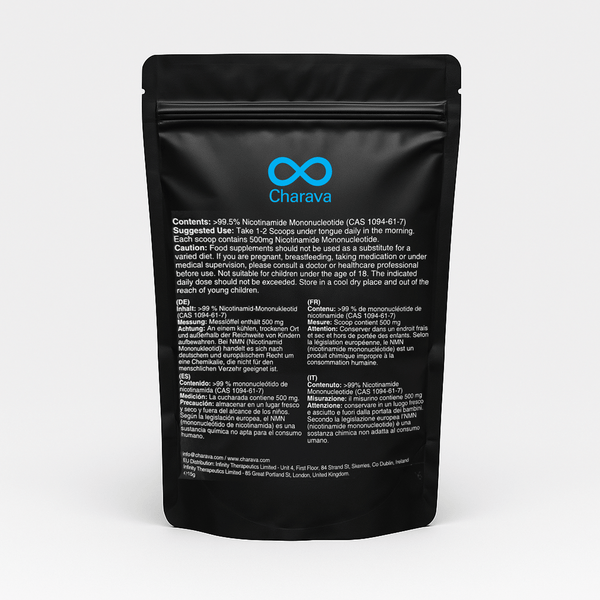
Longevity health experts Charava, explain how these same nutrients can also play a key role in stabilising mood and energy levels, both of which are affected by SAD, a form of depression that tends to appear during autumn and winter.
What, exactly, does a longevity-friendly diet look like?
Research consistently points to diets rich in whole foods, especially vegetables, fruits, nuts, legumes, whole grains, and fish, as being linked to longer, healthier lives.
One of the best studied is the Mediterranean diet, common in parts of Italy, Greece, and Spain. It emphasises olive oil, fish, plenty of greens, and moderate wine with meals.
Studies show eople who follow this pattern closely have around a 20–25% lower risk of all-cause mortality.
The benefits likely come from its anti-inflammatory and heart-healthy components: high in fibre and healthy fats like omega-3s, and low in refined sugars and processed meats.
These same nutrients also support mental wellbeing, too. Omega-3 fatty acids found in oily fish, for example, have been shown to help regulate mood and reduce symptoms of depression, including those linked to SAD.
Meanwhile, foods rich in B vitamins (whole grains, legumes, leafy greens) and magnesium (nuts, seeds, avocados) can help support serotonin production and calm the nervous system.
Conversely, diets heavy in added sugars, trans fats, and ultra-processed foods can accelerate ageing and worsen mood instability.
Excess sugar contributes to insulin resistance and type 2 diabetes, both of which age blood vessels and organs faster, while also leading to energy crashes that intensify feelings of fatigue.
Processed foods drive chronic inflammation, often described as an “accelerator of ageing,” underpinning conditions like heart disease, dementia, and depression.
Eat foods as close to their natural form as possible
Colourful vegetables and fruits provide a pharmacy of phytonutrients, plant compounds that help cells combat stress. Think leafy greens, berries, turmeric, and green tea for antioxidant support. During the winter months, these foods can also help counteract oxidative stress caused by reduced sunlight and lower vitamin D levels. On the flip side, sugary drinks, fried items, and processed snacks are best treated as occasional speed bumps on your longevity journey.
Tips for nutrition:
Focus on whole, minimally processed foods.
Fill half your plate with colourful fruits and vegetables for a broad range of nutrients, and to boost your intake of natural mood-enhancing compounds.
Prioritise healthy fats.
Extra virgin olive oil, avocados, nuts, and omega-3-rich seeds or fish support brain and heart health, particularly beneficial during shorter days when serotonin levels dip.
Choose lean proteins.
Incorporate plant-based proteins like beans, lentils, and tofu, as well as fish or poultry. If you eat red meat, keep portions moderate and, where possible, choose grass-fed sources.
Practise mild caloric moderation.
Overeating can strain the body. Longevity experts like Dr. Valter Longo suggest approaches such as fasting-mimicking diets, which we’ll explore in the Bonus section.
Avoid late-night heavy meals.
Give your body 2–3 hours to digest before bed to support metabolic health and align with your circadian rhythm - another key player in mood regulation.
Try the Okinawan “80% rule.”
Eat until you’re 80% full, then stop. This simple habit can reduce metabolic stress and promote a longer life.
Stay hydrated.
Water is essential for every cell in the body. Aim for 6–8 glasses per day, but more if you’re active or in a warm climate. In winter, try herbal teas or warm water with lemon to stay hydrated and grounded.
Dr, Sidra Samad, Medical Consultant at Charava explains to That's Food and Drink: "Energy isn’t just about calorie intake, it begins in the gut. The microbiome regulates nutrient absorption, inflammation, and metabolic signaling, directly shaping how energised or fatigued we feel.
"When gut flora become imbalanced, toxins build up, absorption weakens, and the body redirects energy from performance to repair, resulting in fatigue that rest alone can’t fix. Metabolic rhythm is revitalized by restoring microbial balance with probiotics, fiber-rich foods, and reducing processed food intake.
"More than just digestion, a balanced gut promotes mental clarity, mood stability, and sustained energy, transforming everyday vitality into a reflection of inner balance and long-term health."
To learn more and to place your orders please visit https://www.charava.co.uk.
No comments:
Post a Comment
Your comments are welcome!