Wikipedia

Search results

Tuesday, 29 April 2025

Dad's Love Fudge?

Of course Dads love fudge!

With Father's Day just around the corner why not get your father, or the father figure in your life, something truly unique and really special. 

Some genuine handmade, artisan fudge from Fudge Kitchen, crafted right here in the UK using only traditional methods and natural, sustainable ingredients.

Fudge Kitchen offers a product that's as indulgent as it is unique.

Made in the garden of England, Kent, this is fudge that your grandmother would have made, if she would have had the special Fudge Kitchen recipes!

To learn more or to order visit them at www.fudgekitchen.co.uk

Anglesey Eggs: Welsh Comfort on a Plate

If you’re looking for a hearty, humble dish that truly feels like a loving, warm embrace, you’ll find it in Anglesey Eggs (Wyau Ynys Môn).

Named after the beautiful island of Ynys Môn (Anglesey) in north-west Wales, this dish is a beloved staple of traditional home cooking.

At its heart, Anglesey Eggs combines creamy mashed potatoes, leeks, and hard-boiled eggs, all smothered in a rich cheese sauce and baked until bubbling and golden. It’s comforting, economical, and deeply satisfying — the very essence of Welsh kitchen traditions.

Rooted in Rural Life

Anglesey has long been known as the "breadbasket of Wales" for its fertile farmland and strong agricultural traditions. Eggs, potatoes, and leeks were everyday ingredients in most rural Welsh homes, and clever cooks combined them to create this hearty bake.

It was — and remains — a perfect way to make nourishing meals from humble staples.

Regional Twists

Anglesey Island

Always features plenty of leeks, often gently sweated in butter.

Topped with mature Caerphilly cheese or cheddar.

North Wales Mainland (Bangor, Caernarfon)

Some versions include crisped bacon or a spoonful of mustard stirred into the mash for extra punch.

Modern Adaptations

Swaps in spinach or spring onions for leeks.

Vegan versions use plant-based cheese and a tofu egg substitute.

Traditional Anglesey Eggs Recipe

Ingredients:

6 large free-range eggs

700g potatoes, peeled and diced

2 leeks, finely sliced

50g butter

100ml milk (plus extra if needed)

150g mature Welsh cheddar or Caerphilly cheese, grated

2 tsp Welsh mustard (optional) https://www.welshfood.co.uk/mustards-16-c.asp

Salt and pepper, to taste

A little extra butter for greasing

Method:

Boil the potatoes in salted water until tender. Drain and mash with butter and milk. Season well.

Meanwhile, boil the eggs for 8–10 minutes until hard. Cool under cold water, then peel and halve.

In a pan, gently cook the leeks in a little butter until soft.

Stir the leeks and mustard (if using) into the mash.

Spread half the mash into a greased ovenproof dish. Arrange the halved eggs on top, then cover with the remaining mash.

Scatter the cheese generously over the surface.

Bake in a preheated oven at 200°C (180°C fan) / 400°F / Gas Mark 6 for about 20–25 minutes, until golden and bubbling.

Serving Suggestions

A crisp green salad to cut through the richness.

Crusty bread or oatcakes on the side.

A glass of light white wine or, for a traditional touch, a mug of strong tea.

Anglesey Eggs: Nourishment from the Heart

This simple dish is proof that Welsh cuisine shines brightest when it celebrates good ingredients and thoughtful cooking.

Perfect for reconnecting with your roots — or just for warming up a grey day — Anglesey Eggs is true culinary hygge, the Welsh way.

Coming next: Welsh Honey Cake — Sweetness from the Valleys

Saturday, 26 April 2025

Could Protein Supplements and Shakes Be Linked to Colon Cancer?

In today’s fast-paced world, many people turn to protein supplements and shakes to help build muscle, aid weight loss, or simply boost their daily nutrition. 

However, as these products have grown in popularity, so too have concerns about their long-term health effects. 

One area receiving increasing attention is the potential link between regular use of protein supplements, particularly certain types, and an increased risk of colon cancer.

Understanding Protein Supplements

Protein supplements come in various forms: whey, casein, soy, pea, and rice protein powders are among the most common. They are heavily marketed to athletes, gym-goers, and those aiming for a high-protein diet. While they can certainly offer convenience and support muscle growth, not all protein supplements are created equal. Some products contain added sugars, artificial sweeteners, preservatives, and even undisclosed ingredients.

The Potential Cancer Connection

Emerging research suggests that diet plays a significant role in colon cancer risk. High intake of processed and red meats has long been associated with increased risk, but now attention is turning to highly processed supplements too. Although protein powders themselves are not meats, they can sometimes mimic the effects of a high-protein, low-fibre diet — a dietary pattern associated with colon issues.

Some key points that scientists are exploring include:

High Protein, Low Fibre Diets: Fibre helps to protect the colon by supporting healthy digestion and feeding beneficial gut bacteria. Diets very high in protein but low in fibre may lead to harmful changes in the gut microbiome, potentially raising colon cancer risk. Many people using shakes may inadvertently reduce their intake of fibre-rich foods.

Processing and Additives: Some protein powders are highly processed and contain additives that could contribute to inflammation or oxidative stress, both of which are linked to cancer development.

Hormonal Effects: Certain animal-based protein powders, like whey and casein, can influence levels of insulin and other growth factors in the body. Elevated levels of insulin-like growth factor-1 (IGF-1) have been associated with a higher risk of several cancers, including colon cancer.

Contaminants: Testing has found that some protein powders contain traces of heavy metals like arsenic, lead, and cadmium, especially products made outside of regulated markets. Long-term exposure to such contaminants can contribute to cancer risk.

What Does the Research Say?

It is important to note that, currently, there is no definitive proof that protein shakes themselves cause colon cancer. Most available studies suggest potential risks based on associated dietary patterns rather than direct causation.

For example, a 2023 review published in Nutrition and Cancer discussed how high-protein, low-fibre diets could alter gut health in ways that might increase the risk of colorectal cancer. Another 2022 study from Cancer Epidemiology hinted at possible risks tied to ultra-processed food consumption overall — which includes many types of ready-to-drink protein shakes.

However, no large, high-quality, long-term studies have yet confirmed a direct link between protein supplements and colon cancer specifically.

How to Protect Your Health

If you use protein supplements regularly but are concerned about potential risks, there are sensible steps you can take:

Prioritise whole foods: Try to get most of your protein from whole food sources like lean meats, beans, lentils, nuts, seeds, eggs, and dairy.

Choose cleaner supplements: Look for third-party tested protein powders without artificial additives, and with minimal processing.

Keep fibre intake high: Even if you’re using shakes, make sure you are also consuming plenty of fruits, vegetables, whole grains, and legumes.

Moderation is key: Occasional use of protein shakes as part of a balanced diet is unlikely to pose significant risks.

Stay informed: As research continues to evolve, staying aware of new findings will help you make the best choices for your health.

Final Thoughts

While the current evidence linking protein supplements and colon cancer remains preliminary, it’s clear that diet quality as a whole plays a vital role in cancer prevention. Relying heavily on processed foods — even protein shakes — at the expense of natural, fibre-rich foods could increase risk over time.

If you’re using protein powders, use them wisely: as a supplement, not a replacement. A balanced diet, rich in fibre and minimally processed foods, remains the best defence against colon cancer and many other chronic diseases.

Cawl: Wales in a Bowl

Few dishes capture the heart of Wales quite like cawl. Pronounced “cowl”, this traditional broth of meat and seasonal vegetables is often described as the national dish of Wales.

Hearty, nourishing, and steeped in history, cawl was originally a peasant dish, evolving over centuries to suit whatever ingredients were most readily available.

Today, it remains a warming staple — served at family gatherings, country fairs, and St. David’s Day celebrations across the nation.

The Heart of Welsh Hospitality

Historically, cawl was cooked in a large iron pot over an open fire, bubbling away slowly while families worked the land. It made use of the freshest root vegetables of the season, along with whatever meat was at hand — typically lamb, beef, or bacon.

Eating cawl was a communal experience: diners would ladle broth into bowls first, enjoying the liquid with bread and cheese, before moving on to the meat and vegetables.

Regional Variations

South Wales (Carmarthenshire, Gwent)

Lamb is the preferred meat.

Leeks, carrots, swede, and potatoes dominate.

Served with a wedge of sharp Caerphilly cheese.

North Wales (Gwynedd, Conwy)

Often features beef brisket instead of lamb.

Broth tends to be thicker, almost stew-like.

Sometimes enriched with barley.

Modern Variations

Vegetarian versions using leeks, celeriac, and parsnips.

Addition of fresh herbs like thyme or parsley.

Served with crusty sourdough or oat bread.

Traditional Cawl Recipe

Ingredients:

700g lamb neck or shoulder (bone-in, ideally)

2 large carrots, sliced

1 large leek, cleaned and sliced

1 small swede, diced

2–3 medium potatoes, peeled and chopped

1 onion, roughly chopped

A few sprigs of fresh thyme

1.5 litres of water or light lamb stock

Salt and black pepper to taste

Fresh parsley for garnish

Method:

Place lamb in a large pot with water or stock. Bring to the boil, skim off any scum, and simmer for 1 hour.

Add carrots, leek, swede, potatoes, and onion.

Season with salt, pepper, and thyme.

Simmer gently for another hour until the meat is tender and the vegetables are soft.

Remove the lamb, shred the meat, and return it to the broth (discarding any bones).

Serve hot, garnished with parsley, alongside crusty bread and mature Caerphilly cheese.

Traditional Way to Serve

First course: A bowl of the rich broth.

Second course: The tender meat and vegetables, often eaten with bread and cheese.

This two-stage serving style honours the humble yet hearty spirit of the dish.

Cawl: A Taste of Welsh Soul

More than just soup, cawl represents the hospitality, resilience, and resourcefulness of the Welsh people. Reconnect with your heritage by ladling up a steaming bowl of tradition — no special occasion necessary. Cawl was actually a dish known in my family, from my Welsh Grandmother. And my wife, who also comes from Welsh stock, also makes Cawl.

Coming next: Anglesey Eggs — A Homely Welsh Comfort.

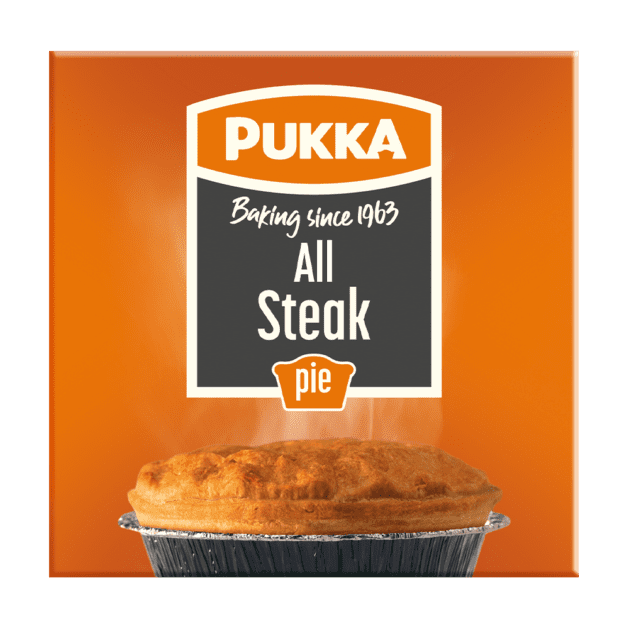
The Tasty Tale of Pukka Pies: A British Favourite

Should you think of classic British comfort food, chances are a hot, hearty pie springs to mind. Among the many beloved brands, Pukka Pies stands out as a true icon. 

Found everywhere from chippies to football grounds, via supermarkets and corner shopd, Pukka has earned its place in the hearts (and stomachs) of the nation. But where did it all begin? Let’s take a closer look at the rich history behind this much-loved name.

A Modest Beginning

The story of Pukka Pies started back in 1963, in the Leicestershire town of Syston. The company was founded by husband-and-wife team Trevor and Valerie Storer. 

Originally trading under the name Trevor Storer's Home Made Pies, the business was born out of Trevor’s ambition to create quality, tasty pies that could be enjoyed across the country. His experience as a sales manager for a bakery firm gave him the insight and skills needed to turn this dream into a reality.

Trevor crafted the original recipes himself, beginning with just a few pie varieties made in a small bakery. Demand quickly grew, and it wasn’t long before the Storers realised they had something truly special on their hands.

The Birth of 'Pukka'

In 1964, just a year after starting the business, the Storers decided a rebrand was in order. They wanted a name that captured the quality and reliability of their pies. They landed on 'Pukka', a word taken from Hindi meaning genuine or first class, which had become part of British slang by the 1960s. It perfectly summed up their philosophy — to make pies that were the real deal.

Thus, Pukka Pies was officially born, and the company began its steady rise to fame.

Growth and Popularity

Throughout the 1970s and 1980s, Pukka Pies expanded rapidly. Their pies became a staple at fish and chip shops, sports stadiums, and working men’s clubs up and down the country. The company’s marketing leaned into this association with everyday British life, positioning their products as accessible, hearty, and satisfying.

Football fans in particular have long associated Pukka Pies with the half-time experience, with warm meat pies providing essential sustenance on chilly match days.

By the 1990s, Pukka was producing millions of pies annually, cementing their reputation as one of Britain’s favourite pie brands.

A Family Business at Heart

Despite its growth, Pukka Pies has remained a family-run business. After Trevor retired, the leadership of the company passed to his sons, Tim and Andrew Storer. They have continued to expand the brand while staying true to the original values of quality and consistency.

Today, Pukka produces not only the classic steak and kidney and chicken and mushroom pies but also a wide range of flavours to suit modern tastes, including vegetarian and vegan options. The brand has also refreshed its image in recent years to appeal to a broader audience, all while keeping that classic 'proper pie' reputation intact.

A Modern British Icon

Now producing around 60 million pies every year, Pukka Pies has secured its status as a national treasure. Whether enjoyed with chips and mushy peas, grabbed during a footie match, or baked at home for a comforting dinner, Pukka remains a delicious slice of British life.

From humble beginnings in a small Leicestershire bakery to becoming a household name, the story of Pukka Pies is a shining example of great British entrepreneurship — and, of course, a love for a good pie.

https://www.pukkapies.co.uk

My favourite is their Steak Pie. What's yours? Please tell us in the comments below.

Friday, 25 April 2025

Edible Flowers: Which Ones Are Safe to Use and Which to Avoid

Mehgan Markle has recently spoken about eating flowers. Some flowers can be eaten, some are toxic. 

I decided to write this post to help you work out which are which.

Adding flowers to dishes can bring an extra touch of elegance and intrigue, whether you're decorating cakes, garnishing cocktails, or experimenting with floral flavours in your cooking. 

But not all flowers are safe to eat—some can cause anything from mild discomfort to serious illness.

In this post, we’ll explore which flowers you can safely use in the kitchen and which ones to keep strictly ornamental.

Edible Flowers: Safe and Delicious

These flowers are not only safe to eat, but they also add unique flavours and textures to sweet and savoury dishes alike:

1. Violas and Pansies

Delicate and slightly sweet, these are ideal for decorating cakes, salads, and even ice cubes.

2. Calendula (Marigold)

Sometimes called "poor man's saffron", calendula petals add colour and a peppery, slightly tangy flavour to soups, salads, and rice dishes.

3. Nasturtiums

These vibrant flowers offer a peppery kick, making them a great addition to salads, canapés, and cheese boards.

4. Lavender

Best used sparingly, lavender has a strong, floral flavour that works beautifully in baked goods, syrups, and even roast meats.

5. Chive Blossoms

A subtle onion flavour with a touch of sweetness makes chive flowers a brilliant garnish for soups, potatoes, and savoury tarts.

6. Elderflowers

Most famously used in cordials and syrups, elderflowers also pair well with gooseberries, rhubarb, and sparkling wine.

7. Roses

Rose petals (free of pesticides) can be used in syrups, jellies, and desserts. They have a delicate, perfumed flavour—perfect in Turkish delight or rosewater-infused dishes.

8. Borage

With a mild cucumber flavour, borage flowers are great in drinks, summer salads, or frozen into ice cubes for a pretty punch bowl.

Toxic or Inedible Flowers: Avoid These

Some flowers may look lovely but are toxic or at least mildly harmful if ingested. Here are a few to steer clear of:

1. Foxglove

Extremely poisonous. Even small amounts can affect the heart. Never use as a garnish.

2. Lily of the Valley

Highly toxic and absolutely not for consumption, even in small decorative quantities.

3. Hydrangeas

Common in garden displays but contain cyanogenic compounds that can be dangerous when ingested.

4. Daffodils

All parts of the daffodil are toxic. They've been known to cause serious illness if mistaken for leeks or onions.

5. Sweet Peas

Despite the name, sweet peas are not edible and can cause nausea and weakness if consumed.

6. Buttercups

These are mildly toxic and can cause stomach upset. Best to avoid altogether.

Tips for Cooking with Flowers

Buy organic or grow your own: Make sure flowers haven’t been treated with pesticides or chemicals.

Identify with certainty: If you're unsure whether a flower is edible, don’t take a chance.

Use sparingly: Even edible flowers can cause allergic reactions in some people. Test in small amounts.

Remove stamens and pistils: These parts can be bitter or cause allergies—use just the petals in most cases.

Final Thoughts

Cooking with flowers can elevate your food visually and in flavour—but it's important to know exactly what you’re using. Stick with known edible varieties and always avoid flowers that are toxic or chemically treated.

Would you like a printable cheat sheet or a seasonal guide to edible flowers? Let me know and I’ll whip one up!

Celebrating British Cider Week 2025: A Toast to Tradition and Taste

As promised here is our coverage of British Cider Week.

British Cider Week 2025 is in full swing, running from 24th April to 5th May, offering a delightful celebration of the UK's rich cider-making heritage. 

This annual event brings together cider enthusiasts, producers, and neophytes to explore the diverse and exciting world of British cider through tastings, tours, and special events across the country.​

What is British Cider Week?

Launched in 2023 by a collaboration of dedicated and passionate cidermakers, British Cider Week aims to shine a spotlight on the UK's vibrant cider industry. 

From traditional farmhouse ciders to innovative new blends, the week-long celebration offers something for everyone, whether you're a seasoned connoisseur or a curious newcomer.​sandfordorchards.co.uk

Highlights of British Cider Week 2025

This year's festivities feature a plethora of events designed to engage and educate cider lovers:​

Cydermaster 'Behind the Scenes' Experience: Healeys Cornish Cyder Farm in Penhallow, Cornwall, invites visitors to delve into the cider-making process with their Cydermaster Pass. Explore the inner workings of the farm and gain insights into traditional cider production. ​

Cider Farm Tours and Tastings: Cornish Orchards at Westnorth Manor Farm in Duloe, Liskeard, offers guided tours showcasing the journey from orchard to bottle. Participants can enjoy tastings of their finest ciders. ​

Meet the Maker: Ganley & Naish Cider hosts an afternoon event at The Fallen Tree in Clifton, Bristol, where attendees can meet Andy, the cidermaker, and learn about his craft. ​

Cider and Cheese Tasting: Luke's Cider Tap in London presents a curated selection of six exceptional ciders paired with artisanal cheeses, guided by cider expert Luke. ​

Orchard Walks: Isaac Cider in Beaminster, Dorset, invites guests to stroll through their blossoming orchards, offering a serene experience amidst nature. ​

Special Cider Pairing Menu: The Railway Inn in Sandford, Somerset, in collaboration with Thatchers Cider, offers a specially crafted menu pairing their ciders with delectable dishes throughout the week. ​

Why Celebrate British Cider Week?

British Cider Week is more than just a series of events; it's a celebration of the UK's cider heritage and the passionate individuals behind it. By participating, attendees support local producers, discover new flavours, and deepen their appreciation for this quintessentially British beverage.​

With events spanning the length and breadth of the UK, there's something for everyone during British Cider Week 2025. Whether you're interested in hands-on experiences, educational tours, or simply enjoying a refreshing pint in a picturesque orchard, this week offers a unique opportunity to immerse yourself in the world of British cider.​

For a comprehensive list of events and to plan your cider journey, visit the official British Cider Week website: britishciderweek.org.uk​

Raise a glass and join the celebration—here's to British Cider Week 2025!

Sandford Orchards Celebrates British Cider Week by Launching New Limited Edition High Tides Cider in Collaboration With Ganley & Naish

In celebration of British Cider Week (25th April - 5th May), Devon-based Sandford Orchards is launching a brand new cider, which was created in collaboration with Somerset's Ganley & Naish as part of their prize for winning the Breakthrough Cider Makers Awards 2023. 

The new limited edition High Tides Cider (ABV 5%) will be available in 500ml bottles from Sandford Orchards, Ganley & Nash and selected retail outlets.

Ganley & Naish x Sandford Orchards High Tide (ABV 5%, 500ml bottles, RRP £2.75) is crafted from a blend of wild-fermented early bittersweets and Browns apples. This medium cider marries the signature characteristics of Ganley & Naish and Sandford Orchards to create a beautifully balanced cider. 

Barny Butterfield, Chief Cider Maker at Sandford Orchards comments: “High Tides is a lovely cider that really incorporates both makers' styles into the bottle. The apples really shine in this blend. Browns bring acidity, Dabinetts bring tannins on the finish and the vintage bittersweet apples help to give the cider tonnes of body and structure.”

The chance to work with the team at Sandford Orchards to produce a collaboration limited edition cider was part of Ganley & Naish's prize for winning the 2023 Breakthrough Cider Maker Awards. 

These awards, set up in 2019 by Sandford Orchards to support emerging producers, recognise and celebrate excellent quality whole juice ciders from around the UK. The winners also benefit from an invaluable package of guidance, vouchers to spend with suppliers and opportunities to have their cider sold by new retailers and venues. 

Andy Jenkins, Chief Cidermaker at Ganley & Naish comments: “It has been a fantastic experience to see how a cider maker with the same ethos produces and packages cider on a much larger scale. Working alongside the team at Sandford Orchards, we carefully blended Sandford, Ganley and Naish cider to achieve the perfect balance. This has been an eye-opening experience—one that I will take back to our cidery to help us improve and refine our craft.”

Ganley & Naish Cider was founded in a back garden in  2011 by two friends, Steve and Andy and has been steadily growing ever since. They champion sustainability, organic, provenance and terroir and their ciders are all vegan, vegetarian and gluten free. They proudly display all the ingredients on their labels with all their ciders containing at least 90% juice.

Founded in 2002, independent, family-owned Sandford Orchards is based in Crediton, Mid Devon in the oldest working cider mill in the UK. They take a fresh, natural and low impact approach to producing cider. Combining tradition and innovation, Sandford Orchards produces an award-winning range of core session, traditional, fine and fruit ciders.

British Cider Week celebrates the depth and diversity of British cider. The week features events across the country hosted by a wide range of producers, from new young startups to traditional producers with generations of heritage. (More on British Cider Week later.)

For further information on Sandford Orchards please visit www.sandfordorchards.co.uk, follow Sandford Orchards on X, Facebook and Instagram. For more information on Ganley & Naish please visit www.ganleyandnaish.co.uk. For more information on British Cider Week please visit www.britishciderweek.org.uk.

Welsh Rarebit: The Golden Crown of Pub Grub

Warm, savoury, and comforting, Welsh rarebit is much more than just cheese on toast. 

It's a rich, indulgent dish steeped in history — a staple of Welsh cookery that showcases how simple ingredients can become something deeply satisfying.

Think of it as a grown-up grilled cheese: strong cheddar, mustard, ale, and seasoning come together in a silky sauce, grilled to golden perfection atop thick slices of toast. Whether served in a country pub or a city café, Welsh rarebit is a national treasure.

A Humble History with Bold Flavour

The name "rarebit" is believed to be a playful twist on rabbit, possibly coined in the 18th century as a satirical jab — a “poor man’s meat.” But make no mistake: this dish is rich, flavourful, and comforting in a way that few others can match.

Traditionally made with Caerphilly or mature cheddar, it reflects the Welsh ethos of making the most of modest pantry staples. The result? Pure comfort food.

Regional Twists

South Wales (Cardiff, Swansea)

Often made with dark Welsh ales like Brains or Felinfoel.

May include leek or a pinch of cayenne for warmth.

North Wales (Conwy, Llandudno)

Served open-faced with grilled tomatoes or mushrooms on top.

Sometimes includes a dash of Worcestershire sauce.

Modern Twists Across Wales

Topped with a poached egg for "Buck Rarebit."

Served with a side of pickled shallots or chutney.

Traditional Welsh Rarebit Recipe

Ingredients:

25g butter

25g plain flour

150ml Welsh ale (or milk for a non-alcoholic version)

1 tsp English mustard powder

1 tsp Worcestershire sauce

175g mature Welsh cheddar, grated

2 slices thick-cut bread (sourdough or farmhouse work well)

Salt and pepper, to taste

Method:

Melt butter in a saucepan, then stir in flour to make a roux.

Slowly add ale, whisking continuously to form a smooth sauce.

Stir in mustard powder, Worcestershire sauce, and cheese.

Cook until melted and thick, then season with salt and pepper.

Lightly toast the bread, then spoon the cheese mixture generously on top.

Grill under a hot grill until bubbling and golden brown.

Optional Add-Ons

Buck Rarebit: Add a poached or fried egg on top.

Devilled Rarebit: Stir in a little paprika or chilli.

Luxury Rarebit: Use a blue cheese blend or truffle mustard.

Serving Suggestions

Perfect with a side of salad and chutney for lunch.

Cut into fingers and serve as a starter or canapé.

Ideal with a pint of Welsh ale or a strong cup of Welsh tea.

A Toast to Tradition

Welsh rarebit is more than just a dish — it’s a warming, welcoming reminder that the simplest foods, done right, can carry a nation’s identity. Whether you’re reconnecting with your Welsh roots or discovering the flavours for the first time, rarebit is a glorious place to start.

Coming next: Cawl — Wales in a Bowl

Laverbread & the Sea’s Bounty: A Taste of Coastal Wales

Briny, bold, and packed with nutrients, laverbread (bara lawr in Welsh) is a unique Welsh delicacy that surprises many first-timers — and wins over more than you'd expect. 

Made from cooked laver seaweed, this traditional food is most famously enjoyed along the coasts of Pembrokeshire, Gower, and Ceredigion, where it has been harvested for generations.

It’s often called “Welshman’s caviar” — and for good reason. Rich in iodine, iron, and umami flavour, laverbread has long been a prized part of the Welsh seaside diet.

A Coastal Tradition

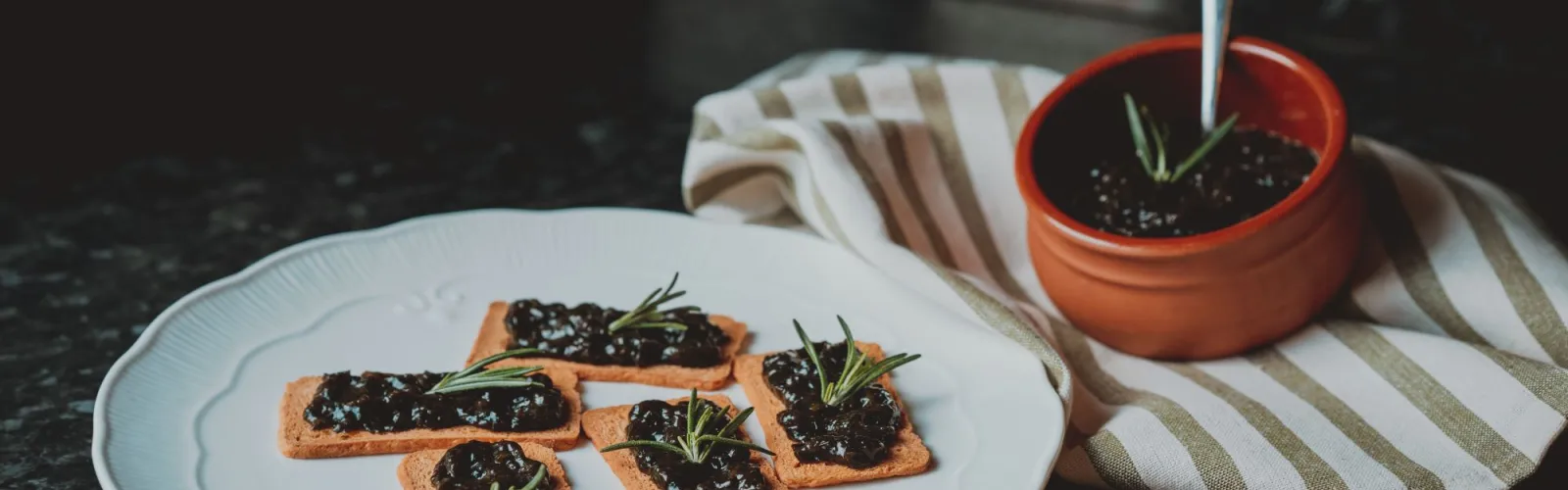
Laverbread is made by boiling laver (Porphyra seaweed) for several hours until it turns into a dark, soft purée. It’s then either eaten cold, rolled in oats and fried, or stirred into dishes for a salty, rich depth.

Miners would take it to work with bread and bacon — a simple, sustaining meal packed with minerals. Today, it’s a feature of full Welsh breakfasts and gourmet menus alike.

Regional Variations

Gower Peninsula

Traditionally served rolled in oats and fried with bacon and cockles.

Often used in breakfast fry-ups or on toast with butter.

Pembrokeshire

Sometimes mixed with lemon juice and used as a savoury spread.

Also added to seafood stews and soups.

Modern Welsh Kitchens

Used in risottos, pasta, and even laverbread-stuffed mushrooms.

Blended with butter or cream cheese as a unique condiment.

Traditional Oat-Rolled Laverbread Cakes

Ingredients:

200g cooked laverbread (available fresh or tinned)

1 small onion, finely chopped (optional)

50g medium oats (plus extra for coating)

Salt and pepper

A knob of butter or splash of oil for frying

Method:

Mix the laverbread, oats, and onion together in a bowl. Season well.

Shape into small patties or balls.

Roll in additional oats to coat.

Heat a little oil or butter in a pan and fry for 2–3 minutes each side, until crisp and golden.

Serve hot, traditionally with fried bacon, cockles, and toast.

Modern Serving Suggestions

Spread on sourdough toast with a poached egg.

Stir into a bowl of hot buttery mashed potatoes.

Use to enrich seafood chowder or risotto.

Blend with butter and lemon juice as a topping for grilled fish.

A Salty Bite of Welsh Identity

Laverbread isn’t just food — it’s heritage from the tidepools of Wales. It connects us to coastal traditions, to the rhythm of the sea, and to generations who knew the value of sustainable, foraged nutrition.

If you’re reconnecting with your Welsh roots, don’t shy away from this bold, nutritious seaweed — it’s a true taste of place.

Coming next: Welsh Rarebit — The Golden Crown of Pub Grub