Wikipedia

Search results

Thursday, 15 January 2026

Have British Beers Gone Too Far With Weird Flavours?

There was a time when ordering a pint in Britain was a reassuringly simple affair. 

Bitter, mild, stout, porter, perhaps a golden ale if you were feeling adventurous. 

The flavours came from the malt, the hops, the yeast, the water – and the skill of the brewer.

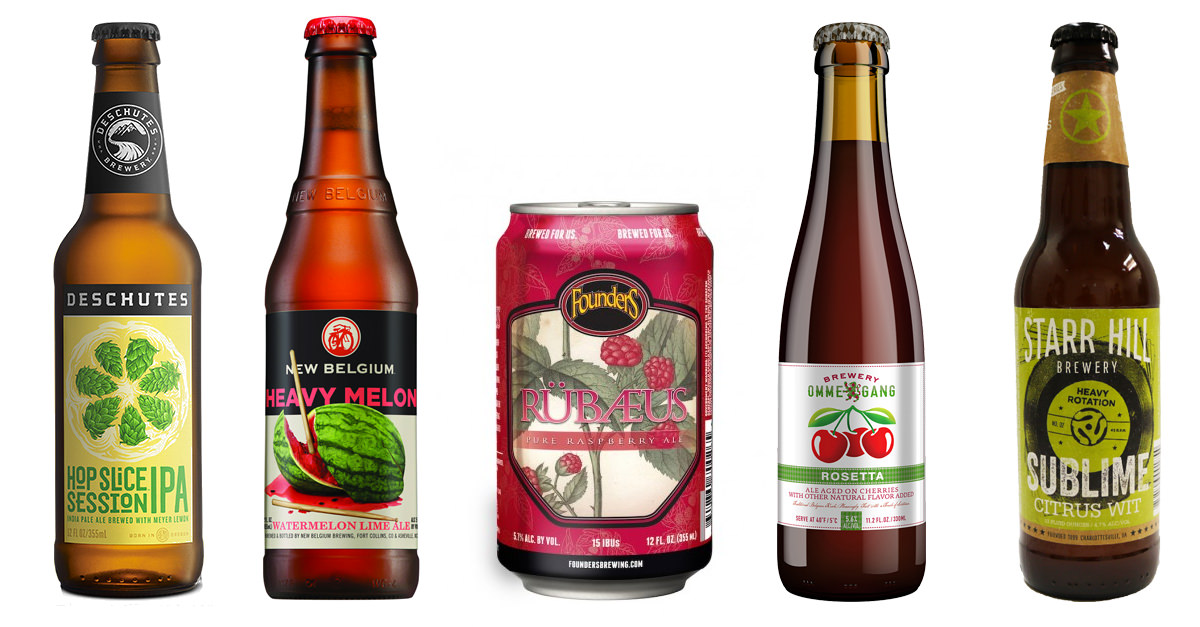
Fast forward to today, and the bar chalkboard can feel more like a dessert menu. Salted caramel stout. Blueberry muffin ale. Mango, pineapple and passionfruit IPA with lactose. Chocolate brownie porter with a hint of marshmallow. At what point did beer start trying so hard to be pudding?

When Beer Started Chasing Novelty

There’s no denying that the British beer scene has enjoyed a creative renaissance over the past couple of decades. The growth of small and independent breweries has brought energy, variety, and a renewed interest in local brewing traditions. That’s largely a good thing.

But somewhere along the line, experimentation tipped into excess. Adding unusual ingredients stopped being an occasional curiosity and became a marketing strategy. The weirder the flavour, the more attention it gets on social media. The result? A shelf full of beers that sound intriguing but are rarely ordered twice.

Dessert in a Glass? Not Always a Compliment

Salted caramel stout is often cited as a prime offender. Sweet, sticky, and cloying, it can overwhelm everything that makes a stout enjoyable in the first place. Instead of roasted barley, coffee notes, and a satisfying dry finish, you’re left with something that tastes more like a melted sweet than a pint.

Fruity ales can be just as divisive. Subtle citrus or stone fruit notes from hops are one thing – dumping in purée until the beer resembles a fizzy fruit juice is another. When the fruit dominates completely, you’re no longer drinking beer so much as an alcoholic smoothie.

Losing the Character of British Beer

Traditional British beer styles have a quiet confidence about them. A good bitter doesn’t shout; it balances. A proper stout doesn’t need gimmicks; it delivers depth through simplicity. Mild, brown ale, porter – these styles evolved to be drinkable, social, and satisfying over a full evening, not just a novelty sip.

The danger with extreme flavour additions is that they mask poor brewing and erode appreciation for these classic styles. If everything tastes of caramel, vanilla, or tropical fruit, you lose the subtle differences between malts, hop varieties, and fermentation profiles that define great beer.

Is There Still Room for Experimentation?

Absolutely! Brewing has always involved experimentation, and some flavoured beers are genuinely excellent when done with restraint. 

A hint of chocolate in a porter, a touch of orange peel in a winter ale, or a gently fruited seasonal beer can add interest without overwhelming the base style.

The issue isn’t creativity itself – it’s excess. When flavourings become the headline rather than the beer, something has gone awry.

A Quiet Return to Simplicity?

Interestingly, there are signs of a small backlash. Many drinkers are rediscovering the pleasure of a well-made bitter or a clean, unfussy stout. Pubs that focus on cask ales brewed with care rather than gimmicks often build loyal followings. After all, the pint you enjoy most is usually the one you’d happily order again.

Perhaps British beer doesn’t need to abandon innovation – just remember what made it special in the first place.

Weird flavours in beer can be fun as a one-off, but they shouldn’t dominate the bar. Beer doesn’t need to taste like dessert, fruit salad, or a confectionery aisle to be interesting. 

Sometimes, a beautifully brewed, straightforward pint is the most radical choice of all.

So next time you’re faced with a salted caramel, triple-fruited, marshmallow-infused stout… it might be worth asking whether a classic bitter would hit the spot far better.

Wednesday, 14 January 2026

Celebrate National Popcorn Day

National Popcorn Day, 19th of January, is the perfect excuse to enjoy one of the simplest, most comforting snacks around. 

Light, crunchy and endlessly adaptable, popcorn suits cosy nights in just as well as big celebrations.

Keep it classic

You can’t beat freshly popped corn with a pinch of sea salt and a knob of melted butter. It’s nostalgic, satisfying and still a cinema favourite for a reason.

Go sweet

If you have a sweet tooth, try caramel popcorn, toffee-coated kernels or a light dusting of cinnamon sugar. Chocolate drizzle or white chocolate buttons stirred through while still warm make it feel extra indulgent.

Try something savoury

Popcorn also works brilliantly with savoury flavours. Think cheese powder, smoked paprika, chilli flakes, garlic salt or even a little truffle oil for a more grown-up twist.

Make it a mini event

Turn National Popcorn Day into a small celebration:

Set up a popcorn bar with bowls of toppings

Pair it with a film night or box-set binge

Portion it into paper cones for a fun, old-school feel

A lighter snack option

Air-popped popcorn is naturally wholegrain and relatively low in calories, making it a great alternative to crisps when you fancy something crunchy without going overboard.

Whether you keep it simple or get creative with flavours, National Popcorn Day is all about enjoying a humble snack that never really goes out of style.

You can buy popcorn cooking machines for home use, cook them in lidded pan or even buy popcorn for cooking in a microwave. We won't judge you!

Celebrate National Nothing Day on January 16th

National Nothing Day is the perfect excuse to down tools, ignore the to-do list, and fully embrace doing… well, nothing at all.

No plans, no pressure, no overthinking. And naturally, that calls for snacks and drinks that are comforting, unfussy, and require the absolute minimum of effort.

Here’s how to celebrate properly — with snacks and sips that match the wonderfully low-key spirit of the day.

Snacks That Ask Nothing of You

Biscuits (from the cupboard, not the bakery)

This is not the day for baking. A packet of digestives, custard creams, bourbons, or a half-forgotten tin of shortbread will do just fine. Open packet. Eat biscuit. Repeat.

Cheese and Crackers (no styling allowed)

One cheese is enough. Two if you’re feeling wild. Crackers straight from the box, cheese sliced roughly, no garnish. Bonus points if eaten straight off the board while standing in the kitchen.

Crisps or Popcorn

Salted, ready-salted, lightly salted — basically anything that doesn’t require decision-making. Popcorn from a bag, not a pan. National Nothing Day does not reward effort.

Chocolate (whatever’s already open)

That bar with two squares missing? Perfect. A half-eaten box of chocolates from Christmas? Entirely acceptable. This day thrives on leftovers.

Drinks for Maximum Relaxation

Tea (obviously)

A proper mug of tea, brewed exactly how you like it. No novelty blends, no tasting notes. Just reliable, comforting tea doing what tea does best.

Squash, Juice, or Fizzy Pop

Whatever happens to be in the fridge. No glassware upgrades required — the everyday tumbler is more than enough.

Wine, Beer, or Cider (optional, but encouraged)

One drink, not a tasting flight. Something familiar, something easy, something that doesn’t demand your attention while you stare at the wall or rewatch something you’ve already seen five times.

Hot Chocolate (with minimal fuss)

Powder, hot milk or water, stir vaguely. Marshmallows optional, effort not required.

The Rules of National Nothing Day Snacking

No cooking from scratch

No “pairing suggestions”

No social media presentation

Pyjamas strongly recommended

Plates optional

This is a day for snacks that don’t judge you, drinks that don’t challenge you, and an atmosphere where doing nothing is the entire point.

So put the kettle on (or don’t), open a packet (any packet), and celebrate National Nothing Day exactly as intended — quietly, comfortably, and without trying at all.

First Steps into Veganuary: A Gentle Guide for Beginners

Even retailers like Tesco are doing their bit!
Veganuary can feel like a big leap if you’ve never followed a plant-based diet before, but it doesn’t have to be all or nothing. 

Whether you’re doing it for health, the environment, animal welfare, or simple curiosity, the key to a successful Veganuary is starting gently and setting yourself up to enjoy it.

Here’s a friendly, realistic guide to taking your first steps into Veganuary without feeling overwhelmed.

What Is Veganuary?

Veganuary is a global campaign that encourages people to try a vegan lifestyle throughout January. The idea isn’t perfection — it’s exploration. Even small changes can make a meaningful difference.

Start With What You Already Eat

One of the easiest ways to begin is by veganising familiar meals rather than reinventing your whole diet.

Swap mince for lentils or plant-based mince in chilli or spaghetti bolognese

Use dairy-free cheese or cream alternatives in pasta bakes

Replace meat in curries and stir-fries with chickpeas, tofu, or mushrooms

Comfort foods are your friend — there’s no rule that Veganuary has to be about salads.

Build Your Plate the Simple Way

A balanced vegan meal doesn’t need complicated maths. Aim for:

Protein: beans, lentils, tofu, tempeh, plant-based meats

Carbohydrates: rice, pasta, potatoes, bread, wraps

Veg: fresh, frozen, or tinned — all count

Fats: olive oil, nuts, seeds, avocado

If it looks colourful and filling, you’re on the right track.

Take Advantage of Supermarkets

UK supermarkets make Veganuary far easier than it once was. Most now offer:

Clearly labelled vegan ready meals

Plant-based sausages, burgers, and nuggets

Dairy-free milks, yoghurts, and desserts

For your first week, it’s absolutely fine to rely on these while you find your feet.

Don’t Overthink Breakfast

Breakfast can be one of the easiest wins:

Porridge made with oat or soya milk

Toast with peanut butter or jam

Cereal with plant milk

Fruit smoothies

You don’t need a full vegan fry-up on day one (unless you want one!).

Expect a Learning Curve

Mistakes will happen — and that’s normal.

You might:

Accidentally buy something with milk powder

Miss a favourite food more than expected

Feel unsure what to cook one evening

Veganuary is about progress, not guilt. Every vegan meal counts.

Listen to Your Body

If you’re new to eating more fibre, take it steady and drink plenty of water. Eating enough calories is important too — plant-based meals can be lighter, so don’t be afraid of second helpings.

If you have medical conditions or dietary concerns, adapting Veganuary to suit your needs is always the right approach.

Make It Enjoyable

Veganuary shouldn’t feel like a punishment. Try:

One new recipe a week

A vegan takeaway night

Baking a dairy-free dessert

Sharing the experience with friends or family

Finding foods you genuinely enjoy makes it far more sustainable.

Remember: You Decide What Comes Next

Completing Veganuary doesn’t mean you have to stay vegan forever. Some people do, others become flexitarian or simply eat less animal produce — all outcomes are valid.

The most important thing is that you’ve explored something new and learned what works for you.

Your first steps into Veganuary don’t need to be perfect, Pinterest-worthy, or complicated. Start small, stay curious, and be kind to yourself — that’s how lasting food changes begin.

555 Amanda Launches a Luxurious Lobster Bisque and it's dressed to impress!

Lobster lovers, this one's specially for you. 555 Amanda's new Lobster Bisque has officially arrived on Amazon, bringing effortless luxury straight to your table. 

Whether you're planning a dinner party or treating yourself to a quiet night in, this indulgent classic is guaranteed to make the moment feel special.

There's nothing quite as rich, smooth and comforting as a proper lobster bisque. For £5.95, each 375g serving delivers velvety, restaurant-quality richness made with 6.4% ASC-certified Atlantic lobster, that's more lobster than leading branded bisques, giving it an unmistakably deep, satisfying flavour.

Creating an impressive starter couldn't be easier. Just warm the 555 Amanda Lobster Bisque gently and ladle into bowls, serve with crusty bread, a dollop of crème fraiche and a sprinkle of chopped parsley.

For those hosting dinner parties, things just got wonderfully simple. A single tub is £5.95, or you can pick up a 6-pack for just £18.99, instantly becoming the friend who “somehow always serves something impressive”. No one needs to know your secret!

555 Amanda Lobster Bisque is beautifully creamy and packed with real lobster depth, delivering that unmistakable, umami richness that makes every bowl feel like a naughty treat!

Rooted in the proud 555 Amanda heritage since 1916, this bisque brings classic French-style indulgence into the modern home kitchen. Warm it, serve it, enjoy it, all the pleasure, none of the faff.

What customers are saying:

“This soup is the real deal… tastes delicious, very well-made… lovely and creamy — you get a bit addicted to it.”

“Really delicious, a beautiful lobster flavour. Lovely and smooth and so warming. I shall be buying this again!”

“Lovely lobster flavour with a nice kick of pepper. Beautiful.”

https://www.555amanda.co.uk

You can order your 555 Amanda Lobster Bisque here https://amzn.to/4jFFGkM.

Tuesday, 13 January 2026

Liquid Leaders: New twist for Double Dutch's Female Bartending Scholarship

Premium mixer brand Double Dutch has announced the return of its Female Bartending Scholarship for 2026, marking the programme's sixth year with a bold new development designed to widen access, deepen impact and support women at every stage of their hospitality careers in the UK. 

2026 is set to be a busy year for Double Dutch following a recent £4.5 million investment, the brand's recent 10th anniversary and a brand new bottle design.

Launched in 2021 by Double Dutch co-founders Joyce and Raissa de Haas, the Female Bartending Scholarship was created to empower women working behind the bar and across the wider hospitality industry through education, mentorship and career progression. 

For 2026, the programme builds on its continued UK success with expanded training, new partnerships and - for the first time - selected free educational content available to every applicant, not just the final scholarship cohort. 

A final selection of 12 successful scholars will unlock the full, expanded programme of workshops, mentorship and industry access.

The application is simple - future scholars will need to detail in around 250 words or so as to where they are at in their career and what they'd like the scholarship to deliver for them. The scholarship continues to receive overwhelming interest from across the UK hospitality industry, from emerging bartenders to experienced professionals seeking to progress into leadership roles, and everyone is encouraged to apply regardless of number of years within the industry - from experienced mixologists, to those just starting out, all are welcome.

Raissa de Haas, Co-Founder of Double Dutch told That's Food and Drink: “We're looking for women who are deeply passionate about drinks and hospitality, and who see bartending as more than just a job. Our ideal scholars are ambitious, curious, and driven - women who have a clear vision for their future and the confidence to pursue it.

Whether their ambition lies in bar ownership, brand leadership, education, product development, or shaping the wider hospitality culture, we want to support women who aspire to lead. This scholarship is about backing the next generation of female leaders in drinks and hospitality, and helping them turn talent and determination into long-term impact.”

This year, Double Dutch have confirmed trade partnerships and live sessions hosted at leading hospitality venues, including The Chancery Rosewood, Swingers West End, 58 & Co Distillery and the largest ever network of female industry leaders to teach and mentor cohorts.

Joyce de Haas, Co-Founder Double Dutch added: “It's vital to use our platform to open doors. Hospitality is powered by incredible women, but far too few reach senior leadership. We believe progress doesn't happen by accident - you have to actively create pathways for those around you. 

"The latest research we've seen says that Women make up 70% of the hospitality workforce, yet only 8% of the leadership positions. It's time to change that. This is all about building community too, and one of the best parts about the scholarship is when the alumni all come together to support each other.”

The final selected scholars will also take part in in-person and virtual workshops including Drinks Education, Personal Brand & Confidence and Professional Development and to join the growing Double Dutch Alumni Network, which includes freelance mixologists and team leaders from venues and brands such as Cubitt House, Don Papa, Mother Mercy and The Botanist.

The 2026 programme will be supported by a standout group of mentors and educators from across the UK drinks and hospitality industry, including:

Laura Willoughby MBE (Co-Founder, Club Soda);

Liana Oster (Director of Bars, The Chancery Rosewood);

Maura Milia (General Manager, Eagle Bar);

Anna Sebastian (Founder, Anna Sebastian Hospitality & Celebrate Her);

Carmen O'Neal (Founder, 58 & Co Distillery);

Lorna MacPherson-Johnston (Food & Beverage Director, Cubitt House);

Alexa Farrow (Brand Advocacy Manager, Hayman Distillers);

Claudia Carrozzi (Bar Consultant & Educator, UKBG President);

Lauren Mote (Global Director, Patrón & Bacardi);

Noah Villeneuve (National Portfolio Ambassador, Kore Drinks);

Mandy Naglich (Author, How to Taste);

Wendy Hopkins (Director of Beverage UK & International, Hakkasan Group);

Desirée Dils (Founder, Hospitality Masters);

Tristan Darby (Brand Ambassador, Double Dutch)

Applications for the Double Dutch Female Bartending Scholarship 2026 are now open and welcome women from all experience levels - from those just starting out to established professionals looking to level up or move into leadership roles within the UK hospitality industry.

The application deadline is 17 February 2026, with scholarship winners announced on International Women's Day, 8 March 2026.

To apply, visit:- https://doubledutchdrinks.com/pages/scholarship-application

Celebrating St Dwynwen’s Day with Welsh Food and Drink

Often described as Wales’ answer to Valentine’s Day, St Dwynwen’s Day is celebrated on 25 January and is a perfect excuse to embrace romance with a distinctly Welsh flavour. 

Whether you’re planning a cosy night in or a special meal to share, Welsh food and drink offer warmth, tradition, and heartfelt comfort — all very much in the spirit of love.

Who Was St Dwynwen?

St Dwynwen is the patron saint of lovers in Wales. According to legend, she lived on Llanddwyn Island, where she devoted her life to helping others find happiness in love after her own romance ended sadly. Today, her story is remembered as one of kindness, compassion, and emotional resilience — making her day about meaningful connection rather than grand gestures.

A Welsh-Inspired St Dwynwen’s Day Menu

Start with Something Comforting

Cawl, Wales’ national dish, is a wonderful way to begin a winter evening. This slow-cooked stew of lamb or beef with root vegetables is hearty, nourishing, and ideal for sharing — perfect for a January celebration that favours warmth over extravagance.

A Main Course Made for Sharing

Welsh lamb is world-renowned, and a simple roasted lamb dish with rosemary, garlic, and seasonal vegetables makes for an elegant yet unfussy centrepiece. Alternatively, Welsh rarebit — rich, cheesy, and deeply comforting — works beautifully for a more relaxed, bistro-style St Dwynwen’s supper.

Cheese, Crackers, and Conversation

A Welsh cheese board brings romance down to earth in the best possible way. Look for classics such as Caerphilly, Perl Las, or a strong Welsh cheddar, served with oatcakes, chutney, and perhaps a few slices of apple or pear.

Sweet Treats with a Welsh Twist

No St Dwynwen’s Day is complete without something sweet. Welsh cakes, especially when served warm with butter or a dusting of sugar, are a simple but heartfelt dessert. For something a little more traditional, bara brith — the much-loved fruit loaf — pairs beautifully with a cup of tea and a quiet moment together.

Drinks to Toast Welsh Love

Raise a glass to love with a Welsh drink to match your menu:

Welsh craft beers for a relaxed, pub-style celebration

Welsh gin, often infused with botanicals inspired by the local landscape

Welsh mead, rich with honeyed history and romance

Or a small dram of Penderyn Distillery whisky for a warming, indulgent finish

More Than Romance

St Dwynwen’s Day doesn’t have to be limited to couples. It’s equally suited to celebrating friendships, long-standing partnerships, or simply taking a moment to appreciate warmth, kindness, and connection during the darker days of winter.

With comforting food, locally inspired drinks, and a nod to Welsh heritage, celebrating St Dwynwen’s Day is less about pressure and perfection, and more about sharing something heartfelt, together.

https://www.slate-house.co.uk/blog/st-dwynwens-day-gift-guide/

Celebrating Burns Night with Food and Drink

Burns Night, celebrated on 25 January, is a wonderful excuse to gather friends and family around the table and enjoy some of Scotland’s most comforting food and drink. 

Whether you go all-out traditional or put a modern twist on the menu, the heart of the evening is about warmth, hospitality, and raising a glass in good company.

Named in honour of Scotland’s national poet, Robert Burns, Burns Night is as much about storytelling and shared ritual as it is about what’s on the plate.

The Traditional Burns Night Supper

At the centre of any Burns Night celebration is the classic trio:

Haggis – rich, savoury, and deeply traditional

Neeps (mashed swede) – slightly sweet and earthy

Tatties (mashed potatoes) – buttery and comforting

Traditionally, the haggis is brought to the table with a sense of ceremony, often accompanied by the Address to a Haggis. 

Even in a relaxed home setting, taking a moment to acknowledge the tradition adds to the occasion.

Gravy or a light whisky sauce is often served alongside, adding extra richness without overpowering the dish.

Modern Twists and Inclusive Options

While purists may insist on tradition, Burns Night is increasingly celebrated in flexible, inclusive ways. Popular alternatives include:

Vegetarian or vegan haggis, now widely available and surprisingly authentic

Haggis bonbons with a whisky cream dip

Haggis-stuffed chicken or mushrooms for a contemporary main

Mini haggis, neeps and tatties bites as canapés for informal gatherings

These options make it easy to include everyone while still honouring the spirit of the evening.

The Role of Whisky on Burns Night

No Burns Night is complete without Scotch whisky. It’s traditionally used for:

The Selkirk Grace toast

Accompanying the Address to a Haggis

A relaxed post-dinner dram

You don’t need to be a whisky expert. A smooth Speyside whisky works well for newcomers, while peat lovers may prefer something smokier from Islay. Offering a small tasting selection can be a lovely way to encourage conversation and exploration.

For those who don’t drink alcohol, a good alcohol-free malt alternative or spiced apple juice still allows everyone to take part in the toasts.

Desserts with a Scottish Accent

To finish the meal, traditional and modern desserts both shine:

Cranachan with oats, cream, raspberries, and honey

Tipsy laird, a Scottish trifle variation

Shortbread served with cheese or fresh berries

Chocolate whisky cake for something indulgent

These lighter finishes balance the richness of the main course beautifully.

Setting the Scene

A few simple touches can transform the evening:

Tartan table runners or napkins

Candles for a cosy winter atmosphere

A short reading of Burns’ poetry, even just a verse or two

Background Scottish folk music

Burns Night doesn’t need to be formal to be meaningful — warmth and sincerity matter far more than strict etiquette.

A Celebration of Food, Culture, and Togetherness

At its core, Burns Night is about shared experience. Good food, a decent drink, a bit of poetry, and people around the table — it’s a reminder that the best celebrations are often the simplest ones.

Whether you’re hosting a full Burns Supper or just enjoying haggis and a dram at home, celebrating Burns Night through food and drink is a delicious way to keep a treasured tradition alive.

National Pie Day: Celebrating the Savoury and the Sweet

There are food days, and then there are proper food days – and National Pie Day firmly falls into the latter category. Few dishes are as comforting, versatile, and deeply loved in the UK as the humble pie. 

Whether it’s steaming hot from the oven on a cold evening or served chilled with cream as a dessert centrepiece, pies have earned their place at the heart of our food culture.

National Pie Day is the perfect excuse to celebrate both sides of the pie world: the rich, hearty savoury classics and the indulgent, nostalgic sweet favourites.

The Savoury Pie: A British Icon

Savoury pies are woven into British life. From pub menus to family dinners, they represent comfort, generosity, and tradition.

Classic favourites include:

Steak and ale pie – slow-cooked beef in a rich gravy beneath golden pastry

Chicken and mushroom pie – creamy, warming, and endlessly popular

Shepherd’s or cottage pie – technically topped rather than encased, but a pie in spirit

Fish pie – creamy seafood filling with mashed potato comfort

Vegetable and vegan pies – proof that pies don’t need meat to be magnificent

Savoury pies are wonderfully adaptable. Shortcrust, puff, hot water crust, mashed potato topping – every version has its loyal fans. They’re also one of the best “make once, eat twice” meals, often tasting even better the next day.

The Sweet Pie: Dessert Royalty

If savoury pies warm the body, sweet pies warm the soul. Often tied to memories of family gatherings, Sunday lunches, and special occasions, dessert pies are pure comfort.

Much-loved sweet pies include:

Apple pie – simple, timeless, and unbeatable with custard

Cherry pie – vibrant, fruity, and slightly nostalgic

Lemon meringue pie – sharp, sweet, and beautifully theatrical

Treacle tart – a very British classic with deep, sticky sweetness

Pecan pie – rich, indulgent, and unapologetically decadent

Sweet pies invite creativity too – lattice tops, decorative pastry leaves, and flavoured crusts turn baking into an art form as much as a pleasure.

Why Pies Endure

Part of the magic of pies is their universality. They can be humble or luxurious, budget-friendly or celebratory. They suit every season, every diet, and every skill level – from shop-bought shortcuts to all-day kitchen projects.

Pies are also wonderfully social. They’re made to be shared, sliced at the table, argued over (who gets the corner piece?), and remembered.

How to Celebrate National Pie Day

Cook a proper pie from scratch, savoury or sweet

Support a local butcher or bakery

Try a filling you’ve never had befor

Turn leftovers into a pie and reduce food waste

Or simply enjoy a slice with mash, gravy, or custard and no guilt whatsoever

Savoury or Sweet – Which Side Are You On?

National Pie Day isn’t about choosing one over the other. It’s about celebrating the fact that pies can do it all – hearty meals, show-stopping desserts, and everything in between.

So whether you’re team steak and ale or firmly in the apple-and-custard camp, today is your day to raise a fork and enjoy every flaky, crumbly, glorious bite.

Brew Monday: Turning the Bluest Day into a Moment of Warmth and Connection

Every January, the third Monday of the month is often labelled Blue Monday, supposedly the most miserable day of the year. 

Short daylight hours, cold weather, post-Christmas finances, and the long stretch until spring can all combine to make things feel a little heavier than usual.

But in recent years, there’s been a welcome shift in tone — Brew Monday.

Rather than focusing on gloom, Brew Monday encourages us to pause, put the kettle on, and check in with one another.

It’s a simple idea, but a powerful one: a hot drink, a conversation, and the reminder that none of us has to struggle alone.

What Is Brew Monday?

Brew Monday is about connection, not cures. It’s not about pretending everything is fine or forcing positivity. Instead, it invites people to create space for honest conversations — whether that’s over a mug of tea, a coffee, or any warm drink that brings comfort.

The message is clear:

listen more, judge less, and make time for others.

For many, January can be emotionally draining. Brew Monday acknowledges that reality and gently counters it with warmth and human contact.

Why January Can Feel So Tough

There’s no single reason January can be difficult, but common factors include:

The comedown after Christmas and New Year

Financial pressures following the festive season

Dark mornings and early nights

Cold, grey weather limiting social activity

Expectations to “start fresh” or make big life changes

Brew Monday doesn’t try to fix these overnight. Instead, it recognises that sometimes the most meaningful support comes from being present.

How to Mark Brew Monday

You don’t need a big event or grand gesture. Brew Monday works best in small, genuine ways:

Invite a friend or neighbour round for a cuppa

Call someone you haven’t spoken to in a while

Check in with colleagues beyond polite small talk

Sit with a family member and really listen

Take a moment for yourself with a calming drink

Even a short conversation can make a difference.

Brew Monday at Home and at Work

At home, Brew Monday can be as simple as slowing down. Put the kettle on, turn off distractions, and give someone your full attention — including yourself.

At work, it’s an opportunity to foster kindness and understanding. A shared tea break, a quiet check-in, or an open invitation to talk can help create a more supportive environment, especially during a month when motivation can dip.

When a Brew Isn’t Enough

While Brew Monday encourages connection, it’s also important to acknowledge that some people may need more support. If someone is struggling, listening is vital — but so is knowing when to point them towards professional help.

In the UK, organisations like Samaritans are available 24/7 for anyone who needs someone to talk to, whether they’re in crisis or just feeling overwhelmed.

A Small Act with a Big Impact

Brew Monday reminds us that kindness doesn’t have to be complicated. A warm drink, a shared moment, and a willingness to listen can help cut through the isolation that January sometimes brings.

So today — and any day that feels heavy — put the kettle on.

You never know how much that simple act might mean to someone. 

https://www.samaritans.org/how-we-can-help/contact-samaritan/