Wikipedia

Search results

Tuesday, 30 September 2025

Celebrating International Day of Older Persons with Food and Drinks

Every year on 1st October, we celebrate the International Day of Older Persons – a moment to recognise the contributions, wisdom, and presence of older members of our families and communities. 

It’s also an opportunity to pause and think about how we can make their lives brighter, healthier, and more enjoyable. 

And what better way to do that than by gathering around a table with carefully chosen food and drinks?

Whether you’re hosting a small family tea, organising a community lunch, or simply treating an older friend to their favourite snack, thoughtful choices in what you serve can make all the difference.

Thoughtful Drinks for Older Guests

Hydration is especially important as we age, so drinks should be plentiful, enjoyable, and easy to digest. Consider:

Herbal and fruit teas – Chamomile, peppermint, or berry blends are gentle on the stomach and caffeine-free.

Classic black tea – Many older people cherish their daily cuppa; offer decaffeinated options for those sensitive to caffeine.

Fruit-infused water – Adding slices of orange, cucumber, or berries makes plain water more appealing and refreshing.

Milk-based drinks – Warm milk with a dash of nutmeg or cocoa provides calcium and a comforting touch.

Low-sugar smoothies – Blend banana, yoghurt, and a handful of berries for a nutrient-rich option that’s easy to sip.

Food That Brings Comfort and Nutrition

Meals and snacks for older people should balance familiar flavours with nutritional value and ease of eating. Some ideas include:

Soft sandwiches – Wholemeal bread filled with egg mayo, salmon paste, or cream cheese and cucumber.

Hearty soups – Vegetable, chicken, or lentil soup served with soft rolls are warming and nourishing.

Traditional puddings – Rice pudding, bread-and-butter pudding, or stewed fruit with custard often spark fond memories.

Finger foods – Mini quiches, cheese cubes, sliced fruit, or oatcakes are easy for social gatherings.

Healthy bakes – Muffins made with oats, banana, or apple give a sweet treat without being too heavy.

Community Celebrations

If you’re marking the day in a community centre, church hall, or social club, why not create a themed afternoon tea? A spread of sandwiches, scones with jam, and a pot of tea can make the occasion feel special while being accessible for everyone.

You might also consider:

Recipe sharing – Invite older guests to bring or suggest recipes they’ve loved for decades, and prepare them together.

Cooking demonstrations – Show easy, nutritious meals designed with older appetites in mind.

Storytelling over supper – Encourage conversation about favourite family meals or food traditions.

More Than a Meal

Food is more than just fuel – it’s about connection. Celebrating the International Day of Older Persons with shared meals helps combat loneliness, honours tradition, and reminds older people that they are valued members of our families and communities.

So, whether you’re pouring a comforting cup of tea, cooking up a pot of soup, or sitting down to enjoy a slice of homemade cake, remember that the time and thought you put into these moments matters as much as the food itself.

Sober October: A Month to Reset, Reflect, and Rebalance

October isn’t just about pumpkins, falling leaves, and the run-up to Halloween. 

For many people, it’s also a time to take part in Sober October—a month-long challenge that involves cutting out alcohol entirely.

What started as a fundraising initiative has grown into a wider wellbeing movement. 

It’s a chance to give your body and mind a break, save money, and maybe even reset your relationship with drinking.

What is Sober October?

Sober October was popularised by Macmillan Cancer Support in the UK as a fundraising campaign. Participants pledge to go alcohol-free for the whole month, raising money through sponsorship. Over time, the concept has spread beyond charity fundraising—many people now take part for personal health reasons too.

The idea is simple: put down the wine glass, beer can, or cocktail shaker, and spend the month alcohol-free. Whether you’re doing it to support a good cause or simply to take stock of your lifestyle, it’s a powerful reset.

Benefits of Going Sober for a Month

Even four weeks without alcohol can bring noticeable changes. Some of the most common benefits include:

Better sleep – Alcohol can disrupt deep sleep, so cutting it out often improves rest and energy levels.

Clearer skin – Hydration improves, and many notice a healthy glow.

Weight management – Skipping the empty calories in alcohol and late-night snacks that often follow can help with weight loss.

Improved focus and mood – With no “hangxiety” or foggy mornings, many feel sharper and more balanced.

Financial savings – Nights out, bottles of wine, or craft beers add up quickly. A sober month can leave your wallet healthier too.

How to Succeed at Sober October

For some, the challenge is easier said than done. Here are a few tips to stay on track:

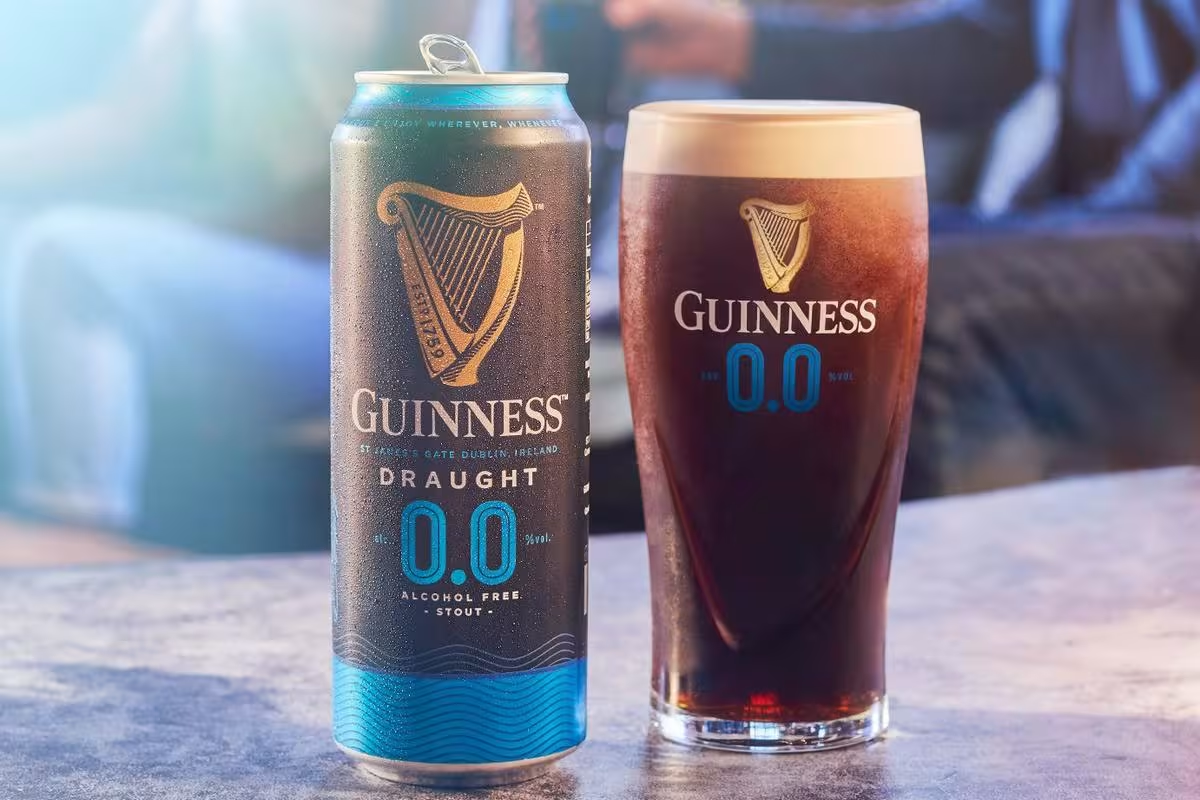
Find alternatives – Stock up on alcohol-free beers, botanical spirits, kombucha, or even just fancy sparkling water with citrus.

Change your routine – If you usually wind down with a glass of wine, swap it for an evening walk, a new book, or herbal tea.

Get support – Encourage friends or family to join you, or connect with online groups taking part.

Remember your “why” – Whether it’s raising money for charity, improving health, or breaking a habit, keep your motivation clear.

Reward yourself – Treat yourself with the money saved—whether that’s a massage, a new gadget, or simply putting it aside for something special.

Beyond October

Some people go back to their usual drinking habits in November, but others find that Sober October inspires longer-term change. You might discover you enjoy alcohol-free socialising more than expected, or that moderation suits you better after the reset.

Even if you return to drinking, the experience often brings a new awareness of how alcohol affects your body and mind.

Final (sober) Thoughts

Sober October is more than a month off booze—it’s a chance to re-evaluate, recharge, and maybe start healthier habits. Whether you’re in it for charity, health, or curiosity, the benefits are hard to ignore.

This October, why not give it a go? You may just surprise yourself with how good sobriety feels.

Firebrand Brewing Co. Collaborates With Blue Balls Cornwall to Create New Non-Alcoholic Hazy IPA for Sober October

Launceston's Firebrand Brewing Co. is delighted to unveil Blue Balls, their new non-alcoholic hazy IPA created in collaboration with Blue Balls Cornwall, the men's cold water swimming group. 

Firebrand Brewing Co will be donating £1 to Man Down, the Cornwall-based men's mental health CIC, for every online order of Blue Balls throughout Sober October.

Joe Thomson, Co-owner and Head Brewer at Firebrand Brewing Co. told That's Food and Drink: “We were approached by Blue Balls Cornwall to create a non-alcoholic beer and we jumped at the chance. 

"Blue Balls has built a supportive community, here in Cornwall, that helps men develop a positive coping mechanism for dealing with mental health issues. 

"Alcohol misuse is often linked to mental health struggles, so offering a healthier, non-alcoholic option reinforces their mission. We will be serving up the new Blue Balls beer at their regular dips. 

"These are sea swimming meet-ups that bring men together in a relaxed, natural setting and we hope this will encourage them to hang out and chat with friends after the swim.”

Blue Balls was set up in Cornwall by two friends, Ross and Tom, who wanted to encourage men across the county to join them and discover the benefits that cold water swimming can have on health and wellbeing, while raising awareness and providing support for men's mental health. 

Tom Mason, co-founder of Blue Balls Cornwall explains: “We're really delighted to be working with Firebrand Brewing Co. and really looking forward to celebrating with a Blue Balls Hazy IPA. Just like a fresh dip in the wild Cornish ocean, our collaboration beer is best enjoyed cold, surrounded by your mates.”

Blue Balls (ABV 0.5%) is a non-alcoholic hazy IPA packed full of fruity flavour. It's the perfect beer to enjoy cold, by the sea, with friends and without the risk of any hangovers. It's also gluten free and vegan friendly and is available from www.firebrandbrewing.co.uk RRP £2.80 per 440ml can. 

Joe finishes: “The statistics around men's mental health and male suicides are incredibly sobering. We are pleased to contribute in some small way to raising awareness for men's mental health and we will be donating £1, for every online order of Blue Balls throughout Sober October, directly to Man Down, the Cornwall-based men's mental health CIC. 

"We hope that, within the Blue Balls community and beyond, sharing a few of our non-alcoholic beers with friends will create a positive environment for supporting each other.”

Firebrand Brewing Co was created in 2012 in a converted milking parlour on the untamed edge of Bodmin Moor, North Cornwall. The idea was born from a passion for beer made from all-natural ingredients, Cornish spring water and American hops. For further information on Firebrand Brewing Co. please visit www.firebrandbrewing.co.uk or follow them on Facebook and Instagram. 

Blue Balls Cornwall is a  men's cold water swimming group that promotes the benefits that cold water swimming can have on health and wellbeing, while raising awareness and providing support for men's mental health. For further information on Blue Balls follow them on Facebook and Instagram.

Man Down is a non-profit Community Interest Company founded in Cornwall, dedicated to supporting men with mental health challenges. Founded by Ross Jackson Hicks, they aim to foster open conversation and break the stigma which surrounds men's mental health, ultimately hoping to reduce the number of male suicides that take place every year. For further information visit https://mandown.org or follow them on Instagram and Facebook.

That's Health: What to Look for in a Good Toothpaste or Mouthwash

That's Health: What to Look for in a Good Toothpaste or Mouthwash: Before jumping into brands, here are some factors to consider: Fluoride content – fluoride helps with preventing cavities and strengthening ...

Monday, 29 September 2025

That's Christmas 365: Get Started Now: Making Personal Christmas Gifts w...

That's Christmas 365: Get Started Now: Making Personal Christmas Gifts w...: Christmas always seems to creep up faster than we expect. One moment it’s summer barbecues, a touch of sunburn and hosepipe bans... and the ...

Sunday, 28 September 2025

Wagyu Beef: From Steakhouse Staple to Burger Bar Buzz

Over the past few years, wagyu beef has moved from a rare, luxury steakhouse item to a full-blown foodie trend — showing up at burger joints, supermarkets, even in cultivated meat experiments. 

What’s driving this shift? And what does it mean for chefs, consumers, and the meat industry in the UK?

What Is Wagyu — And Why the Hype?

Marbling & flavour: Wagyu is famed for its high levels of intramuscular fat — the marbling that gives wagyu its melt-in-the-mouth texture and intense, rich flavour.

Origins vs cross-breeds: Not all “wagyu” is the same. There are full-blood / purebred animals (especially Japanese wagyu), cross-bred cattle, and cattle sired by wagyu bulls (British wagyu etc.). The differences show up in price, flavour, texture.

Grading & provenance: The marbling score (Beef Marbling Scale, BMS) is increasingly used by retailers in the UK to denote quality (e.g. a supermarket wagyu may have a minimum marbling score of 6 out of 9). 

Wagyu’s Growing Footprint in the UK

Several data points show that wagyu is no longer niche:

The number of British wagyu animals born in 2023 more than doubled compared to 2022 — showing both farmer interest and growing demand. 

Retailers are responding: Waitrose has introduced multiple wagyu beef lines (steaks, burgers, meatballs) under its “No.1” range, all with higher marbling scores than many competitors. 

Consumers are searching for wagyu burgers online at much higher rates (Waitrose reported searches up more than 100 %) year-on-year. 

From Steakhouses to Burgers: Where Wagyu Shows Up Now

The wagyu trend is no longer just about premium steaks in upscale restaurants. Here are the spaces where it’s making waves:

Upscale & premium restaurants / steakhouses

Traditional homes for wagyu: premium cuts, special tasting menus. Wagyu brings prestige, and is used to draw in diners looking for an elevated dining experience.

Boutique burger bars and independent butchers

Burgers are the obvious avenue for wagyu crossover — mixing wagyu fat or using patties made wholly from wagyu. Burger lovers get a “better burger” experience, with more flavour, juiciness. Examples include That Fat Cow’s 100 % dry-aged wagyu patties. 

thatfatcow.co.uk

Supermarkets / retail

Wagyu is becoming more accessible at home. Waitrose, for example, now stock wagyu burgers, steaks, meatballs. Consumers can get British wagyu with decent provenance. 

Sustainability & innovation: cultivated meat

UK companies are exploring cultured / cultivated wagyu burgers. Finnebrogue and Ivy Farm Technologies are collaborating to produce cultivated wagyu products, aiming for reduced environmental impact while meeting consumer demand. 

Opportunities & Challenges

Opportunities

Premium at scale: As domestic production ramps up, there’s scope to bring wagyu into more mainstream outlets without the astronomical prices.

Provenance, welfare, traceability: These are strong selling points. Consumers increasingly care where their meat comes from, how animals are raised. British wagyu, or cross-bred cattle reared under higher welfare conditions, have an advantage.

Innovation: Cultivated meat, fat-blends, new cuts—all open up creative paths.

Challenges

Cost: Wagyu is expensive to rear. Feeding, genetics, grading make it inherently costlier.

Consumer education: Not everyone understands the differences (pure vs crossbreed, marbling, cut). There’s potential for marketing to mislead.

Balancing fat and flavour: Because wagyu’s richness comes from fat, chefs and producers need to use it in ways that highlight flavour without overwhelming. Over-cooking can sabotage the texture.

Sustainability & environmental footprint: Meat in general has environmental costs; wagyu’s higher feed/fattening requirements raise concerns. Cultivated / cell-based options are one route, but regulatory, scale, cost hurdles remain.

What It Means for Burgers

Burgers are an interesting “middle ground” in this trend:

They make wagyu more approachable — less of a splurge than a full wagyu ribeye.

They allow for innovation: blends (wagyu + other beef), fat content tweaks, toppings and condiments that complement the wagyu richness.

Good burger authenticity depends heavily on quality of bun, seasoning, cooking method (don’t over-press; get a good sear; let fat render).

But some critics argue that grinding wagyu into patties dilutes the uniqueness — much of what makes wagyu special is the unbroken marbling in whole cuts. So there’s a tension: is a wagyu burger just “wagyu hype” or genuinely a superior taste experience?

Where Wagyu Is Heading Next

Looking forward, here are some likely directions:

More accessible price points for wagyu beef products — as more British production, better supply chains, economies of scale kick in.

Regulatory frameworks for cultivated meat that allow cultured wagyu to enter the market more broadly.

Clearer labelling and grading becoming standard: marbling score, breed, provenance, welfare.

Hybrid products (blends), premium burger joints offering wagyu classes / experiences.

Restaurants & shops capitalising on “wagyu nights” / specials as marketing draws.

Conclusion

Wagyu beef in the UK has shifted from exotic to aspirational to increasingly accessible. What started as luxury steaks are now burger patties, supermarket meatball lines, and the subject of experiments in sustainable meat innovation. 

For consumers, that means more choices; for producers and chefs, more creative possibilities — but also the need to maintain quality, transparency, and value.

If you're a burger lover, a wagyu-fan in the making, or someone curious about meat trends, this is one to watch (and taste).

Where to Try Wagyu Burgers in the UK

SMSH BNSoho, London Smash burgers using wagyu patties (double patties, good bun, full flavour). 

https://www.smsh-bn.com/

YoYo Burger Bristol They offer wagyu among a selection of meats — much of the menu is about hearty burgers with quality. 

yoyoburger.com

IceBurg Preston Use “100% HMC certified Angus & Wagyu” for their wagyu-burger offering. 

https://iceburg.co.uk/

Burger King UK Nationwide Recently launched “The Wagyu” burger: 100% British wagyu beef, flame-grilled, premium style. So wagyu is now entering fast food in a big way. 

TGI Fridays UK Multiple Locations Their “Wagyu Burger” offers a luxury take: 6oz wagyu patty, quality toppings etc. Great for something more casual but still premium. 

tgifridays.co.uk

Wildwood Kitchen have recently launched their waygu burger

wildwoodrestaurants.co.uk

Shops & Kits to Get Wagyu Burgers at Home

If you prefer cooking your own:

London Fine Foods — Wagyu beef burger packs. 

https://www.londonfinefoods.co.uk/

Finnebrogue — Grass-fed wagyu burgers in major supermarkets (Sainsbury’s, Ocado, Costco). 

https://www.finnebrogue.com/

Farmison & Co — Yorkshire Wagyu Steak Burger, made from wagyu sourced from Warrendale. 

https://www.farmison.com/

Farm Shop (Somerset) — Wagyu X burgers (British wagyu-cross), dry-aged, good flavour. 

https://farmshop.co.uk/

Larder London — Full blood steak wagyu burgers (bulk packs or smaller). 

https://larderlondon.com/

Is the Rise of Pea Protein Linked to an Increase in Pea Allergies?

Pea protein has become one of the fastest-growing plant-based ingredients in recent years. It’s found in vegan burgers, dairy-free milks, protein powders, baked goods, and even snacks. 

Touted as a sustainable and allergen-friendly alternative to soy and dairy, it has quickly become a staple in the food and drink industry.

But as its use grows, so do concerns. Some allergists and parents are warning that increased consumption of pea protein may be contributing to a rise in pea allergies. 

So, is there really a link between pea protein and food allergy risk?

Why Pea Protein Is So Popular

Pea protein (usually made from yellow split peas) is:

High in protein and amino acids

Vegan, dairy-free, and soy-free

Gluten-free

More sustainable to grow than many other protein sources

These qualities make it attractive not just to health-conscious consumers, but also to food brands developing plant-based alternatives.

Are Pea Allergies Increasing?

Historically, pea allergies have been rare. However, as exposure rises through processed foods, specialists are reporting more cases being diagnosed – particularly in children.

This reflects a common pattern: the more frequently a food is introduced into the diet, the greater the risk of allergy developing in susceptible people.

The Peanut Connection

Peas and peanuts both belong to the legume family, and research shows they share certain proteins. This means:

Cross-reactivity is possible – people with peanut allergies may also react to peas, and vice versa.

Food labels aren’t always clear. While peanuts are a major allergen under UK and EU law, pea protein is not – making it harder for allergy sufferers to avoid.

Some allergy charities are calling for clearer labelling and regulation around pea protein as it becomes more widely used.

What Experts Are Observing

Allergy clinics in the UK and Europe are seeing more pea protein-related cases.

Severe reactions, including anaphylaxis, have been reported.

With pea protein now common in everything from crisps to milk alternatives, it may be becoming unavoidable in modern diets.

Still, researchers stress that more studies are needed before concluding that pea protein itself is directly driving an allergy surge.

What Consumers Should Do

If you have a known peanut or legume allergy, or suspect a sensitivity:

Read ingredient labels carefully – look for “pea protein isolate”, “pea flour”, or “hydrolysed pea protein”.

Ask brands and restaurants about hidden pea protein in plant-based foods.

Seek advice from an allergist if you notice symptoms after eating pea-containing products.

The Takeaway

Pea protein has huge benefits for sustainability and nutrition, but its rapid adoption could be fuelling a quiet rise in allergies. Whether or not it becomes a recognised “major allergen” in the UK will depend on further research – but for now, awareness is key.

As plant-based eating becomes mainstream, manufacturers, regulators, and consumers may need to strike a balance between embracing innovation and protecting those at risk.

Friday, 26 September 2025

NAD+ Supplements: Benefits, How to Take Them, and Are They Safe?

Discover the benefits of Nicotinamide Adenine Dinucleotide (NAD+) supplements. Learn what NAD+ is, how it supports energy and ageing, the best ways to take it, and whether it’s safe.

What is Nicotinamide Adenine Dinucleotide (NAD+)?

Nicotinamide Adenine Dinucleotide, better known as NAD+, is a vital coenzyme found in every cell of the body. It helps convert food into energy, supports healthy cell function, and plays a key role in DNA repair and brain health.

Unfortunately, NAD+ levels decline with age, which may contribute to fatigue, slower metabolism, and the visible signs of ageing. That’s why NAD+ supplementation is growing in popularity as a way to support energy, focus, and healthy ageing.

What Are the Benefits of NAD+ Supplements?

NAD+ supports many essential processes in the body, including:

Energy Production – Converts carbohydrates, fats, and proteins into cellular energy (ATP).

DNA Repair – Activates sirtuins and PARPs, enzymes that repair DNA damage.

Brain Health – May help protect against age-related cognitive decline.

Cell Protection – Reduces oxidative stress and supports the immune system.

This is why NAD+ supplements are often promoted for:

Anti-ageing support

Increased energy and focus

Muscle recovery and endurance

Long-term cellular health

How Do You Take NAD+?

You can’t take NAD+ directly as it breaks down too quickly in the body. Instead, supplements provide precursors that are converted into NAD+:

NMN (Nicotinamide Mononucleotide)

NR (Nicotinamide Riboside)

Both are widely available as capsules or powders. Some wellness clinics also offer NAD+ IV drips, but these are more expensive and invasive.

Typical dosage: 250mg–1000mg daily, usually taken in the morning.

Do NAD+ Supplements Really Work?

The science is still developing, but results are encouraging:

Early human studies suggest possible benefits for energy metabolism, exercise endurance, and mental clarity.

Many users report increased focus, better sleep, and reduced fatigue, though experiences vary.

At present, there’s no definitive proof that NAD+ supplements reverse ageing, but research is moving in a promising direction.

Are NAD+ Supplements Safe?

So far, NMN and NR supplements appear to be safe and well tolerated in healthy adults. Reported side effects are mild and uncommon, including:

Nausea or digestive upset

Headaches

Fatigue in some cases

Because long-term studies are limited, safety over many years is still unknown. If you are pregnant, breastfeeding, taking medication, or managing a health condition, speak to your GP before starting NAD+ supplements.Should You Take NAD+?

NAD+ is one of the most exciting areas of longevity research, but supplements are not a magic bullet. They may provide extra support for energy and healthy ageing, but they should be used alongside a healthy lifestyle that includes:

A balanced diet

Regular physical activity

Quality sleep

Stress management

Bottom line: NAD+ supplements (NMN or NR) are safe for most people and may help boost energy and support long-term health. They’re worth considering if you’re curious about anti-ageing nutrition—but keep expectations realistic, as research is ongoing.

If you would like to buy NAD+ supplements please visit https://amzn.to/3KItnXx

Celebrating World Vegetarian Day: A Taste of Compassion and Health

Every year, on 1st October, people around the world mark World Vegetarian Day, a day dedicated to promoting the benefits of vegetarianism—for our health, the environment, and the well-being of animals. 

Whether you’re a committed vegetarian or just curious about plant-based eating, this day offers a perfect opportunity to explore delicious, wholesome alternatives to meat and celebrate a lifestyle rooted in compassion.

The Origins of World Vegetarian Day

World Vegetarian Day was established in 1977 by the North American Vegetarian Society and is now recognised globally, kicking off Vegetarian Awareness Month. The aim is to raise awareness about the nutritional, ethical, and ecological advantages of vegetarian diets.

Why Go Vegetarian (Even Just for a Day)

Health Benefits: Research shows that plant-based diets can reduce the risk of heart disease, certain cancers, diabetes, and obesity. Filling your plate with colourful vegetables, fruits, whole grains, and legumes provides essential nutrients while keeping your meals low in saturated fat.

Environmental Impact: Reducing meat consumption can significantly lower your carbon footprint. Livestock farming is a major contributor to greenhouse gas emissions, deforestation, and water use. Choosing plant-based meals supports a more sustainable planet.

Animal Welfare: For many, vegetarianism is a compassionate choice. By choosing plant-based foods, we reduce the demand for factory-farmed meat, promoting kinder treatment of animals.

How to Celebrate World Vegetarian Day

1. Try a Meat-Free Menu

Experiment with vegetarian meals at home or visit a local vegetarian-friendly restaurant. In the UK, many supermarkets now offer a wide range of plant-based ready meals, meat alternatives, and vegan cheeses.

2. Host a Vegetarian Gathering

Turn the occasion into a social event. A vegetarian coffee morning, brunch, or dinner party can introduce friends and family to the joys of plant-based cooking. Share recipes and swap tips for cooking without meat.

3. Explore Global Flavours

Vegetarian cuisine is as diverse as the world itself. From Indian dal and samosas to Mediterranean mezze or Thai green curry, there’s no shortage of inspiration. Use World Vegetarian Day to try a new recipe from another culture.

4. Learn and Share

Educate yourself about the benefits of vegetarian diets and share your knowledge on social media or in your community. Even small changes, like reducing meat consumption once or twice a week, can make a big difference.

Delicious Ideas to Get Started

Chickpea and Spinach Curry – hearty, protein-packed, and bursting with flavour.

Mushroom and Walnut Wellington – perfect for a special occasion.

Roasted Vegetable and Quinoa Salad – quick, healthy, and colourful.

Sweet Potato and Lentil Soup – warming and comforting on autumn evenings.

Make It a Habit, Not Just a Day

World Vegetarian Day is more than a single celebration. It’s a chance to rethink our food choices and embrace a lifestyle that is healthier for us and the planet. Whether you go fully vegetarian or simply explore new plant-based meals, every step counts.

Hackstons Unveils Unique Autumn Season of World-Class Whisky & Wine Tastings

Hackstons Knightsbridge, the luxury whisky and fine wine specialist, has unveiled its most ambitious Autumn programme yet.

Today they unveil a season of curated tastings and immersive cultural experiences designed to position the flagship store as one of London’s most exclusive destinations this autumn.

Timed to coincide with the capital’s peak cultural season from Frieze London and the autumn art fairs to London Fashion Week Hackstons has created an inviting atmosphere as the autumn days grow colder.

Since opening a little over a year ago, Hackstons has become a gathering place for collectors, connoisseurs, and tastemakers. 

Now, with a calendar of events that merges rarity, artistry, and indulgence, the Knightsbridge landmark cements itself firmly within London’s luxury landscape.

The programme unfolds as a series of high-concept experiences. Guests are invited to step behind the curtain of one of Japan’s most iconic blends with a deconstruction of Hibiki; to challenge tradition in a bold Grand Cru, Drive Thru’ that pairs Bordeaux first growths and legendary vintages with fast food indulgence; and to savour liquid history through Diageo’s fabled Prima & Ultima collection - a portfolio valued at over £15,000, offered in an intimate pour seldom experienced beyond the walls of collectors’ cellars.

As the season deepens, the narrative shifts into fireside comfort with explorations of sherry and port that trace centuries of Iberian winemaking heritage.

Johnnie Walker Blue is reimagined through rare ghost distillery expressions - long closed but brought back to life in exquisite blends rarely poured outside the inner circle of whisky collectors.

And in one of the most innovative events of the calendar, Fettercairn stages a multi-sensory journey where guests are blindfolded, immersed in curated soundscapes, and even invited to paint their own tasting notes in watercolour, before leaving with a personalised collectible as a lasting memento.

Completing the season is Liquid Masterpieces, a concept that fuses the visual and the gustatory, pairing extraordinary drinks with inspiration from the world’s most celebrated artists, inviting guests to sip, savour, and see flavour as art.

Extending beyond the store itself, Hackstons has partnered with The Aubrey at Mandarin Oriental Hyde Park for an exclusive corkage collaboration. From 22 September to 14 November, guests may bring their Hackstons purchases into one of Knightsbridge’s most acclaimed Japanese dining destinations, enjoying their bottles in a setting as refined as the spirits themselves.

Hackstons Knightsbridge was always designed to be more than a store, it’s a destination,” said Alphie Valentine, Co-Founder and Director told That's Food and Drink.

“This autumn’s programme shows the breadth of what Hackstons stands for, from pouring rare whiskies valued at £15,000 to pairing Grand Cru with fries, we’re challenging expectations while staying true to our mission of making fine and rare spirits accessible, exciting, and memorable. To turn one and already be recognised as one of the UK’s most promising newcomers proves that Hackstons is creating something truly special.”

Hackstons’ autumn events are fully ticketed, with prices beginning at £75. Attendance is limited to preserve exclusivity and intimacy. For the full programme or to secure a place, visit hackstons.com/events.