
Food and drink news for the discerning consumer
Monday, 8 December 2025
That's Christmas 365: An 8,000 mile Journey to your Christmas Table. Tum...
That's Christmas 365: An 8,000 mile Journey to your Christmas Table. Tum...: This is a gin like no other you will have ever tried. It's literally a Gin from the Edge of the World. Tumbledown Gin is crafted in the ...
That's Christmas 365: How to Ensure You Produce the Perfect Roast Potato...
That's Christmas 365: How to Ensure You Produce the Perfect Roast Potato...: There are few dishes as universally adored on the Christmas table as crisp, golden, fluffy-centred roast potatoes. They’re the element so m...
That's Christmas 365: Why Tenzing Drinks Are Ideal for Getting You Throu...
That's Christmas 365: Why Tenzing Drinks Are Ideal for Getting You Throu...: Stay energised this Christmas and New Year with Tenzing Natural Energy. Discover why its clean ingredients, natural caffeine and hydration s...
Saturday, 6 December 2025
Creatine: Why We Should Take It – and the Everyday Foods That Contain It

Creatine has become one of the most widely discussed supplements in the world of fitness, health, and general wellbeing.
While it’s often associated with bodybuilders or competitive athletes, creatine is actually something most of us use every day without realising it.
Our bodies make it naturally, we get it through ordinary foods, and supplementing with it can offer benefits far beyond simply helping with a gym session.
Below, we explore why creatine matters, how to take it safely, and which foods naturally contain it.
What Is Creatine?
Creatine is a compound made from three amino acids, arginine, glycine, and methionine. It helps your muscles and brain produce energy quickly, especially during moments of high demand such as lifting something heavy, sprinting for the bus, or concentrating intensely on a complex task.
The body stores creatine in the muscles as phosphocreatine, which is used to regenerate ATP – our main energy source. This is why creatine is so popular for strength and performance, but it has much wider benefits too.
Why Consider Taking Creatine?
1. Improved Strength and Muscle Performance
Creatine can increase your ability to produce short bursts of power. Studies show it helps improve strength, speed and endurance during high-intensity exercise. This is why it’s loved by athletes, but even everyday gym-goers often notice the difference.
2. Supports Brain Health
Emerging research suggests creatine may help support cognitive performance, particularly during sleep deprivation or stressful mental tasks. The brain also relies heavily on ATP, so having more available energy can make a noticeable impact.
3. Helps Maintain Muscle as We Age
Creatine is increasingly recommended for older adults. It can support muscle retention, which helps maintain mobility, balance and quality of life as we get older.
4. May Aid Recovery
Some studies indicate creatine may reduce muscle soreness and inflammation after exercise, making it useful for both athletes and those who exercise lightly but regularly.
5. Safe and Well-Researched
Creatine monohydrate is one of the most-tested supplements on the planet. When used properly, it is generally considered safe for healthy adults.
How to Take Creatine Safely
Recommended Dose
Most people take 3–5g of creatine monohydrate per day.
This is enough to keep your muscles fully saturated over time without the need for a “loading phase”.
Loading Phase (Optional)
Some choose to load creatine to see quicker results:
20g per day split across 4 doses for 5–7 days,
followed by 3–5g per day thereafter.
This isn't essential, but some people find they experience the benefits faster.
When to Take It
The timing isn’t critical. You can take it:
in the morning,
with food,
after exercise,
or whenever suits your routine.
Taking creatine with a meal that contains carbohydrates or protein may help absorption.
How to Take It
Creatine monohydrate dissolves easily in:
water,
fruit juice,
a protein shake,
or yoghurt.
Choose a creatine monohydrate product, ideally with a simple ingredient list.
Who Should Avoid Creatine?
Creatine may not be suitable for people with certain pre-existing kidney conditions. Anyone with a medical condition or taking prescribed medication should speak to their GP or pharmacist before beginning supplementation.
Foods That Naturally Contain Creatine
Creatine is found mainly in animal-based foods, particularly meat and fish. Cooking can reduce the creatine content slightly, but they still provide a useful daily intake.
Here are the richest sources:
Beef
One of the best natural sources.
A typical 450g of raw beef contains roughly 1g of creatine.
Pork
Similar to beef, pork provides a steady supply of natural creatine.
Fish
Certain fish are especially rich, including:
Herring – one of the highest natural sources
Salmon
Tuna
Chicken and Turkey
These contain lower amounts than red meat, but still contribute to your daily intake.
Dairy and Eggs
These contain small amounts, but much less than meat and fish.
Plant Foods
Creatine is not naturally found in plant foods, which is why vegetarians and vegans often have lower baseline creatine levels and may benefit particularly from supplementation.
Should You Take a Creatine Supplement?
You may consider supplementation if you:
want more energy for workouts
want to build or maintain muscle
feel mentally drained or need help with focus
follow a vegetarian or vegan diet
are looking for a well-researched supplement to support healthy ageing
Most people find creatine simple, affordable, and easy to incorporate into their routine.
Final Thoughts
Creatine isn’t just for athletes, it’s a natural compound that plays a vital role in how we move, think and maintain strength. Whether you get it through food or choose to take a daily supplement, creatine can support your health in a wide range of helpful ways.
If you’re thinking of adding creatine to your routine, start with a low daily dose, drink plenty of water, and speak to a healthcare professional if you have any existing health concerns.
That's Christmas 365: When Poundland Closes Its Doors: A Christmas Heart...
That's Christmas 365: When Poundland Closes Its Doors: A Christmas Heart...: For many households across Britain, Christmas begins with a trip to Poundland. It’s where we pick up the glittery wrapping paper, the surpr...
That's Business: Old Skool Bus Events shortlisted in TWO categories...
That's Business: Old Skool Bus Events shortlisted in TWO categories...: Kate Packham with chefs Libby and Nik Old Skool Bus Events has today announced that they are finalists in the prestigious Festival Supplier...
That's Christmas 365: Are German Christmas Markets in the UK Really “Rip...
That's Christmas 365: Are German Christmas Markets in the UK Really “Rip...: Every November and December, UK cities burst into life with twinkling chalets, the scent of sizzling bratwurst and sweet Glühwein drifting t...
Friday, 5 December 2025
That's Christmas 365: Why Waitrose Is the Most Expensive and One of the ...
That's Christmas 365: Why Waitrose Is the Most Expensive and One of the ...: Discover why Waitrose remains one of Britain’s busiest supermarkets despite being the most expensive, exploring its focus on quality, custom...
Discovering Austrian Soft Drinks: A Taste of the Alps from cans.com
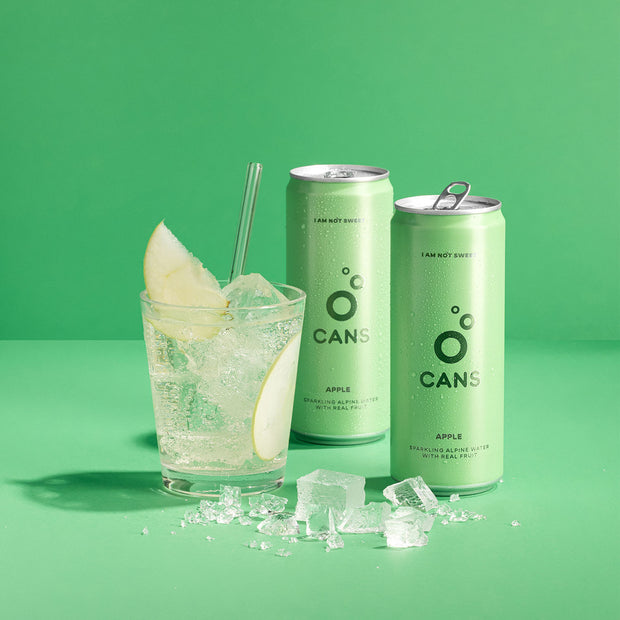
The range contains no added sugar, no sweeteners and absolutely nothing artificial whatsoever!
Flavours that are available are: Apple, Lemon, Cherry and Mango. And you can really taste the fruits in them.
But they aren't cloyingly sweet like many sparkling spring water drinks, in fact they make sure on the cans that you know that "They are not sweet" but they are certainly very fruity.
We'd recommend that you get some in for your Christmas drink cabinet.
You can get a 12 can starter pack at £17.99 and they will be available here at https://cans.co.uk.
Thursday, 4 December 2025
Celebrating National Biscuits and Gravy Day – A UK Take on a Classic American Comfort Dish

For many of us Brits, however, the phrase “biscuits and gravy” still raises an eyebrow. Biscuits… with gravy? At breakfast? What on earth?
Once you get past the linguistic differences, this hearty Southern staple is actually rather delicious. And surprisingly adaptable to a British kitchen.
Today, let’s explore the dish, its roots, and how you can enjoy a UK-friendly version at home.
What Are American Biscuits, Anyway?
In the UK, a biscuit is a Hobnob, Digestive or custard cream. In the US, a “biscuit” is something entirely different:
Soft, fluffy, and closer to a savoury scone without the sugar
Made with buttermilk, self-raising flour, and cold butter
Served warm, split open, and often soaked in a creamy sauce
Once understood in those terms, biscuits and gravy becomes far less bizarre – and far more tempting.
The Gravy: Creamy, Savoury, and Hugely Comforting
The traditional gravy is sausage gravy: a white, peppery sauce made by frying crumbled breakfast sausage, adding flour, and whisking in milk. It’s thick, rich, mildly spiced, and tailor-made for a cold winter morning.
From a British perspective, it’s somewhere between a béchamel and a sausage casserole sauce — but poured generously over warm scones. Strange? A little. Comforting? Absolutely.
Why Biscuits and Gravy Has Taken Off on Social Media
Food creators love its:
Cosy, wintry look – perfect for December content
Budget-friendly ingredients
Homely nostalgia factor
Brunch crowd appeal
And increasingly, UK foodies are curious to try it themselves.
A UK-Friendly Version You Can Make at Home
Want to celebrate National Biscuits and Gravy Day without hunting down American ingredients? Here’s a simple adaptation:
The “Biscuit”
Use plain scones (not fruit scones!) or make quick drop scones without sugar. Adding a pinch of baking powder and working the dough lightly gives you the soft, fluffy texture needed.
The Gravy
Fry crumbled Lincolnshire or Cumberland sausage meat in a pan.
Add a tablespoon of flour and cook for a minute.
Slowly whisk in whole milk until thick and glossy.
Season generously with black pepper and a pinch of smoked paprika.
Pour over warm scones and enjoy with a fork. Yes, it’s unconventional — but so was salted caramel once!
Where to Find Biscuits and Gravy in the UK
A few places now offer it, especially in larger cities:
American-style diners in London, Manchester and Birmingham
Independent brunch cafés with US-inspired menus
Occasional pop-ups at street food markets
If you're curious, check your nearest brunch spot — it appears on more UK menus each year.
Why It’s Worth Celebrating
National Biscuits and Gravy Day is a gentle reminder that:
Comfort food transcends borders
Breakfast can be playful
Trying something unfamiliar often leads to fantastic discoveries
And with winter firmly settled in, a dish that’s warm, creamy, filling and inexpensive suddenly feels very British indeed.
Biscuits and gravy may never replace a bacon butty or a full English, but as a once-a-year indulgence it’s delightful, especially when given a UK twist. If you’ve never tried it, this is the perfect day to give it a go.
In fact, we think that you should be able to make Christmas-themed versions using Christmas savoury spices to serve with your Christmas dinner.
Subscribe to:
Posts (Atom)