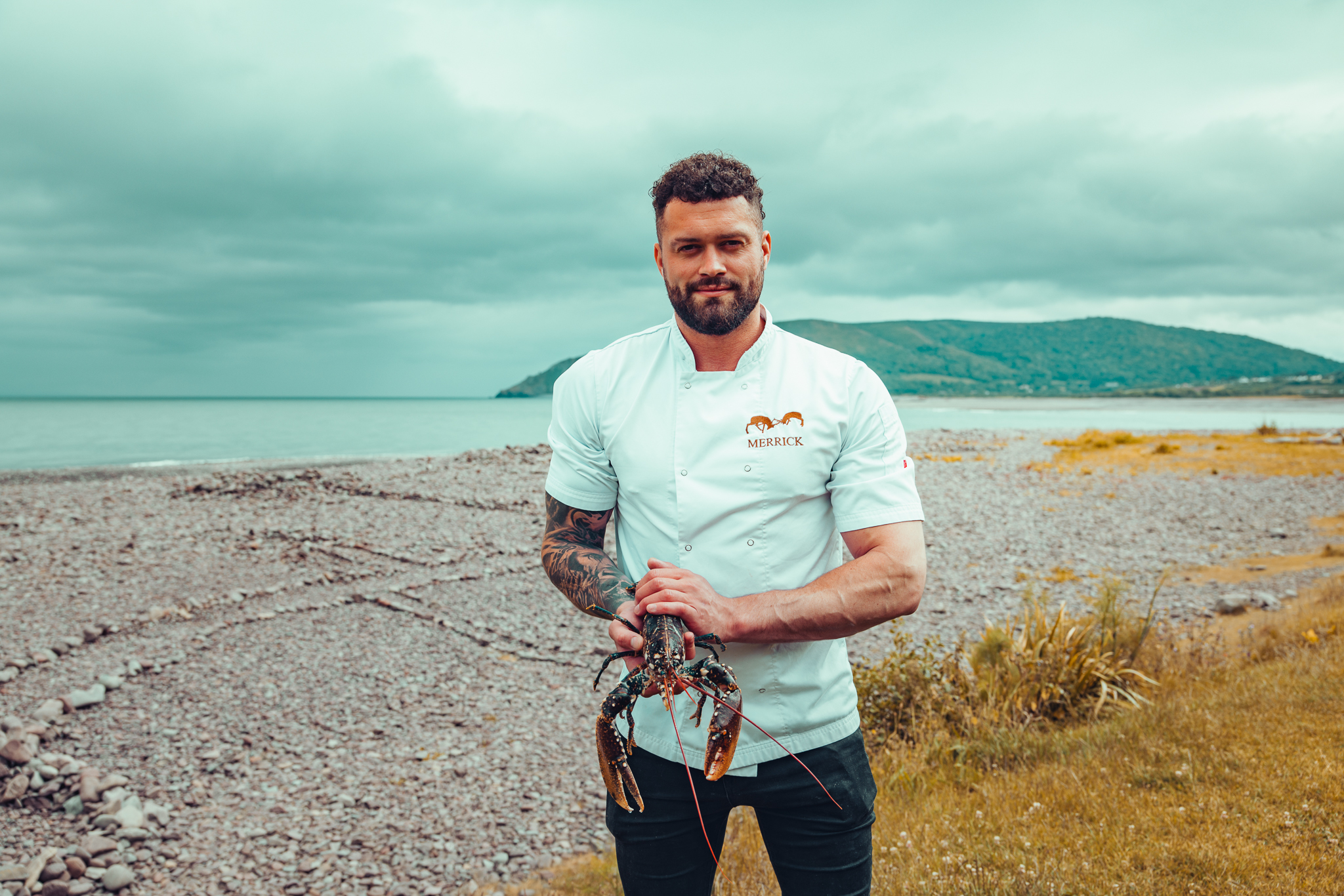
From boiling alive to freezing and live dismemberment, outdated methods of killing crabs and lobsters are being rejected by major supermarkets like Marks & Spencer, Waitrose, and Sainsbury’s.
But while some retailers are taking action, others are lagging behind, allowing cruel practices to continue.
Some supermarkets step up, others fail to act
Since decapod crustaceans - including seafood favourites lobsters, crabs and prawns - were legally recognised as sentient beings back in 2022, supermarkets and seafood producers have faced growing pressure to improve welfare standards.
The Snapshot Report 2024, released today by animal welfare organisation Crustacean Compassion, reveals while some retailers and suppliers are making significant improvements, others are failing to ban cruel practices like boiling animals alive, tearing them apart whilst they are alive and freezing them whilt they are conscious.
Growing momentum for better welfare
Dr. Ben Sturgeon, who is the CEO of Crustacean Compassion, welcomed the progress but warned some companies are still failing to act.
Said Dr. Sturgeon: “There's been some progress in the welfare policies and processes of organisations since our first report in 2022. We've seen some companies really striding ahead, and for the first time seafood processors have overtaken retailers on their overall scores.
"The best companies are proving that cruelty is outdated—but too many are still looking the other way. Crabs, lobsters, and prawns feel pain, yet they are still being boiled alive, mutilated, and stored in cruel conditions. The message is clear: companies must adapt or lose consumer trust”.
This is reflected in recent polls by YouGov (2025). All sections of the public shows strong support for enhanced protections for decapod crustaceans, with 71% backing a duty of care for owners, 75% supporting humane slaughter methods, and 70% supporting regulated humane transport and slaughter standards.
Who’s leading the way and who’s falling behind?
This year’s report highlights the fact that leading supermarkets like Marks & Spencer, Waitrose, Sainsbury’s, and Tesco are making some genuine progress, introducing higher welfare policies and insisting on humane stunning before slaughter for at least some parts of their supply chain.
“There are some shining examples, Marks & Spencer, and seafood processors Young’s Seafood have demonstrated that with the right focus, leadership and attention, huge progress can take place.
"But many others are languishing behind and it’s disappointing to see some food producers and supermarkets are making no, or very little progress when others are clearly demonstrating that improvement is possible.
"Particularly in relation to poor practices in capture and storage, as well as the mutilation of live animals. I suspect most people think these practices are already banned and on hearing this report today, people would expect all supermarkets and food producers to phase them out as quickly as they can."
Key highlights:
Marks & Spencer and Young’s Seafood lead with strong commitments to humane stunning and slaughter.
More than two-thirds of companies have improved their scores since 2023, including Waitrose, Tesco, Sainsbury’s, Ocado, Morrisons, Co-op, Lidl, and processors The Blue Sea Food Company and Whitby Seafoods.
Sadly, ALDI, Amazon, ASDA and Iceland remain among the worst performers, failing to act on welfare concerns.
Dr. Sturgeon added: “Consumers expect humane treatment of all animals in the food chain. Companies refusing to improve risk losing public trust and, ultimately, their place in shopping baskets. According to our recent survey (Apino 2024), 87.1% of respondents believe supermarkets should be responsible for upholding the highest animal welfare standards for all sentient animals.”
Marks & Spencer: welfare leaders
Marks & Spencer continues to set the standard in decapod welfare, showing consistent improvements since the initiative began in 2022. Led by Aquaculture & Fisheries Manager Linda Wood, the company is widely recognized for its proactive approach on higher welfare practices in seafood.
Linda Wood says: “We have the highest animal welfare standards in the industry and for us ensuring these standards is the right thing to do and part of the exceptional quality that sets M&S apart. This year, we’ve seen amazing collaboration with multiple partners finding new innovations to improve the welfare standards for all decapod crustaceans caught and farmed for M&S. The engagement we’ve had from our supply chain in a relatively short space of time is really encouraging. We have achieved a lot but there is much more to do, and we require the continued collaboration of the whole industry to be successful.”
What needs to change?
Crustacean Compassion is calling for urgent industry-wide commitments:
Ban barbaric practices: End live boiling, live posting, and claw clipping.
Ensure humane stunning: No animal should suffer prolonged deaths.
Increase transparency: Supermarkets must report on welfare policies.
Stop selling live crabs and lobsters: Most leading retailers have already banned this - others must follow.
Time for action
Dr. Sturgeon concluded: “The Snapshot Report shows that positive change is happening - but it’s not fast enough. Some companies are proving higher welfare standards are possible - so there are no excuses for those still failing to act. The seafood industry must evolve and leave cruelty behind. We are keen to support companies to help them make the improvements and have been working with many in the report already.
"Our challenge to the food industry today is to do more to create a better sea to plate story for lobsters, crabs and prawns. Step up and demonstrate that you are an industry that respects people, animals and the planet”