Wikipedia

Search results

Showing posts with label water. Show all posts

Saturday, 22 November 2025

How to Help a Constipated Cat at Home

Caring for our pets goes hand in hand with caring for ourselves, and anyone who’s shared a home with a cat knows how worrying it can be when they’re not quite themselves. 

Constipation is a fairly common problem in felines, and while severe cases must always be seen by a vet, mild bouts can often be helped safely at home.

If your cat has been straining in the litter tray or hasn’t passed a stool for a little while, here’s a practical guide to easing mild constipation and keeping your furry friend comfortable.

What Are the Signs?

Cats can be subtle, but the clues are often there. Look out for:

Straining or repeatedly visiting the litter tray

Small, dry, pellet-like stools

A dip in appetite

Seeming uncomfortable when lying down

A firm or slightly swollen tummy

A generally grumpy or lethargic mood

If your cat is also vomiting, refusing food entirely, or seems in significant pain, contact your vet straight away.

Gentle Ways to Help at Home

1. Boost Hydration

Water plays a huge role in healthy digestion. To encourage your cat to drink more:

Offer multiple fresh water stations around the house

Use ceramic, metal, or glass bowls rather than plastic

Consider a cat water fountain—many cats adore running water

Add a little water to wet food to increase moisture

2. Add More Wet Food

Wet food is naturally hydrating and easier to digest. Even mixing a portion of wet food into your cat’s usual diet can soften stools and get things moving again.

3. Introduce a Small Amount of Fibre

A touch of fibre can help, provided your cat is drinking enough. Safe options include:

A teaspoon of plain pumpkin purée (but no pie filler)

A tiny pinch of psyllium husk mixed thoroughly into food

Veterinary gastrointestinal diets designed to aid digestion

Introduce fibre gradually—too much too quickly can backfire.

4. Encourage a Little Activity

Even a short burst of play can stimulate the digestive system. Try:

Wand toy

Feather teasers

Light chase games

Puzzle feeders to keep their mind and body moving

5. Create a Stress-Free Litter Tray Area

Cats are particular about their toilets. Make sure:

The tray is clean and easy to reach

There are enough trays—ideally one per cat, plus one spare

The litter is unscented and comfortable underpaw

A relaxed cat is far more likely to use the loo comfortably.

6. Only Use Vet-Approved Stool Softeners

Never give human laxatives—they’re unsafe for cats. Your vet may recommend a precise dose of a feline-friendly option like lactulose or liquid paraffin, but always seek advice before using any medication.

When to Seek Veterinary Help

While mild constipation can often be eased at home, there are times when only a vet will do. Call your vet if:

There have been no stools for 48 hours or more

Your cat is vomiting, refusing food, or appears bloated

You suspect they may have swallowed something

Constipation happens regularly

Your cat has an underlying health condition

Prompt attention helps prevent complications such as megacolon, which can be serious.

A constipated cat can be a worrying sight, but gentle adjustments at home—boosting hydration, improving diet, encouraging movement, and reducing stress—often help things improve. Keep an eye on litter tray habits and trust your instincts: you know your pet better than anyone.

Thursday, 25 September 2025

Struggling with your water bill? The Big Difference Scheme could help

Households across the Severn Trent region could receive up to £390 per year off their water bill thanks to the Big Difference Scheme, a programme designed to support people on a low income.

The scheme is funded by Severn Trent and offers reduced water charges for eligible households, making essential services more affordable during the cost-of-living crisis.

Rising household costs are putting pressure on families and individuals. The Big Difference Scheme provides crucial relief for those who may be struggling to make ends meet or for those in need of extra support.

Who can apply?

The Big Difference Scheme is open to households served by Severn Trent Water with a low household income. Eligibility is assessed through a simple online application, and if successful, the reduction is applied directly to the household bill.

How to apply

An application form can be completed on: www.bigdiff.co.uk

The applicant will be notified if they are eligible, and the discount will be applied directly to the Severn Trent account.

Extra support for individuals

Severn Trent also runs a Priority Services Register, offering additional help to customers with medical conditions, disabilities, or other needs. This ensures extra care and assistance during supply interruptions. Customers can register at: stwater.co.uk/priorityservices.

The scheme is administered on Severn Trent’s behalf by Auriga Services, a not-for-profit whose mission is to help individuals through life’s challenges.

Tuesday, 2 September 2025

Water Poverty Alleviation Charity Starts Fundraising Plan for The Last Quarter of 2025

Herefordshire's water poverty alleviation charity, Hope Spring, unveiled its plan for the last quarter of 2025 recently. 

In a blog post on their website, the water, sanitation and hygiene (WASH) charity said the last four months of the year tend to be the busiest for fundraising.

The organisation wrote that September is widely recognised as the busiest month for birthdays in the UK, with more people born during this time of year than any other.

 A number of people marking or celebrating their birthday in September tend to send an online birthday card and make a donation to Hope Spring. From this starting point in autumn, the momentum builds steadily towards Christmas and New Year, when greeting eCard exchanges reach their peak and donations provide an even bigger boost to the charity’s projects.

“Every card sent in these months does more than mark a personal milestone or festive occasion,” a spokesperson for Hope Spring told That's Food and Drink.

“It helps provide something as fundamental as safe water. That means a reduced risk of waterborne illness, it means children can stay in school rather than spending hours fetching water, and it means women and girls can reclaim time and dignity. That’s why we say our eCards are the gift that gives twice.”

Hope Spring points to the final quarter as its most impactful period for a reason. The donations raised through eCards during these four months often set the pace for the projects the charity can carry out in the following year. Whether it is drilling boreholes, constructing wells, or providing hygiene and sanitation education, the funding stream opened by September birthdays and strengthened by the festive season makes the difference between scaling back or expanding life-saving interventions.

The September birthday surge provides a unique entry point. With data consistently showing that the latter half of September has the highest number of birthdays in the UK, the charity highlights this as more than a coincidence. For Hope Spring, it becomes a timely opportunity to encourage people to switch from traditional paper birthday cards to eCards. Doing so turns what might otherwise be a fleeting exchange into a meaningful contribution to a clean water project thousands of miles away.

Beyond the human impact, Hope Spring also stresses the environmental argument. Each year, the UK sends and receives hundreds of millions of physical cards, most heavily concentrated around Christmas. While many of these cards are recycled, a significant proportion end up as waste. The production process itself consumes vast quantities of paper, ink, and energy. By contrast, an eCard not only sidesteps this environmental cost but channels the money saved into something tangible, safe drinking water.

“People often underestimate the ripple effect of small choices,” Emmanuel, one of the charity spokespeople added. “When you swap a paper card for a digital one, you are not just cutting down on waste. You are actively helping a rural community that may have struggled with unsafe water for generations. That one decision can spark a chain of positive impact far greater than the sender might imagine.”

As autumn deepens, the charity sees a steady increase in activity on its eCards platform, often tied to seasonal greetings. By December, the trend peaks. The Christmas period has become not only a time of celebration but also the charity’s busiest fundraising window of the year. For many supporters, the decision to send Christmas wishes digitally rather than on paper has become an annual tradition, one that combines thoughtfulness towards the environment with generosity towards vulnerable communities.

The New Year period follows closely behind, extending the cycle of giving into January. For Hope Spring, this creates a continuous wave of support that carries into the early months of the next year, ensuring clean water projects are not just started but sustained.

While the focus is on fundraising, the charity is careful to frame the message in terms of empowerment rather than charity alone. Each donation, no matter how small, contributes to independence for communities who gain the tools and infrastructure to take control of their water needs. Hope Spring’s model emphasises sustainability, training local residents to maintain and repair wells and boreholes, ensuring projects remain viable for years after installation.

The charity believes that this final quarter of 2025 will be especially significant. With growing public awareness of both environmental issues and global inequality, the link between sending greetings and giving back resonates more strongly than ever. A birthday card in September, a Christmas greeting in December, or a New Year’s wish in January, each becomes more than a token of affection. It becomes a way to stand in solidarity with families who are otherwise left behind by global progress.

In a climate where many are seeking meaningful ways to celebrate without excess, the Hope Spring eCards platform has become a symbol of simplicity with purpose. The act of sending a card remains as personal and heartfelt as ever, but now carries with it the weight of making a tangible difference.

“Hope Spring eCards are proof that generosity does not have to be grand to be transformative,” Seun, a spokesperson concluded. “Something as small as a birthday card or a Christmas greeting can be the reason a child drinks clean water for the first time, or the reason a family no longer walks miles under the hot sun to collect unsafe water. That is the scale of impact hidden inside what looks like a simple gesture.”

As the year draws to a close, Hope Spring invites birthday well-wishers, festive celebrants, and New Year greeters alike to consider turning their words into action through digital cards. With every eCard sent, the charity says, joy reaches not just the inbox of a loved one but also the heart of a community waiting for safe, life-changing water. 

https://www.hopespring.org.uk

Tuesday, 12 August 2025

Beating Britain’s August Heatwave: How to Ward Off Dehydration

When Britain basks in an August heatwave, it can be a glorious break from grey skies, but the soaring temperatures also bring a hidden danger: dehydration. 

Staying hydrated isn’t just about quenching your thirst; it’s essential for your body’s ability to regulate temperature, keep your mind sharp, and maintain overall health.

Here’s how to keep dehydration at bay during the hot spell.

1. Drink Before You’re Thirsty

By the time you feel parched, you may already be mildly dehydrated. Aim to sip water regularly throughout the day – even if you’re indoors. A reusable water bottle can be your best friend; keep it nearby and refill often.

2. Choose the Right Drinks

Water is your number one choice, but you can also stay hydrated with:

Herbal teas (mint or chamomile served iced are refreshing)

Diluted fruit juice for flavour and vitamins

Electrolyte drinks if you’ve been sweating a lot during outdoor activities

Avoid too much coffee, tea, or alcohol, as they can have a mild diuretic effect.

3. Eat Hydrating Foods

Around 20% of our daily fluid intake comes from food. Include:

Watermelon, cucumber, and strawberries

Oranges and peaches

Salads with leafy greens and tomatoes

These not only boost hydration but also provide essential minerals, too.

4. Keep Cool Indoors and Out

Your hydration needs rise the hotter you get. To reduce sweat loss:

Close blinds during the hottest part of the day

Use fans or air conditioning where possible

Wear loose, breathable fabrics

5. Watch for Early Signs of Dehydration

Don’t ignore symptoms such as:

Dry mouth or lips

Dizziness or headaches

Unusually dark urine

Fatigue or irritability

If you notice these signs, rest in the shade, cool down, and drink fluids immediately.

6. Remember Vulnerable Groups

Young children, the elderly, and people with certain medical conditions are more susceptible to dehydration. Check on neighbours, relatives, and friends to ensure they’re drinking enough and keeping cool.

Final Thoughts

The British heatwave can be enjoyable if you take sensible precautions. Stay ahead of dehydration by sipping water regularly, eating hydrating foods, and keeping your environment cool. 

Sunday, 10 August 2025

Why You Should Never Do Your Own Electrical or Plumbing Work in Your Kitchen

When it comes to home improvement, there’s a certain satisfaction in tackling projects yourself. Painting a wall? Go for it. Upcycling an old table? Brilliant idea. 

But when it comes to your kitchen’s electrics and plumbing, it’s time to put the tools down and pick up the phone.

Here’s why DIY in these areas can be dangerous, costly, and—frankly—not worth the risk.

1. It’s a Safety Minefield

Kitchens combine two elements that don’t play well together: water and electricity. One wrong move with wiring or appliances could lead to electrocution, fire, or even fatal injury.

Electrical risk – Wiring in a kitchen must be done to strict regulations, especially near sinks, hobs, and appliances. Even something as simple as replacing a socket could be dangerous if you don’t know what you’re doing.

Plumbing risk – A poorly fitted pipe can lead to leaks, flooding, and mould, not to mention potential water damage to electrical installations nearby.

2. The Law Is Not on Your Side

In the UK, electrical work in kitchens falls under Part P of the Building Regulations. That means certain types of work (such as adding new circuits or replacing consumer units) must be carried out by a qualified, certified electrician.

Similarly, plumbing work that connects to mains water must meet Water Supply Regulations. Botch the job, and not only could you face a hefty repair bill—you could be breaking the law.

3. Your Insurance Could Be Worthless

If a leak or electrical fault caused by unqualified work leads to damage, your home insurance may refuse to pay out. Insurers often require proof that the work was done by a certified tradesperson.

Imagine explaining to your insurer that you “had a go” at rewiring your oven. It’s unlikely they’ll be sympathetic when there’s a £5,000 water-and-fire damage claim on the table.

4. The Hidden Costs Can Be Huge

DIY jobs gone wrong often cost far more to fix than simply hiring a professional from the start.

A small electrical mistake could damage appliances worth hundreds of pounds.

A tiny leak behind cabinets can cause rot and structural damage that isn’t obvious until months later.

By the time you call in the professionals, you’re paying for both the repair and the undoing of your handiwork.

5. Kitchens Demand Precision

Modern kitchens are complex environments with integrated appliances, clever lighting, and water systems that feed dishwashers, fridges, and boiling-water taps. One miscalculation can ruin not just the function but also the look of your kitchen.

Qualified electricians and plumbers work to high standards, use specialist tools, and know how to future-proof installations—something most DIYers can’t achieve without years of experience.

The Bottom Line

Your kitchen is the heart of your home, and it’s also one of the most technically demanding spaces to work on. When it comes to electrics and plumbing, the safest, smartest, and most cost-effective approach is simple:

Don’t DIY—call a professional.

You’ll save yourself stress, protect your investment, and keep your home safe. And you can still enjoy the thrill of DIY—just stick to painting walls, putting up shelves, and assembling that flatpack island unit.

Friday, 8 August 2025

The World of Mineral Waters: What Makes Them Special & Top Brands to Try

Mineral water isn't just a fancy bottle on a restaurant table, it's a naturally sourced drink prized for its purity, taste, and potential health benefits. 

But what exactly makes mineral water different from the regular bottled water you see on supermarket shelves? And which brands are worth seeking out?

Let’s take a look.

What Is Mineral Water?

Mineral water comes from a naturally occurring underground spring, rich in minerals such as calcium, magnesium, sodium, and bicarbonate. These minerals are naturally absorbed as the water filters through rock layers over time — no artificial enhancements allowed.

To be legally classified as natural mineral water in the UK and EU, the source must be protected, pollution-free, and the water must be bottled at the source. It cannot be treated except for the removal of unstable elements (e.g. iron or sulphur).

Why People Choose Mineral Water

Many people opt for mineral water due to:

Taste: The mineral content gives each brand a distinctive flavour.

Health perks: High-calcium or magnesium waters may support bone and muscle health.

Digestive benefits: Some sparkling mineral waters aid digestion due to their bicarbonate content.

Leading Mineral Water Brands Around the World

Here are some of the top international and UK mineral water brands, known for quality, taste, and trust:

Evian (France)

Sourced from the French Alps

Light mineral content, smooth taste

Popular worldwide and seen as a premium choice

San Pellegrino (Italy)

Sparkling mineral water with a crisp, slightly salty taste

High in sulphates and calcium

Often seen in fine dining establishments

Gerolsteiner (Germany)

One of the world’s top-selling sparkling mineral waters

High in calcium, magnesium, and bicarbonate

Known for its strong fizz and mineral punch

Perrier (France)

Famous for its strong carbonation and green glass bottle

Often used as a mixer or served chilled on its own

Valser (Switzerland)

Bottled from alpine springs

High in minerals, clean and refreshing

Popular across Europe, now owned by Coca-Cola

Highland Spring (Scotland)

One of the UK's best-known mineral water brands

Naturally sourced from the Ochil Hills in Perthshire

Low in sodium and soft in taste

Buxton (England)

Comes from the Peak District

Now owned by Nestlé

Slightly higher mineral content than Highland Spring

Icelandic Glacial (Iceland)

Sourced from the Ölfus Spring in Iceland

Exceptionally pure and low in minerals

Packaged with a focus on sustainability

Hildon (England)

Natural mineral water from the Test Valley in Hampshire

Still and gently sparkling versions

Served at many premium hotels and airlines

Choosing the Right One for You

Low-mineral waters (e.g. Evian, Icelandic Glacial): Ideal for everyday drinking

High-mineral waters (e.g. Gerolsteiner): Great for athletes or people with mineral deficiencies

Sparkling options (e.g. Perrier, San Pellegrino): Perfect for meals or digestion

Local UK brands (e.g. Highland Spring, Buxton): Budget-friendly and widely available

Sustainability Note

Many brands are now making moves towards recycled packaging, carbon neutrality, and locally sourced bottling to reduce environmental impact. Look for brands with sustainability certifications if this is important to you.

Final Sip

Whether you’re after hydration with a hint of luxury or simply want to try something different from tap or filtered water, mineral waters offer a world of choice. From crisp and sparkling to smooth and still, there’s a bottle to suit every taste.

Why not try a few and find your favourite?

Monday, 4 August 2025

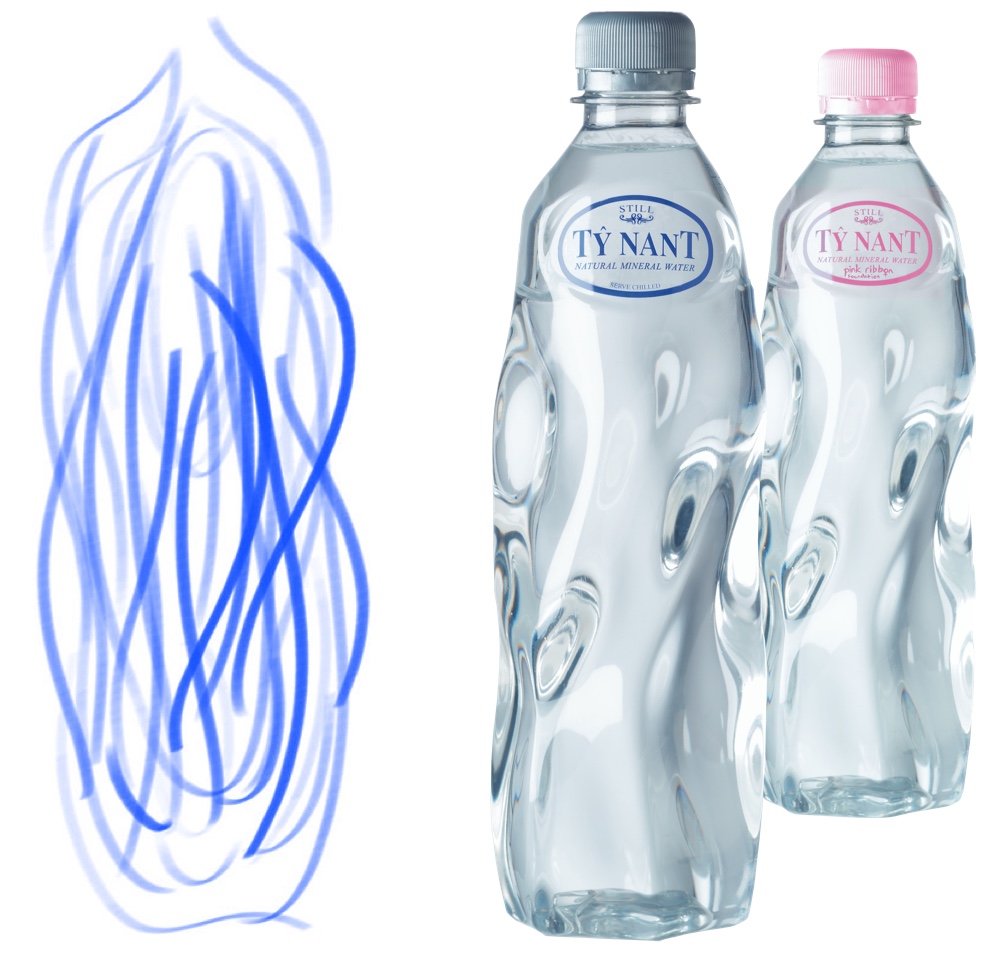
Ty Nant Acquires Strathmore Water from AG Barr

Ty Nant, the fast-growing premium bottled water company, is proud to announce its acquisition of Strathmore Water from AG Barr plc. 

The deal marks a significant moment for two of Britain’s most respected water brands and reinforces Ty Nant’s commitment to celebrating regional heritage, quality, and long-term investment in British manufacturing.

With a rich Scottish provenance and decades of brand equity, Strathmore has become a trusted name across the UK in hospitality, foodservice, sports and leisure. The acquisition ensures that Strathmore will continue to be bottled at source in Forfar, Scotland, and that every job at the site has been safeguarded as part of the transaction.

“This is a brand with a deep legacy and a loyal following, and we are honoured to be entrusted with its next chapter,” Raminder Sidhu, Chairman and Director at Ty Nant told That's Food and Drink.

“At the heart of Strathmore’s success is the incredible team in Forfar. Their professionalism, passion and care are a true testament to the strength of the brand and the business. We’re proud to welcome them into the Ty Nant family and excited to invest further in their future.”

Ty Nant extends its sincere thanks to AG Barr for their outstanding stewardship of Strathmore over the past two decades. “AG Barr have been exemplary custodians of the brand and the Forfar operation,” added Sidhu. “We are grateful for their partnership and support during this transition, and for the strong platform they’ve built, both in market and on the ground.”

The acquisition of Strathmore comes at a pivotal time for Ty Nant, which has seen exceptional growth in the past 24 months and now supplies some of the world’s leading hotels, retailers, and cultural institutions. The addition of Strathmore enhances Ty Nant’s operational scale and geographic reach, while maintaining the distinct identities of both brands.

Ty Nant will continue to operate Strathmore as a proudly Scottish brand, investing in sustainability, customer partnerships, and the Forfar site as a long-term strategic asset.

www.tynant.com

From Baths to Showers: How Much Can a Family Save on Water and Bills?

Switching from baths to showers isn’t just better for the environment, it can also save a typical UK household hundreds of pounds a year. 

Let’s break down the numbers for a family of four (two adults, two children).

🚿 Water Usage: Baths vs Showers

Activity Average Use per Person Daily Total for 4 People Annual Total

Bath 80 litres 320 litres 116,800 litres

Shower 40 litres 160 litres 58,400 litres

Switching from baths to showers saves: 58,400 litres per year

Water Costs in the UK (2024–2025)

Average combined water and sewerage cost: £3.50 per 1,000 litres

Cost per litre: £0.0035

 Money saved annually:

58, 400 litres × £0.0035 = £204.40

58,400 litres × £0.0035=£204.40

Annual Savings for Your Family

Water saved: 58,400 litres

Money saved: £204.40

Bonus: Less energy needed for heating water = even more savings

Want to Save Even More?

Install a water-efficient showerhead (uses 25–30 litres per shower)

Time your showers, each minute saved cuts ~10 litres

Use a shower timer or playlist to keep things short and sweet

Over a decade, this simple switch could save your household more than £2,000 in water bills alone – and help conserve over half a million litres of water.

We will cover more water saving ideas in future blogposts.

Wednesday, 30 July 2025

How to Recycle Water at Home to Keep Your Vegetable Patch Green and Lush

As summer heats up and hosepipe bans become more common across the UK, keeping your vegetable patch well-watered can be a bit of a challenge. 

Thankfully, there are plenty of clever ways to recycle water in your home and garden to nourish your crops while saving money and protecting the environment. 

Here's how to keep your patch green, lush and productive, without wasting a drop.

1. Harvest Rainwater

This is one of the simplest and most effective ways to recycle water. Fitting a water butt to your downpipe lets you collect rainwater from your roof. Use it to water your vegetables, clean garden tools or top up your pond. Some councils even offer discounts on water butts, so it’s worth checking.

Tip: Keep your water butt covered to prevent algae growth and stop mosquitoes from breeding.

2. Reuse Grey Water

Grey water is gently used water from your sink, shower, bath or washing machine. It can be reused in your garden, provided it’s free from harsh chemicals.

Dos:

Use eco-friendly soaps and detergents.

Collect water in a bucket while waiting for your shower to warm up.

Let bath water cool and siphon it out to water the garden.

Don’ts:

Avoid using kitchen water that contains grease or food particles.

Don’t store grey water too long, best to use it within 24 hours.

3. Repurpose Cooking Water

Water used to boil vegetables, pasta or rice is rich in nutrients that can benefit your garden. Let it cool, then pour it onto the soil near the roots of your veg plants.

Note: Don’t use salted water, salt can damage your plants and soil over time.

4. Capture “Hidden” Water

It’s surprising how much clean water we waste daily. Consider:

Putting a bowl in your kitchen sink to catch rinse water.

Collecting leftover drinking water from glasses or pet bowls.

Positioning a bucket outside to catch condensation from air conditioners or dehumidifiers.

Every drop adds up.

5. Mulch and Soil Improvement

While not technically water recycling, using mulch helps your soil retain recycled water better. Apply a thick layer of compost, straw, bark or grass clippings around your plants to reduce evaporation.

Also, improving your soil with organic matter boosts its water-holding capacity, so your reused water goes further.

6. Plant Strategically

Grow drought-tolerant vegetables such as courgettes, Swiss chard, beetroot, and runner beans. Plant in clusters to create shade and reduce water loss from the soil surface.

A Note on Safety

Avoid using grey water on crops you’ll eat raw (like salad leaves), especially if it comes into contact with the edible part of the plant. Stick to watering the soil—not the leaves—and rinse veg thoroughly before eating.

Final Thoughts

Recycling water isn’t just smart, it’s essential in an age of rising temperatures and unpredictable weather. By harvesting rain, reusing grey water and making small tweaks to your routine, you can keep your vegetable patch thriving through even the driest spells.

Also, it will help reduce your water bill, too.

Have you tried any of these techniques? Share your home water-saving tips in the comments!

Monday, 14 July 2025

Coconut Water and Cancer: Separating Facts from Fiction

In recent years, coconut water has enjoyed a meteoric rise in popularity, touted as a natural superdrink brimming with health benefits. 

From hydrating your body better than water to replenishing electrolytes post-workout, it’s often marketed as a miracle in a bottle.

Among the more controversial and unproven claims is that coconut water can “beat” cancer. But how much of this is rooted in science, and how much is wishful thinking?

Let’s take a closer look.

What Is Coconut Water?

Coconut water is the clear liquid found inside young, green coconuts. It is not the same as coconut milk, which is made by grating the meat of a mature coconut and mixing it with water. Coconut water is naturally low in calories, rich in potassium, and contains small amounts of calcium, magnesium, and phosphorus.

It is often promoted for its:

Hydrating properties

Electrolyte balance

Antioxidant content

Digestive support

The Alleged Anti-Cancer Claims

Online health influencers and some natural health websites have suggested that coconut water has anti-cancer properties. Claims range from it being able to “kill cancer cells” to preventing tumour growth or even curing the disease. These statements are almost always anecdotal, vague, or supported by limited lab-based studies that haven’t been replicated in human trials.

What Does the Science Say?

Let’s be clear: there is no scientific evidence that coconut water can cure or significantly treat cancer in humans.

Some laboratory studies on compounds found in coconuts, not necessarily coconut water, have shown antioxidant and anti-inflammatory properties. For instance:

Certain polyphenols and cytokinins (like kinetin) in coconut water have been studied for their cellular health benefits.

Antioxidants may play a role in reducing oxidative stress, which is linked to chronic diseases, including cancer.

However, these findings are very early-stage and do not support any clinical use of coconut water in cancer therapy.

In fact, cancer is a complex group of diseases, and treatment typically involves combinations of surgery, chemotherapy, radiotherapy, and immunotherapy, none of which can be replaced by a drink, no matter how healthy it may be.

Why Do These Claims Persist?

Anecdotal stories: Personal experiences of people improving their health while drinking coconut water are often shared widely, but correlation does not equal causation.

Desire for natural cures: Many people seek alternatives to conventional cancer treatment due to fear of side effects or mistrust in pharmaceuticals.

Misinformation online: Social media and unregulated wellness blogs are breeding grounds for exaggerated health claims.

The Real Benefits of Coconut Water

While it can’t beat cancer, coconut water can offer real, modest health benefits when consumed in moderation:

Hydration: Its natural electrolytes make it a good option after light exercise or in hot weather.

Low calorie content: A good alternative to sugary fizzy drinks.

Kidney health: Some studies suggest it may help reduce the risk of kidney stones.

Digestive support: Contains enzymes that may help with digestion.

However, it's not a miracle food. For people undergoing cancer treatment, hydration and nutrition are vital—but always best managed with guidance from oncologists and dietitians.

Bottom Line

Coconut water is a healthy, refreshing beverage that may support overall wellness, but the claim that it can "beat cancer" is not backed by credible scientific evidence. 

It's important to be wary of misinformation, especially when it concerns something as serious as cancer. If you or someone you know is undergoing treatment, always consult with medical professionals before considering alternative or complementary therapies.

Enjoy coconut water for what it is, not for what it’s falsely claimed to be.

Have you come across any surprising health claims online? Let us know in the comments, and we’ll explore the truth behind them!

Saturday, 12 July 2025

How to Cope with the Unusually Long Hot Weather in the UK

The UK isn’t usually known for long spells of hot weather, but when they arrive, they can catch many of us off guard. 

Unlike countries more accustomed to high temperatures, we often lack air conditioning and sun-aware habits. 

This prolonged heat can pose serious risks, especially for the elderly, those with underlying health conditions, and disabled individuals. But with a few simple steps, we can all stay safer, cooler, and more comfortable. And to help other people, too.

Here’s how to manage the heatwave effectively:

Hydration Is Everything

In hot weather, your body loses more water through sweat, and it’s vital to replace it regularly throughout the day.

Tips for staying hydrated:

Drink water regularly, don’t wait until you’re thirsty.

Avoid too much caffeine or alcohol, as they can increase dehydration.

Add hydration tablets like Dioralyte or ORS to your water if you’re sweating heavily, they help replenish lost electrolytes.

Eat water-rich foods such as cucumbers, watermelon, oranges, and strawberries.

Carry a refillable bottle wherever you go. There are many free refill points around towns and cities now.

Look After Vulnerable People

The heat can be particularly dangerous for:

Elderly people

Babies and young children

People with chronic illnesses (especially heart, kidney, or breathing conditions)

Disabled individuals who may find mobility or communication difficult

Ways to help:

Check in regularly – especially on neighbours and relatives.

Encourage small, frequent sips of water, even if they say they’re not thirsty.

Ensure rooms are well ventilated or shaded.

Use a fan if air movement is needed, but avoid blowing hot air directly onto people.

Provide cooling aids like damp flannels, mist sprays, or even a shallow cool footbath.

Use Sunblock, even in the UK

It’s a myth that British sun is harmless. UV rays are still damaging, even if there’s a breeze or cloud cover.

Sun safety tips:

Apply broad-spectrum SPF 30+ sunscreen every two hours.

Reapply after swimming or sweating.

Wear a wide-brimmed hat and sunglasses with UV protection.

Stay in the shade between 11am and 3pm when the sun is strongest.

Wear lightweight, loose-fitting clothing to protect your skin.

Keep Your Home Cool

Keep curtains and blinds closed during the day.

Open windows when it’s cooler outside than in, usually early morning and late evening.

Turn off unused electronics, they generate unnecessary heat.

Use damp sheets or a wet towel hung in front of a fan to help cool the air.

Sleep Tips in Hot Weather

Sleep with a cool flannel or ice pack wrapped in a cloth.

Put sheets in the freezer (in a bag) for 10-15 minutes before bed.

Use cotton bedding instead of synthetic fibres, it breathes better.

Keep a glass of water by the bed in case you wake up thirsty.

The British heatwaves may be rare, but they’re increasingly becoming a part of our summer routine. Staying informed and making small adjustments can make all the difference, for you and those around you. If someone is showing signs of heat exhaustion, dizziness, confusion, heavy sweating, rapid pulse – get them to a cool place, give them fluids, and seek medical advice if symptoms don’t improve.

Look after yourself. Look out for others. And don’t forget the sunscreen!

Wednesday, 9 July 2025

Detox and Liver Support Using Herbs and Nutrients

Support your liver and detox naturally with these trusted ingredients.

Introduction:

A sluggish liver can impact skin, digestion and energy. Try these to support detox.

1. Milk Thistle – Classic liver support herb.

2. Dandelion Root – Promotes bile flow and detox.

3. NAC – Boosts glutathione for liver cleansing.

4. Spirulina – Binds toxins and supports immunity.

5. Chlorella – Aids heavy metal detoxification.

Best Use: Combine with lots of water and a clean diet.

Thursday, 3 July 2025

Why Water Bowls for Dogs at Cafés, Pubs and Shops Might Do More Harm Than Good

Keeping Pets Safe in Public Spaces.

It’s a common sight in dog-friendly cafés, pubs, and garden centres across the UK: a communal water bowl placed outside the entrance or tucked near a table, inviting thirsty dogs to take a drink. 

On the surface, it seems like a kind and considerate gesture for our four-legged friends, especially during the summer months. But while well-intentioned, shared water bowls in public places could pose hidden health risks to dogs.

The Danger of Shared Water Bowls

Dogs don’t just drink from bowls, they slobber, drool, and sometimes even dip their noses or tongues deep into the water. 

Unfortunately, this can create a breeding ground for harmful bacteria and viruses. When multiple dogs use the same water bowl, there's a real risk of cross-infection.

Canine Distemper: A Real and Rising Threat

One of the more serious infections that could potentially spread through shared water bowls is Canine distemper. This highly contagious viral disease affects a dog’s respiratory, gastrointestinal and nervous systems. Though vaccination has made it less common, outbreaks still occur in the UK, particularly in areas with low vaccination rates.

Distemper is spread through aerosol droplets and saliva, making communal water bowls a potential vector. If an infected dog drinks from a bowl, then another dog laps up the same water shortly after, the virus could be transmitted.

Other Illnesses to Watch Out For

In addition to distemper, dogs can pick up other infectious diseases and parasites through communal water bowls, including:

Parvovirus – a highly contagious and potentially fatal virus.

Kennel cough – easily transmitted in places where dogs congregate.

Giardia – a parasite that can live in contaminated water and cause diarrhoea.

Leptospirosis – a bacterial infection spread through urine-contaminated water, which can also infect humans. 

Hygiene Concerns and Unmonitored Bowls

Many establishments leave bowls unattended for hours, without regular cleaning or refilling. Dirt, food crumbs, or even faecal matter from muddy paws can end up in the water, creating a perfect environment for bacteria to thrive.

Also, during hot weather, stagnant water can warm up quickly, another ideal breeding ground for harmful organisms.

What Responsible Establishments Can Do

Offer water on request: Instead of communal bowls, cafés and pubs could provide clean, fresh water in sanitised containers upon request.

Encourage owners to bring their own bowls: Foldable or travel bowls are widely available and easy to carry.

Use no-touch dispensers: Some dog parks and pet-friendly venues have started using dog-friendly fountains or push-pedal dispensers to limit contamination.

What Dog Owners Should Do

Always carry your own bowl and fresh water when out with your dog.

Avoid letting your dog drink from bowls in public spaces unless you’re confident they’re regularly cleaned.

Make sure your dog’s vaccinations, especially against distemper and parvovirus, are up-to-date.

We all want to create a welcoming environment for dogs and their humans. But when it comes to something as simple as a bowl of water, it’s vital to weigh good intentions against potential risks. 

By being aware of the dangers and taking simple precautions, we can keep our beloved pets safe while still enjoying dog-friendly days out.

Why this blogpost? My wife and I went out for a meal the other day and noticed that an establishment had a dog water bowl that looked absolutely filthy.

Sunday, 29 June 2025

Why Does Water from a Plastic Kettle Taste Different to Water from a Metal One? The Science Behind the Sip

If you’ve ever brewed a cuppa and found it tasted a little… off, you’re not alone. Many people claim that water boiled in a plastic kettle doesn’t taste as nice as water boiled in a metal kettle, and this isn’t just snobbery or imagination. There’s real science behind the phenomenon.

Here’s a look into what might be going on in your kettle.

1. The Problem of Plastic Leaching

Plastic kettles are typically made from polypropylene or BPA-free plastics. While these materials are generally considered safe, heating them repeatedly—especially to boiling point—can cause trace chemicals to leach into the water.

Some of the common compounds include:

Phenols (like BPA substitutes)

Styrene monomers

Other manufacturing residues

Even in tiny amounts, these substances can alter the taste of the water. Your body might not notice it immediately, but your tongue certainly can. Many describe the taste as chemical, plasticky, or stale.

2. Off-Gassing and New Kettle Smell

Brand-new plastic kettles often emit a distinct "new plastic" smell when first used. This comes from volatile organic compounds (VOCs) used during manufacturing. These compounds are released (or "off-gassed") when the kettle is heated for the first few times.

This is why instructions often suggest boiling and discarding water several times before use. Even so, some kettles may retain that taint for weeks or longer.

3. The Inert Nature of Metal

Metal kettles, usually made of stainless steel, or sometimes copper, have a distinct advantage: they are chemically inert at high temperatures. This means:

No leaching of unwanted chemicals

No absorption of flavours over time

Easy to keep clean with no porous surfaces

Stainless steel doesn’t hold onto the taste of previous boils or absorb anything from the water, which results in cleaner-tasting water, ideal for tea and coffee purists.

4. Mineral and Limescale Interactions

Plastic kettles often have heating elements hidden beneath the base. In contrast, metal kettles (especially stovetop models) use exposed metal heating. This may influence how limescale and minerals accumulate, particularly in hard water areas.

Some studies suggest that mineral deposits may form differently on plastic versus metal, subtly influencing mouthfeel and flavour.

5. Sensory Psychology and Perception

There’s also a psychological angle: we often associate plastic with cheapness or artificiality, and metal with tradition and purity. These expectations can colour our sensory experience, particularly with taste and smell.

In blind tests, people may still prefer metal-boiled water, but the difference is often more pronounced when the participants know the source.

Conclusion: Is It All in the Kettle?

Not entirely. While personal preference plays a role, science supports the idea that plastic kettles can affect the taste of boiled water through leaching compounds, off-gassing, and minor chemical interactions. Metal kettles, especially stainless steel ones, tend to offer a cleaner, more neutral brew.

So, if you’re serious about your tea or coffee, or just don’t like that odd aftertaste, switching to a metal kettle could be a small change that makes a big difference.

Top Tip: Want the best of both worlds? Try a glass kettle with stainless steel elements, you’ll get taste neutrality, no plastic taint, and a good view of your boil.

Tuesday, 3 June 2025

From Bike to Bottle: One Water Launches Travel Trade Sales Incentive Tour as World Duty Free Donations Hit £2.95m Milestone

Ethical water brand One Water has launched its annual Travel Trade Awareness Tour in partnership with Avolta, in its World Duty Free stores which are in 38 locations across the UK, including most UK airports.

With over £2.95 million raised to date through One Water sales in World Duty Free stores, the campaign continues to transform lives by funding clean water projects in areas like rural Malawi.

Funds raised via sales of One Water bottles at UK airports have contributed towards the rehabilitation of broken water points, the installation of gravity-fed and solar-powered systems, and restoring water access to health clinics and schools. These efforts are especially vital in the wake of recent cyclones that devastated Malawian villages, washing away homes and contaminating water sources.

The campaign's launch marks the return of One Water founder Duncan Goose's annual motorcycle tour, a purpose-driven road trip visiting World Duty Free stores and offices across the UK. Riding the same Honda Africa Twin motorbike he used during a life-changing round-the-world trip in 1998, a journey that inspired the creation of One Water, Duncan meets frontline staff to thank them and share real-world updates on how their work contributes to life-saving water projects in Sub-Saharan Africa.

Duncan Goose told That's Food and Drink: “We want World Duty Free's incredible staff to see how their work is changing lives. Every bottle sold brings us closer to a world where no one is left without clean water. 

"This year, we have talked a lot about the concept of Do One Good Thing - where one small action can change lives. The simple choice of choosing One when you are travelling will have a ripple effect across the world.” 

As part of the incentive, the top eight One Water sellers across Avolta's World Duty Free store network will win a once-in-a-lifetime trip to Malawi this November. The immersive trip includes site visits to local water projects, meetings with NGO partners, traditional Malawian hospitality, and a visit to a National Park.

Added Eve Fifer, Commercial Director at World Duty Free: “Our teams are incredibly passionate about supporting One Water and sharing its mission with the millions of travellers who visit our stores. It's a real highlight for them when Duncan takes to the road and visits our stores and offices, sharing his inspirational message with both staff and customers. This campaign is our chance to spotlight the real impact behind every bottle.”

World Duty Free was one of the first UK retailers to support the One Water brand, stocking it since 2006 in UK airports, its UK based Eurotunnel store, and its store at St Pancras train station, as well as on P&O ferries. 

Follow Duncan's journey here: @onewateruk 

Duncan Goose's schedule

03.06.25: Launch Bedfont Lakes

04.06.25: Manchester Liquor Roadshow

05.06.25: CDC (am), St. Pancras (pm)

06.06.25: Eurotunnel (am), Southend (pm)

10.06.25: Liquor Roadshow London

11.06.25: Liquor Roadshow London

12.06.25: Stansted (am), Norwich, (pm)

16.06.25: Birmingham (am), East Midlands (pm)

17.06.25: Heathrow T5 (am), Heathrow T4 (pm)

18.06.25: Heathrow T2 (am), Heathrow T3 (pm)

23.06.25: Humberside (am), Leeds Bradford (pm)

24.06.25: Teeside (am), Newcastle (pm) 

25.06.25: Edinburgh (am)

30.06.25: Glasgow (am), Prestwick (pm)

01.07.25: Belfast (am)

02.07.25: Manchester (am), Liverpool (pm)

07.07.25: Cardiff (pm)

08.07.25: Bristol (am), Exeter (pm)

09.07.25: Bournemouth (am), Southampton (pm)

14.07.25: Lowfield

15.07.25: Gatwick 

16.07.25: Heathrow

16.07.25: Heathrow

FACTFILE:-

Founded in 2004 by Duncan Goose, One Water is an award-winning ethical water brand that donates its profits to fund safe, sustainable water projects in Africa and beyond. 

The organisation is a UK B Corp, a signatory to the UN Global Compact, and committed to carbon reduction. Its diverse range includes 100% recycled plastic bottles, aluminium refillables, cans, Tetra Pak cartons, and more.

Learn more at www.onewater.org

Tuesday, 13 May 2025

How to Drought-Proof Your Vegetable Garden

With increasingly unpredictable weather and longer dry spells, ensuring your vegetable garden can withstand drought is essential—especially if you want consistent harvests throughout the growing season. 

Fortunately, with a few proactive steps, you can make your garden more resilient to water shortages while still keeping it productive and lush.

1. Improve Your Soil Structure

Healthy soil is the foundation of a drought-resistant garden. Add plenty of organic matter such as compost, well-rotted manure, or leaf mould. These amendments boost your soil’s ability to retain moisture, support beneficial microbes, and improve nutrient availability.

Tip: Try the "squeeze test"—if soil holds its shape when gently squeezed and crumbles easily, it’s well-balanced.

2. Apply a Thick Layer of Mulch

Mulching is a drought gardener’s best friend. A 5–10 cm layer of organic mulch (like straw, bark chips, or shredded leaves) reduces evaporation, suppresses weeds, and keeps the soil cool.

Bonus: Mulch also breaks down over time and further enriches the soil.

3. Water Wisely

Deep, infrequent watering encourages strong, deep root systems. Water early in the morning or late in the evening to reduce evaporation. Avoid using sprinklers and opt for soaker hoses or drip irrigation instead.

Tip: Install a water butt to collect rainwater and reduce reliance on mains water.

4. Choose Drought-Tolerant Varieties

Some vegetables handle dry conditions better than others. Consider planting:

Root vegetables like carrots and parsnips

Legumes such as chickpeas and runner beans

Mediterranean herbs like rosemary, thyme, and oregano

Check seed packets or ask at your local garden centre for varieties specifically bred for dry conditions.

5. Provide Shade Strategically

During the hottest part of summer, even the hardiest vegetables can suffer. Use shade cloth, garden fleece, or position taller crops (like sweetcorn or sunflowers) to shield delicate plants from harsh afternoon sun.

6. Group Plants by Water Needs

Planting vegetables with similar water requirements together ensures you water efficiently and don’t over- or under-irrigate any one section of the garden.

7. Reduce Bare Soil

Bare soil loses moisture rapidly. Maximise ground cover by interplanting, using green manures, or growing low-lying crops to protect soil moisture levels.

Final Thoughts

Drought-proofing your vegetable garden doesn’t require a complete overhaul—it’s about working with nature, conserving what water you have, and building a system that can sustain itself even in drier periods. With a bit of planning and the right techniques, your garden will thrive no matter the weather.

Friday, 29 November 2024

Luxury Welsh Beverage Brand Ty Nant Acquires Fonthill and Decantae from Primo Water

Bethania, Wales –Ty Nant a symbol of Welsh luxury and premium hydration, has continued its meteoric rise in the global beverage market with the strategic acquisition of Fonthill Water and Decantae Mineral Water from the U.S.-based Primo Water Corporation. 

Primo Water, a giant in North America's beverage industry with a multi-billion dollar market cap and an EBITDA of $500 million in 2023, underscores the scale and significance of these acquisitions for Ty Nant, aiming to elevate its status as one of the UK's leading premium water brands. 

This follows closely on the heels of acquiring the premium Welsh water and mixer brand, Llanllyr Source in late 2023.

In a market increasingly driven by consumer demand for both high quality and sustainability, Ty Nant has not only excelled but has also been recognised as the UK's fastest-growing bottled water company in the Alantra Fast 50 this year, and ranked as the overall 4th fastest growing food and beverage company in the UK.

This recognition is particularly impressive seeing that Ty Nant is already profitable, securing the highest average price per litre among all British mineral and spring water brands, thus marrying exceptional growth with a sustainable and profitable business model.

Decantae Mineral Water, known for its pristine quality sourced from the foothills of Snowdonia, has been a leader in the premium bottled water sector in the UK and Europe. 

The acquisition of Decantae brings new packaging innovations to Ty Nant's lineup, including cuplets for travel retail and healthcare, complementing its existing glass and PET bottles. This expansion broadens Ty Nant's market appeal and accessibility.

Fonthill Spring Water, with its origins in the historic Fonthill Bishop Estate in Wiltshire owned by Lord Margadale, is celebrated for its naturally filtered, high-quality spring water. 

This acquisition not only broadens Ty Nant's geographical footprint but also enhances its product range with another iconic British water source and introduces Ty Nant to the water cooler market, targeting commercial, educational, and healthcare sectors with its 15L bottles. This strategic move diversifies the company's offerings while capitalising on a market segment where reliability and quality are non-negotiable.

Raminder Sidhu, Chairman of Ty Nant, highlighted the synergy in these acquisitions, stating, "Our commitment to sustainability, innovation, and exceptional customer service aligns perfectly with the ethos of Decantae and Fonthill. These acquisitions are pivotal in our vision to grow our diversified super-premium adult beverage group, where each product carries a deep sense of provenance, alongside our commitment to premium and sustainable offerings."

Looking ahead, Sidhu revealed ambitious plans for 2025, "We are poised for an exciting year continuing the tremendous growth we have experienced for the last four years. We will continue to innovate across our portfolio. 

"We're introducing aluminium bottles and cans as an eco-friendly alternative to traditional packaging and refreshing the 'contemporary classical' look for Llanllyr Source.

"Moreover, we're set to launch new flavours from our award-winning Kings Hill small-batch gin distillery in the Pentland Hills, Edinburgh and we are expanding into 10 new export markets."

tynant.com

Wednesday, 9 October 2024

Ethical Hydration Brand 'One Water' Wins at 2024 Frontier Awards

The award was for an annual sales initiative that One Water runs every year with World Duty Free. For every bottle of One Water sold, a donation is made to The One Foundation, funding clean water projects all around the world.

Top-sellers in stores 'win' a place on a trip to visit some of One Water's clean water projects in Malawi. One Water Founder Duncan Goose visited 14 high footfall branches of World Duty Free's stores this year across UK airports and at Eurotunnel Folkestone, covering a distance of 2,000 miles on his Honda Africa Twin Motorcycle. Duncan's 'lightbulb moment' to set up One was on a round-the-world trip he made in 1998 on the same bike: an encounter with Hurricane Mitch in Honduras inspired a new career in global development.

The decade-long relationship between One Water and World Duty Free - based on a shared vision of a world in which everyone has access to clean water - has meant that the travel retailer thus far has contributed £2.7 million to projects around the world.

Funds from The One Foundation achieved via World Duty Free sales have been donated to rehabilitate water points and to bring water access back into communities and have particularly impacted work in Malawi's rural communities, where farmers are working to grow sufficient crops to feed themselves and their families. 

Donations have also funded the provision of gravity-fed and solar pumping systems, meaning that clean water is now readily available in schools and health clinics. Catastrophic cyclones have impacted areas of Malawi over the last three years, washing away houses and crops, and contaminating water points, so the funds that continue to be raised are vital, to help communities recover and regenerate.

To date, The One Foundation has raised over £30 million through partners such as World Duty Free, Bidfood, Co-Op, and Starbucks.

Entries for the Frontier Awards were received from around the world, showcasing the very best of the industry. A panel of independent, expert judges pored over the entries to choose this year's finalists and eventual winners, which celebrated the best of innovation and excellence in the travel retail sector.

Says Duncan Goose, Founder of One Water: “It was such an honour to be invited to Cannes for the 40th anniversary of the Frontier Awards. To be nominated alongside many famous and iconic global brands was recognition enough, but to actually win the award was unexpected and very humbling. 

"It recognises the exceptional work of all those at Avolta and World Duty Free who believe in what we are trying to do to help those that live without access to clean water and my hope is that this award will bring attention not only to the team of people who make this all possible within Avolta, but the wider issue itself. It's an incredible honour to be part of this journey that has already changed 5 million people's lives.

"Water is vital for life, yet 703 million people globally still don't have access to safe drinking water and over 1.7 billion people lack access to a decent toilet. 3.4 million people die every year from waterborne diseases and sadly many are children under the age of 5 years old. Around the world, women and children often bear the responsibility of collecting water for their families and can walk up to 4 hours a day just to find water.

"We want World Duty Free's fantastic staff to see for themselves what their hard work has contributed to. We thank them for their continued support, it means everything to us and the beneficiaries who they are supporting in sub-Saharan Africa. We hope the upcoming trip will inspire them. Their help has been life-changing for millions. We estimate that there are still 65,000 handpumps in Malawi that are in dire need of repair and World Duty Free are integral to facilitating change, one day at a time.”

https://onewater.org.uk

By total chance One Water asked us to share their story with you. Their email arrived just after I posted up a story about water infusion, a different, but related topic.

The Pros and Cons of Mineral-Infused Waters

Mineral-infused waters have become increasingly popular in recent years, touted for their health benefits and refreshing taste. Whether it's naturally sourced or enriched with additional minerals, these beverages claim to offer more than just hydration. 

But are they worth the hype? Below, we'll explore the pros and cons of mineral-infused waters to help you decide if they're the right choice for your lifestyle.

The Pros of Mineral-Infused Waters

Enhanced Hydration While plain water is always beneficial, mineral-infused waters can potentially provide better hydration, especially for athletes or individuals engaged in strenuous activities. The added electrolytes like potassium, magnesium, and sodium help maintain fluid balance, preventing dehydration and supporting muscle function.

Added Nutrients Mineral-infused waters contain essential minerals like calcium, magnesium, and potassium, which are vital for various bodily functions. For those who don't get enough of these nutrients through their diet, drinking mineral-infused water could provide a convenient boost.

Improved Taste For those who find regular water bland, mineral-infused waters can offer a more enjoyable flavour without added sugars or artificial ingredients. This could encourage people to drink more water, improving overall hydration.

Natural Sourcing Some mineral-infused waters come from natural springs, boasting a unique mineral profile. These naturally occurring minerals may have been in the earth for centuries, lending an air of purity and sustainability to the product.

Digestive Health Certain minerals found in infused waters, such as magnesium, have been linked to improved digestion and bowel regularity. Drinking these waters could support overall gut health and even reduce bloating.

The Cons of Mineral-Infused Waters

Cost Mineral-infused waters are often significantly more expensive than tap water or regular bottled water. For those on a budget, the price can be hard to justify, especially when tap water in many regions is already safe to drink and provides sufficient hydration.

Not a Substitute for a Balanced Diet While mineral-infused waters can supplement your intake of certain nutrients, they shouldn’t replace a healthy, balanced diet. The amounts of minerals they provide are generally quite small and won’t meet your daily nutritional needs on their own.

Potential Overconsumption While minerals like calcium and magnesium are essential for health, it's possible to consume too much. If you’re already taking supplements or eating a mineral-rich diet, drinking mineral-infused water might lead to excessive intake, which can cause issues like kidney stones or digestive problems.

Environmental Impact Many mineral-infused waters come in single-use plastic bottles, contributing to environmental pollution. While some brands offer eco-friendly packaging or encourage recycling, the environmental cost of packaging and transporting bottled water can still be significant.

Added Sodium Some mineral waters contain higher levels of sodium, which may not be suitable for those with high blood pressure or other cardiovascular conditions. Always check the label to ensure the sodium content fits with your dietary needs.

Mineral-infused waters can be a great addition to your hydration routine, especially if you’re looking for added electrolytes, improved flavour, or a natural source of minerals. However, they do come with some downsides, particularly when it comes to cost and potential overconsumption of certain minerals. As with most things, moderation is key. While mineral-infused waters can offer certain health benefits, they should be enjoyed as part of a balanced diet and sustainable lifestyle.

Ultimately, the choice to drink mineral-infused water comes down to personal preference, dietary needs, and lifestyle considerations. Whether you're an athlete in need of replenishing electrolytes or simply someone looking for a tastier way to stay hydrated, it's worth weighing the pros and cons before making it a regular part of your routine.

Sunday, 25 August 2024

Why pubs, restaurants, cafes, hotels, nursing homes and hospitals should NEVER use eco settings on dishwashing machines

Is your dishwashing machine a health risk?
In today’s world, where sustainability and energy efficiency are at the forefront of many business decisions, it’s tempting for pubs, restaurants, cafes, hotels and nursing homes, etc to opt for the lower eco settings on their dishwashing machines. 

After all we have had the ideal of "saving the environment" rammed down our throats for the past several decades.

These settings are often marketed as a way to reduce energy consumption and water usage, which can be appealing both from an environmental perspective and in terms of cost savings. 

However, when it comes to maintaining cleanliness and high standards of hygiene, choosing lower eco settings can be a costly and potentially dangerous mistake.

Hygiene Should Always Be a Priority

The primary purpose of a dishwashing machine in any food establishment is to ensure that all dishes, glasses, and utensils are thoroughly cleaned and sanitised. 

This is not just about removing visible dirt but also about eliminating harmful bacteria and pathogens that can cause foodborne illnesses. (Lower temperature dishwashing often leaves lipstick marks on glasses and particles of food stuck to cutlery or plates.)

Lower eco settings typically use cooler water temperatures and shorter wash cycles, which may not be sufficient to kill these harmful microorganisms.

The UK Food Standards Agency (FSA) sets out clear guidelines for the temperature and conditions required to sanitise food contact surfaces effectively. 

For most commercial dishwashers, this means reaching temperatures of at least 82°C during the final rinse cycle. Lower eco settings often fail to meet these requirements, leading to the risk of inadequate sanitation and potential health hazards for customers and staff alike.

Reputation and Customer Trust

For any pub, restaurant hotel or nursing home, the trust of its customers and service users is invaluable. Patrons expect a high level of cleanliness, and any lapses can quickly damage a business's reputation. 

Instances of food poisoning or even minor cases of stomach upset linked to your establishment can lead to bad reviews, loss of customers, and even legal action. 

Maintaining high hygiene standards by using the appropriate dishwashing settings is a fundamental way to protect your reputation and ensure customer safety. After all, it's not rocket science, it's just good hygiene practices. 

The False Economy of Lower Eco Settings

While the immediate cost savings of using lower eco settings might seem attractive, the long-term consequences can be far more expensive. Health issues stemming from poor hygiene can result in hefty fines, compensation claims, and a loss of business. Furthermore, the costs associated with dealing with a health and safety violation can far outweigh any savings made on energy bills. 

Additionally, the potential need to rewash items that aren’t properly cleaned or sanitised on the first pass also negates any initial savings. Inefficiencies like these can lead to increased water usage and energy consumption over time, defeating the purpose of the eco settings in the first place. And could cause blockages in drains and sewers helping to cause so-called fatbergs.

The Role of Proper Maintenance

It’s also worth noting that a well-maintained dishwashing machine is more efficient, even when operating on higher settings. Regular maintenance and servicing ensure that the machine runs optimally, preventing breakdowns and ensuring that it cleans effectively at the necessary high temperatures. 

This further underscores the importance of investing in proper care for your equipment rather than cutting corners with lower eco settings.

A Balanced Approach to Sustainability

Sustainability is undoubtedly important, and pubs and restaurants can still take steps to reduce their environmental impact without compromising hygiene. Investing in energy-efficient appliances that still meet health and safety standards, training staff on efficient dishwashing practices, and reducing overall water and energy use elsewhere in the business are all effective strategies.

Ultimately, the health and safety of your customers should always come first. By ensuring that dishwashing machines are used on settings that guarantee proper sanitation, pubs and restaurants can maintain the highest standards of cleanliness, protect their reputation, and promote long-term sustainability in a responsible way.