Wikipedia

Search results

Showing posts with label vegetarian. Show all posts

Friday, 12 December 2025

Steaks Fit for a Vegan!

As part of our Veganuary feature That's Food and Drink is bringing you news about vegan foods that you can try at home or in your pub or restaurant.

We are launching the feature with products from the Redefine Meat range from steaks to bratwurst sausages.

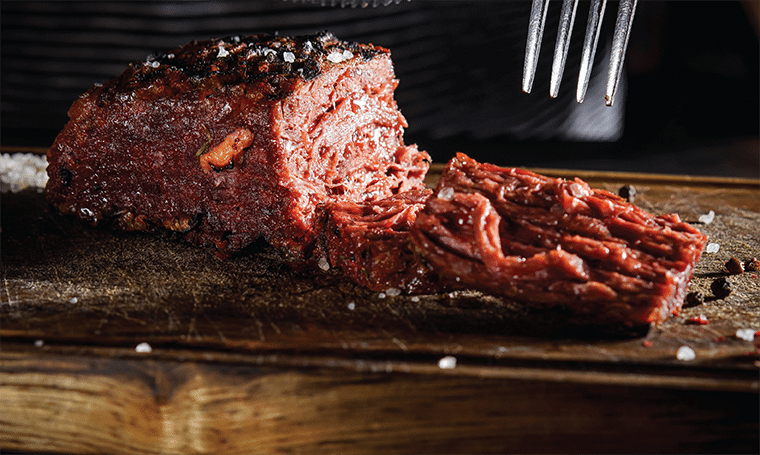
Redefine Flank Steak, 200g, RRP £7.96 

2025 Great Taste Awards (One Star) 

The world’s first plant-based steak, originally designed to be enjoyed in restaurants. Now available for home chefs as well as professional caterers. 

This delicious, unmistakably meaty whole cut of New-Meat™ is suitable for grilling, pan-frying or roasting. 

Ideal for plant-based steak nights, hearty Sunday roasts, or as the centrepiece of a vegan Christmas dinner. 

Chef’s Tip: Cook over medium heat, then baste with garlic and rosemary to create the vegan steak of your dreams. 

Redefine Lamb Kofta Mix, 250g, RRP £3.97 

2025 Great Taste Awards (Two Stars) 

Seasoned to perfection, Redefine Meat’s Lamb Kofta Mix is a tasty, versatile option to shape as you choose. Transform into rich and flavourful kebabs, curries, or even shepherd’s pie. 

Chef’s tip: Use Redefine Lamb Kofta Mix as the filling for the ultimate vegetarian sausage roll! Mix in freshly chopped herbs and onions to take it to the next level. 

Redefine Pulled Beef, 200g, RRP £4.47 

2024 Great Taste Awards (One Star) 

Captures the mouthwatering flavour and slow-cooked texture of pulled beef. Suitable for a wide range of dishes from tacos and ragus to stir-fries and sandwiches.  

Chef’s tip: Deliciously versatile and ready in minutes – use in any dish that calls for the deep flavour and texture of slow-cooked beef, from Beef & Ale Pie to Beef Rendang or your favourite Asian stir-fry. 

Redefine Premium Burgers, 240g, RRP £3.97 

2025 Tasty Award Winner, 2024 Great Taste Awards (Two Stars) 

These succulent patties are the perfect foundation for barbecues and burger nights. Pile high with all your favourite additions – from lettuce and tomato to bacon and burger sauce. 

Chef’s tip: Coarsely ground and designed to cut pink in the middle. For best results, cook straight from frozen, allow a golden crust to form, and finish with your signature burger toppings. 

Redefine Pulled Pork, 200g, RRP £4.47 

Experience the unmistakable flavour and texture of a pub-grub classic. Combine with your favourite sauce for mouth-watering sandwiches, quesadillas, and much more.  

Chef’s tip: High in protein and low in fat, Redefine Pulled Pork is just as at home in a nourishing protein bowl as it is in an indulgent pulled-pork bun – or as your new favourite addition to taco night. 

Redefine Beef Mince, 250g, RRP £3.97 

The perfect foundation for family favourites like spaghetti Bolognese, meatballs, and lasagne, Redefine Beef Mince is a versatile and delicious freezer staple. 

Chef’s tip: Shape into balls and smash into a hot pan for the ultimate plant-based smash burgers. 

Redefine Shawarma, 200g, RRP £3.97 

This rich, authentic New-Meat™ Shawarma captures the essence of Mediterranean with a juicy slow-cooked texture – ideal for prepping lunchtime wraps and bowls.  

Chef’s tip: Pile onto a platter with couscous for a Middle Eastern feast or wrap in flatbread and foil for an on-the-go lunch. Simply fry in a pan or roast in the oven for a quick and easy meal solution. 

Redefine Bratwurst 2x 100g £4.00.

A plump, delicious and juicy sausage, following the tradition of classic pork flavored delicacies. Perfect for grilling or frying in a pan, this hearty, juicy, plant-based sausage is sure to satisfy even carnivores.

Chef's tip: Redefine Bratwurst allows meat lovers, vegetarians and vegans to enjoy a great meat-eating experience without compromising on taste. 

Redefine Meat Ltd. products are plant-based, made with non-GMO ingredients and do not contain any animal-based ingredients or by-products.

Available from Ocado https://www.ocado.com

You can learn more here https://www.redefinemeat.com

Sunday, 12 October 2025

Decadent Vegan Cheesecake Recipe – No Dairy, No Fuss, All Delicious

If you’ve ever thought that going vegan meant giving up cheesecake, think again. 
This simple, indulgent vegan cheesecake recipe uses plant-based soft cheese, vegan margarine, and vegan biscuits to create a creamy, dreamy dessert that’s every bit as satisfying as the traditional version. 

Perfect for dinner parties, afternoon tea, or when you just fancy something a little sweet, this cheesecake proves that compassion can taste absolutely divine.

Ingredients

For the base:

250g vegan digestive biscuits (or your favourite vegan-friendly alternative)

100g vegan margarine, melted

For the filling:

400g vegan soft cheese (such as Violife, Nush, or Tesco Plant Chef)

100ml plant-based cream (oat or soya cream works beautifully)

100g icing sugar

1 tsp vanilla extract

1 tbsp lemon juice (for that classic cheesecake tang)

Optional toppings:

Fresh berries

Fruit coulis

Grated vegan chocolate or a drizzle of caramel sauce

Method

Prepare the base:

Place the vegan biscuits in a food processor and blitz until finely crushed.

Stir in the melted vegan margarine until well combined.

Press the mixture firmly into the base of a springform tin (20cm / 8 inch is ideal).

Chill in the fridge for at least 30 minutes to set. Or bake at 200c for 30 minutes, then allow to cool.

Make the filling:

In a large bowl, beat together the vegan soft cheese, icing sugar, vanilla extract, and lemon juice until smooth and creamy.

Slowly mix in the plant-based cream until the texture is light and fluffy.

Assemble the cheesecake:

Spoon the filling over the chilled biscuit base, spreading it evenly.

Smooth the top with a spatula and refrigerate for at least 4 hours (or overnight if possible) to set properly.

Add the finishing touches:

Before serving, top with fresh berries, drizzle with coulis, or sprinkle with grated vegan chocolate for a stunning finish.

Tips for Success

Flavour twist: Add a swirl of vegan lemon curd or a handful of crushed raspberries to the filling before chilling.

For a firmer set: Mix 1–2 tsp of agar-agar powder (a vegan setting agent) into the cream before blending.

Serving suggestion: Pair a slice with a hot cup of tea or a strong espresso for the perfect indulgent moment.

Why You’ll Love This Recipe

This cheesecake is proof that plant-based baking doesn’t have to mean compromise. It’s creamy, rich, and effortlessly elegant, perfect for anyone looking to impress guests or enjoy a guilt-free treat. Plus, it’s completely free from dairy, making it suitable for vegans and those with lactose intolerance.

This is the vegan version of our dairy cheesecake recipe. We firmly believe this will make a great addition to your Christmas spread, perhaps adding some Christmas spices to it?

Friday, 26 September 2025

Celebrating World Vegetarian Day: A Taste of Compassion and Health

Every year, on 1st October, people around the world mark World Vegetarian Day, a day dedicated to promoting the benefits of vegetarianism—for our health, the environment, and the well-being of animals. 

Whether you’re a committed vegetarian or just curious about plant-based eating, this day offers a perfect opportunity to explore delicious, wholesome alternatives to meat and celebrate a lifestyle rooted in compassion.

The Origins of World Vegetarian Day

World Vegetarian Day was established in 1977 by the North American Vegetarian Society and is now recognised globally, kicking off Vegetarian Awareness Month. The aim is to raise awareness about the nutritional, ethical, and ecological advantages of vegetarian diets.

Why Go Vegetarian (Even Just for a Day)

Health Benefits: Research shows that plant-based diets can reduce the risk of heart disease, certain cancers, diabetes, and obesity. Filling your plate with colourful vegetables, fruits, whole grains, and legumes provides essential nutrients while keeping your meals low in saturated fat.

Environmental Impact: Reducing meat consumption can significantly lower your carbon footprint. Livestock farming is a major contributor to greenhouse gas emissions, deforestation, and water use. Choosing plant-based meals supports a more sustainable planet.

Animal Welfare: For many, vegetarianism is a compassionate choice. By choosing plant-based foods, we reduce the demand for factory-farmed meat, promoting kinder treatment of animals.

How to Celebrate World Vegetarian Day

1. Try a Meat-Free Menu

Experiment with vegetarian meals at home or visit a local vegetarian-friendly restaurant. In the UK, many supermarkets now offer a wide range of plant-based ready meals, meat alternatives, and vegan cheeses.

2. Host a Vegetarian Gathering

Turn the occasion into a social event. A vegetarian coffee morning, brunch, or dinner party can introduce friends and family to the joys of plant-based cooking. Share recipes and swap tips for cooking without meat.

3. Explore Global Flavours

Vegetarian cuisine is as diverse as the world itself. From Indian dal and samosas to Mediterranean mezze or Thai green curry, there’s no shortage of inspiration. Use World Vegetarian Day to try a new recipe from another culture.

4. Learn and Share

Educate yourself about the benefits of vegetarian diets and share your knowledge on social media or in your community. Even small changes, like reducing meat consumption once or twice a week, can make a big difference.

Delicious Ideas to Get Started

Chickpea and Spinach Curry – hearty, protein-packed, and bursting with flavour.

Mushroom and Walnut Wellington – perfect for a special occasion.

Roasted Vegetable and Quinoa Salad – quick, healthy, and colourful.

Sweet Potato and Lentil Soup – warming and comforting on autumn evenings.

Make It a Habit, Not Just a Day

World Vegetarian Day is more than a single celebration. It’s a chance to rethink our food choices and embrace a lifestyle that is healthier for us and the planet. Whether you go fully vegetarian or simply explore new plant-based meals, every step counts.

Thursday, 19 June 2025

Vegetarian Garden Meals That Impress: Fresh, Flavourful & Fully Satisfying

Whether you’re hosting an alfresco dinner party, enjoying a sunny weekend lunch, or simply looking for ways to make the most of your homegrown produce, vegetarian garden meals can be show-stoppers in their own right. 

With fresh ingredients, bold flavours, and vibrant colours, meat-free doesn’t mean joy-free. Here's how to wow your guests (and yourself) with vegetarian meals that truly impress.

Why Garden-Based Meals Are Worth Celebrating

There’s something magical about meals that start in your own back garden—or from the local farmer’s market. They’re sustainable, seasonal, and packed with nutrients. Plus, when produce is freshly picked, you need fewer ingredients to make them shine.

Starter: Charred Courgette & Halloumi Skewers with Mint Yogurt Dip

Courgettes are prolific in UK gardens during summer. Slice them thick, add chunks of halloumi, thread onto skewers with cherry tomatoes, and grill until golden. Serve with a homemade mint yogurt dip and a drizzle of olive oil. It’s light, delicious, and just fancy enough to make guests smile.

Main Event: Heritage Tomato & Basil Galette

Swap your usual tart for a rustic galette. Use a buttery pastry base and pile it high with heirloom tomatoes, thinly sliced red onions, and torn basil. Add a scattering of feta or goat’s cheese if you like. Bake until golden and serve with a peppery rocket salad dressed in lemon juice and extra virgin olive oil.

Showstopper Side: Warm Puy Lentil & Roasted Beet Salad

Beetroot and lentils are a perfect pair. Roast your beets until tender, toss with warm Puy lentils, and finish with a splash of balsamic vinegar, crumbled goat’s cheese, and toasted walnuts. It’s earthy, elegant, and satisfying.

From the Grill: Buttered Sweetcorn with Chilli & Lime

Sweetcorn fresh from the stalk is unbeatable. Boil briefly, then grill to get those lovely charred marks. Smother in a mix of melted butter, lime zest, sea salt, and a pinch of chilli flakes. Messy fingers guaranteed—and well worth it.

Sweet Finish: Garden Berry Pavlova Stack

End the meal on a high with layers of meringue, whipped cream, and a medley of garden berries—strawberries, raspberries, blackberries, and redcurrants. Add a splash of elderflower cordial to the cream for a floral finish.

Tips for a Truly Impressive Spread

Pick what’s ripe: Base your menu around what’s in season.

Herbs matter: A sprinkle of chives, mint, or basil can lift any dish.

Play with texture: Balance soft cheeses with crunchy veg or nuts.

Don’t forget the drinks: Pair your meal with botanical cocktails or herbal iced teas.

Impress Without Stress

Vegetarian garden meals aren’t just good for you—they’re good for the planet, good for your wallet, and a wonderful excuse to spend time outside. With simple techniques and fresh ingredients, you can create a garden-to-table experience that lingers in memory long after the plates are cleared.

Thursday, 22 May 2025

What Would Happen to the British Landscape If Everyone Became Vegan?

The idea of a fully vegan Britain is gaining traction as interest in sustainable and ethical eating continues to rise. 

But have you ever stopped to consider what the British countryside would look like if everyone made the switch to aals plant-based diet?

Some years ago a vegan said to me that she looked forward to the time when everyone as vegan and she would be able to see cows and sheep grazing in fields and know that they would be safe from anyone eating them.

When I pointed out to her that under those circumstances there would be no animals in the fields as farmers would only be growing vegetable crops, she was genuinely taken aback as she hadn't taken that into consideration. 

Over the years I have thought about how our landscape would change if everyone became vegan, which is why I have written this blogpost.

Farms, fields, and food systems would all undergo dramatic changes. In this post, we’ll explore the likely outcomes for the British landscape—both positive and negative—if the entire population went vegan.

The Positive Landscape Changes

1. Less Land Needed for Agriculture

One of the most significant changes would be a reduction in the amount of land needed to produce food. Animal agriculture is land-intensive. Grazing pastures, feed crops, and infrastructure for livestock take up around 85% of UK agricultural land—yet meat and dairy provide only about 32% of the calories we consume.

With no need for livestock, vast areas could be rewilded or used more efficiently for growing crops for human consumption.

2. Biodiversity Restoration

Rewilding previously grazed land would create opportunities to restore natural habitats. Native wildlife, such as red squirrels, pine martens, birds of prey, and pollinators, could return in greater numbers. Reintroducing woodland and wetlands could also boost biodiversity and help restore ecological balance.

3. Reduced Greenhouse Gas Emissions

Livestock farming contributes significantly to methane and nitrous oxide emissions—two potent greenhouse gases. A fully vegan Britain could cut agricultural emissions drastically, making it easier to meet climate targets and improve overall air quality.

4. Cleaner Rivers and Soils

The end of large-scale livestock farming would mean a reduction in slurry runoff, antibiotic residues, and overgrazing—all of which currently damage river ecosystems and soil health. This could lead to cleaner waterways, healthier fish populations, and more fertile land.

The Potential Drawbacks

1. Loss of Traditional Farming Landscapes

Iconic British scenes—rolling green pastures with grazing sheep, dry stone walls, and centuries-old farm buildings—are tied to livestock farming. If meat and dairy production ceased, many of these cultural landscapes might disappear or be radically altered.

2. Impact on Rural Economies

Many rural communities rely on livestock farming for income, employment, and local identity. A transition to plant-based agriculture or conservation-based land use would require significant investment in retraining, support, and infrastructure. Without this, some areas could face economic decline.

3. Over-Reliance on Imported Crops

Although the UK can grow a wide range of fruits, vegetables, and grains, some key vegan staples—like soya, nuts, and certain legumes—are often imported. If not managed carefully, a shift to 100% veganism could increase dependence on overseas agriculture, raising questions about food security and carbon footprints.

4. Land Use Dilemmas

Not all agricultural land in the UK is suitable for growing crops. Upland regions, such as the Scottish Highlands or parts of Wales, are better suited to grazing than arable farming. Without livestock, some of these areas may be underutilised unless rewilded or repurposed in other innovative ways.

5. Unexpected impacts

Wool is used in the making of clothing and also for insulation material for eco-friendly construction. The lack of wool would result in the use of man made fibres which might have knock-on impacts on broader society. 

Finding a Balanced Future

While a vegan Britain would bring sweeping environmental benefits, it also presents logistical, cultural, and economic challenges. Some experts argue that a mixed system—one that dramatically reduces but doesn't eliminate animal agriculture—might offer the best of both worlds.

This could involve:

Reducing meat consumption rather than total elimination.

Supporting regenerative and low-impact farming.

Using marginal land for sustainable grazing.

Combining rewilding with food production.

Conclusion

A fully vegan Britain would transform our landscapes, likely for the better in terms of environmental impact. However, the transition would not be without its costs. Thoughtful planning, support for rural communities, and sustainable land management would be essential to make such a vision work in practice.

Whether you're an advocate for plant-based living or simply curious about the future of food and farming, it’s clear that our dietary choices shape more than just our health—they sculpt the very land we live on.

What are your thoughts? Would you like to see more plant-based farming in the UK? Share your views in the comments below!

Friday, 25 April 2025

Glamorgan Sausages: A Vegetarian Heritage Dish

Long before plant-based eating was trendy, Wales had its own answer to the meat-free movement: the Glamorgan sausage. Or Selsig Morganwg as it is known in Welsh.

This crispy, cheesy, leek-filled delight hails from the Vale of Glamorgan and dates back to at least the mid 19th century.

Despite being entirely meat-free, it boasts a bold, savoury flavour – a true celebration of local ingredients.

Whether you're a lifelong vegetarian or just curious about traditional Welsh cooking, Glamorgan sausages are a must-try. And if you are vegan or cooking for a vegan vegan cheeses are now readily available.

A Meatless Marvel from Glamorgan

Originally made with Glamorgan or Caerphilly cheese, Glamorgan sausages became quite popular during the Second World War when meat was rationed. 

While modern versions may use cheddar, the original used the crumbly, slightly tangy Caerphilly – a cheese produced in the region since the 1830s.

Bound with breadcrumbs, seasoned with herbs and mustard, and loaded with sautéed leeks, these sausages are pan-fried until golden. They're often served with mash, salad, or simply a dollop of chutney.

Regional Twists

Vale of Glamorgan (Traditional)

Uses Caerphilly cheese, finely chopped leeks, mustard, and thyme.

Rolled in fresh breadcrumbs before frying.

Cardiff & South Wales Valleys

Sometimes includes chopped parsley or chives.

May be served as part of a vegetarian fry-up.

Modern Welsh Kitchens

Variations with mature cheddar, red onion, or even a touch of smoked paprika.

Gluten-free versions use GF breadcrumbs and oat-based cheese.

Traditional Glamorgan Sausage Recipe

Ingredients (Makes 6–8 sausages):

1 leek, finely chopped

1 tbsp butter

150g Caerphilly cheese (or mature cheddar), grated, or a vegan alternative 

100g fresh white breadcrumbs (plus extra for coating)

1 tsp wholegrain mustard

1 tbsp chopped fresh parsley or thyme

1 egg, separated

Salt and pepper

A little milk, if needed

Oil or butter for frying

Method:

Sauté the leeks gently in butter until soft but not browned. Allow to cool slightly.

In a bowl, mix the cheese, sautéed leeks, herbs, mustard, breadcrumbs, and egg yolk. Season well.

If the mixture is too dry, add a splash of milk. If too wet, add more breadcrumbs.

Shape into sausages (about 8cm long), then roll in extra breadcrumbs.

Beat the egg white lightly and dip the sausages in it before rolling in more breadcrumbs (for extra crispiness).

Heat a little oil or butter in a pan and fry the sausages for 3–4 minutes on each side until golden brown.

Serving Suggestions

Serve with creamy mashed potatoes and onion gravy.

Excellent with a green salad and tangy apple chutney.

Or, make a Welsh vegetarian breakfast with grilled tomatoes, mushrooms, and laverbread?

Why Glamorgan Sausages Matter

These sausages remind us that traditional cooking isn't always about meat and two veg – it’s about using what’s local, seasonal, and full of flavour. Glamorgan sausages hold a special place in Welsh culinary heritage, proving that meat-free dishes can be just as rich and satisfying.

Coming next: Laverbread and Sea’s Bounty – Coastal Flavours of Wales.

Tuesday, 25 March 2025

HECK! of a good way to eat well and healthily

Introducing HECK!’s new Minted Lamb Burgers & Chorizo-Style 97% Pork Sausages for summer BBQs. 

Feeding a hungry BBQ crowd who have a wide variety of dietary issues doesn’t have to be a problem any longer. 

Because HECK!’s sausage and burger range is big and varied enough to feed everyone, whether they are meat lovers, veggie, flexi, vegan, healthy or gluten/dairy-free. 

NEW for 2025, they’re firing up our tastebuds with MINTED LAMB BURGERS made with 100% British lamb, lightly seasoned and with a hint of mint. 

They’ve also added a banging new banger - CHORIZO-STYLE 97% PORK SAUSAGES – a smoky, paprika-spiked sausage full of Spanish flavour that’s perfect for tapas too. Both coming to Tesco at the end of this month.

HECK! is justifiably famed for combining flavour creations with nutrition to deliver high-protein, nutritious, balanced meals. They use only British meat across their range and everything is gluten-free, so if you’re Coeliac, gluten-intolerant or just want to cut your gluten intake, tuck in! 

BURGERS 

The next best thing to a homemade burger. There are no unnecessary ingredients or fillers, just good, British meat, herbs, spices and seasoning. 

NEW Minted Lamb Burgers (2 burgers/320g/£4/Tesco) – 100% British lamb mince, lightly seasoned and with a hint of mint. 

Chicken Italia Burgers  – the HECK! classic – juicy basil, tomato and mozzarella (250g/2 burgers/£3/Amazon Fresh, Ocado, Tesco, Waitrose) 

Steak & Butter Burgers (2 burgers/320g/£4/Tesco) – lean, succulent, flavoursome - made with prime steak mince and rich, creamy butter, seasoned with salt and pepper 

SAUSAGES 

HECK!’s award-winning, classic pork sausages – a mighty meaty BBQ winner. 

NEW Chorizo-Style 97% Pork Sausages – a smoky sausage full of Spanish flavour. British pork shoulder, paprika, spices and seasoning (400g/£3/Tesco). 

97% Pork Sausages (400g/£3/all major supermarkets). 

97% Pork Chipolatas (10 pack/£3/Tesco, Co-Op). 

LOW FAT 

HECK!’s favourite chicken sausages – low fat, gluten-free, high protein, low sugars. 

Chicken Italia Chipolatas - basil/tomato/mozzarella (300g/£3/all major supermarkets). 

Simply Chicken Chipolatas - lightly seasoned chicken, that’s it! (300g/£3/Tesco, Sainsbury’s, Morrisons, Asda, Amazon Fresh). 

Spring Chicken Chipolatas - spring onion, chilli, ginger (300g/£3/Sainsbury’s, Asda). 

Chicken Italia Burgers (low fat, high protein, gluten-free) – juicy basil, tomato and mozzarella (250g/2 burgers/£3/Amazon Fresh, Ocado, Tesco, Waitrose). 

VEGGIE AND VEGAN 

Meat-free Chipolatas (400g/£3/Tesco, Asda, Morrisons) - soy free and made from pea protein makes these veggie chipolatas high protein and a tasty source of fibre too. 

DAIRY FREE 

Minted Lamb Burgers 

Simply Chicken Chipolatas 

Spring Chicken Chipolatas 

97% Pork Sausages 

97% Pork Chipolatas 

NEW Chorizo-Style 97% Pork Sausages 

Meat-free Chipolatas 

Wednesday, 22 January 2025

How to Explore New Vegan Tastes for Veganuary

Veganuary is the perfect time to dive into the vibrant and diverse world of vegan food. 

Whether you're a seasoned foodie or a complete beginner, this month-long challenge offers a fantastic opportunity to expand your palate and discover new flavours. 

Here are some tips to help you embrace new vegan tastes during Veganuary:

1. Start with Familiar Dishes

Transitioning to a vegan diet doesn't mean you have to give up your favourite meals. Start by veganising familiar dishes. Love spaghetti Bolognese? Swap the mince for lentils or a plant-based meat alternative. Craving a curry? Try chickpeas, tofu, or jackfruit as the main ingredient. This approach makes the transition less daunting while introducing you to plant-based substitutes.

2. Experiment with New Ingredients

One of the joys of vegan cooking is exploring ingredients you may not have tried before. Here are some ideas to get you started:

Jackfruit: A versatile fruit often used as a meat substitute in dishes like pulled "pork" sandwiches.

Nutritional Yeast: A savoury, cheesy-flavoured ingredient perfect for sprinkling on pasta or popcorn.

Tempeh and Tofu: Protein-packed staples that absorb the flavours of marinades and spices beautifully.

Legumes: Lentils, chickpeas, and black beans are excellent for hearty stews, salads, and burgers.

3. Explore World Cuisines

Many global cuisines naturally feature vegan-friendly dishes. For example:

Indian: Try vegetable curries, dosas, and samosas.

Middle Eastern: Savour falafel, hummus, and tabbouleh.

Asian: Enjoy sushi rolls with avocado and cucumber, stir-fried vegetables, or ramen with tofu.

Exploring these cuisines can introduce you to exciting new flavours and cooking techniques.

4. Stock Up on Spices and Herbs

Flavour is key when cooking vegan meals. Stock your pantry with a variety of spices and herbs to elevate your dishes. Cumin, paprika, turmeric, coriander, and basil are just a few examples that can transform simple ingredients into mouth-watering meals.

5. Try Vegan Alternatives

Today's market is brimming with plant-based alternatives to traditional dairy and meat products. Experiment with vegan cheeses, milks, and yoghurts to find your favourites. Brands vary widely in taste and texture, so don’t be afraid to try a few options.

6. Join the Veganuary Community

The Veganuary website and social media platforms are treasure troves of recipes, tips, and inspiration. Joining the community can help you stay motivated and discover new ideas. You can also connect with friends or family who are participating to share meals and experiences.

7. Treat Yourself to Vegan Dining

If cooking feels overwhelming, treat yourself to a meal at a vegan restaurant or order takeout from a plant-based menu. This is a great way to sample expertly prepared dishes and gather inspiration for your own cooking adventures.

8. Keep an Open Mind

Trying new vegan tastes is all about keeping an open mind. Not every dish will be a hit, and that's okay. Use this month as a chance to learn, experiment, and expand your culinary horizons.

Conclusion

Veganuary is a celebration of flavour, creativity, and compassion. By experimenting with new ingredients, exploring global cuisines, and connecting with the vegan community, you can make this month a delicious and rewarding experience. Who knows? You might just discover a lifelong love for plant-based eating. Happy Veganuary!

Wednesday, 15 January 2025

How Vegetarians Can Step Up Their Game with Tasty Dairy Cheese Replacements

For many vegetarians, cheese is a beloved staple that adds richness and flavour to countless dishes. 

However, whether you’re exploring plant-based options for health, environmental, or ethical reasons, finding satisfying replacements for dairy cheese can be a game-changer. 

The good news? There’s a whole world of delicious, dairy-free alternatives waiting to be discovered.

Here are some tips and recommendations to help you step up your vegetarian game with tasty cheese replacements:

1. Understand the Options

Dairy-free cheese alternatives come in a variety of forms, each suited to different uses. Common bases include:

Nuts and Seeds: Cashews, almonds, macadamias, and sunflower seeds are often blended into creamy, rich cheeses.

Coconut Oil: Frequently used in store-bought cheeses for its fat content, giving a creamy texture.

Soy: A versatile base for many types of cheese, including blocks, slices, and spreads.

Potatoes and Carrots: Surprisingly, these humble vegetables can create a smooth, cheesy sauce when blended with seasonings.

Aquafaba: The liquid from canned chickpeas is a secret weapon for making meltable vegan cheeses.

2. Start with Shop-Bought Options

If you’re new to dairy-free cheese, start by exploring pre-made options available at your local grocery store or online. Some brands to look for include:

Miyoko’s Creamery: Known for artisanal nut-based cheeses and buttery spreads.

Violife: Offers a wide range of block, sliced, and shredded cheeses with excellent melting properties.

Daiya: A popular choice for those seeking allergen-friendly options.

Treeline: Specialises in tangy, nut-based cheeses perfect for spreads and dips.

3. Experiment with Homemade Recipes

Making your own cheese alternatives at home can be surprisingly simple and rewarding. Here are some ideas:

Cashew Cream Cheese: Soak cashews, blend with lemon juice, garlic, and nutritional yeast for a creamy, tangy spread.

Vegan Parmesan: Combine nutritional yeast, raw cashews, garlic powder, and salt in a food processor for a savory topping.

Nacho Cheese Sauce: Blend boiled potatoes, carrots, nutritional yeast, and spices for a velvety dip or topping.

Cultured Cheeses: Use probiotics or rejuvelac to ferment nut-based mixtures for a more complex, tangy flavor.

4. Focus on Nutritional Yeast

Nutritional yeast, often called "nooch," is a powerhouse ingredient in vegan cheese-making. Its nutty, cheesy flavor makes it a versatile addition to sauces, soups, and snacks. Look for fortified versions to get an extra boost of B12.

5. Pair with the Right Foods

The key to enjoying dairy-free cheeses is pairing them thoughtfully. Here are some ideas:

Pizza: Use a melty cheese like Violife or Daiya for a gooey topping.

Pasta: Make a creamy Alfredo with cashew cream or a tangy mac and cheese with potato-based sauce.

Sandwiches: Layer vegan cheese slices on paninis or grilled cheese for a satisfying bite.

Cheese Boards: Combine artisanal nut-based cheeses with fruits, nuts, and crackers for an impressive spread.

6. Experiment with Flavours

Dairy-free cheese doesn’t have to mimic traditional cheese exactly. Embrace unique flavors and textures:

Add smoked paprika or liquid smoke for a smoky cheese.

Incorporate herbs like dill, chives, or parsley for fresh, aromatic notes.

Try spicy versions with jalapeños or red pepper flakes.

7. Be Patient and Open-Minded

Transitioning to dairy-free cheese is a journey. Not every alternative will taste or behave exactly like dairy cheese, but that’s part of the adventure. Over time, your palate will adjust, and you may find yourself preferring the unique flavors and textures of plant-based options.

Final Thoughts

By exploring the wide variety of dairy-free cheese alternatives, vegetarians can elevate their culinary game while staying true to their values. 

Whether you’re indulging in a creamy cashew spread, sprinkling vegan Parmesan over pasta, or melting a slice of dairy-free cheddar on a burger, there’s a delicious option for every craving. So go ahead, get creative, and enjoy the cheesy goodness—without the dairy!

Tuesday, 7 January 2025

Newly minted vegetarian missing your tasty BBQ treats? Quorn has you covered with Brand New Smoky BBQ Bites

Brits will be BBQueueing round the block to try these bites: Smoky BBQ Bites which are new additions toexisting Sweet Chilli and Garlic and Herb flavours on supermarket shelves in time for Vegetarian feasting.

The UK’s No. 1 meat alternative brand is adding a mouthwatering new flavour to its star line up of delicious snacks. 

Available now in the chilled aisles of Asda and Tesco (RRP £2.50, 180g), these delicious Bites are bursting with flavour, with a smoky BBQ filling that everyone will adore. 

And because they are made using Quorn’s super-ingredient Quorn mycoprotein, they are high in protein, low in saturated fat and a great source of fibre.

Less faff, more flavour!

Quorn Smoky BBQ bites are ready to eat and come in a handy resealable pack, so they are the perfect snack to have in the fridge when you need to grab and go.

Gill Riley, who has the enviable job of Consumer Director at Quorn Foods UK, said: “Our ready to eat range is already the top choice for snack lovers, who love the great taste, high protein and convenience of these little bites which are absolutely packed with big flavour.

“We have no doubt this flavour will be a firm favourite for all. During flavour testing, the Smoky BBQ Bites flavour was a hit, a close second after our incredible Quorn Garlic and Herb Bites.

“Our brand-new Bites provide a delicious snack that we know Brits are craving for. Packed with protein and a deliciously rich BBQ centre, these snacks offer a tasty alternative to meat-based on the go options, giving a smoky yet sweet taste explosion in every mouthful.”

https://www.quorn.co.uk/products/smoky-bbq-bites

We at That's Food and Drink are certain these BBQ Bites will prove to be a big hit with vegetarian and non-vegetarian alike. 

Wednesday, 25 September 2024

Catering for a Vegan Christmas: Starters, Main Courses, and Desserts

Christmas is a time for family, friends, celebration, and, of course, indulgent feasting. 

With more people embracing plant-based lifestyles, it’s essential to ensure that vegans are catered for during the festive season. 

Whether you're a seasoned vegan yourself or simply hosting vegan guests, this guide will help you plan a delicious and inclusive Christmas menu. 

From starters to desserts, here's how to make your vegan Christmas a feast to remember.

Starters: Setting the Scene

A great Christmas meal begins with the perfect starter, and there are plenty of vegan options that are both satisfying and festive.

Roasted Butternut Squash Soup with Sage Croutons A smooth, warming soup is ideal for starting the Christmas meal. Roasted butternut squash, blended with garlic, onions, and vegetable stock, creates a creamy and rich base. Add sage-infused croutons for a lovely herbaceous crunch.

Tip: Roast the squash with a drizzle of olive oil and a sprinkle of nutmeg to enhance its natural sweetness.

Vegan Pâté with Toasted Ciabatta For something a bit more indulgent, a mushroom and walnut pâté served with toasted ciabatta can impress even the most discerning guests. The earthy mushrooms, mixed with garlic, thyme, and a splash of brandy, create a deep, savoury flavour. Top with some tangy cornichons or pickled beetroot for contrast.

Christmas Bruschetta Topped with roasted cherry tomatoes, balsamic glaze, and fresh basil, bruschetta is a colourful and vibrant way to kick off the meal. You can also add a festive twist with pomegranate seeds or roasted red peppers for a splash of red.

Main Courses: The Showstopper

The centrepiece of your vegan Christmas meal needs to be hearty and satisfying. Here are some plant-based mains that will be a star attraction.

Vegan Wellington A Christmas favourite, a vegan Wellington is a brilliant meat-free alternative. A filling of mushrooms, chestnuts, lentils, and spinach, wrapped in golden puff pastry, creates a stunning and rich main course. Serve with a rich vegan gravy, roasted vegetables, and crispy roast potatoes.

Tip: Brush the pastry with plant-based milk for that perfect golden finish.

Nut Roast The classic nut roast has had a bit of a renaissance in recent years. Made from a mixture of nuts, seeds, vegetables, and breadcrumbs, it’s packed with flavour and texture. Add cranberries and chestnuts to give it a festive touch, and serve with lashings of gravy.

Stuffed Squash For something a bit lighter but still impressive, try stuffing an acorn or butternut squash with quinoa, cranberries, and pecans. The sweetness of the squash pairs perfectly with the tart cranberries and the nutty quinoa, creating a dish that looks as good as it tastes.

Desserts: The Sweet Finish

No Christmas feast is complete without a decadent dessert. Luckily, there are plenty of vegan options that will delight your guests.

Vegan Christmas Pudding Traditional Christmas pudding can easily be made vegan by swapping out the eggs and butter for plant-based alternatives. Packed with dried fruits, spices, and a dash of brandy, it’s just as rich and indulgent as the original. Serve with vegan custard or a scoop of dairy-free vanilla ice cream.

Chocolate Yule Log A vegan chocolate yule log is a great way to end the Christmas meal on a high note. A soft, moist chocolate sponge rolled around a luscious vegan buttercream, topped with dark chocolate ganache, is sure to please the chocoholics at the table.

Cranberry and Orange Tart For something a bit more refreshing, a cranberry and orange tart is a great option. The zesty orange pairs beautifully with the sharpness of the cranberries, all encased in a crisp pastry shell. Serve with a dollop of coconut cream for a lighter, fresher end to the meal.

Tips for Hosting Vegan Guests

Check Labels Carefully: Even foods that seem vegan may contain hidden animal products, like honey, beef gelatin, or dairy derivatives. Always check the ingredients list to ensure everything is plant-based.

Use Plant-Based Substitutes: Plant-based alternatives for milk, butter, cream, and even cheese are widely available. Use them to adapt traditional Christmas recipes into vegan-friendly versions.

Separate Cooking Spaces: If you’re preparing non-vegan dishes, try to keep cooking utensils and surfaces separate to avoid cross-contamination.

Get Creative with Ingredients: Seasonal vegetables, spices, and plant-based proteins offer endless opportunities to make your Christmas dinner both festive and delicious.

Conclusion

Catering for vegans at Christmas doesn’t mean sacrificing flavour or tradition. By embracing plant-based ingredients and a bit of creativity, you can create a festive menu that everyone will enjoy. From hearty starters and show-stopping mains to indulgent desserts, your vegan Christmas feast will be a celebration of food, family, and compassion.

And don't forget, you need to make sure the drinks (both hot and cold) are vegan friendly, too! We're going to cover these in a subsequent blogpost. 

Happy Christmas, and enjoy your festive vegan creations!

And here is the link to the vegan-friendly cocktail recipes https://thatschristmas.blogspot.com/2024/09/mixing-fantastic-vegan-friendly.html

Wednesday, 18 September 2024

Look Here! A Plant Based Crispy Bacon That's Ready to Eat!

NEW Squeaky Bean Crispy Bacon Style Strips: A sweet and savoury lover's dream breakfast, lunch or dinner

Are you ready for a decadent, sweet and savoury plant based breakfast, lunch, snack or dinner? 

Squeaky Bean, the plant based brand known for its award-winning NYC Deli Pastrami and Smoked Beechwood Salmon Style Slices, is launching the first ready-to-eat plant based bacon into UK supermarkets. It tastes so good, they dare you to compare it with bacon. 

NEW Squeaky Bean Crispy Bacon Style Strips (50g), RRP: £2.75 is available in selected Sainsbury's stores and online from 25th September 2024.

Squeaky Bean's Crispy Bacon Style Strips combine a sweet and salty taste with the satisfying crispy texture of streaky bacon, but made from plants. 

For 50% of vegans and vegetarians who said they miss the taste of bacon, finally there's an answer to their prayers (source: Vypr Aug 24). And it's one that's perfect for adding a satisfying smoky, savoury twist to meals.

English breakfast-lovers can now enjoy plant based crispy bacon that's perfect with beans on toast. Airfry the bacon for butty bliss with brown sauce, or vegan Worcester sauce, or enjoy maple-glazed bacon on pancakes for a sweet and savoury food-lovers dream. Load up on a toasted brioche bun with lettuce, tomato and mayo for the ultimate BLT, toss in a Caesar salad, with avocado, or enjoy on its own as a satisfying protein snack, straight from the packet. 

Lunchboxes at the ready, go on! Dare to compare Squeaky Bean's tasty lunchbox range of ready-to-eat slices and pieces to meaty counterparts?

Squeaky Bean's range of plant based sandwich fillers includes: Deli Pastrami Sandwich Slices, Smoked Beechwood Salmon Style Slices, Applewood Smoked Ham Style Slices and Tuna Style Flakes, as well as Chargrilled Cajun Mini Fillets and Kick of Tikka Chicken Style Pieces. The entire range is suitable for vegetarians and vegans.  Do you dare to compare? 

That's Food and Drink can actually see this new product becoming a firm favourite at Christmas feasts, combining Squeaky Bean's Crispy Bacon Style Strips with your Christmas vegan roasts.

NEW Squeaky Bean Crispy Bacon Style Strips (50g), RRP: £2.75 are available in selected Sainsbury's stores and online from 25th September 2024.

You can learn more here https://www.squeakybean.co.uk

Monday, 15 July 2024

Surviving the Blitz: How Vegetarians Coped with Rationing During World War II

World War II brought unprecedented challenges to Britain, not least of which was food rationing. 

As the country grappled with disrupted supply lines and the need to feed both civilians and soldiers, rationing became an essential part of daily life. 

For vegetarians, already accustomed to a diet devoid of meat, the era of rationing posed unique challenges and opportunities. Here’s a look at how vegetarians coped with wartime rationing and the ingenious ways they adapted to ensure they could maintain a healthy, balanced diet.

The Rationing System: A Brief Overview

When rationing was introduced in January 1940, it covered a wide array of staple foods including meat, butter, sugar, and cheese. The system was designed to ensure fair distribution and prevent hoarding. Each person received a ration book with coupons that allowed them to purchase a specific amount of these essential items weekly.

Vegetarians and the Rationing Challenge

For vegetarians, the lack of meat was not an issue, but the scarcity of other protein sources like cheese and eggs presented a significant challenge. With limited access to dairy, finding adequate nutrition required creativity and resilience.

Although  this was not common knowledge at the time, vegetarians and those who didn't eat dairy foods or eggs needed to register with their local Food Office in order for them to be issued with a special ration book. So whenever they went to collect their rations, they were presented with extra eggs, cheese and nuts, instead of meat.

Adapting Recipes and Finding Alternatives

One of the primary ways vegetarians coped was by adapting recipes to make the most of available ingredients. Dishes that traditionally included meat were reinvented using vegetables, pulses, and grains. For example, the classic shepherd’s pie could be made with lentils or beans as a substitute for minced meat.

Lentils and Beans: These became staples in the vegetarian wartime diet. High in protein and versatile, lentils and beans could be used in stews, soups, and even as a base for vegetarian patties.

Nuts and Seeds: Although not rationed, they were often hard to come by. When available, they provided essential fats and proteins. Ground nuts could be used to thicken sauces or make nut roasts, a hearty alternative to meat.

Whole Grains and Potatoes: Filling and readily available, these provided much-needed carbohydrates and formed the base of many meals. Whole grain bread, brown rice, and potatoes were used to bulk up meals and provide energy.

Growing Your Own Food

The government encouraged the populace to “Dig for Victory,” promoting the cultivation of home gardens to supplement rations. Vegetarians, already inclined towards plant-based diets, embraced this initiative wholeheartedly. Allotments and gardens flourished with vegetables such as carrots, onions, and cabbages, which were used to create nutritious and filling meals.

Victory Gardens: These became a symbol of self-reliance and community spirit. By growing their own vegetables, vegetarians could ensure a steady supply of fresh produce, reducing their reliance on rationed items.

Preserving and Canning

With the seasonal nature of home-grown produce, preserving food became a crucial skill. Canning, pickling, and making jams ensured that surplus produce could be stored and used throughout the year. Vegetarians often exchanged tips and recipes for preserving food, creating a sense of camaraderie and shared purpose.

Canning Vegetables: Carrots, peas, and beans were commonly canned. This process not only preserved the vegetables but also allowed for quick and easy meal preparation.

Pickling and Fermenting: Pickling vegetables such as cucumbers, beets, and cabbage provided a tangy addition to meals and ensured that vitamins were retained during the winter months.

Community and Resourcefulness

The sense of community was a vital part of the wartime experience. Vegetarians often banded together, sharing recipes and resources to make the most of what was available. Community kitchens and meal-sharing initiatives helped to stretch rations and ensured that everyone had access to nutritious food.

Resource Sharing: Bartering and sharing among neighbours were common practices. If one household had an excess of a particular item, it could be traded for something they needed, fostering a spirit of mutual support.

Creative Cooking Classes: Community centres often hosted cooking classes, where people could learn how to make the most of their rations. Vegetarians benefited from classes focused on meatless meals, gaining new ideas and techniques.

Conclusion

The ingenuity and resilience of vegetarians during World War II is a testament to human adaptability in the face of adversity. Through community spirit, resourcefulness, and a deep commitment to their dietary principles, vegetarians not only coped with rationing but thrived. Their experiences offer valuable lessons in sustainability and creativity that continue to resonate today.

Wednesday, 3 July 2024

Exploring Innovative Avenues in Plant-Based Cuisine

The plant-based culinary movement has surged in recent years, capturing the imaginations of chefs, food enthusiasts, and health-conscious individuals alike. 

Gone are the days when plant-based cuisine was synonymous with bland tofu and uninspired salads.

Today, the realm of plant-based food is a vibrant tapestry of flavours, textures, and creativity. 

Here, we explore some of the most exciting new trends and innovations transforming plant-based cuisine in the UK and beyond.

1. Fermentation: The Ancient Art Making a Comeback

Fermentation, a time-honoured method of food preservation, is experiencing a renaissance in plant-based cuisine. This process not only extends the shelf life of vegetables but also enhances their nutritional value and flavour. Fermented foods like kimchi, sauerkraut, and tempeh are becoming staples in the plant-based pantry.

Innovative Applications:

Fermented Cashew Cheese: A creamy, tangy alternative to traditional dairy cheese, made by fermenting cashew nuts with probiotics.

Miso-Infused Vegetables: Root vegetables and greens take on a new dimension when fermented with miso paste, adding umami depth to dishes.

2. Aquafaba: The Magic Bean Water

Aquafaba, the liquid from canned chickpeas, has revolutionised plant-based baking and cooking. This humble byproduct can be whipped into stiff peaks, making it an excellent substitute for egg whites.

Innovative Applications:

Aquafaba Meringues: Light and airy meringues, indistinguishable from their egg-based counterparts, perfect for pavlovas and Eton mess.

Egg-Free Mayonnaise: A creamy, rich mayonnaise made with aquafaba, offering the same texture and taste as traditional mayo.

3. Jackfruit: The Meat Substitute Hero

Jackfruit, a tropical fruit with a fibrous texture, has gained popularity as a versatile meat substitute. Its ability to mimic the texture of pulled pork or shredded chicken makes it a favourite among those seeking hearty, satisfying plant-based meals.

Innovative Applications:

Jackfruit Tacos: Spiced and sautéed jackfruit, served in soft tortillas with fresh salsa and avocado.

Jackfruit "Crab" Cakes: Flavoured with seaweed and Old Bay seasoning, these cakes offer a plant-based twist on a seafood classic.

4. Plant-Based Seafood: The New Frontier

With growing concerns about overfishing and sustainability, plant-based seafood alternatives are making waves. Companies are developing fish-free versions of popular seafood items that not only taste great but are also kinder to our oceans.

Innovative Applications:

Banana Blossom "Fish" and Chips: Banana blossoms, marinated and battered, offer a convincing fish texture, perfect for a plant-based take on this British classic.

Algal Oil Omega-3 Supplements: Derived from algae, these supplements provide the same benefits as fish oil without harming marine life.

5. Local and Seasonal: The Sustainable Choice

Embracing local and seasonal produce is not only environmentally friendly but also ensures the freshest and most flavourful ingredients. The UK's rich agricultural landscape offers a bounty of vegetables and fruits that change with the seasons, allowing for endless culinary creativity.

Innovative Applications:

Root Vegetable Pies: Utilising seasonal root vegetables like parsnips, carrots, and swedes in hearty, comforting pies.

Berry-Filled Desserts: Showcasing the summer's best berries in tarts, crumbles, and compotes.

6. Edible Flowers and Microgreens: Adding Flair and Flavour

Edible flowers and microgreens are more than just pretty garnishes. They add unique flavours, textures, and nutritional benefits to dishes, elevating plant-based cuisine to new heights.

Innovative Applications:

Flower-Infused Syrups: Lavender, rose, and elderflower syrups can enhance drinks, desserts, and savoury dishes.

Microgreen Salads: Packed with intense flavours and nutrients, microgreens can transform a simple salad into a gourmet experience.

Conclusion

The evolution of plant-based cuisine is a testament to human ingenuity and our growing commitment to health, sustainability, and culinary excellence. As we continue to explore and innovate, plant-based food promises to be not just an alternative but a celebration of the diverse, delicious potential of the plant kingdom. 

So whether you're a lifelong vegan, a curious flexitarian, or simply someone who loves good food, there's never been a better time to dive into the exciting world of plant-based cuisine.

Sunday, 30 June 2024

A Fresh New Look at Cooking Plant-Based Cuisine at Home

In recent years, the culinary world has experienced a significant shift towards plant-based cuisine. 

This transformation is driven by a combination of health consciousness, environmental concerns, and ethical considerations. 

Whether you're a seasoned vegan, a curious flexitarian, or someone simply looking to incorporate more vegetables into your diet, cooking plant-based meals at home can be a delightful and rewarding experience. 

Let's explore how you can give your home cooking a fresh new look with plant-based cuisine.

Embrace the Variety of Vegetables

One of the most exciting aspects of plant-based cooking is the sheer variety of vegetables available. From the humble carrot to the exotic aubergine, each vegetable offers unique flavours, textures, and nutritional benefits. Here are a few tips to get you started:

Seasonal Produce: Embrace the seasonality of vegetables. Not only does this ensure you are getting the freshest produce, but it also supports local farmers. Think of hearty root vegetables in winter, vibrant leafy greens in spring, juicy tomatoes in summer, and crisp apples in autumn.

Experiment with Preparation Methods: Vegetables can be roasted, grilled, steamed, sautéed, or even eaten raw. Each method brings out different qualities in the vegetables. For instance, roasting carrots enhances their natural sweetness, while grilling aubergines gives them a smoky depth.

Spice It Up: Don't be afraid to experiment with herbs and spices. Fresh coriander, basil, and parsley can add a burst of freshness, while spices like cumin, turmeric, and paprika can transform the simplest of dishes into flavourful masterpieces.

Protein-Packed Plant Options

A common concern for those new to plant-based eating is ensuring adequate protein intake. Fortunately, there are plenty of plant-based protein sources that are both nutritious and delicious:

Legumes: Lentils, chickpeas, and beans are versatile and can be used in soups, stews, salads, and even burgers. For a quick and easy meal, try a chickpea curry or a lentil soup.

Nuts and Seeds: Almonds, walnuts, chia seeds, and flaxseeds are excellent for adding crunch and nutrition to your meals. Sprinkle them on salads, blend them into smoothies, or use them to make homemade nut butter.

Tofu and Tempeh: These soy-based products are excellent sources of protein. Tofu can be marinated and stir-fried, while tempeh has a firmer texture and a slightly nutty flavour, making it perfect for grilling or adding to hearty dishes.

Whole Grains for Sustenance

Whole grains are an essential part of a balanced plant-based diet. They provide fibre, vitamins, and minerals, and can be the foundation of many satisfying meals:

Quinoa: This ancient grain is not only high in protein but also a complete protein, meaning it contains all nine essential amino acids. Use it as a base for salads or a side dish for your main course.

Brown Rice and Barley: These grains are hearty and filling, perfect for pilafs, risottos, or simply as a side dish.

Oats: Not just for breakfast, oats can be used in baking, smoothies, and even savoury dishes like veggie burgers.

Sweet Treats and Indulgences

A plant-based diet doesn't mean you have to give up on indulgence. There are plenty of delicious and healthy options for satisfying your sweet tooth:

Fruit-Based Desserts: Fresh fruits, such as berries, apples, and bananas, can be used to make delightful desserts. Think fruit salads, baked apples, or a simple banana and date smoothie.

Dark Chocolate: Opt for dark chocolate with a high cocoa content for a vegan-friendly treat. Melt it down and drizzle over fresh fruit or mix into a batch of homemade granola bars.

Homemade Bakes: Explore vegan baking with recipes that use plant-based milk, flaxseeds as egg substitutes, and natural sweeteners like maple syrup or agave nectar.

Simple and Delicious Plant-Based Recipes

To get you started on your plant-based cooking journey, here are two simple recipes:


1. Roasted Vegetable and Quinoa Salad

Ingredients:

1 cup quinoa

2 cups water

1 red pepper, chopped

1 courgette, chopped

1 aubergine, chopped

1 red onion, sliced

2 tbsp olive oil

Salt and pepper to taste

Fresh parsley, chopped

Method:

Preheat your oven to 200°C.

Rinse the quinoa under cold water and cook it in a medium saucepan with 2 cups of water. Bring to a boil, then reduce heat to a simmer, cover, and cook for 15 minutes.

Toss the chopped vegetables with olive oil, salt, and pepper. Spread them out on a baking tray and roast for 20-25 minutes until tender.

In a large bowl, combine the cooked quinoa, roasted vegetables, and fresh parsley. Serve warm or chilled.

2. Creamy Chickpea and Spinach Curry

Ingredients:

1 tbsp olive oil

1 onion, chopped

2 garlic cloves, minced

1 tbsp curry powder

1 can of chopped tomatoes

1 can of coconut milk

1 can of chickpeas, drained and rinsed

3 cups fresh spinach

Salt and pepper to taste

Method:

In a large pan, heat the olive oil over medium heat. Add the chopped onion and cook until softened.

Add the minced garlic and curry powder, cooking for another minute until fragrant.

Pour in the chopped tomatoes and coconut milk, stirring to combine.

Add the chickpeas and simmer for 10 minutes.

Stir in the fresh spinach and cook until wilted. Season with salt and pepper to taste.

Serve with brown rice or whole grain naan.

By embracing the rich variety of vegetables, protein-packed plant options, whole grains, and delightful desserts, you can create a fresh, exciting, and nutritious plant-based menu at home. Happy vegan cooking!

Saturday, 29 June 2024

Homemade Vegan Cheese: A Guide to Crafting Delicious Plant-Based Cheeses at home

Over the past several years, vegan cheese has become an increasingly popular alternative for those who follow a plant-based diet or simply want to reduce their dairy intake, or who have an allergy to dairy.

 Making vegan cheese at home is not only rewarding but also allows you to customise flavours and textures to your liking. 

In this blog post, we'll explore the basics of vegan cheese making, essential ingredients and equipment, and share some delicious recipes you can try in your own kitchen.

Why Make Vegan Cheese at Home?

Homemade vegan cheese offers several benefits:

Customisation: Tailor the taste and texture to suit your preferences.

Quality Control: Use high-quality, natural ingredients without additives or preservatives.

Cost-Effective: Making your own cheese can be more economical than buying store-bought options.

Satisfaction: There’s a unique pleasure in crafting your own food from scratch.

Essential Ingredients


Vegan cheese can be made from a variety of base ingredients. Here are some common options:

Nuts and Seeds: Cashews, almonds, and sunflower seeds are popular choices for their creamy texture.

Soy: Tofu and soy milk can be used to create a firm and sliceable cheese.

Coconut: Coconut milk and oil add richness and a subtle flavour.

Agar-Agar: A gelatinous substance derived from algae, used as a thickening agent.

Nutritional Yeast: Adds a cheesy flavour and is rich in B vitamins.

Probiotics: Used in cultured cheeses to develop complex flavours.


Basic Equipment

High-Speed Blender or Food Processor: Essential for achieving a smooth texture.

Cheese Moulds or Containers: To shape and set the cheese.

Cheesecloth or Nut Milk Bag: For straining mixtures.

Saucepan: For heating and combining ingredients.

Fermentation Jar: If making cultured cheese.

Vegan Cheese Recipes


1. Creamy Cashew Cheese

Ingredients:

200g raw cashews, soaked overnight

2 tbsp lemon juice

2 tbsp nutritional yeast

1 garlic clove

1 tsp salt

120ml water

Method:

Drain and rinse the soaked cashews.

Place all ingredients in a high-speed blender or food processor.

Blend until smooth and creamy, adding more water if needed for desired consistency.

Transfer to a container and refrigerate for at least 2 hours before serving. Enjoy as a spread or dip.


2. Firm Almond Cheese

Ingredients:

200g blanched almonds, soaked overnight

240ml water

2 tbsp lemon juice

2 tbsp nutritional yeast

1 tsp salt

1 tsp agar-agar powder

120ml water (for agar-agar mixture)

Method:

Drain and rinse the soaked almonds.

Blend almonds with 240ml water, lemon juice, nutritional yeast, and salt until smooth.

In a saucepan, bring 120ml water to a boil and whisk in the agar-agar powder. Simmer for 5 minutes until thickened.

Quickly add the agar-agar mixture to the almond mixture and blend until combined.

Pour into a mould or container and refrigerate for at least 4 hours until set. Slice and enjoy on crackers or sandwiches.


3. Cultured Coconut Cheese

Ingredients:

400ml full-fat coconut milk

2 tbsp tapioca starch

1 tbsp agar-agar powder

2 tbsp nutritional yeast

1 tsp salt

1 probiotic capsule

Method:

In a saucepan, combine coconut milk, tapioca starch, agar-agar powder, nutritional yeast, and salt. Whisk until smooth.

Cook over medium heat, stirring constantly, until the mixture thickens and begins to bubble.

Remove from heat and let cool to lukewarm. Stir in the contents of the probiotic capsule.

Transfer to a fermentation jar, cover with a cloth, and let sit at room temperature for 24-48 hours to culture.

Once cultured, transfer to a mould or container and refrigerate for at least 4 hours until firm. Use as a spread or in recipes.


Tips for Perfect Vegan Cheese

Soak Nuts and Seeds: Soaking helps soften them, making it easier to achieve a smooth texture.

Experiment with Flavours: Add herbs, spices, or roasted vegetables to create unique, new flavours.

Be Patient: Some cheeses require time to set or culture, so plan accordingly.

Store Properly: Keep your vegan cheese in an airtight container in the refrigerator. Most varieties will keep for up to a week.

Conclusion

Making vegan cheese at home is a delightful culinary adventure that allows you to explore new flavours and textures while enjoying the benefits of plant-based eating. 

With a few basic ingredients and some simple techniques, you can create delicious, nutritious, and satisfying cheeses that will impress both vegans and non-vegans alike. So, gather your ingredients, roll up your sleeves, and start crafting your own vegan cheese masterpieces. Happy cheesemaking!

Monday, 24 June 2024

Cooking with Pulses: A Guide to Delicious and Nutritious Meals

Pulses, the edible seeds of legumes, are a staple in kitchens around the world and are gaining popularity in British homes for their versatility, nutrition, and sustainability. 

Whether you're looking to create hearty soups, vibrant salads, or satisfying mains, pulses offer endless culinary possibilities.

In this blog post, we'll explore the benefits of cooking with pulses, tips for preparing them, and a few delicious recipes to get you started.

Why Cook with Pulses?

Nutritional Powerhouses

Pulses such as lentils, chickpeas, beans, and peas are rich in protein, fibre, vitamins, and minerals. They are an excellent source of plant-based protein, making them perfect for vegetarians, vegans, and anyone looking to reduce their meat consumption. Additionally, pulses are low in fat and have a low glycaemic index, which helps in maintaining stable blood sugar levels.

Sustainable and Affordable

Pulses are not only good for your health but also for the planet. They require less water and fertiliser compared to other crops and have a lower carbon footprint. Plus, they are relatively inexpensive, making them a budget-friendly option for creating wholesome meals.

Versatility in the Kitchen

From soups and stews to salads and dips, pulses can be used in a wide range of dishes. They absorb flavours well, making them a great base for experimenting with different herbs and spices.

Preparing Pulses

Soaking

Some pulses, such as dried beans and chickpeas, need to be soaked before cooking to reduce cooking time and improve digestibility. Soak them in plenty of cold water for 8-12 hours or overnight. Lentils and split peas do not require soaking and can be cooked directly.

Cooking

Drain and rinse soaked pulses before cooking. Place them in a pot, cover with fresh water, and bring to a boil. Reduce the heat and simmer until tender. Cooking times vary:

Lentils: 20-30 minutes

Chickpeas: 60-90 minutes

Black beans: 60-90 minutes

Split peas: 30-45 minutes

Add salt towards the end of cooking to prevent the pulses from becoming tough.

Canned Pulses

If you're short on time, canned pulses are a convenient alternative. Simply drain and rinse them to reduce the sodium content before using them in your recipes.

Delicious Recipes with Pulses


1. Spiced Lentil Soup

Serves 4

Ingredients:

1 tablespoon olive oil

1 onion, finely chopped

2 garlic cloves, minced

1 carrot, diced

1 teaspoon ground cumin

1 teaspoon ground coriander

1 teaspoon turmeric

200g red lentils

1 litre vegetable stock

400g chopped tomatoes

Salt and pepper to taste

Fresh coriander, chopped (for garnish)

Instructions:


Heat the olive oil in a large pot over medium heat. Add the onion, garlic, and carrot, and sauté until softened.

Stir in the spices and cook for another minute until fragrant.

Add the lentils, vegetable stock, and chopped tomatoes. Bring to a boil, then reduce the heat and simmer for 25-30 minutes, until the lentils are tender.

Season with salt and pepper. Serve hot, garnished with fresh coriander.


2. Chickpea and Spinach Curry (My wife cooks this. Absolutely delicious!)

Serves 4

Ingredients:

1 tablespoon vegetable oil

1 onion, finely chopped

2 garlic cloves, minced

1 teaspoon grated ginger

1 teaspoon ground cumin

1 teaspoon ground turmeric

1 teaspoon garam masala

400g can chopped tomatoes

400g can chickpeas, drained and rinsed

100ml coconut milk

200g fresh spinach

Salt to taste

Fresh coriander, chopped (for garnish)

Instructions:

Heat the oil in a large pan over medium heat. Add the onion, garlic, and ginger, and cook until the onion is soft.

Stir in the spices and cook for a minute until fragrant.

Add the chopped tomatoes and chickpeas. Simmer for 10 minutes.

Stir in the coconut milk and spinach. Cook until the spinach is wilted.

Season with salt. Serve hot, garnished with fresh coriander, alongside steamed rice or naan bread.


3. Black Bean and Corn Salad

Serves 4

Ingredients:

400g can black beans, drained and rinsed

200g sweetcorn, drained

1 red pepper, diced

1 small red onion, finely chopped

1 avocado, diced

Juice of 1 lime

2 tablespoons olive oil

Salt and pepper to taste

Fresh coriander, chopped (for garnish)

Instructions:

In a large bowl, combine the black beans, sweetcorn, red pepper, red onion, and avocado.

In a small bowl, whisk together the lime juice and olive oil. Pour over the salad and toss to coat.

Season with salt and pepper. Garnish with fresh coriander and serve.

Final Thoughts

Cooking with pulses is an easy and delicious way to enhance your diet with nutritious and sustainable ingredients. Whether you're a seasoned cook or a beginner, incorporating pulses into your meals can be both rewarding and enjoyable. So, grab a bag of your favourite pulses and start experimenting in the kitchen – your taste buds and the planet will thank you!

Saturday, 22 June 2024

Gourmet Vegetarian Dishes: Elevating Plant-Based Cuisine

In recent years, vegetarian cuisine has experienced a truly remarkable transformation. No longer relegated to mere side dishes or simple salads, plant-based fare has taken centre stage in gourmet kitchens around the world. 

Whether you're a lifelong vegetarian or simply looking to incorporate more plant-based meals into your diet, these gourmet vegetarian dishes will delight your palate and showcase the incredible potential of vegetables, grains, and legumes.

1. Roasted Beetroot and Goat's Cheese Salad

This elegant salad combines the earthy sweetness of roasted beetroot with the creamy tang of goat's cheese. The addition of toasted walnuts and a honey-balsamic reduction elevates this dish to gourmet status.

Ingredients:

500g beetroot, washed and trimmed

100g goat's cheese, crumbled

50g walnuts, toasted

Mixed salad leaves

2 tbsp honey

2 tbsp balsamic vinegar

Olive oil, salt, and pepper

Method:

Preheat your oven to 200°C. Wrap each beetroot in foil and roast for 45-60 minutes until tender. Allow to cool, then peel and cut into wedges.

In a small saucepan, combine honey and balsamic vinegar. Simmer over low heat until slightly thickened.

Arrange the salad leaves on a plate, top with beetroot wedges, crumbled goat's cheese, and toasted walnuts. Drizzle with the honey-balsamic reduction and a splash of olive oil. Season with salt and pepper.

2. Wild Mushroom Risotto

Rich and creamy, this wild mushroom risotto is a comforting and luxurious dish. The key is to use a variety of mushrooms to create depth of flavour, and to finish with a touch of truffle oil for an extra indulgent touch.

Ingredients:

300g arborio rice

500g mixed wild mushrooms (e.g., shiitake, oyster, and chestnut), sliced

1 onion, finely chopped

2 cloves garlic, minced

1 litre vegetable stock

150ml white wine

50g Parmesan cheese, grated

2 tbsp butter

Fresh parsley, chopped

Truffle oil, to finish

Olive oil, salt, and pepper

Method:

Heat the stock in a saucepan and keep it warm over low heat.

In a large pan, heat a tablespoon of olive oil and sauté the onion and garlic until softened. Add the mushrooms and cook until they release their moisture and become golden.

Stir in the rice and cook for a minute to toast the grains. Pour in the white wine and cook until absorbed.

Gradually add the warm stock, one ladle at a time, stirring constantly until the rice is creamy and al dente.

Remove from heat and stir in the butter and Parmesan cheese. Season with salt and pepper. Serve topped with chopped parsley and a drizzle of truffle oil.

3. Stuffed Aubergine with Quinoa and Pomegranate

This vibrant and visually stunning dish is as delicious as it is beautiful. The combination of smoky aubergine, nutty quinoa, and juicy pomegranate seeds creates a delightful contrast of flavours and textures.

Ingredients:

2 large aubergines, halved lengthways

200g quinoa

1 pomegranate, seeds removed

1 red onion, finely chopped

2 cloves garlic, minced

1 tsp ground cumin

Fresh mint and coriander, chopped

Greek yoghurt, to serve

Olive oil, salt, and pepper

Method:

Preheat your oven to 180°C. Score the flesh of the aubergines in a diamond pattern, drizzle with olive oil, and season with salt and pepper. Roast for 25-30 minutes until tender.

Meanwhile, cook the quinoa according to package instructions. In a pan, sauté the red onion and garlic until softened, then stir in the cooked quinoa, cumin, and half of the pomegranate seeds. Season to taste.

Scoop out the aubergine flesh, leaving a border, and chop it finely. Mix the chopped aubergine into the quinoa mixture and spoon it back into the aubergine shells.

Return to the oven and bake for an additional 10-15 minutes. Serve topped with the remaining pomegranate seeds, chopped herbs, and a dollop of Greek yoghurt.

4. Spiced Cauliflower Steaks with Tahini Sauce

Cauliflower steaks are a popular plant-based option that can hold their own as a main course. When spiced and roasted to perfection, they become wonderfully caramelised and packed with flavour. The creamy tahini sauce adds a rich, nutty finish.

Ingredients:

1 large cauliflower, cut into 2cm thick slices

1 tsp ground cumin

1 tsp smoked paprika

1 tsp ground coriander

2 tbsp olive oil

For the tahini sauce:

4 tbsp tahini

1 lemon, juiced

1 garlic clove, minced

Water, to thin

Salt, to taste

Method:

Preheat your oven to 200°C. Mix the cumin, smoked paprika, and ground coriander with the olive oil. Brush the mixture onto the cauliflower steaks, ensuring they are well coated. Season with salt and pepper.

Place the cauliflower steaks on a baking tray and roast for 25-30 minutes, turning once, until golden and tender.

For the tahini sauce, whisk together the tahini, lemon juice, garlic, and a bit of water until smooth. Adjust the thickness by adding more water as needed and season with salt.

Serve the cauliflower steaks drizzled with tahini sauce and garnished with fresh herbs.

5. Chocolate Avocado Mousse

To finish on a sweet note, this decadent chocolate avocado mousse is a healthier alternative to traditional mousse, without compromising on richness or flavour. The creamy avocado provides a silky texture, while dark chocolate and a touch of maple syrup make it indulgent.

Ingredients:

2 ripe avocados

200g dark chocolate, melted

4 tbsp cocoa powder

4 tbsp maple syrup

1 tsp vanilla extract

Pinch of sea salt

Fresh berries, to garnish

Method:

In a blender or food processor, combine the avocados, melted dark chocolate, cocoa powder, maple syrup, vanilla extract, and a pinch of sea salt. Blend until smooth and creamy.

Spoon the mousse into serving glasses and chill in the refrigerator for at least an hour.

Serve topped with fresh berries and a sprinkle of cocoa powder.

Conclusion

These gourmet vegetarian dishes are proof that plant-based cuisine can be both sophisticated and satisfying. By using fresh, high-quality ingredients and a bit of culinary creativity, you can create meals that are not only visually stunning but also bursting with flavour. Whether you're hosting a dinner party or simply treating yourself, these recipes are sure to impress and delight. Happy cooking!

Thursday, 13 June 2024

Mastering the Art of Glamorgan Vegetarian Sausages at Home

Glamorgan sausages, a delightful vegetarian delicacy from Wales, are a perfect addition to any meal. 

These sausages are not only a fantastic meat-free option but also a celebration of traditional Welsh ingredients like Caerphilly cheese and leeks. 

With their rich flavour and satisfying texture, Glamorgan sausages can be enjoyed by vegetarians and meat-eaters alike. Let's dive into how you can make these scrumptious sausages right in your own kitchen.

Ingredients

To make approximately 8-10 sausages, you will need:

175g (6oz) Caerphilly cheese (or a good substitute like Cheddar)

150g (5oz) fresh breadcrumbs

1 medium leek, finely chopped

1 tablespoon chopped fresh parsley

1 tablespoon chopped fresh thyme (or 1 teaspoon dried thyme)

1 teaspoon English mustard

2 large eggs (one for the mixture, one for coating)

Salt and pepper, to taste

100ml (3.5 fl oz) whole milk

Plain flour, for coating

Vegetable oil, for frying

Instructions

Prepare the Ingredients:

Start by grating the Caerphilly cheese into a large mixing bowl. Add the fresh breadcrumbs, finely chopped leek, parsley, and thyme. Mix these dry ingredients together until well combined.

Mix the Sausage Base:

Add one egg to the mixture, followed by the mustard, salt, and pepper. Gradually add the milk until the mixture comes together into a firm, but pliable dough. If the mixture is too wet, add a few more breadcrumbs; if too dry, a splash more milk.

Shape the Sausages:

With your hands, divide the mixture into 8-10 portions, depending on your preferred sausage size. Shape each portion into a sausage shape, about 10cm (4 inches) long.

Prepare for Coating:

Lightly beat the remaining egg in a shallow dish. Place some plain flour on a separate plate. Roll each sausage in the flour, then dip into the beaten egg, ensuring they are fully coated.

Fry the Sausages:

Heat a generous amount of vegetable oil in a frying pan over medium heat. Once hot, add the sausages and cook for about 8-10 minutes, turning frequently, until they are golden brown and crispy on all sides.

Serve and Enjoy:

Once cooked, place the sausages on a plate lined with kitchen paper to drain any excess oil. Serve your Glamorgan sausages hot, accompanied by a fresh salad, mashed potatoes, or in a sandwich with a dollop of chutney or mustard.

Tips for Perfect Glamorgan Sausages

Cheese Choice: Caerphilly cheese is traditional, but if you can't find it, or fancy a bit of a change, use a sharp Cheddar or another semi-hard cheese with a similar texture and flavour.

Breadcrumbs: Fresh breadcrumbs work best for this recipe. You can make your own by blitzing day-old bread in a food processor.

Herbs: Fresh herbs give the best flavour, but dried herbs can be used if necessary. Adjust the quantity accordingly as dried herbs are more concentrated.

Conclusion

Making Glamorgan vegetarian sausages at home is a rewarding culinary experience that brings a taste of Wales to your table. With their crispy exterior and rich, cheesy interior, these sausages are sure to become a favourite in your household. Whether you're a seasoned cook or a kitchen novice, this simple and delicious recipe is well worth trying. Enjoy your homemade Glamorgan sausages, and savour the flavours of Welsh tradition!

Wednesday, 12 June 2024

Will You Dare to Compare With Squeaky Bean's Plant-Based Picnic Food?

NEW Dinky pastries to sandwich slices are on offer at Tesco; same taste, same texture, now better value than ever!

While 70% of us Brits are looking to enjoy going on more picnics this year, a whopping three quarters (76%) of us are interested in adding plant-based snacks to our alfresco dining experiences. 

If you want plant-based foods for your picnicking, the sensible choice is Squeaky Bean as their proud and justified claim is that "they have you covered," making the switch over to plant-based nosh this picnic season, tastier and more convenient than you'd have thought possible.

There's a handy NEW Dinky pastry range, including BBQ Pork Style Rolls, Southern Fried Straws and Duck and Hoisin Style Bites, to delicious sandwich slices featuring  Beechwood Smoked Salmon, NYC Deli Pastrami and Applewood Ham Style Slices. (The NYC Deli Pastrami is my favourite!)

Everything's ready to eat, so it's now easier than even to cater for everyone on the next picnic. Even meat eaters will be happy with Squeaky Bean's offerings.

Squeaky Bean is challenging everyone to compare its tasty picnic offerings, as part of their new 'Dare to Compare' campaign.

NEW Squeaky Bean Dinky range, including BBQ Pork Style Rolls (180g), Southern Fried Straws (180g) and Duck and Hoisin Style Bites (180g): RRP £3.00 each, are available in selected Tesco stores and also online.

NEW BBQ Pork Style Rolls are a real crowd pleaser to pack for any picnic. Deliciously light puff pastry stuffed with Squeaky Bean pork-style filling, then baked to utter perfection. Duck and Hoisin Bites are the ultimate savoury and sweet combination and Southern Fried Straws are coated in finger-lickingly good fried breadcrumbs.

The Dinky range is suitable for whoever's tucking in; meat-eaters, meat reducers, vegetarians and those following a plant-based diet. Squeaky Bean Dinkys provide a source of fibre and are delicious either hot or cold, plus each Dinky comes in a handy, transportable yet cunningly recyclable container.

However, what about the While, 70% of us say sandwiches remain our picnic food of choice, Squeaky Bean has a range of plant based slices, perfect as sandwich-fillers or open sandwich toppers. (Or eating direct from the packet, or is that just me?)

Squeaky Bean Beechwood Smoked Salmon Style Slices (80g) are as sophisticated as smoked salmon; with the same silky-smooth texture and smokiness of flavour yet 100% plant based ingredients. Enjoy them on a Scandi-style open sandwich or in a bagel with cream cheese and pickles. 

A source of fibre, naturally low in saturated fat and only 68 kcals per 100g, these slices are perfect for all picnic goers.

Applewood Smoked Ham Style Slices (80g) are ready-to-eat ham style slices made with wheat and pea protein and coated with an Applewood Smoked Ham flavour seasoning. Smokey and savoury, a great alternative to deli ham for your next ham sandwich creation. Or on rye bread. Delicious!

NYC Deli Pastrami Style Sandwich Slices (90g). These moorish slices are so good you'll want to tuck in, straight from the pack. (See! It's NOT just me!) Perfect in a classic Reuben style sandwich with vegan cheese and tart pickles. High in protein and low in fat, a sandwich filler that won't disappoint.

Squeaky Bean has plant-based picnics all sorted for you. Pack a delicious plant-based picnic with Squeaky Bean, on offer now: Tesco, Clubcard 3 for 2 until 15th July.

For more information visit Squeakybean.co.uk #DareToCompare