Wikipedia

Search results

Showing posts with label fruit. Show all posts

Friday, 5 December 2025

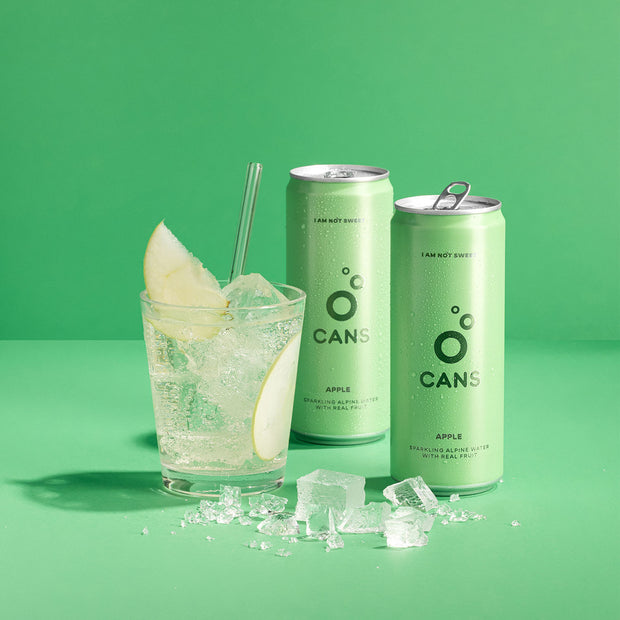
Discovering Austrian Soft Drinks: A Taste of the Alps from cans.com

CANS is an exciting new range of sparkling drinks made with pure spring water from the Austrian Alps, a drop of natural juice from real fruit, natural fruit flavourings and effervescent bubbles. 

The range contains no added sugar, no sweeteners and absolutely nothing artificial whatsoever!

Flavours that are available are: Apple, Lemon, Cherry and Mango. And you can really taste the fruits in them. 

But they aren't cloyingly sweet like many sparkling spring water drinks, in fact they make sure on the cans that you know that "They are not sweet" but they are certainly very fruity.

We'd recommend that you get some in for your Christmas drink cabinet. 

You can get a 12 can starter pack at £17.99 and they will be available here at https://cans.co.uk.

Tuesday, 15 July 2025

Flawsome! Reveals Its Latest Masterpiece 1L Cold-Pressed Juices in Gallery-worthy Cartons

Flawsome!, the brand known for turning so-called “wonky” surplus fruit into delicious cold-pressed juice, is launching its boldest range yet: 1L ambient cold-pressed juices in its most iconic flavours: Sweet & Sour Apple, and Orange, with the full collection to be revealed soon.

Developed specifically for out-of-home (OOH) and at-home consumption, this larger format offers all the flavour and in a new gallery-worthy carton inspired by the old masters of the art world. It’s designed to look beautiful on a bar, in a restaurant, and your own kitchen shelf.

“We call it a masterpiece for a reason. It’s made with the same cold-pressed craft as our smaller bottles, only now it’s dressed in gallery-inspired packaging and scaled to help save even more wonky fruit,” Karina Sudenyte, co-founder of Flawsome! told That's Food and Drink.

Flawsome! juices are already poured at The Royal Opera House or British Library, but this new 1L format is designed to go even further. It aligns with 2025’s predicted growth in large-format juice, and the rising demand for healthier, sustainable, aesthetically pleasing, and at-home-friendly options.

Why Now?

◦ The UK juice market is evolving: While total volume is predicted to dip slightly, 1L formats are growing due to shifting habits and consumers becoming more and more health conscious.

◦ At-home juice consumption is booming: Projected to reach 950 million litres by 2025.

◦ OOH remains strong, with over 116 million litres expected to be consumed in 2025.

◦ Flawsome! plans to quadruple production in two years, with this format at the forefront.

And in true Flawsome! style, this isn’t just about juice, it’s about saving more wonky fruit from being wasted.

The 1L range is also part of the brand’s ongoing strategy to mitigate the impact of Extended Producer Responsibility (EPR), by introducing more efficient and sustainable packaging at scale.

Available from July through Brakes, Bidfood, DDC, and a growing list of leading wholesalers soon to be announced.

Cold-Pressed. 100% Juice. 0% Boring.

Perfect for smoothies, cocktails, or let the juice stand alone at its own work of art.

This range is as versatile as it is beautiful.

Want to taste it? Stock it? Serve it at your next gallery opening or brunch service?

Reach out, they're pouring soon! 

https://flawsomedrinks.com

Thursday, 10 July 2025

Why You Need to Try Fruit Beers and Lagers This Summer

When the sun's out and you're reaching for a refreshing drink, it’s time to think beyond your standard lager or IPA. 

Enter the vibrant world of fruit beers and lagers, a flavourful twist on traditional brews that’s perfect for summer sipping, BBQs, picnics, or simply relaxing in the garden.

Here’s why you should give fruit beers and lagers a go – even if you’ve always thought you were strictly a pale ale or stout person.

1. They’re Surprisingly Refreshing

Fruit beers and lagers often have a lighter body and crisp finish, making them incredibly refreshing. The addition of fruit adds a subtle sweetness or tartness that can cut through the heat and keep your palate dancing. Think lemon, cherry, raspberry, passion fruit, or even mango, perfect flavours to cool down on a warm day.

2. Great for People Who "Don’t Like Beer"

Not everyone enjoys the bitterness of hops, and that’s okay! Fruit beers often have a more accessible flavour profile, appealing to those who usually lean towards ciders, cocktails, or even soft drinks. If you’re trying to get a friend into craft beer, fruit-infused brews are a gentle gateway.

3. They Pair Brilliantly with Food

Fruit lagers and beers are great for pairing with food, especially during summer. A cherry beer with dark chocolate, a citrus lager with grilled chicken, or a berry-flavoured ale with a fresh salad can elevate your meal into a proper culinary experience.

4. Breweries Are Getting Creative

From big names to small independents, brewers are experimenting more than ever with fruit additions. Expect everything from classic Belgian-style krieks (cherry beers) to adventurous watermelon wheat beers or strawberry milkshake IPAs. There’s something for every taste, whether you want sweet, sour, juicy, or tropical.

5. Ideal for Outdoor and Social Drinking

Light, sessionable fruit beers are ideal for garden parties, beer gardens, and festivals. Lower in alcohol than heavier brews, they’re made for sipping over long afternoons with friends.

6. They're Beautiful in the Glass

Let’s not pretend looks don’t matter. Many fruit beers come in stunning shades of pink, red, amber or even purple – a feast for the eyes before you’ve even taken a sip. Garnish with fruit or serve in a chilled glass, and you've got a drink that’s Instagram-ready.

Where to Start

If you're ready to dip your toes into the fruity beer world, here are a few classic and crowd-pleasing options:

Lindemans Kriek (Belgium) – A cherry lambic with a tart, slightly sweet edge.

Tiny Rebel’s Clwb Tropica (Wales) – A tropical fruit IPA bursting with flavour.

Camden Town Strawberry Hells (UK) – A limited-edition twist on their popular lager.

Fruli Strawberry Beer (Belgium) – Smooth, creamy and sweet like strawberry shortcake in a glass.

Wiper and True’s Kaleidoscope with fruit editions (Bristol) – Complex and juicy.

Final Thoughts

Fruit beers and lagers are far more than a gimmick. They’re a legitimate category of craft brewing that brings variety, creativity and excitement to your glass. Whether you’re a seasoned beer lover or just exploring your tastes, trying a fruit-infused beer could surprise you – in the best way possible.

This summer, raise a glass to flavour. Try something fruity. You just might find your new favourite.

Sunday, 29 June 2025

Squirrels – The Menace of the Garden: How to Protect Your Fruit and Veg Patch

If you’ve ever lovingly tended to your fruit trees or nurtured your veg patch only to find it raided overnight, you might already know the furry culprit: the squirrel. 

With their cute faces and bushy tails, they seem harmless, but don’t be fooled. Squirrels are one of the most frustrating pests for British gardeners, capable of undoing months of hard work in a single afternoon.

Here’s a look at why squirrels are such a nuisance in the garden and, more importantly, how to keep them at bay.

Why Squirrels Are a Problem for Gardeners

1. They Love Fruit and Veg Just as Much as You Do

Squirrels are especially fond of apples, plums, tomatoes, strawberries, courgettes, and sweetcorn. They don’t always eat the whole thing either – often they’ll nibble, decide they’ve had enough, and move on, leaving a trail of destruction behind them.

2. They Dig – Constantly

Squirrels bury food for later, meaning freshly planted beds can get churned up by their incessant digging. Bulbs, seedlings, and freshly raked compost are frequent targets.

3. They Strip Bark and Snap Branches

Grey squirrels are notorious for stripping bark from young trees, which can stunt growth or even kill the tree. Their climbing and jumping can also break delicate branches or dislodge ripening fruit.

4. They Raid Bird Feeders and Nest Boxes

While not directly harming your plants, squirrels often dominate feeders and nesting spaces intended for garden birds, disrupting your local wildlife ecosystem.

How to Deter Squirrels From Your Garden

Though it’s nearly impossible to eradicate squirrels completely (especially in urban and suburban areas), there are several effective strategies to make your garden far less inviting to them.

1. Use Physical Barriers

Fruit cages can help protect crops like berries and brassicas.

Netting placed over raised beds or containers can reduce access.

Wrap tree trunks in metal collars to stop squirrels climbing.

Use chicken wire over freshly planted areas to discourage digging.

2. Scent-Based Deterrents

Sprinkle chilli flakes, pepper, or garlic powder around plants. These irritate squirrels’ sensitive noses.

Commercial repellents (such as those with capsaicin) are available and can be sprayed around high-risk areas.

3. Motion-Activated Devices

Install motion-activated sprinklers or ultrasonic repellers to startle squirrels and encourage them to move elsewhere.

4. Remove Temptation

Clear up fallen fruit and nuts daily.

Harvest ripe produce promptly.

Don’t feed squirrels (no matter how cute they look!).

5. Keep Trees Trimmed

Prune branches that overhang fences or roofs to prevent squirrels from using them as launchpads into your garden.

6. Secure Compost Bins and Feeders

Compost heaps attract squirrels with food scraps – use a sealed compost bin and opt for squirrel-proof bird feeders to reduce incentives.

A Note on Humane Practices

In the UK, grey squirrels are classed as an invasive species and it is illegal to release them back into the wild once caught. However, for most home gardeners, prevention and deterrent are more practical than trapping or culling. Focus on humane and non-lethal methods that protect your plants without harming wildlife.

Final Thoughts

Sharing your garden with wildlife is part of the joy of growing your own food – but when squirrels become destructive, it’s time to act. With a little persistence, a few clever deterrents, and a dash of ingenuity, you can keep your fruit and veg safe from those bushy-tailed bandits.

Happy gardening – and may your harvest remain squirrel-free!

Wednesday, 17 July 2024

How to Make Your Own Sauces at Home to Rival the big brands

Creating your own sauces at home is a fantastic way to add unique flavours to your dishes while controlling the ingredients and avoiding preservatives. 

Here’s how you can make your own versions of some classic British favourites: HP Sauce, Worcester Sauce, and Heinz Tomato Ketchup.

Homemade HP Sauce

HP Sauce is a beloved British brown or fruit sauce known for its tangy, slightly spicy flavour. Here’s how to make your own version.

Ingredients:

250ml malt vinegar

200ml water

150g dates, pitted and chopped

1 large apple, peeled, cored, and chopped

1 onion, finely chopped

75g dark brown sugar

1 tsp ground ginger

1 tsp allspice

1 tsp ground cloves

1 tsp mustard powder

1 tsp salt

1 tbsp tomato puree

1 tbsp tamarind paste

1 tbsp soy sauce

Instructions:

In a large saucepan, combine the malt vinegar, water, dates, apple, and onion. Bring to a boil, then reduce the heat and simmer for 20 minutes until the fruit is soft.

Add the dark brown sugar, ground ginger, allspice, ground cloves, mustard powder, salt, tomato puree, tamarind paste, and soy sauce. Stir well to combine.

Continue to simmer for another 40-50 minutes, stirring occasionally, until the mixture thickens.

Allow the sauce to cool slightly, then blend until smooth using a hand blender or food processor.

Pour the sauce into sterilised bottles and seal. Store in the fridge for up to 3 months.


Homemade Worcester Sauce

Worcester Sauce is a complex, savoury sauce with a distinctive umami flavour. Making it at home requires patience, but the result is well worth it.

Ingredients:

250ml cider vinegar

50ml soy sauce

50ml water

2 tbsp tamarind paste

2 tbsp molasses

2 tbsp fish sauce

1 tbsp dark brown sugar

1 tsp ground ginger

1 tsp mustard powder

1 tsp onion powder

1 tsp garlic powder

1 tsp ground cloves

1 tsp ground cinnamon

1 tsp ground black pepper

1 tsp chilli powder

2 anchovy fillets, finely chopped

Instructions:

In a saucepan, combine the cider vinegar, soy sauce, and water. Bring to a simmer over medium heat.

Add the tamarind paste, molasses, fish sauce, dark brown sugar, ground ginger, mustard powder, onion powder, garlic powder, ground cloves, ground cinnamon, ground black pepper, and chilli powder. Stir well.

Add the chopped anchovy fillets and stir until they dissolve into the sauce.

Simmer the mixture gently for 10-15 minutes, stirring occasionally.

Remove from heat and let cool. Strain the sauce through a fine sieve to remove any solids.

Pour the strained sauce into sterilised bottles and seal. Store in the fridge for up to 6 months.


Homemade Heinz Tomato Ketchup

Heinz Tomato Ketchup is a staple in many households, known for its perfect balance of sweetness and tanginess. Here’s how to make your own version.

Ingredients:

1 kg ripe tomatoes, chopped

1 large onion, finely chopped

2 cloves garlic, minced

100ml cider vinegar

100g granulated sugar

1 tsp salt

1 tsp mustard powder

1 tsp ground allspice

1 tsp ground cloves

1 tsp ground cinnamon

1 tsp paprika

Instructions:

In a large pot, combine the chopped tomatoes, onion, and garlic. Cook over medium heat, stirring occasionally, until the tomatoes and onion are soft, about 20 minutes.

Pass the mixture through a sieve or food mill to remove the seeds and skins, resulting in a smooth puree.

Return the puree to the pot and add the cider vinegar, granulated sugar, salt, mustard powder, ground allspice, ground cloves, ground cinnamon, and paprika. Stir well to combine.

Bring the mixture to a simmer and cook, stirring occasionally, until the ketchup thickens to your desired consistency. This can take 45 minutes to an hour.

Allow the ketchup to cool slightly, then blend again if necessary to ensure it is smooth.

Pour the ketchup into sterilised bottles and seal. Store in the fridge for up to 3 months.

Conclusion

Making your own versions of HP Sauce, Worcester Sauce, and Heinz Tomato Ketchup at home allows you to enjoy these classic flavours with the added benefit of knowing exactly what’s in them. With a bit of time and effort, you can create delicious, homemade sauces that rival their store-bought counterparts. Whether you’re adding them to your favourite dishes or using them as condiments, these homemade sauces are sure to impress your family and friends. Enjoy the satisfaction of homemade goodness!

Tuesday, 25 June 2024

Zest for life: Cooking with citrus

Citrus fruits are a bright and vibrant addition to any kitchen, bringing a burst of flavour, aroma, and colour to a wide range of dishes. 

From the tang of lemon to the sweetness of orange, the sharpness of lime, and the unique bitterness of grapefruit, cooking with citrus can elevate your meals and desserts to new heights. 

In this blog post, we’ll explore the versatile uses of citrus fruits in cooking.

The Versatility of Citrus

Citrus fruits are incredibly versatile, enhancing both sweet and savoury dishes. Their juice, zest, and even segments can be utilised to add complexity and brightness to your culinary creations. Here’s how you can incorporate citrus into your cooking:

Juice

Citrus juice is perhaps the most commonly used component. It adds acidity, which can balance flavours and tenderise meat.

Marinades: Lemon and lime juice are excellent for marinades, especially for fish and poultry. The acidity helps to break down proteins, making the meat tender and flavourful. Try marinating chicken in a mixture of lemon juice, olive oil, garlic, and herbs.

Dressings and Sauces: Citrus juices can be the star ingredient in salad dressings and sauces. A simple vinaigrette made from olive oil, lemon juice, Dijon mustard, and honey can transform a basic salad.

Zest

The zest of citrus fruits contains essential oils that are bursting with flavour. It can be used to add a concentrated citrus taste without the acidity of the juice.

Baking: Add zest to cake batters, biscuit doughs, and icings for a fresh, aromatic touch. Lemon drizzle cake, a British classic, is enhanced with lemon zest in both the batter and the syrup.

Savoury Dishes: Use zest to brighten up savoury dishes. A sprinkling of lime zest over grilled fish or a bit of orange zest in a rich beef stew can add a surprising depth of flavour.

Segments and Slices

Citrus segments and slices are perfect for garnishing and incorporating into dishes for a burst of freshness and visual appeal.

Salads: Add orange or grapefruit segments to green salads for a juicy, tangy element. Pair them with ingredients like avocado, fennel, and goat cheese.

Roasting: Roast slices of lemon or lime with vegetables or meats. The heat caramelises the natural sugars, adding a slightly sweet, tangy flavour.


Citrus-Infused Roast Chicken

Roasting chicken with citrus not only imparts a wonderful flavour but also keeps the meat moist and tender.

Recipe:

1 whole chicken (about 1.5kg)

2 lemons (halved)

2 oranges (quartered)

Fresh thyme and rosemary

Olive oil

Salt and pepper

Preheat oven to 200°C. Stuff the chicken cavity with lemon and orange pieces and herbs. Rub the skin with olive oil, salt, and pepper. Place remaining citrus around the chicken in the roasting tin. Roast for 1.5 hours or until the juices run clear.

Tips for Cooking with Citrus

Use Fresh Fruit: For the best flavour, use fresh citrus fruits rather than bottled juice or dried zest.

Balance Flavours: Citrus can be very acidic, so balance it with sweetness or richness in your dishes.

Experiment: Don’t be afraid to experiment with different citrus fruits and combinations. Each type has a unique flavour profile that can enhance your dishes in different ways.

Conclusion

Cooking with citrus is a fantastic way to add a burst of freshness and complexity to your meals. Whether you’re making a zesty lemon curd, a bitter-sweet marmalade, or a flavourful roast chicken, the vibrant taste of citrus can transform your dishes. Embrace the versatility of these fruits and let their bright flavours inspire your culinary creations. Happy cooking!

Sweet Beginnings: Your First Steps in Making Jam, Marmalade, and Lemon Curd

There’s something deeply satisfying about preserving the vibrant flavours of fruit in the form of jam, marmalade, or lemon curd. 

These homemade delights not only enhance your breakfast table but also make wonderful gifts. If you’re new to preserving, don't worry! 

This guide will walk you through the first steps of making your own jam, marmalade, and lemon curd using British measurements and tips.

Getting Started with Preserving

Before diving into recipes, it’s important to understand some basics:

Sterilising Jars: Properly sterilising your jars is crucial to ensure your preserves stay fresh and free from bacteria. Wash jars and lids in hot, soapy water, rinse well, then place them in a preheated oven at 140°C (275°F) for at least 20 minutes.

Choosing Fruit: Use fresh, ripe, and unblemished fruit. The quality of your preserves will directly reflect the quality of your ingredients.

Pectin: This natural gelling agent is found in many fruits and is essential for setting jam and marmalade. Some fruits, like apples and citrus, have high pectin levels, while others, like strawberries, may need added pectin.

Making Jam

Jam is a sweet spread made by boiling fruit and sugar together until they reach a thick consistency. Here’s a simple recipe to get you started:


Strawberry Jam Recipe

Ingredients:

1kg fresh strawberries

1kg granulated sugar

Juice of 1 lemon

Instructions:

Prepare the Fruit: Hull the strawberries and cut any large ones in half.

Combine Ingredients: Place the strawberries, sugar, and lemon juice in a large pot. Stir gently to combine.

Cook the Jam: Heat the mixture over low heat until the sugar has dissolved. Then, increase the heat and bring to a rolling boil. Boil for about 10-15 minutes, stirring frequently, until the jam reaches setting point (105°C or 220°F).

Test for Set: To test, place a small plate in the freezer for a few minutes. Drop a spoonful of jam onto the plate and return it to the freezer for a minute. If it wrinkles when pushed with your finger, it’s ready.

Jar the Jam: Pour the hot jam into sterilised jars, leaving a small gap at the top. Seal immediately and let cool.

Making Marmalade

Marmalade is a type of preserve made from citrus fruits, known for its bittersweet flavour. Seville oranges are traditional, but other citrus fruits can be used.


Seville Orange Marmalade Recipe

Ingredients:

1kg Seville oranges

2 lemons

2 litres water

2kg granulated sugar

Instructions:

Prepare the Fruit: Wash the oranges and lemons thoroughly. Cut them in half and squeeze out the juice, removing any pips. Reserve the juice.

Prepare the Peel: Thinly slice the peel into strips. This step can be tedious but is crucial for texture.

Cook the Peel: Place the peel, juice, and water in a large pot. Bring to a boil, then reduce to a simmer and cook until the peel is tender (about 1.5-2 hours).

Add Sugar: Add the sugar and stir until it has dissolved. Increase the heat and bring to a rolling boil. Boil until the marmalade reaches setting point (105°C or 220°F), usually about 15-20 minutes.

Test for Set: Use the same method as for jam to test the set.

Jar the Marmalade: Pour into sterilised jars, seal, and let cool.

Making Lemon Curd

Lemon curd is a rich, tangy spread made from lemons, sugar, butter, and eggs. It’s perfect for scones, toast, or as a filling for tarts and cakes.


Lemon Curd Recipe

Ingredients:

4 unwaxed lemons (zest and juice)

200g caster sugar

100g unsalted butter

3 large eggs plus 1 egg yolk

Instructions:

Prepare the Lemons: Finely grate the zest and juice the lemons.

Cook the Mixture: In a heatproof bowl over simmering water (a bain-marie), combine the lemon zest, juice, sugar, and butter. Stir until the butter has melted.

Add Eggs: Beat the eggs and egg yolk together, then stir into the lemon mixture. Cook gently, stirring constantly, until the mixture thickens enough to coat the back of a spoon (about 20 minutes).

Strain and Jar: Strain the curd through a sieve into sterilised jars to remove any zest and coagulated egg. Seal and let cool.

Tips for Success

Consistency: Pay attention to the consistency of your preserves. Overcooking can lead to a stiff, overly firm texture, while undercooking can result in a runny product.

Patience: Making preserves requires patience, especially when waiting for them to reach the correct setting point.

Cleanliness: Keep everything scrupulously clean to avoid contamination and spoilage.

Conclusion

Embarking on the journey of making your own jam, marmalade, and lemon curd is both rewarding and delicious. With these simple recipes and tips, you’ll soon be able to enjoy the fruits of your labour and share your homemade delights with friends and family. Happy preserving!

Thursday, 30 May 2024

The Joy of Hedgerow Foraging: Making Delicious Homemade Fruit Cordials

As the seasons change, our countryside hedgerows transform into bountiful sources of fresh, wild fruits. 

From the brambles of late summer to the elderberries of early autumn, these natural treasures offer a unique opportunity to create something truly special: homemade fruit cordials. 

Not only do these cordials capture the essence of the seasons, but they also provide a delightful way to preserve the flavours of nature. Let’s explore how to forage responsibly and create your own delicious cordials at home.

Foraging: A Time-Honoured Tradition

Foraging is more than just a way to gather ingredients; it’s a tradition that connects us to our ancestors and the natural world. When done responsibly, it’s a sustainable way to enjoy the fruits of our local environment. Here are a few tips for safe and responsible foraging:

Know Your Fruits: Familiarise yourself with the fruits available in your local hedgerows. Common finds include blackberries, elderberries, rosehips, and sloes. Always make sure you can accurately identify the fruit before picking.

Respect the Environment: Only take what you need, leaving plenty for wildlife and other foragers. Avoid damaging plants and be mindful of private property.

Safety First: Avoid foraging near busy roads or areas that may be contaminated with pollutants. Always wash your fruits thoroughly before use.

Essential Equipment

Before you begin, ensure you have the following equipment:

Wicker baskets or strong plastic carrier bags to collect the fruit in 

A large colander or sieve for washing the fruits

A heavy-bottomed pan for cooking

A muslin cloth or fine sieve for straining

Sterilised bottles or jars for storing the cordial

Basic Recipe for Homemade Fruit Cordial

Here’s a simple yet versatile recipe that you can adapt to various fruits:

Ingredients:

1 kg of foraged fruit (blackberries, elderberries, rosehips, or a mix)

1 litre of water

750g of granulated sugar

Juice of 1 lemon (optional for extra tanginess)

Method:

Prepare the Fruits: Wash the fruits thoroughly to remove any dirt or insects. Remove any stems and leaves.

Cook the Fruits: Place the fruits in a large pan and cover with water. Bring to a gentle boil and then simmer for 20-30 minutes, or until the fruits are soft and have released their juices.

Strain the Mixture: Using a muslin cloth or fine sieve, strain the fruit mixture into a clean pan, pressing down to extract as much juice as possible. Discard the pulp or save it for another use, such as making jam.

Add Sugar and Lemon Juice: Measure the strained juice and return it to the pan. For every litre of juice, add 750g of sugar. Add the lemon juice if using. Stir over a low heat until the sugar has completely dissolved.

Simmer and Bottle: Bring the mixture to a gentle simmer and cook for another 5-10 minutes. Carefully pour the hot cordial into sterilised bottles or jars and seal immediately.

Cool and Store: Allow the cordial to cool completely before storing it in a cool, dark place. Once opened, keep it in the fridge and consume within a month.

Enjoying Your Cordial

Homemade fruit cordial is a versatile treat. Dilute it with still or sparkling water for a refreshing drink, drizzle it over ice cream or pancakes, or use it as a base for cocktails and mocktails. The possibilities are endless, and the flavour is unbeatable.

Experiment and Innovate

Don’t be afraid to experiment with different combinations of fruits and flavours. Adding spices like cinnamon or cloves during the cooking process can create a warming cordial perfect for the colder months. Herbs like mint or rosemary can add an interesting twist to your summer drinks.

By making your own fruit cordials, you’re not only enjoying the bounty of nature but also creating lasting memories and delicious treats to share with friends and family. So, grab a basket, head to the hedgerows, and start your foraging adventure today!

Friday, 1 March 2024

Sustainable Eating: Tips for Reducing Food Waste and Eating Responsibly

In a world facing numerous environmental challenges, sustainable eating has emerged as a crucial aspect of reducing our ecological footprint. 

Food waste is a significant contributor to environmental harm, accounting for a large portion of greenhouse gas emissions and wasted resources. 

Embracing sustainable eating practices not only helps mitigate these issues but also promotes healthier lifestyles and supports more ethical food production systems. Here, we'll explore some practical tips for reducing food waste and eating responsibly.

Plan Your Meals:

One of the most effective ways to reduce food waste is to plan your meals in advance. Take some time each week to create a meal plan, considering what ingredients you already have and what you need to buy. Planning meals not only helps you buy only what you need but also ensures you use up perishable items before they go off.

Check your store cupboard supplies: 

Make sure that items in your store cupboard are fit to eat. Don't necessarily merely rely on the best before or use by dates. Look at them, smell them and taste them. If they seem OK, then they probably are.

Buy Wisely:

When grocery shopping, be mindful of what you buy. Opt for locally sourced, seasonal produce when this is possible, as it typically has a lower environmental impact and supports local farmers. Also, try to avoid overbuying perishable items that may spoil before you can use them. Stick to your shopping list and resist the temptation to purchase more than you need.

Embrace Imperfect Produce:

Many fruits and vegetables are discarded simply because they don't meet aesthetic standards. However, these "imperfect" produce items are often just as nutritious and delicious as their more visually appealing counterparts. By choosing imperfect produce, you not only help reduce food waste but also support efforts to combat food insecurity and promote a more inclusive food system. Morrison's and Tesco are two supermarkets that offer wonky vegetables and fruit. 

Practice Proper Storage:

Properly storing your food can help extend its shelf life and prevent spoilage. Invest in reusable containers and storage bags to keep fruits, vegetables, and leftovers fresh for longer. Additionally, familiarize yourself with the optimal storage conditions for different types of produce to ensure they stay fresh as long as possible.

Get Creative with Leftovers:

Instead of letting leftovers go to waste, get creative and find ways to repurpose them into new meals. Leftover vegetables can be added to soups, stir-fries, or salads, while leftover proteins can be used in sandwiches, wraps, or pasta dishes. Not only does this reduce food waste, but it also adds variety to your meals and saves you money.

Compost Food Scraps:

Despite our best efforts, some food waste is inevitable. Instead of sending it to the landfill where it contributes to methane emissions, consider composting your food scraps. Composting not only reduces greenhouse gas emissions but also produces nutrient-rich soil that can be used to support healthy plant growth in your own vegetable patch. We intend to cover this subject at a later date.

Sustainable eating is about making conscious choices that minimize our impact on the environment and promote a more ethical and equitable food system. By following these tips for reducing food waste and eating responsibly, you can play a significant role in building a more sustainable future for generations to come. Remember, every small change in our eating habits can make a big difference in the health of our planet.

(Image courtesy of Ben Kerckx from Pixabay)

Wednesday, 28 February 2024

Exploring Exotic Fruits: From Dragon Fruit to Durian

In a world brimming with diverse flavours and textures, the realm of exotic fruits offers a tantalising adventure for culinary enthusiasts. 

From the vibrant hues of dragon fruit to the pungent aroma of durian fruit, these fruits beckon us to explore beyond the ordinary. Join us on a journey as we delve into the fascinating world of exotic fruits, uncovering their unique characteristics and culinary possibilities.

Dragon Fruit:

With its striking appearance resembling something out of a fantasy tale, dragon fruit, also known as pitaya, captivates both the eyes and the taste buds. Available in vibrant hues of pink and yellow, this fruit boasts a mild, subtly sweet flavor reminiscent of a cross between a kiwi and a pear. Beyond its aesthetic appeal, dragon fruit is rich in antioxidants, vitamins, and fibre, making it a nutritious addition to smoothies, salads, and desserts. Whether enjoyed fresh or blended into a refreshing beverage, dragon fruit offers a delightful tropical experience.

Durian:

Often hailed as the "king of fruits," durian elicits strong opinions due to its potent aroma, which some find enticing while others find overpowering or even nauseating. 

Despite its divisive scent, durian boasts a creamy, custard-like texture and a complex flavour profile that blends notes of sweet, savoury, and slightly bitter. 

Native to Southeast Asia, where it enjoys something of a cult-like following, durian is often consumed fresh or incorporated into various dishes, including ice cream, pastries, and savoury curries. While its distinctive odour may deter the uninitiated, adventurous food enthusiasts are rewarded with a unique gastronomic experience.

Mangosteen:

Dubbed the "queen of fruits," mangosteen offers a counterbalance to the boldness of durian with its delicate flavour and floral aroma. Encased in a deep purple rind, mangosteen reveals snow-white segments bursting with juicy sweetness. 

Renowned for its luscious taste and potential health benefits, mangosteen is revered in Southeast Asia for its antioxidant properties and potential anti-inflammatory effects. Whether enjoyed on its own as a refreshing snack or incorporated into desserts and salads, mangosteen adds a touch of tropical elegance to any culinary creation.

Rambutan:

Resembling a tiny sea urchin with its vibrant red or yellow spiky exterior, rambutan hides a translucent, juicy flesh within. Native to Southeast Asia, this tropical fruit offers a subtly sweet flavor with floral undertones, reminiscent of lychee and grapes. 

Rich in vitamin C and antioxidants, rambutan is not only a delicious treat but also a nutritious one. Whether savored fresh or added to fruit salads and cocktails, rambutan invites exploration with its unique appearance and delectable taste.

Exploring exotic fruits is a journey of sensory discovery, where vibrant colors, diverse flavors, and enticing aromas converge to tantalize the palate. From the otherworldly appearance of dragon fruit to the divisive allure of durian, each fruit offers a unique culinary experience steeped in cultural heritage and natural beauty. 

Whether enjoyed fresh, blended into smoothies, or incorporated into gourmet dishes, exotic fruits invite us to embrace adventure and expand our culinary horizons. So, why not embark on a gastronomic voyage and savor the treasures of the tropical world? After all, the fruits of exploration are as diverse and bountiful as the fruits themselves.

Sunday, 21 January 2024

Meet Isla the future of freshly prepared fruit in mere seconds

iSqueeze the fruit juicing masters, has added striking Isla to its portfolio of self-service technology, a machine which slices a whole pineapple in seconds, boxed up fresh in front of customers eyes. 

Always pushing the boundaries of innovation to provide ‘health for the nation,’ the future of fresh fruit is here.

Isla, meaning Island in Spanish, is set to bring its exotic fruit to shoppers to transform the way people consume natural pineapple. Gone are the days of  pre-packaged fruit hanging around on the shelf, instead iSqueeze is serving up machine cut and prepared pineapple on the premises to guarantee ultimate freshness.

The new machine recently launched into Jempson’s, prepares a whole pineapple in just 15 seconds! First the crown is removed, followed by the peel and the core of the pineapple, before being packaged in a fully recyclable cardboard box to enjoy anywhere in slices, chunks or sticks! 

The machine is adaptable to varying sizes of fruit, thus meaning retailers will get the most out of their pineapples. Customers will also be quids in, as one whole pot of pineapple 600g (on average) will retail for just £3.49 whereas pre-cut pineapple is sold at £2.30 (on average) for 300g. Pineapple should be kept refrigerated and consumed within three days.

Who said sliced bread was the best thing? iSqueeze has now gone one better with the juiciest fruit money can buy, prepared on the spot, offering businesses a reason to keep shoppers coming back! Isla is compact, comprising a single block, to guarantee that it remains sealed to prevent contamination.

Customers won’t be able to miss Isla with its vibrant yellow exterior, to make people thirsty for exotic juice-filled fruit pieces just by looking at it! And what’s more supermarkets can customise machines to fit in with an establishment’s identity, with bespoke graphics and stickers to match the aesthetics of any location.

Pineapple slicing machine Isla continues iSqueeze’s mission to bring health to the nation adding to its existing range of products including fresh juice machines, premium blenders, smoothie makers, and slush machines. The brand is pioneers of providing healthier vending machine choices suitable for everyday consumption unlike the more traditional confectionary vending options on the market. 

iSqueeze has installed machines in retailers across the UK, including convenience stores, supermarkets, cafes/restaurants, gyms and more. Leading partners include Jempson’s, Asda, Sainsbury, Co-Op, Euro Garages, Costcutter, Spar, Nisa stores and many more.

15 seconds and a whole pineapple later, Isla will be shoppers new best friend for healthy convenience.

To learn more please visit https://isqueeze.co.uk/isla-pineapple-slicer


Thursday, 19 October 2023

Revitalise Your Health: The Significance of Fresh Fruits and Vegetables in Your Diet

In a world where fast food and processed snacks have become the norm, the importance of fresh fruits and vegetables in our diet cannot be overstated. 

These vibrant, nutrient-packed foods are not just a source of natural goodness but also hold the key to a healthier, more energetic, and longer life. In this blog post, we'll explore the myriad benefits of incorporating fresh fruits and vegetables into your daily meals.

Nutrient Powerhouses:

Fresh fruits and vegetables are nutritional powerhouses, offering a wide range of essential vitamins, minerals, and antioxidants. They provide the body with the raw materials it needs to function optimally. For instance, citrus fruits like oranges and strawberries are rich in vitamin C, which boosts the immune system and supports skin health. Leafy greens like spinach and kale are packed with vitamin K, important for blood clotting and bone health.

Fibre for Digestive Health:

Fruits and vegetables are excellent sources of dietary fibre. Fibre is crucial for healthy digestion, as it aids in regular bowel movements, prevents constipation, and reduces the risk of gastrointestinal disorders. It also helps maintain a healthy weight by promoting a feeling of fullness, which can prevent overeating.

Disease Prevention:

Regular consumption of fresh produce is associated with a reduced risk of chronic diseases. The antioxidants found in fruits and vegetables help protect the body against oxidative stress, which can lead to conditions such as heart disease, cancer, and diabetes. For example, the carotenoids in carrots and sweet potatoes are linked to a lower risk of certain cancers.

Weight Management:

If you're aiming to manage or lose weight, fresh fruits and vegetables are your best friends. They are low in calories and high in water and fibre, making them the perfect choice for filling up without packing on excess calories. Snacking on veggies like celery and bell peppers with hummus can satisfy your cravings without derailing your weight management goals.

Skin and Hair Health:

Your skin and hair can benefit significantly from a diet rich in fresh produce. Vitamins like A, C, and E, found abundantly in fruits and vegetables, promote healthy skin by reducing signs of aging and preventing blemishes. These vitamins also contribute to stronger, shinier hair.

Mood and Mental Health:

Recent research has shown a connection between a diet rich in fruits and vegetables and improved mental health. The antioxidants and nutrients in fresh produce may help reduce the risk of depression and improve overall mood. The fibre content also contributes to stable blood sugar levels, preventing mood swings and irritability.

Environmental Impact:

Choosing fresh fruits and vegetables can also benefit the environment. They generally have a lower carbon footprint compared to heavily processed or packaged foods. Supporting local, seasonal produce can further reduce your environmental impact by reducing the need for long-distance transportation.

The importance of fresh fruits and vegetables in your diet is undeniable. They are nature's gift, offering a treasure trove of health benefits, from bolstering your immune system to preventing chronic diseases, aiding in weight management, and promoting mental well-being. So, the next time you plan your meals, remember to make room for these colourful and nutritious gems. Your body and mind will thank you for it, and you'll be well on your way to a healthier, happier you.

Just one further point. Make sure you wash fresh fruit and vegetables before you eat them, especially if you do not peel them.

Tuesday, 12 September 2023

Good news for fruit and veg lovers! Aldi has got your back with more price cuts

Yes, Aldi does have the backs of fruit and veg lovers because Aldi, already known as the UK’s cheapest supermarket, has lowered the prices on an extensive range of fruit and veg products.

From now on fruit and veg loving shoppers can enjoy even lower prices on items such as apples, bananas, spinach and courgettes, plus on a range of Specially Selected products like Cotton Candy Grapes. The latest price drop, reportedly the largest round of cuts Aldi has announced so far this year, representing around one third of its produce range, has seen 55 items fall by an average of around 11%.

The move is the latest of over 100 prices Aldi's reduced in the past several months and follows on from news from Which? confirming Aldi as the UK’s Cheapest Supermarket for the 15th month in a row.

On a basket of goods, Aldi was the cheapest at £65.21, £14.30 lower than the most expensive supermarket, Waitrose.

You'll remember that That's Food and Drink recently covered news that Aldi announced the opening of its 1,000th store as part of its commitment to expanding its store footprint across the UK.

Said Julie Ashfield, who is the Managing Director of Buying at Aldi UK: “Our promise to our customers is we will always keep our prices as low as possible. We remain fiercely committed to doing this. Now and always.

“This latest price drop is part of our efforts to ensure that healthy, high-quality groceries are accessible to everyone. That will always be our mission, and it’s why we continue to see shoppers switch to Aldi.”

www.aldi.co.uk.

Wednesday, 6 September 2023

Aldi lets loose with its fruit and veg

But it's all in a good cause! Because Aldi is set to trial four new loose fruit and vegetable lines in a bid to further cut plastic waste.

Beginning this week, items including garlic, limes, lemons and oranges will be introduced as loose in select Aldi stores all over the country.

Specially chosen Aldi branches in the North East, Cumbria, Yorkshire, South East, and London will start offering loose garlic and limes, while shoppers in the East of England, East Midlands and London will be able to purchase loose garlic, limes, oranges and lemons.

If rolled out across all its branches, this move will see Aldi remove a further 94 tonnes of plastic packaging every year.

Luke Emery, Plastics and Packaging Director at Aldi, said: “At Aldi we're firmly committed to removing plastic packaging wherever we possibly can and we are constantly reviewing ways to make a real difference.

“By trialling these packaging-free produce lines, we hope to help our customers cut back on unnecessary plastic when shopping at Aldi.”

Aldi already offers loose produce options on a number of ranges, including potatoes, peppers and avocadoes.

Thursday, 31 August 2023

Aldi cuts prices of fruit and veg

Already the UKs cheapest supermarket, Aldi has cut the prices on a range of fruit and veg products.

This week, shoppers can enjoy even cheaper prices on items such as strawberries, tomatoes, potatoes and spinach. 

Fruit and veg items in Aldi’s Everyday Essentials range are included in this latest price drop, which has seen items fall by an average of about 9%.

The move is the latest of in excess of 100 price cuts Aldi has introduced over the past two months.

Julie Ashfield, who is Aldi's MD of Buying at Aldi UK, said: “Every week we're working very hard to make new savings to pass on to our customers and help ensure we always offer them the lowest grocery prices we possibly can.

“We know shoppers are having to make difficult choices at the moment, so we at Aldi are doing what we can to offer the lowest prices possible. That’s why shoppers continue to switch to Aldi from every other supermarket.” 

Consumer group Which? named Aldi as the UK’s cheapest supermarket in July for the 14th consecutive month. On a basket of goods, Aldi was the cheapest supermarket at £71.22, which was £16.02 lower than the most expensive supermarket, Waitrose.

Sunday, 27 August 2023

Bumper British melon crop harvested

Lovers of watermelons (EDITOR: This includes my wife and I!) will be in for a treat this year, because  there's a record-breaking bumper UK-grown crop on the way.

Shoppers will be able to judge for themselves when the predicted 11,000 UK-grown watermelons, the biggest crop ever produced and harvested in Britain, -exclusively hit Tesco shelves this coming week.

The fruit has been produced by the UK’s biggest watermelon grower, Oakley Farms which is based in Wisbech, Cambridgeshire, under the careful guidance of melon growing expert James Cackett.

James, who is as a fruit technical manager for Tesco, has spent the last 15 years working with both seed houses and British growers on developing varieties that are perfect for the UK climate and soil.

James said: “This is an absolutely  massive achievement by Oakley Farms as their previous production record was around 5,500 watermelons a few years ago so to double that inside two years is a fantastic achievement.

“The growing of watermelons in Britain is still a small and developing industry with only a handful of producers scattered all over the UK.

“When we first started selling them, in very small quantity, about 10 years back, Tesco customers were curious as to whether such an exotic looking fruit could ever be grown over here in the UK.

“But they're now very popular with shoppers firmly committed to supporting British growers and each year demand gets stronger, so it doesn’t take very long for the entire crop to sell out.”

Oakley Farms and Tesco have worked together on watermelon production for seven years and while the rainy July certainly slowed production somewhat, lesson learned from previous years has still resulted in a record-breaking year in terms of volume of production.

The farm is also the UK’s biggest producer of pumpkins and also grows courgettes and pumpkins and courgettes are both members of the cucurbit family, as are watermelons.

Oakley Farms manager Nick Molesworth added: “We began growing them after Tesco approached us and offered to work with us on the project and we felt that it made good sense as the crop would fit in perfectly between production of courgettes in late spring and pumpkins in the early autumn months.

“We've tried several different methods of growing the watermelons and are now getting more fruit per plant so the hard work is beginning to pay off for us.

“However, I have to say that they're not that easy to grow and the British climate can also be a bit of a challenge,  but we’re very pleased with this year’s crop. We believe that growing watermelons is a natural evolution for our business.”

The water melons are set to go on sale in x Tesco stores and will cost £3.49 each for the standard size and £2.50 for the mini size.

www.tesco.com 

Sunday, 13 August 2023

Why not plant fruit trees in your garden?

King's Seeds have a wide range of fruit trees available for sale.

These include Peach Peregrine Fruit Tree - 4.5Ltr Pot.

Apricot Flavorcot® Fruit Tree - 4.5ltr Pot.

Plum Opal Fruit Tree - 4.5ltr Pot.

A spokesman from King's Seeds said: "We have 3 new patio fruit trees, on offer for three weeks only."

They are ready for despatch, but you must order them by 9am on Thursday 31st August.

Each fruit tree costs £32.

To learn more and to place your orders please visit https://www.kingsseeds.com.

These would make ideal presents for the home gardeners in your life, but please do establish beforehand to make sure they have enough garden space and the right type of soil for the fruit trees concerned.

Saturday, 12 August 2023

No cook chilled porridge

No cook chilled porridge is a dish I invented myself many years ago.

Very late one evening I was pouring some cold milk into a bowl of porridge oats. I realised that I wasn't hungry after all, so I placed the bowl in the fridge and went to bed.

The next morning I remembered the bowl of oats and I took it out and took a mouthful. The result was better than anything I had ever expected. 

The oats had perfectly melded with the milk and I had inadvertently created a bowl of utterly delicious cold porridge.

The recipe is simplicity in itself.

Take one bowl of porridge oats. 

Fill to the brim with the chilled milk of your choice, dairy or non-dairy.

You can add brown sugar, honey, etc to add sweetness if you wish.

Stirring in cinnamon or mixed spice with dried mixed fruit is a good idea, but do make certain any spices you add are properly mixed throughout. The dried mixed fruits will absorb the moisture from the milk and will plump up very nicely.

You can also add sliced or ground nuts.

When the bowl of porridge is ready, place it in your fridge and leave it overnight or throughout the day until it is ready for you to eat.

Actually, you could try oat alternatives if you want to give that a try. 

You can garnish with freshly cut fruits including bananas, strawberries, etc.

(Image courtesy of  Pictavio from Pixabay)

Saturday, 29 July 2023

Aldi reduces prices of staple fruit and veg

Aldi supermarkets has revealed price cuts on fruit and veg products. The reason is to pass savings on to its customers during the current cost-of-living crisis.

Ten products are included in the price drop, from avocados, red peppers and easy peelers to staples such as  baking potatoes and sweetcorn. This is the latest of hundreds of prices Aldi has cut in recent times including household staples like milk and pasta.

Shoppers will see prices drop by up to 36%, with the reductions firm evidence of Aldi’s commitment to offering the best value products to all its customers. In recent weeks, it's taken the step of reducing the price of nearly 100 products.

Latest research from Which? revealed Aldi to be officially declared to be the cheapest UK supermarket in June for the 13th consecutive month. 

On a basket of goods, Aldi was the cheapest at £75.25, £7.42 cheaper than Tesco and £16.55 lower than Waitrose. On average, shoppers save 11% on a basket goods by shopping at Aldi compared against the Big Four.

Julie Ashfield, who is MD of Buying at Aldi UK, said: “We know shoppers are having to make hard choices at the moment, which is why we’re passing savings on to our customers anywhere we are able to.

“We know it can be very hard to access food that's both nutritious and affordable, so we recognise reducing the costs of healthy food and veg staples like these is so really important right now.

“We’re continuing to see high numbers of people switching to Aldi from all other supermarkets as shoppers look to save money and our promise remains that we will always offer straightforward, honest prices that we’ll keep low for our customers, every day.”

Full list of reduced items are listed here:-

• Sweetcorn (2pk)

• Iceberg Lettuce

• Baking Potatoes (4pk)

• Radish (240g)

• Watermelon

• Avocado

• Red Pepper

• Premium Easy Peelers (600g)

• Flat Peaches (4pk)

• Unwaxed Lemons (4pk)

These price cuts are in addition to Aldi’s Super 6 initiative which offers fruit and veg at great value prices.

Thursday, 27 July 2023

Sustainable and delicious. New Cocktail ideas

Now, more than ever, sustainability is at the forefront of the minds of many of us, especially in the kitchen, and as the cost of living crisis continues to put a strain on our finances, many of us are looking to reduce our food waste and squeeze out the most of our weekly shopping trips. 

But! There are many tips and tricks for utilising your leftover food scraps including turning them into delicious cocktail ingredients. (What? Cocktail ingredients? Yes, cocktail ingredients. We'll explain more, here.)

The team of top drink experts at online drinks retailer, The Bottle Club, have put together some handy tips for utilising your leftovers and transforming them into tasty summer beverages.

Blend fruit pulp, peels and zest into syrup

Adding a fruity syrup to your homemade cocktails in an ingenious way to add a delightfully delicious extra fruity dimension to your drink, whilst simultaneously reducing your food wastage. 

Leftover fruit pulp, peels, and zest can all be used to create a sweet and delicious syrup. Making the syrup is simple, all you need do is add the fruit pulp, peels, or zest into equal parts water and sugar, simmering in a pan until the solution resembles a syrup-like texture. 

Use your leftover fruit as garnish 

A great alternative to using leftover fruit in syrup is to use them as garnish for your summer cocktails. Dehydrating your leftover fruit is an ideal way to make them last longer, as they can last up to a full year when stored properly in a proper airtight container. 

If you don’t own a dehydrator or an air fryer, this can also be achieved by oven-cooking your fruits for 30 minutes. Leftover orange peels go well in a classic Old Fashioned, whilst grapefruit peel is the perfect addition to the iconic Negroni cocktail.

Create syrups with leftover herb stems

If you’re a kitchen whizz, you’re probably no stranger to cooking with herbs. But herbs aren’t just used to add a little extra flavour to your dishes, they can also be used in your drinks, too. 

The leftover stems of your everyday herbs like parsley, thyme, and basil can also be brewed into a syrup that will add a nifty extra kick to your summer cocktails. 

Start by simmering your herb stems in equal parts of sugar and water. Simply allow the solution to cool in the fridge and then add to your cocktails. To maximise the flavours, leave the solution to chill in the fridge for several weeks. 

Herbal syrups are particularly effective when used in gin and vodka-based drinks. 

Save coffee grounds to be used in coffee-based cocktails 

If you’re partial to a coffee-flavoured cocktail, try saving your leftover coffee grounds to make a delicious after-dinner drink. From a classic Espresso Martini to a Calypso cocktail, there’s plenty of delicious cocktails for coffee lovers to indulge themselves in. 

To create a coffee liqueur to be used in cocktails, just add 100 grams of coffee grounds, 4 tablespoons of white granulated sugar and 2 parts of spirit (preferably vodka!) to a sealed container. Leave this to mix for around 24 hours before you start crafting your homemade cocktails.

Use leftover mint stems to add a refreshing kick

When using mint leaves to add extra flavour to your cooking, you probably throw out the leftover stems. However, mint stems can be used as the perfect garnish for cocktails like the class Mojito and Mint Julep, to give a real minty kick to these cocktails. 

Spearmint is the most common type of mint used to craft these delicious and refreshing cocktails to be enjoyed on a summer's day. 

Create an infusion with your leftovers 

There is a wealth of possibilities and combinations when it comes to infusing alcohol with leftover fruits, spices, and herbs. Light-coloured spirits like gin and vodka are the most common spirits used, as the mild flavours will infuse more easily than darker spirits like rum and whiskey. 

When you are creating an alcohol infusion at home, add the chosen ingredients to an airtight container along with your chosen alcohol, shake it up and let it sit. Leave the solution to settle for 24 hours to give the flavours time to infuse and strain before drinking.

Popular infusion combinations include: 

Grapefruit, rosemary and vodka

Apples and gin 

Pineapples and whiskey 

Coconut rum 

Lemongrass, ginger and tequila

To learn more visit https://www.thebottleclub.com/blogs/thedrinksjournal/cocktails-to-make-the-most-of-fresh-seasonal-produce

(Image courtesy of Radosław Kulupa from Pixabay)